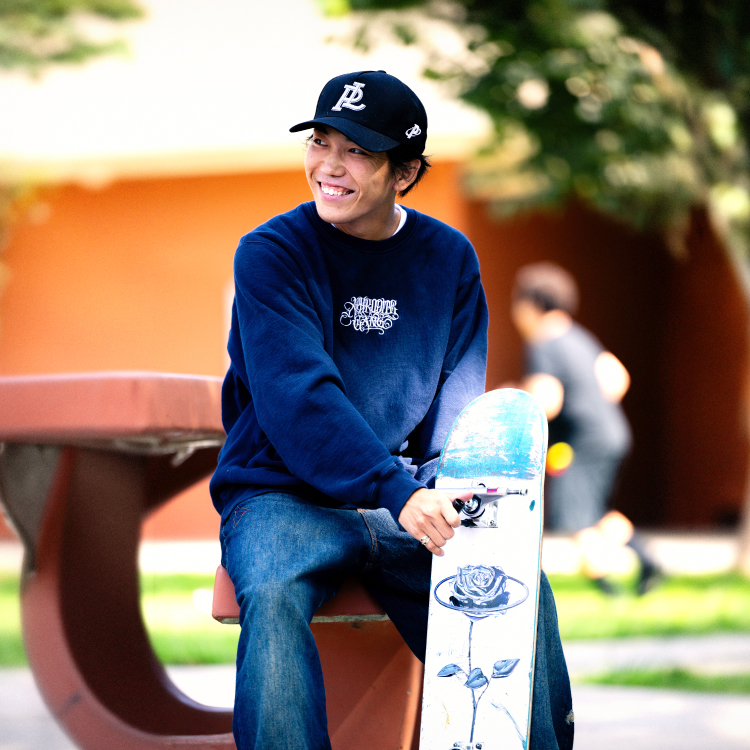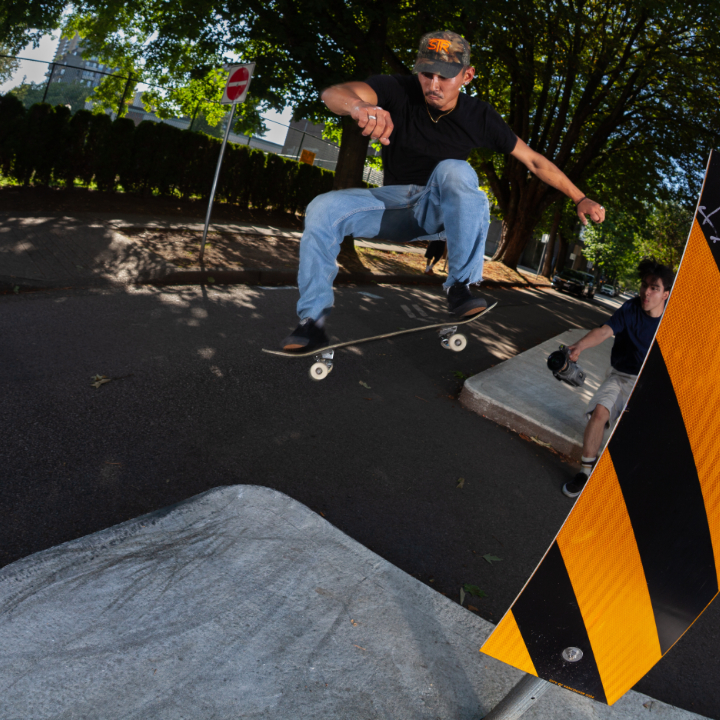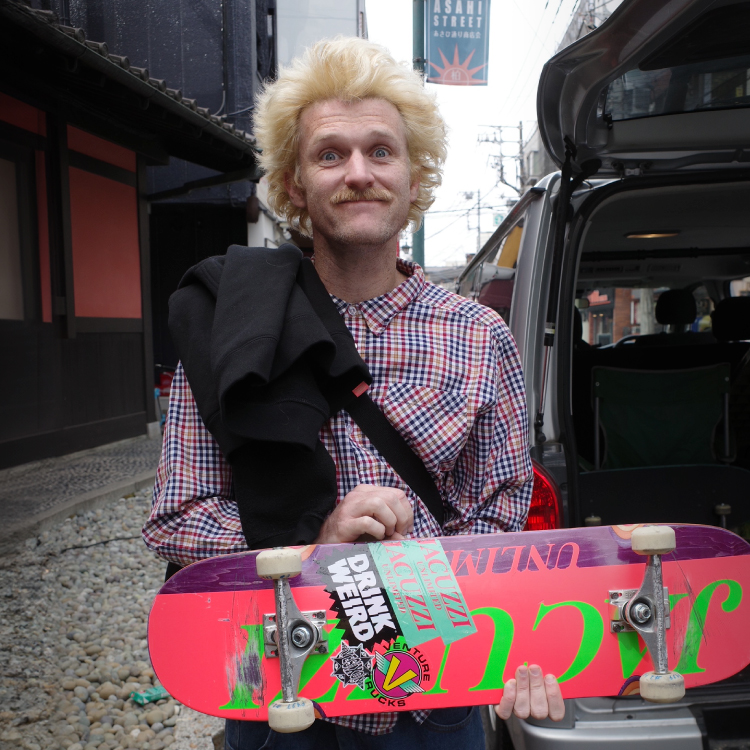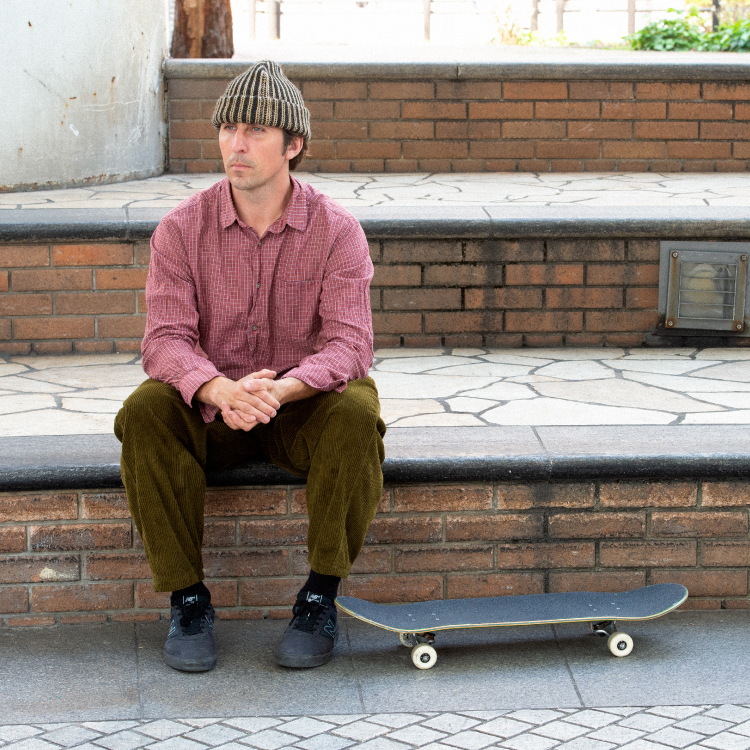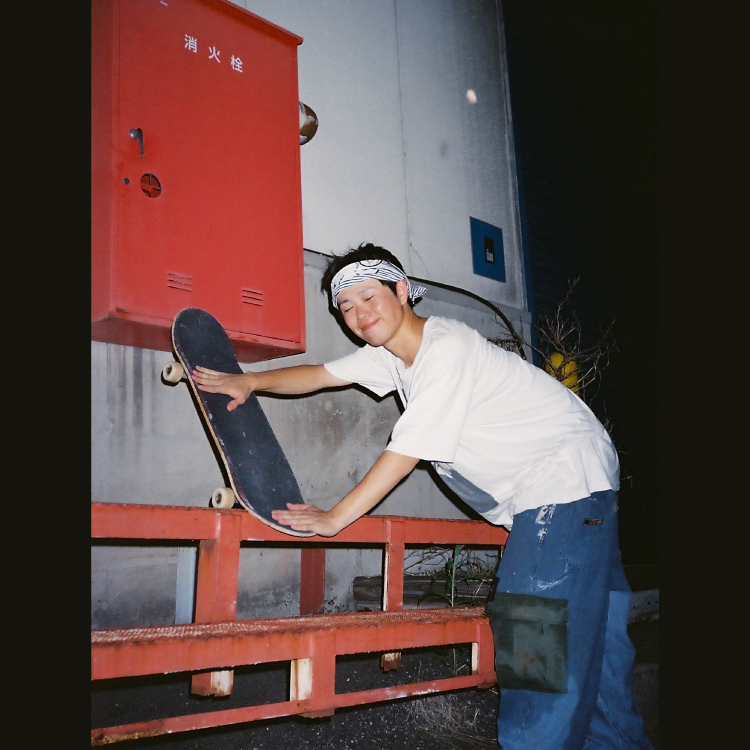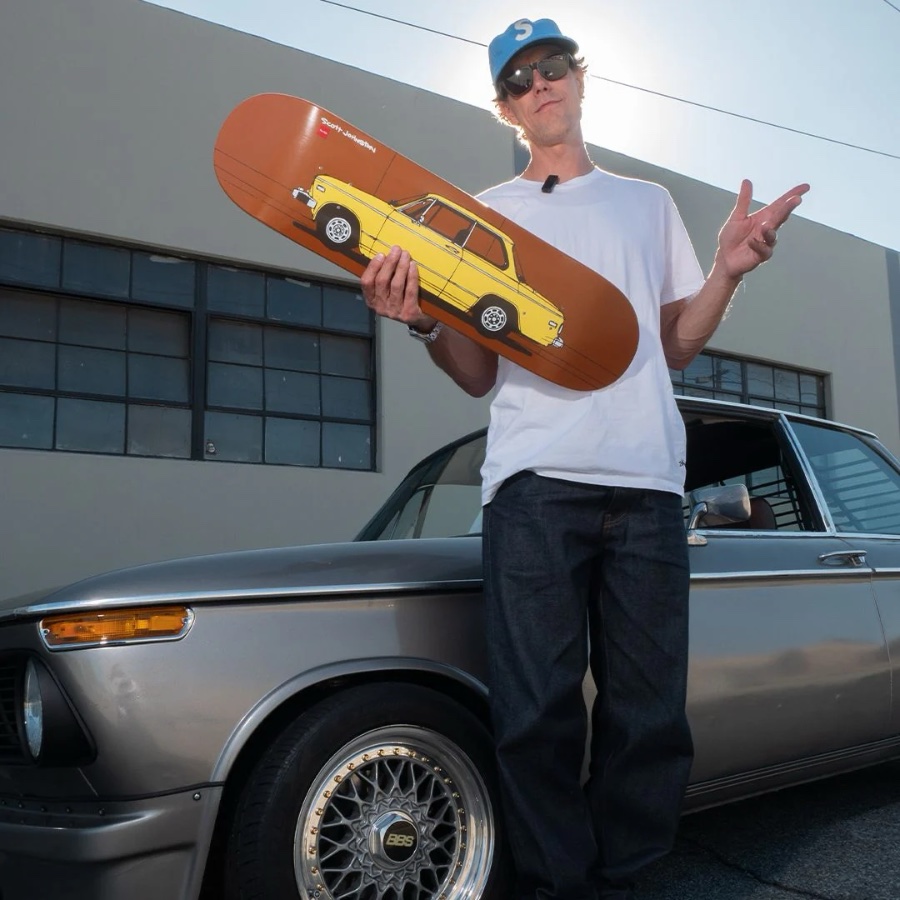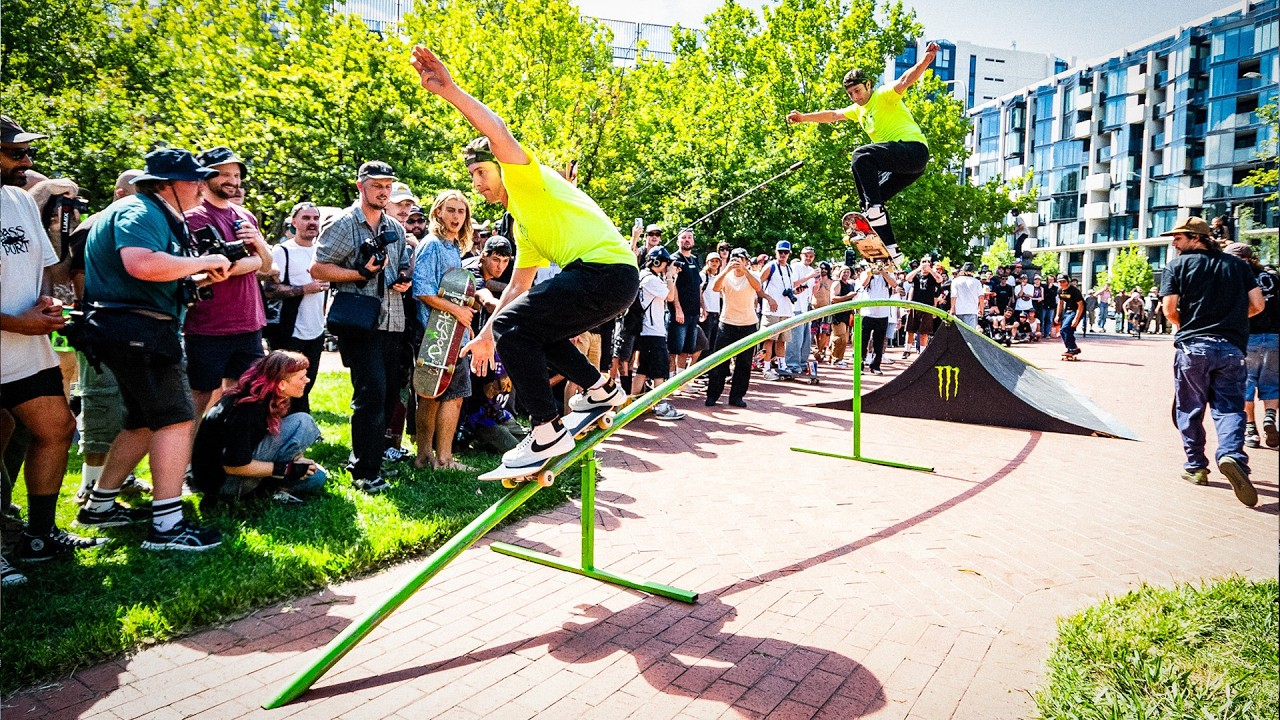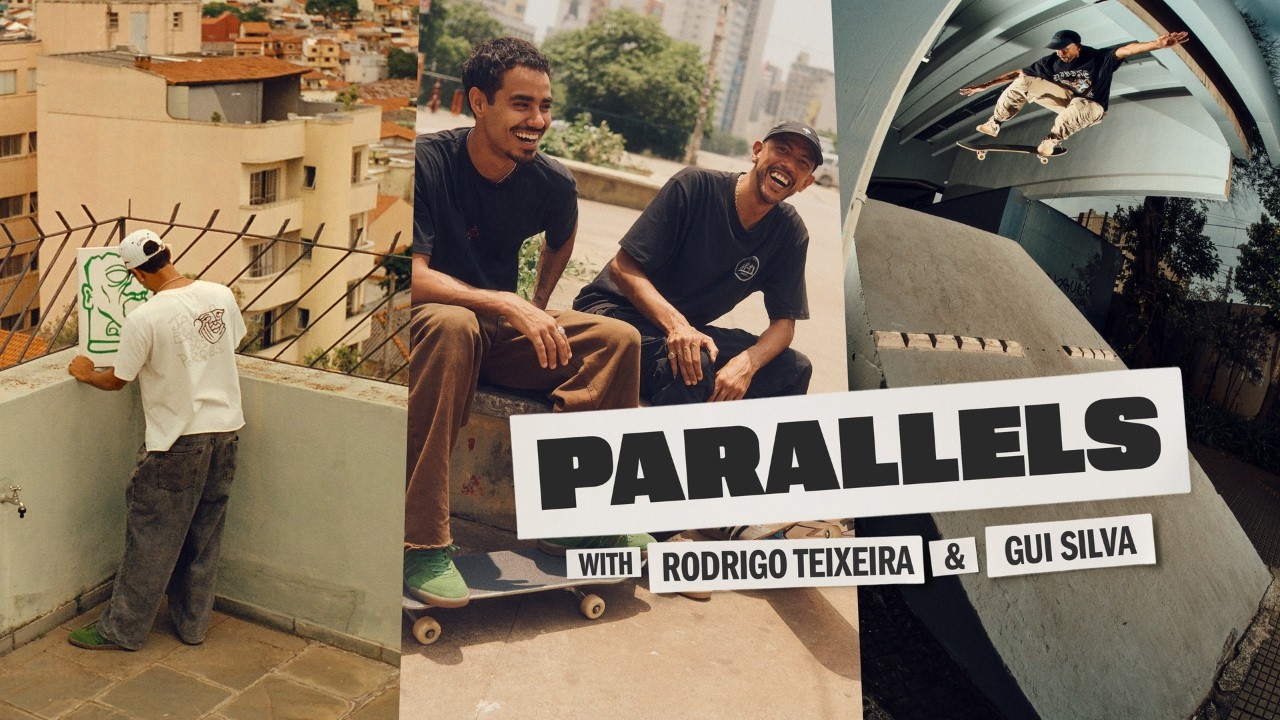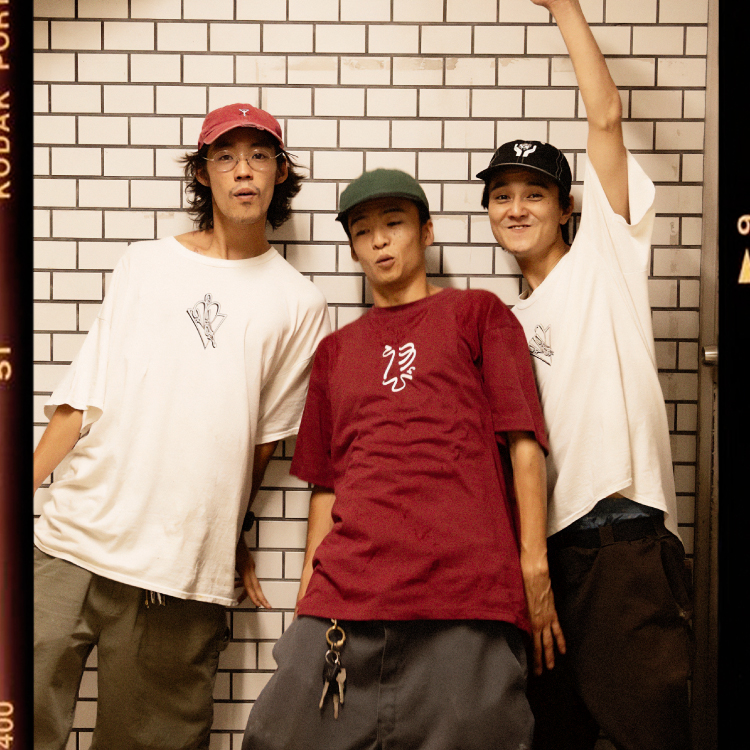

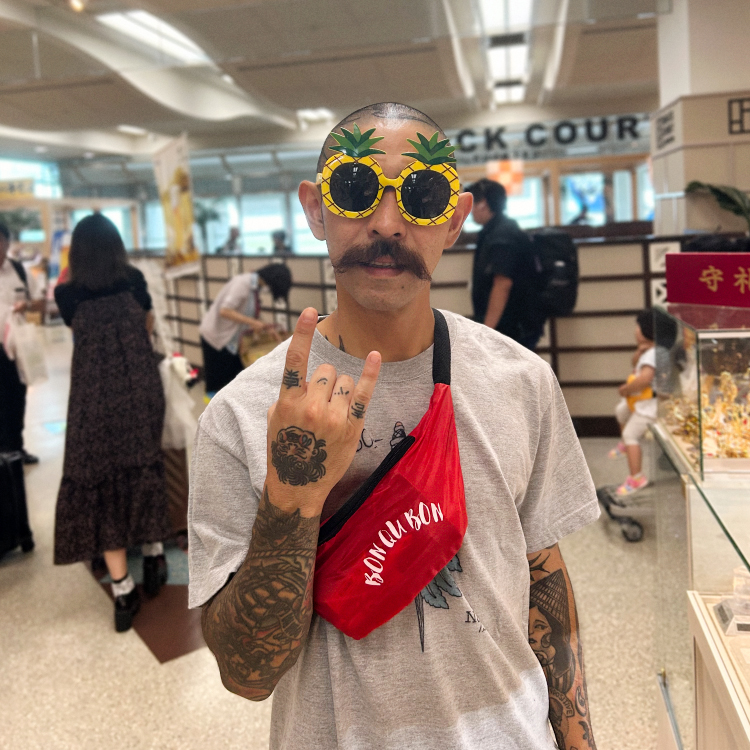
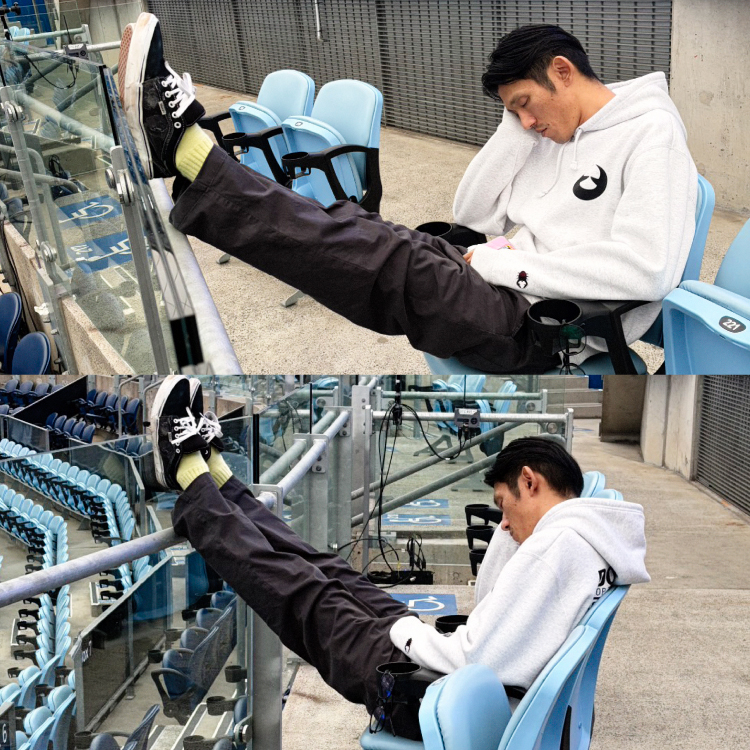
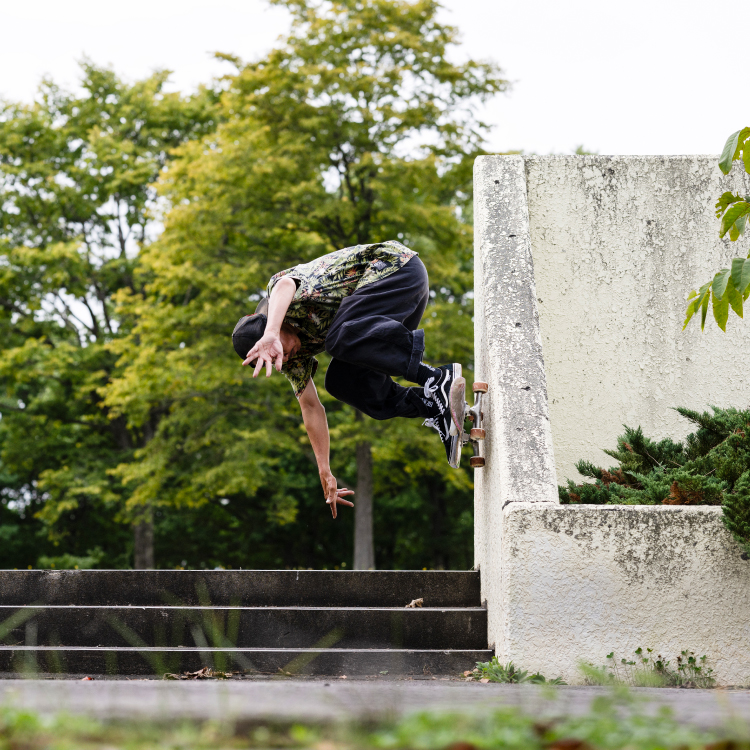
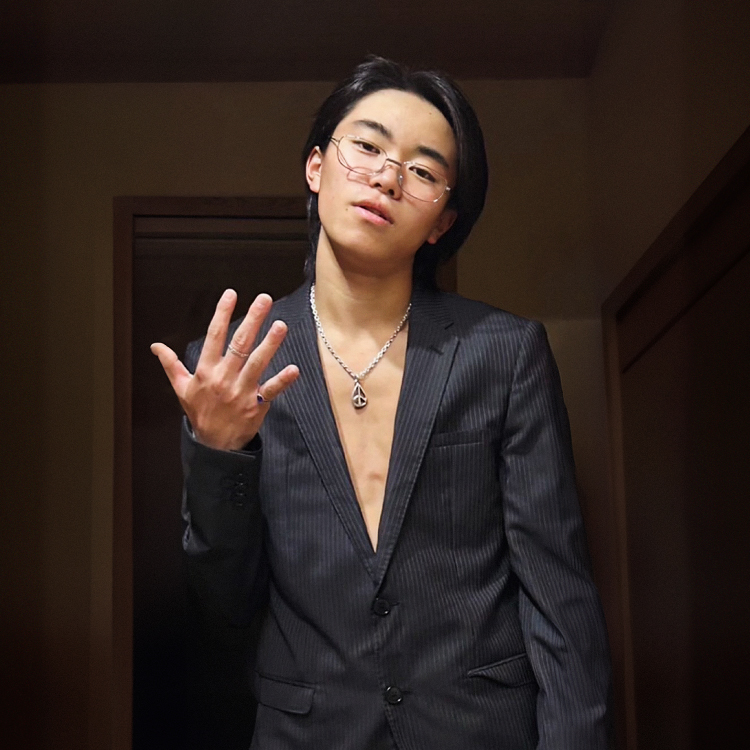


The latest episode of Red Bull’s series Skate Tales spotlights the Japanese Super Rat. Gaston Francisco, the director of the series, discusses the unique qualities that Japan’s skate community presents to the world.
──GASTON FRANCISCO (ENGLISH)
[ JAPANESE / ENGLISH ]
Photos courtesy of Gaston Francisco
Special thanks_Red Bull Skateboarding
VHSMAG (V): What was your first impression of Kento?
Gaston Francisco (G): I’d done a lot of research on Kento beforehand, so I came in with a certain idea of who he was. I have to say, he didn’t disappoint at all. He was everything I expected and even more. My first impression was that he’s a truly honest person—what you see is exactly what you get.
V: Kento has a pretty raw and unpredictable energy. Was it easy to keep up with him, or did you just hit record and hope for the best?
G: To be honest, I was a bit worried about that. I was afraid he might be too unpredictable or too difficult to work with, but thankfully, that wasn’t the case. I think that’s a big reason he’s been able to make it as a pro skater with sponsors and everything. He’s definitely wild and unpredictable, but at the same time, he’s super easy to work with. If he says he’s going to do something, he does it. So yeah, it wasn’t difficult to work with him at all.
V: So everything went just as planned?
G: No, not at all. Whenever we go on Skate Tales missions, we always leave room for improvisation. At the end of the day, Skate Tales lives in the documentary world, and I think documentaries need that freedom to flow. So we definitely kept things open with Kento. Lots of open questions and plenty of space to improvise, and we just went with it. In the end, he was really fun to hang out with, and he took great care of everyone visiting him. He was great.
V: Every shoot has that one “what just happened?” moment. What was it for this episode?
G: I think it was when we went to a rehearsal studio with him, Madars, and Rei Tanaka. Rei’s the drummer for the Japanese Super Rats, Kento’s band. The three of them had never played a song together before, and Madars had no idea what kind of music they even played. But honestly, from the very first song they tried, it was incredible. Kento was bursting with energy from the moment he grabbed the mic until the moment we left. He was on fire. That was definitely our “what the fuck!?” moment, like, where is this energy coming from?
V: Did you have a favorite moment that really captured who Kento is, either on or off the board?
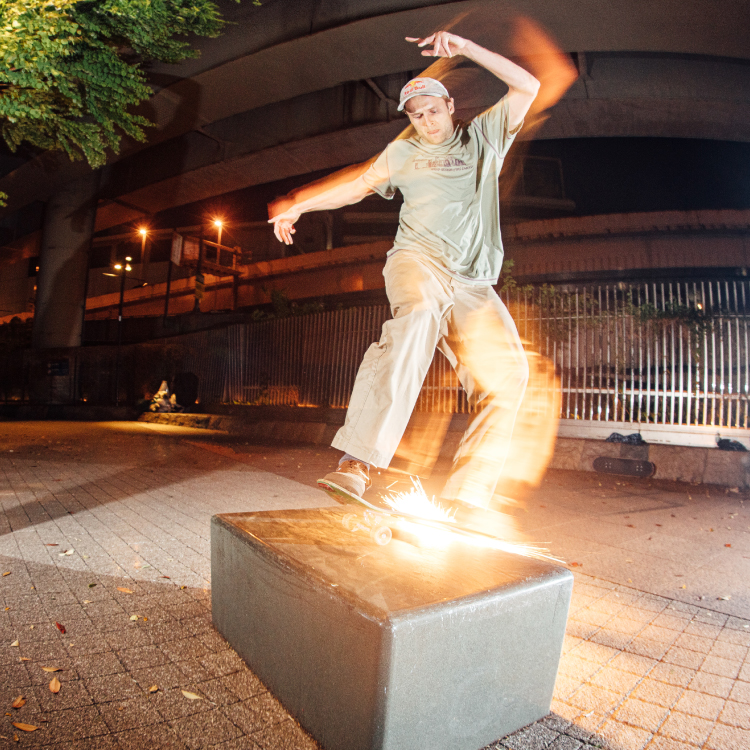
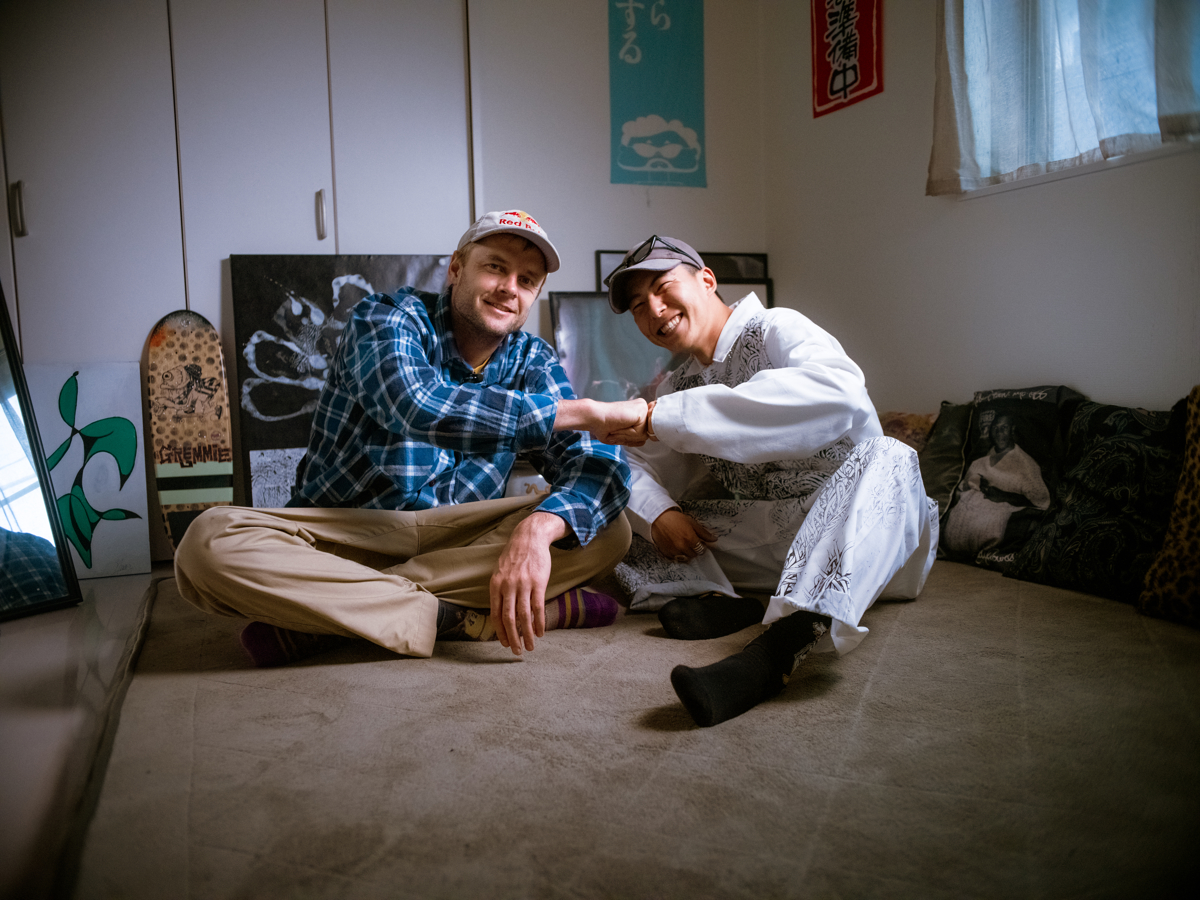
G: I think Kento’s skating does most of the talking, to be honest. Watching him skate felt a lot like watching him perform live with his band. It’s the same kind of energy. Whether it’s music or skateboarding, he’s got this strange, intense, but mostly positive energy that just pours out of him, and he knows how to channel it. Seeing him skate was probably the thing that shocked me the most. Another great moment was going to Zushi, visiting his house, and realizing that this punk, rebellious guy keeps an immaculate home. Super clean, everything in its place. It was a beautiful space, and he was incredibly welcoming. Not what you’d expect from your average skater, especially someone with such a wild image. I think that says a lot about him. He’s this incredible force of creative energy that can feel almost intimidating if you don’t know him, but once you meet him, he’s warm, welcoming, and just great to be around.
V: Obviously this is not your first experience in Japan since you've done episodes with Osaka Daggers and Takahiro Morita, but how was filming in Japan different from other Skate Tales episodes you’ve worked on? Any cultural surprises?
G: Absolutely. Right now, Japan is definitely one of my favorite places in the world. I think for a lot of people, in this globalized world where cities everywhere start to feel more and more alike, Japan still stands apart. It has its own culture, its own food, its own way of doing things, and its own style of skateboarding. One thing we discovered through Morita and the Osaka Daggers is that they developed a completely unique approach to skateboarding, a way of understanding it that’s very much their own. Meeting those guys helped us really understand it. That’s how we like to work. Go straight to the root, meet the legends, learn the history, and then do our own digging. And the Daggers made it very clear that their style didn’t just come from being Japanese. Although, of course, there’s a natural difference in how they do things, but also from a conscious desire to carve out a unique place in skateboarding that was distinctly Japanese. The reality of skateboarding in Japan also played a role. You mostly skate at night here, because in the daytime the spots are amazing but also a huge bust. All of that came together to shape this one-of-a-kind style. After doing the Morita episode and the Osaka Daggers episode, it only made sense to cover Kento. There’s definitely a strong connection between his way of skating and seeing skateboarding, and what those guys built. When we started the episode, I already suspected there was an influence there, but I didn’t know for sure. And when we met him, it turned out to be true. Kento was actually heavily influenced by a skater from the Osaka Daggers. That made a lot of sense. There was also a beautiful moment when we were talking with Shinpei Ueno. He has a style I think is quite similar to Kento’s—though Kento’s younger, so I imagine he influenced him a lot. Shinpei mentioned how Morita had been a huge influence on his skating and on the way he made videos. It was amazing to see that in our third Japanese episode, while filming the new generation, we still found that direct link back to the legends we’d covered in the earlier episodes. For me, it was incredible to see how these pioneers of Japanese street skating have influenced someone like Kento, a new-school skater, who’s still following the trail they blazed.
V: The DNA carries on.
G: Absolutely. And it’s beautiful. It just shows that you guys have such a healthy scene. I’m sure Kento is going to influence the 13- and 14-year-olds who are killing it right now. We might not know much about them yet, but in four or five years, you’re going to see his influence all over them. So, congrats to you guys on the amazing skate scene you’ve got going over there.
V: Thank you. What was the most unexpected or spontaneous thing that happened while filming this episode?
G: Meeting Shake Junzi was completely unexpected. He wasn’t even on our radar. Honestly, I had no idea who he was or that he had any connection to Kento. And then we met him and thought, “Wow, this guy’s skateboarding is incredibly creative.” It became clear that there’s probably some influence from him on Kento as well—not just from Takahiro Morita or the Osaka Daggers, but also from Junzi. And it wasn’t just his skating. The way he dressed, the way he carried himself, there was something there too. He took us to this great little izakaya in Shibuya where he knew the people, and we had the best dinner. Some highballs, good conversation, and then skated downhill into Shibuya at night. It just felt real, you know? Like one of those pure skateboarding moments. Meeting Junzi and seeing what he showed us was a totally unexpected highlight.
V: So you got to hang out and have fun with the locals.
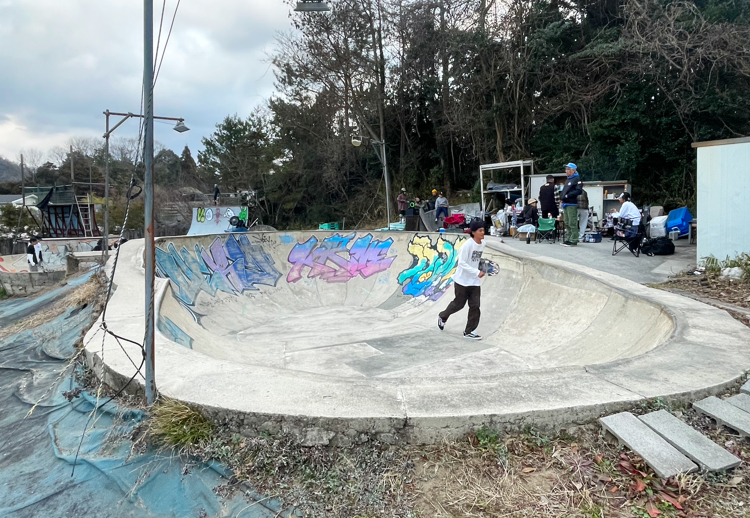
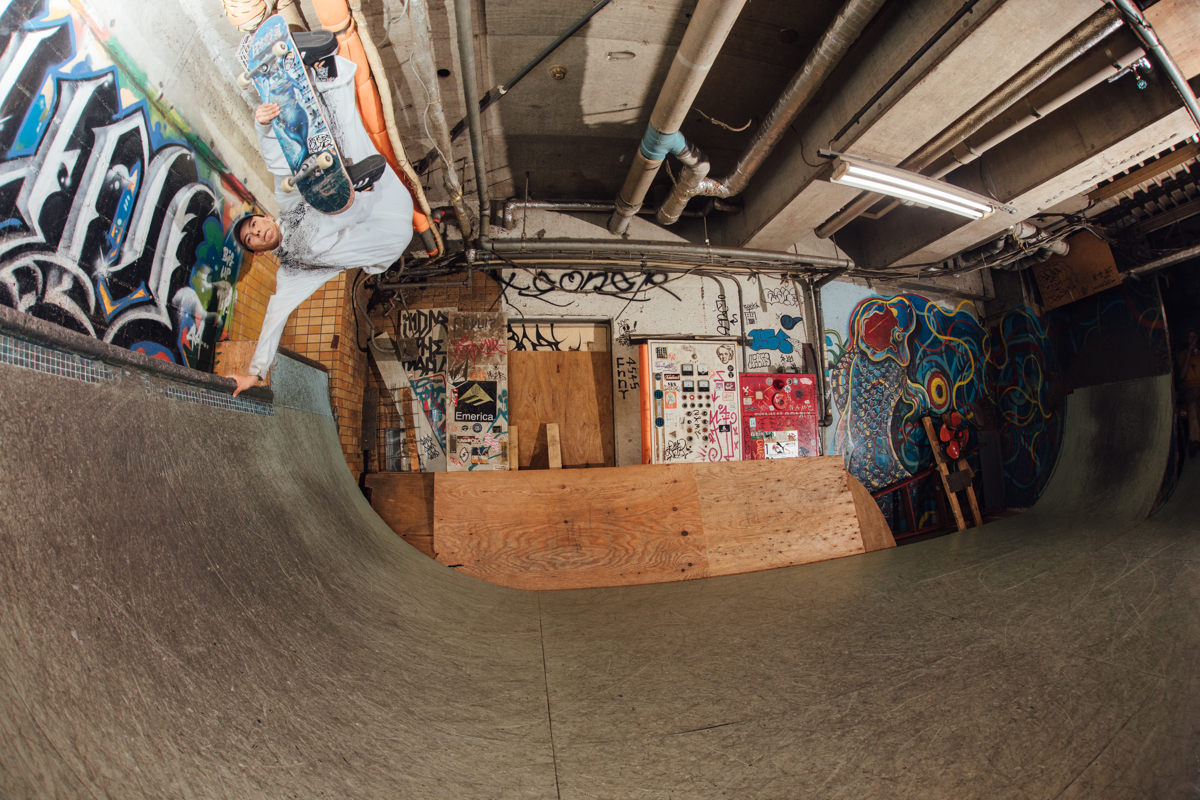
G: Absolutely. Wherever we went, we had a great time. Just to add one more little story. One day it was raining in Zushi, so we headed to Yokohama and ended up at this underground mini ramp and small skatepark called Blaze Pipe. It was such a great vibe. We met an old-school crew of older skaters who were super welcoming, and they were stoked to see Kento skating. Honestly, everywhere we went, people were so warm and open to us. We really couldn’t have asked for a better experience with the local skaters in Japan.
V: As a director, how do you shape a story when the subject is someone as spontaneous and free-spirited as Kento?
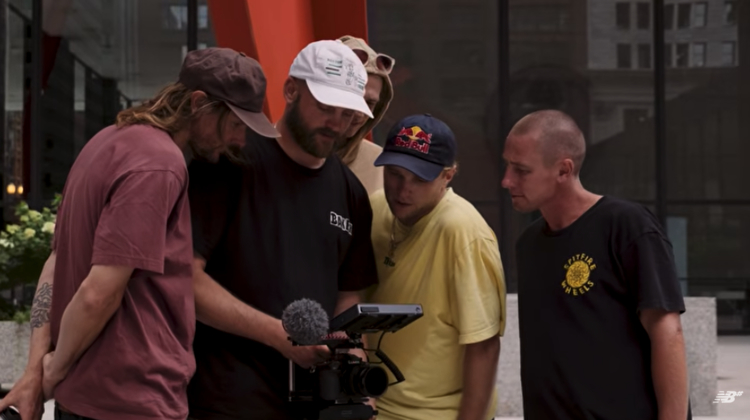
G: There’s always a plan, but Skate Tales is much bigger than what you see on camera. On camera, it’s just Madars and the guest, but on the ground there is a crew of about 15, people from Stoneface and Red Bull. What that means is that before we go to Kento’s, we have a small development team, which I’m part of, where we sit down, do our research, and figure out what would be the most interesting things for the shoot. We go into the trip with a rough schedule for the four or five days we’ll be filming. I talk with the guest beforehand, in this case Kento, to find out what he enjoys and what might happen during those days. Using that info, we prepare a plan for the shoot. Of course, the schedule always has big gaps in it, because we leave plenty of room for improvisation. That’s mandatory. Without it, it wouldn’t be a documentary, it would just feel like acting. With the help of our big crew and all the research we do on our characters, that’s how we make it work.
V: How do you keep the skating feeling raw and real, while still making the episode look clean and cinematic?
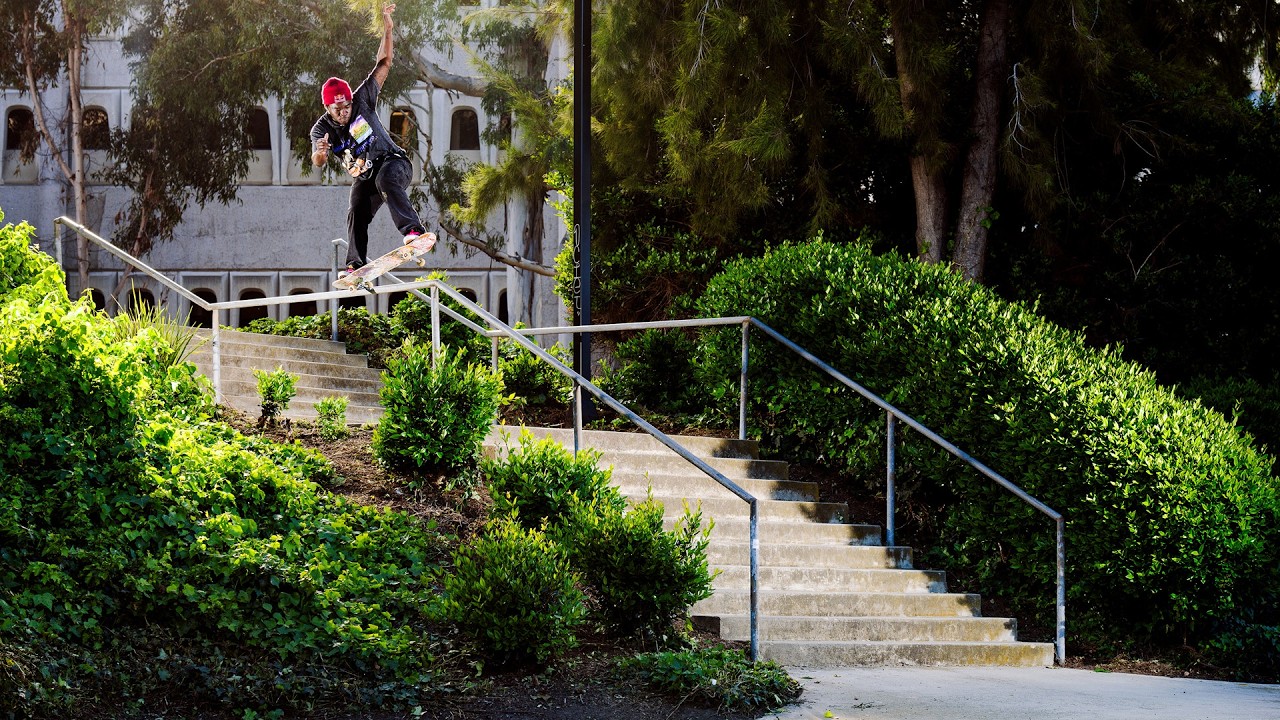
G: I’ll tell you, that’s 100% Madars’ responsibility. That’s his magic. He brings this incredible creative touch to everything, and he can skate in a way that very few skaters in the world can. That’s why, when I first thought about Skate Tales, he was the first person who came to mind. Madars can skate with anyone. Vert skaters, freestyle skaters, downhill skaters... you name it. Most skaters have their own style and stick to it, but Madars has always been creative, and now he’s at a point where he can go beyond boundaries, adapt to whatever style we encounter on a shoot, and learn from it. That’s one of the things that keeps Skate Tales so fresh. He also goes the extra mile on every shoot. Some people might give up after a few tries, but Madars will keep going until he lands it, even on gnarly tricks. We were just in Brazil for Tiago Lemos, and he landed two NBDs there... at the most famous plaza in São Paulo. That’s the kind of energy and dedication he puts into the show. It’s all his magic.
V: Kento’s got a mix of skating, fashion, street energy, and his own vibe going on. How did you try to show all those sides of him in the episode?
G: Of course there are things that got left out. I always wish the episodes could be longer. I’d honestly like to do hour-long episodes or even full documentaries on these guys because they’re so interesting to me. I’m genuinely fascinated by their lives, so the episodes always feel too short. For example, we didn’t get to dive deeply into Kento’s hard work with his hardware brand—we only mentioned it briefly. Same with his jewelry company—we touched on it, but not as much as I would have liked. So yes, some things get left out, even though we’re able to fit most of it in. A huge part of the magic also comes from our editors. We work with amazing editors, the best I’ve found, who are also skateboarders themselves. That’s kind of mandatory, which makes the pool of editors pretty small. But thankfully, we’ve managed to source some of the best out there, and I hope we can keep going in that direction. And the editor of this season is James Cheetham.
V: From your perspective, what makes Kento’s story stand out from others in the series?
G: Kento’s episode really captures the DNA of Skate Tales. Honestly, Kento is Skate Tales. Where else can you find a Japanese skater with such a unique style? Most of the tricks he does don’t even have names. Watch him in a session, and you’ll see ten tricks you’ve never seen before. On top of that, he’s in a punk band. Even though he says he doesn’t really sing, he just expresses himself. And he’s smart enough to manage a professional skateboarding career, which takes thought and strategy. He’s got all these elements in one person, and he’s not even 30. He’s in his early 20s and he’s already starting his own brands. Where do you find people like that? Skateboarding. That’s what skateboarding teaches you from a young age. Creativity and problem-solving. Can’t skate here? Get kicked out? Figure it out. Go at night, come early in the morning, or wait for the right moment. The streets train you to solve problems. Some skaters just have extra layers to their personality and skills, and that’s definitely the case with Kento. I’m really happy with this episode.
V: Skate Tales is more than just skating. It’s about people, scenes, and stories. How do you keep that human element front and center in every episode?
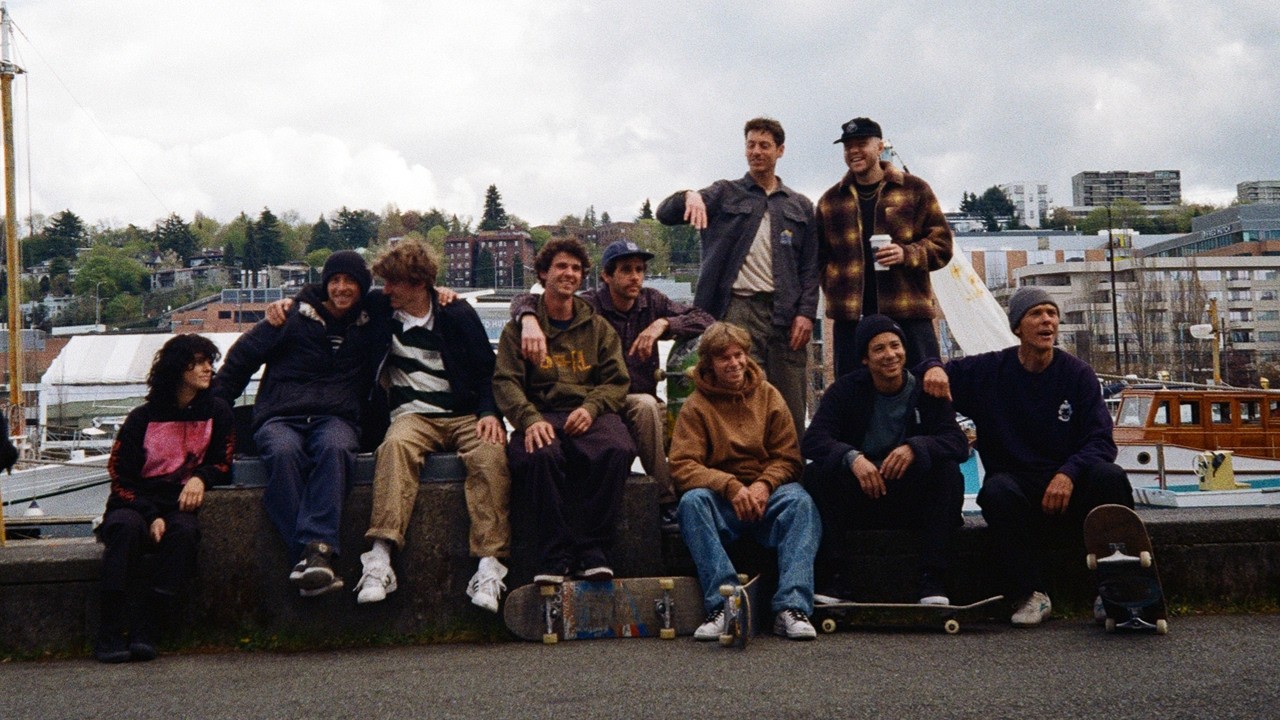
G: One of the things we do really well is the traveling crew we have. Madars, myself, Daniel Milaan on camera, Jack Thompson on another camera, and Oliver Martin, our producer. We’re all skateboarders, or come from skateboarding, or are active in that world, and we all come from different countries with different interests. From music to art and more. But skateboarding unites us. I think that makes us a very approachable crew when we meet other people, because we’re genuinely interested in what they do. We try to create an atmosphere of comfort and freedom, so the guest feels like they can just be themselves. Another thing we do is talk to the guests beforehand. Not all of them have even seen Skate Tales before filming, so we make sure they know we’re genuinely interested in showing and learning about whatever they do outside of skateboarding, and that ideally, we’d like to film it. That helps a lot, because these are things they love to do. They naturally want to present it in the best light. Whether it’s singing, painting, flying kites, or anything else, they go out of their way to share it with us. And we stay open-minded about it, which is key.
V: Do you think this episode contributes to changing how people around the world perceive skateboarding in Japan?
G: I really hope so. I feel like Kento’s episode is almost like the closing of a perfect circle. I can’t stop talking about Morita and Chopper. I still see them to this day, and they’re basically some of the founding fathers of Japanese street skateboarding. And now Kento feels like the perfect result, or the perfect merger, of those two scenes. It just makes so much sense. That’s why we wanted to show this episode. We covered the roots in the earlier seasons, and now we wanted to show what’s happening on the ground right now. This is unique, interesting, and shows that Japanese skateboarding is about way more than contests and the Olympics. Hopefully, this episode stands as a testament to that.
V: What’s something you learned from this shoot that you’ll carry into your next project?
G: I mean, I kind of already knew it, but having a great translator makes a huge difference. In this case, we had Michael Cheah, himself a ripper, a great skater, and fluent in both Spanish and Japanese, which made a massive difference. I’ve definitely learned that for every episode we do in a language we don’t speak, we need a translator but not just any translator. We need a skater-translator with us.
V: If you could follow Kento again on another Skate Tales, what would you want to do?
G: Honestly, the only thing I feel we missed was a bit more of Zushi. We were unlucky with the weather. It rained heavily so we couldn’t really see the area. We were really curious about it because our good friend Laurence Keefe, who was a big part of making this episode happen, lives there and spoke so highly of it. We thought, “Wow, this place must be amazing.” There's a film festival going on, and they have an incredible mini ramp at the beach. We were all set for a beautiful day, but the rain just ruined it. If I could do it again, I’d make sure to plan the Zushi day around the film festival and the mini ramp.
V: Who’s still on your dream list to feature in Skate Tales?
G: There are so many, honestly, but one that immediately comes to mind is Chad Muska. I’d really love to do an episode with him. We’ve actually been talking to him for a while, but he got injured and hasn’t been skating for some time. We had to wait for him to get back on the board, because we can’t do an episode without skateboarding. Now that he’s recovered, he’s started his own brand. He’s a one-man army, doing everything himself. Since it’s just starting out, it wasn’t the best timing for this season with everything he had going on. But I really hope we can feature him next season or another season. Chad would be amazing. I feel like there’s so much we could talk about with him and so many pearls of wisdom he could share.
V: What do you want the viewers to take away from this episode?
G: You know, sometimes people ask, “What is skateboarding? Is it an art form, a sport, or a way of life?” For us, and for Skate Tales, skateboarding is definitely not a sport. It’s a way of life. And living that way has all kinds of consequences. Being in a band, being an artist, or whatever else a skateboarder chooses to do. Skateboarding exists on the edge of society in a way, and because it’s hard for most people to fully understand, it gives the people who practice it a different perspective on life. That creates really interesting humans. I want people to see that Skate Tales is a skateboarding show, but like the skateboarders themselves, there’s more depth than what you see on the surface. We’re not just skateboarders. We’re skateboarders plus all these other things. Skate Tales shows skateboarding, but also everything that comes with it. Another big part of the show is giving space to skaters who aren’t Olympic winners or Thrasher cover guys. The mavericks, the outsiders, the ones who do things a little differently. Hopefully our viewers see that there isn’t just one way to skateboard or one way to live life. There are countless ways. And when people see someone doing it their own way, maybe it will inspire them to explore their own skateboarding and their own life, and to try things in new ways.
Gaston Francisco
@gastonfrancisco
Born in 1978 in Buenos Aires, Argentina. He founded FLOW, Central America’s first skate magazine, and is now based in Barcelona, working as the director of Red Bull’s Skate Tales series.