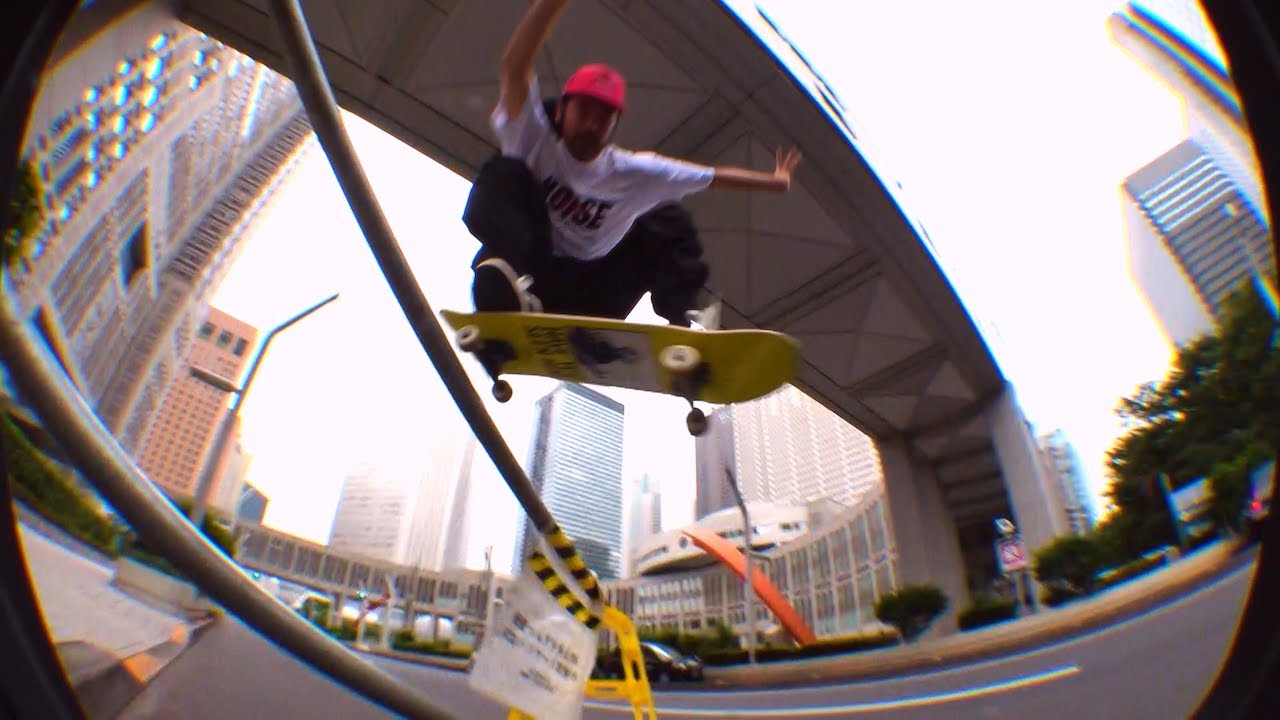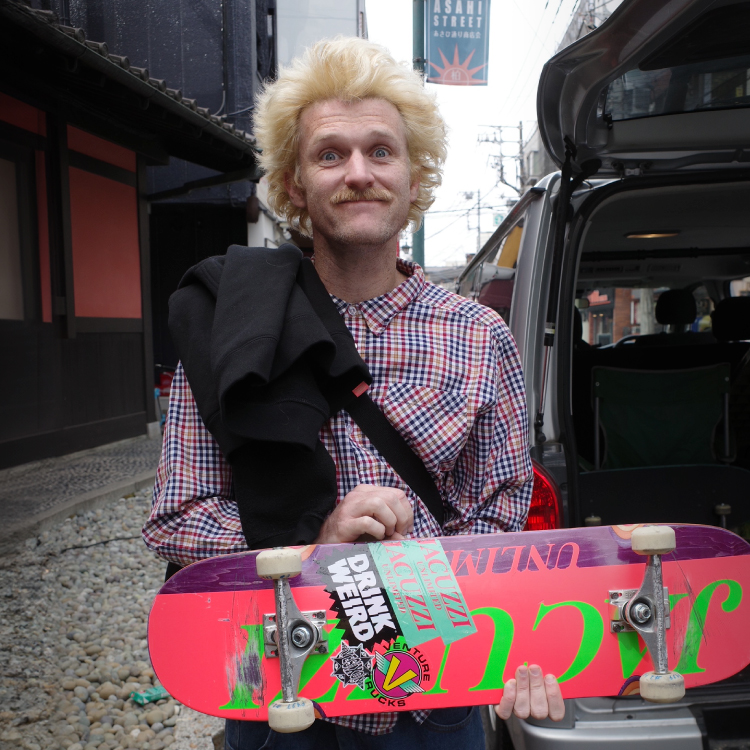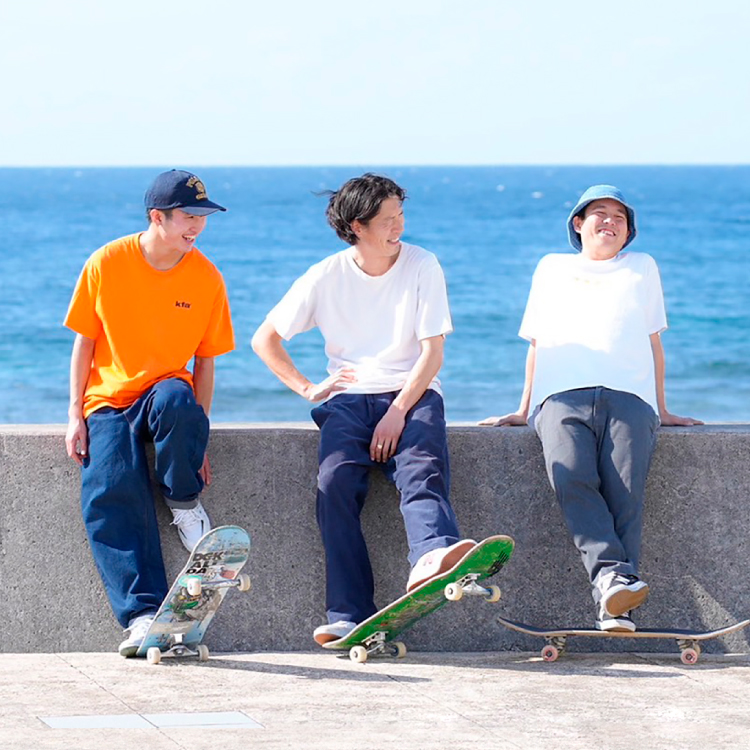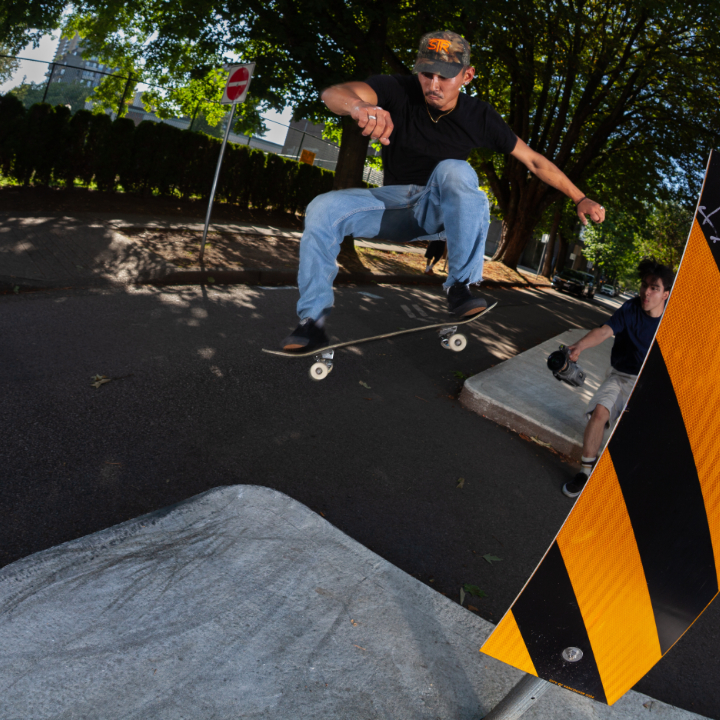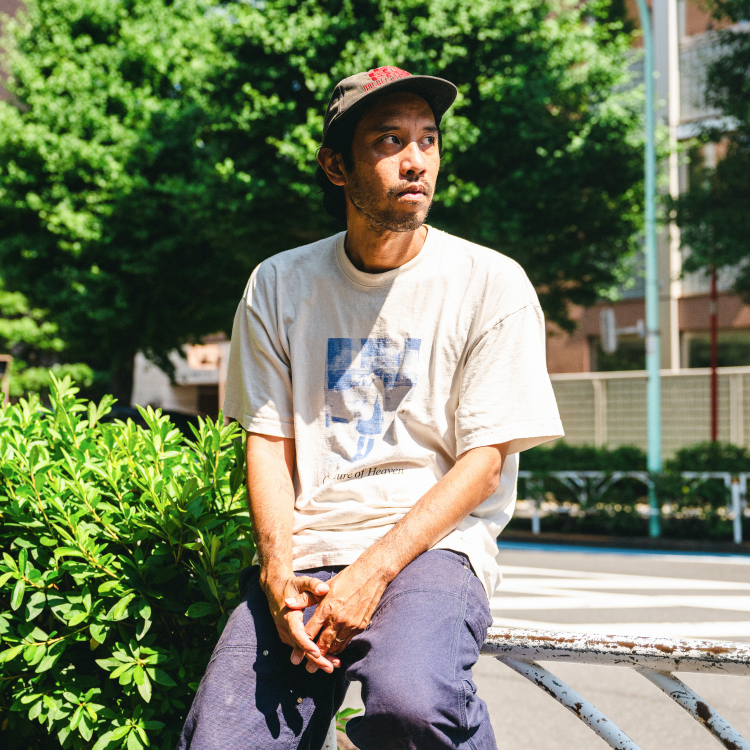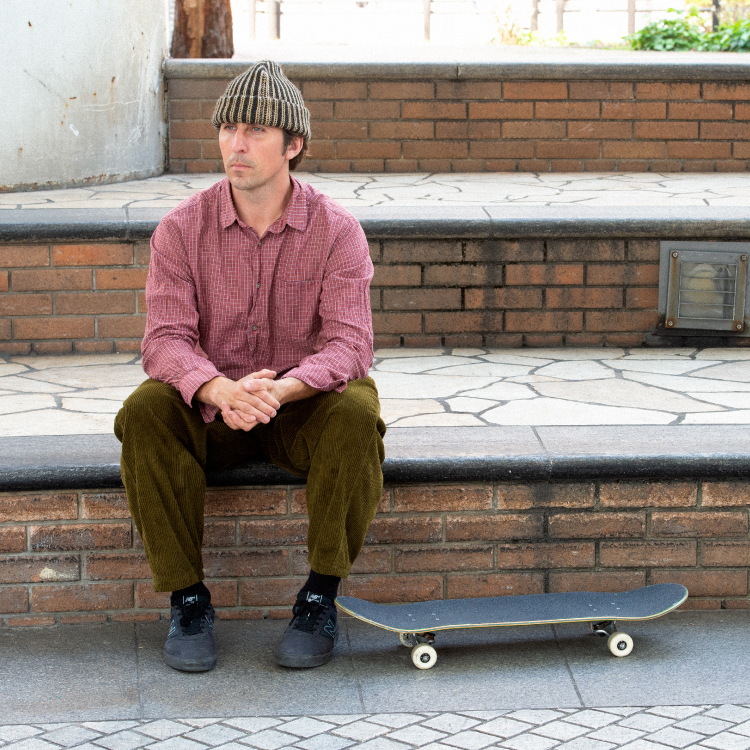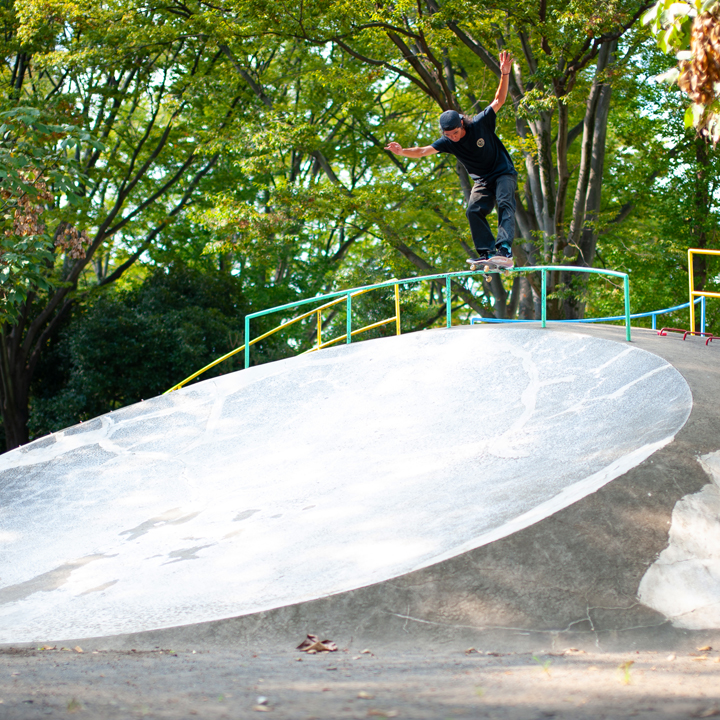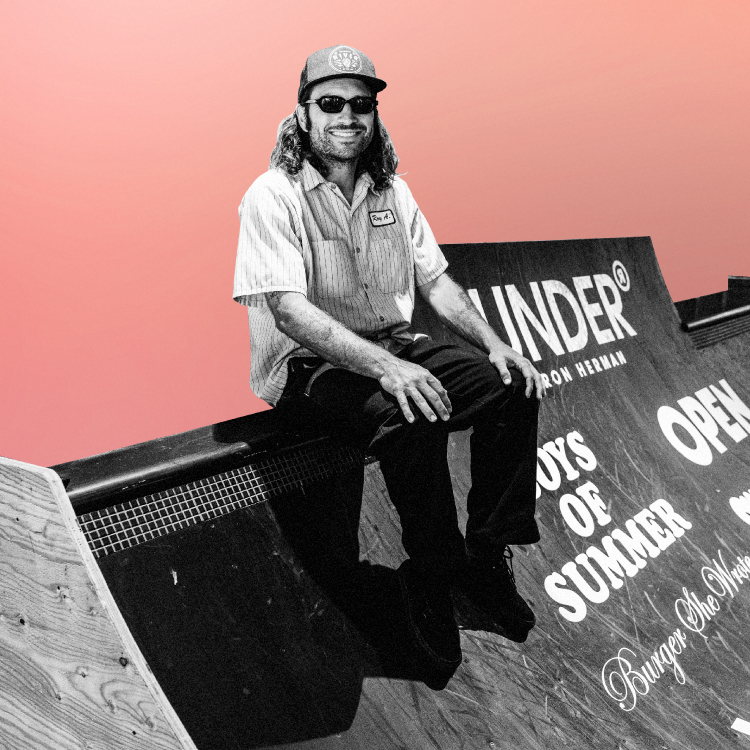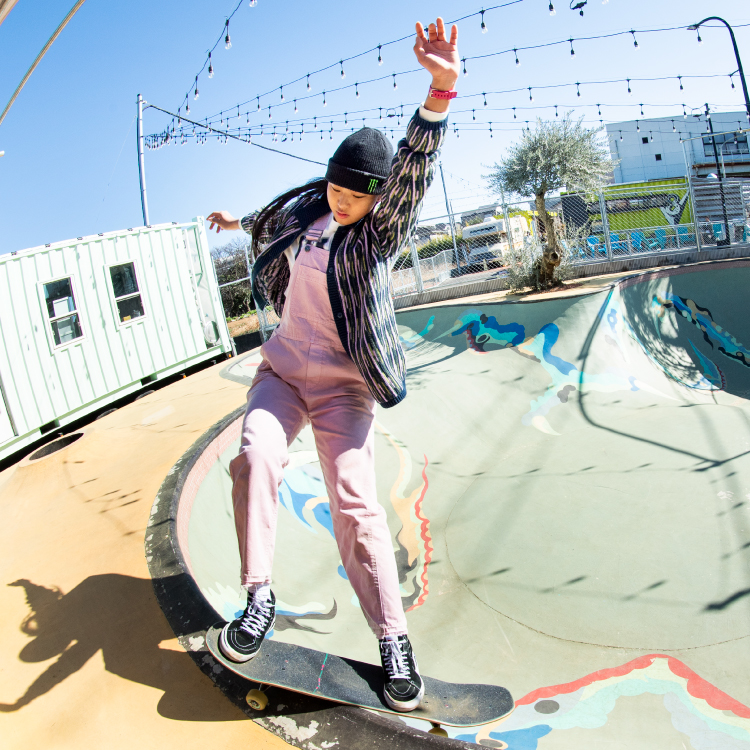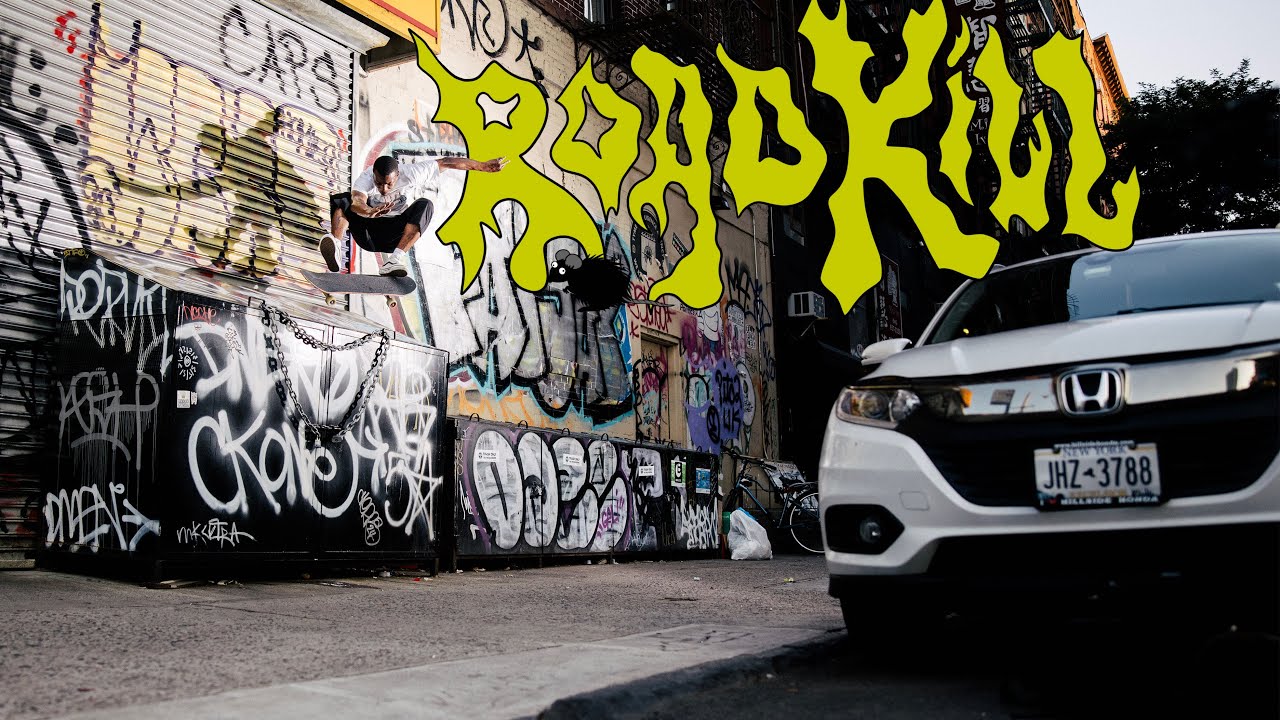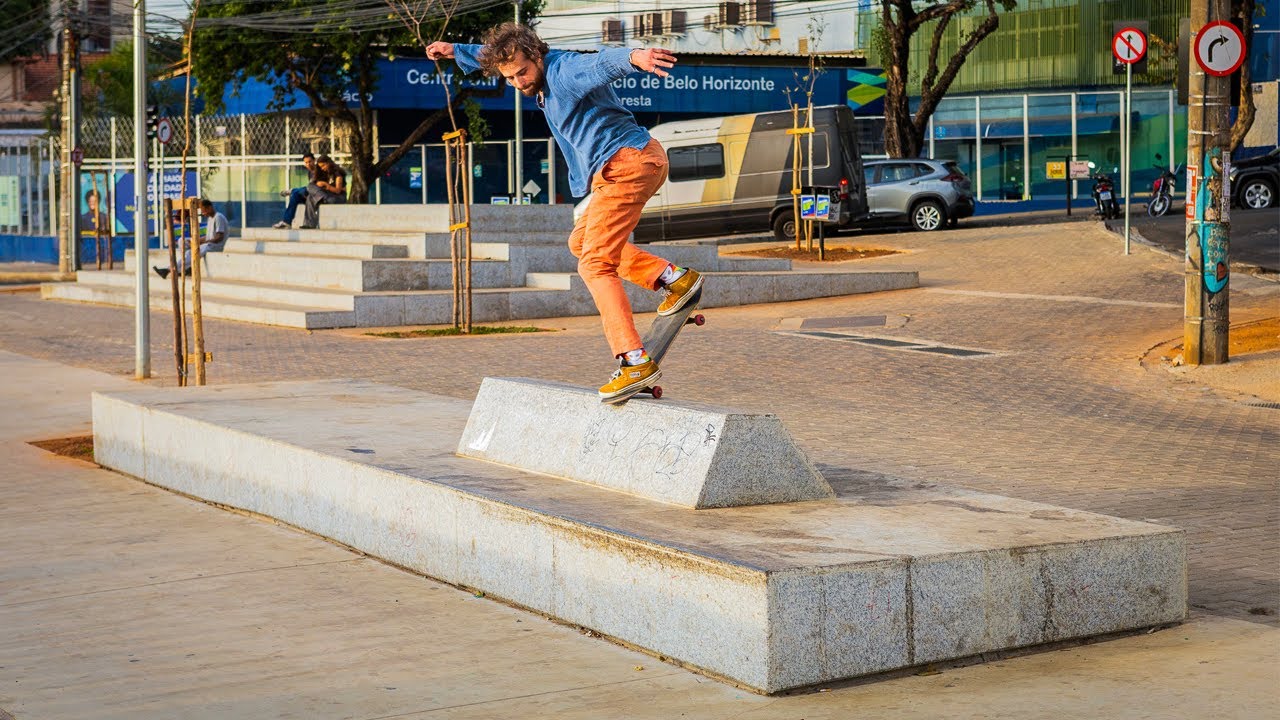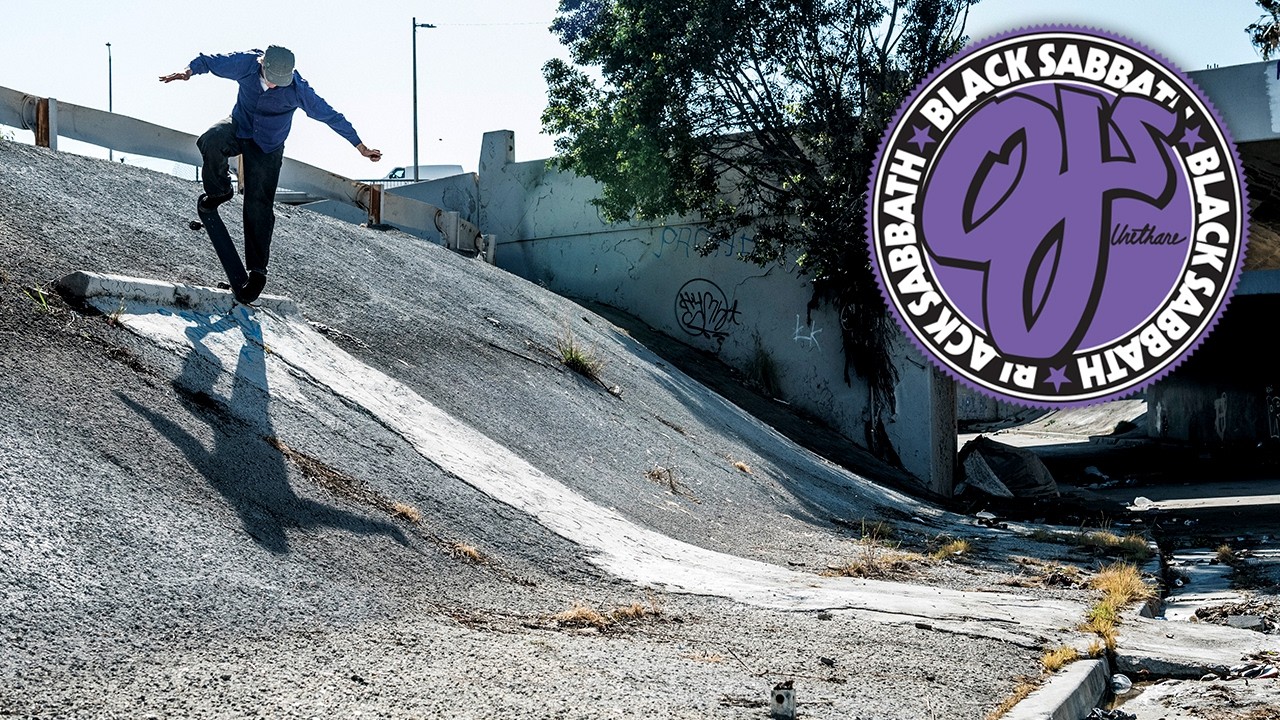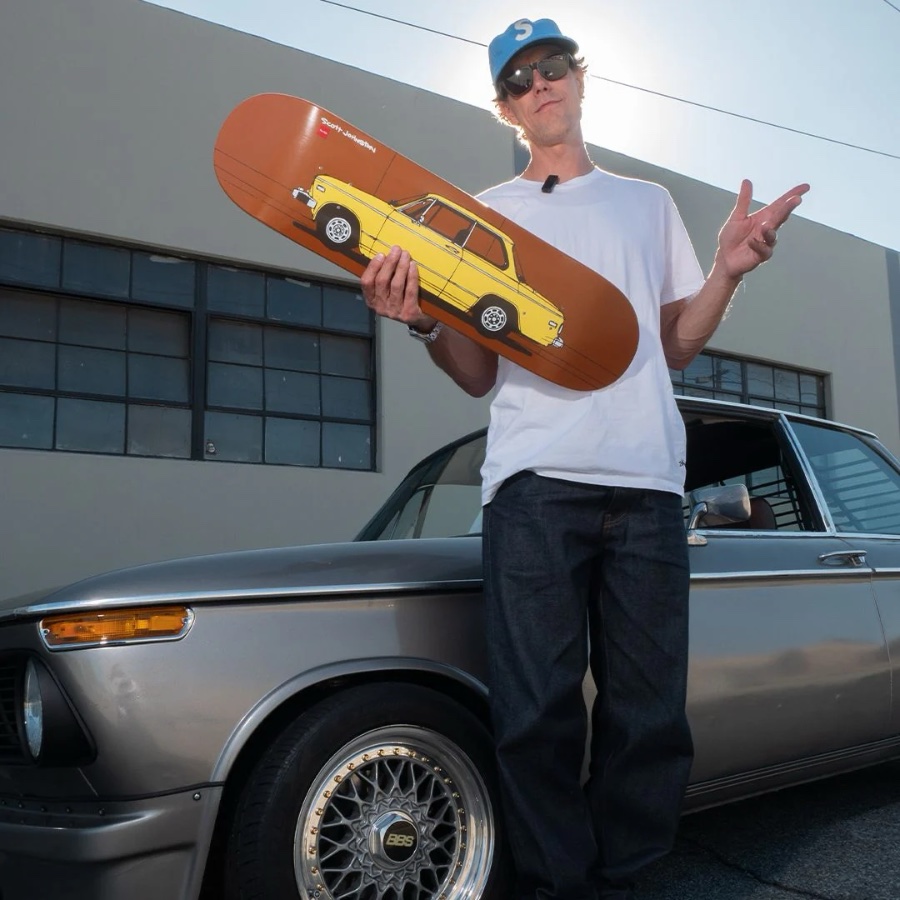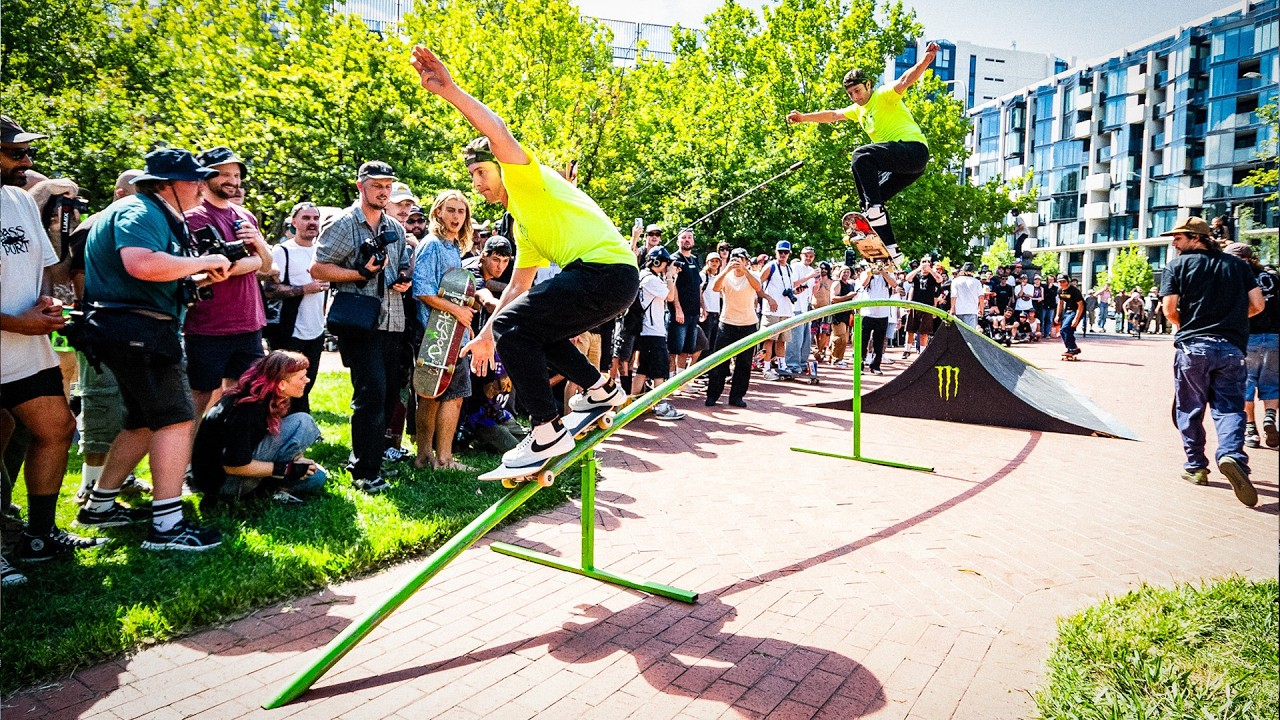
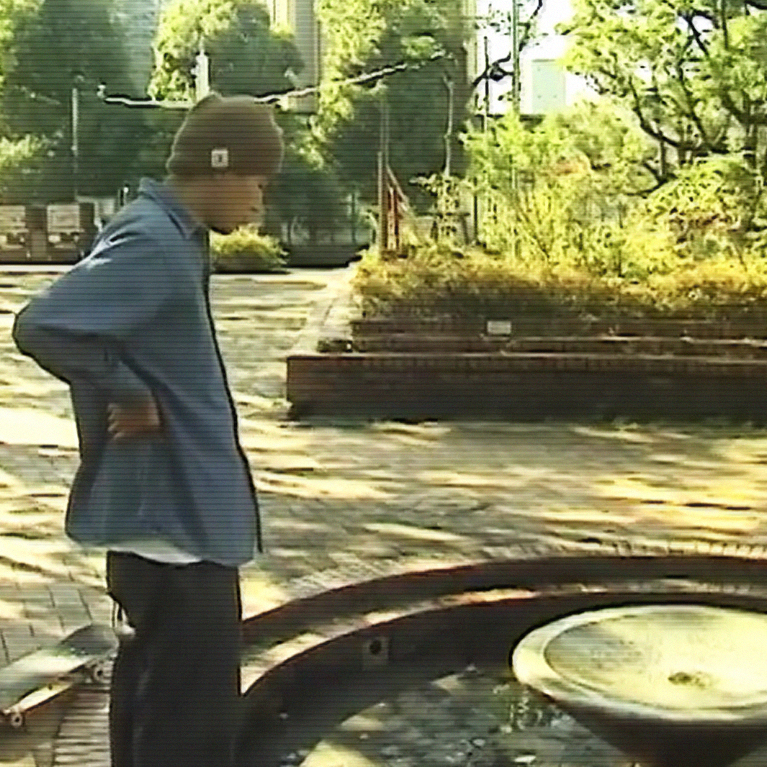


The third collaboration between CHALLENGER and New Balance Numeric takes place on the 440. At the milestone age of 50, Satoru Taguchi revisits his roots while also completing a new video part titled NOISE. We take a closer look at his uncompromising approach to design and skateboarding.
──SATORU TAGUCHI (ENGLISH)
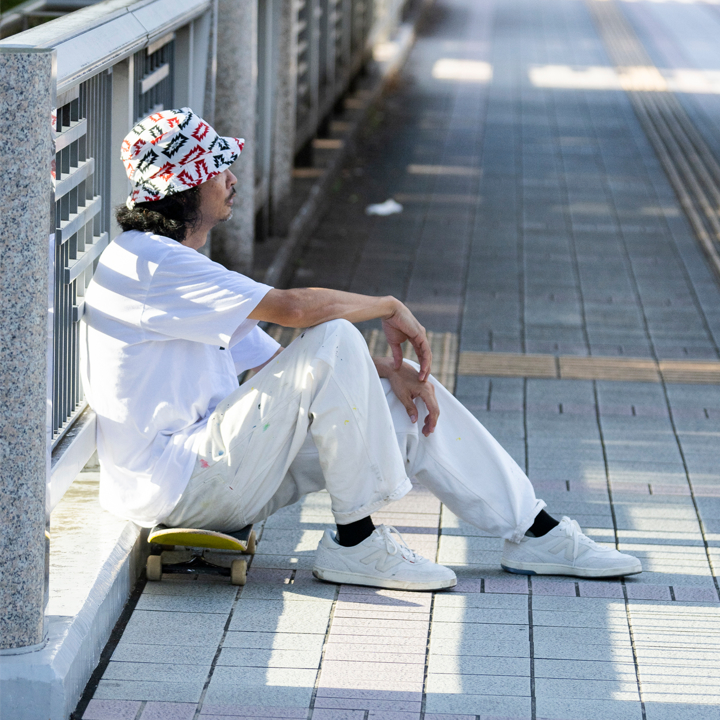
[ JAPANESE / ENGLISH ]
Photos courtesy of New Balance Numeric
Special thanks_New Balance Numeric, CHALLENGER
VHSMAG (V): This is the third collaboration between CHALLENGER and New Balance Numeric. Compared to the previous two, what did you want to express with this 440 model?
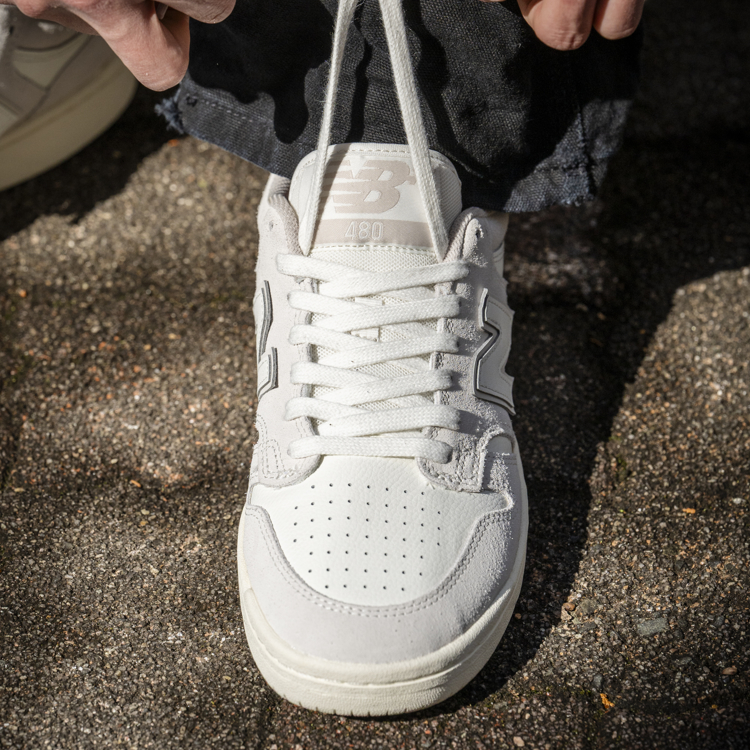
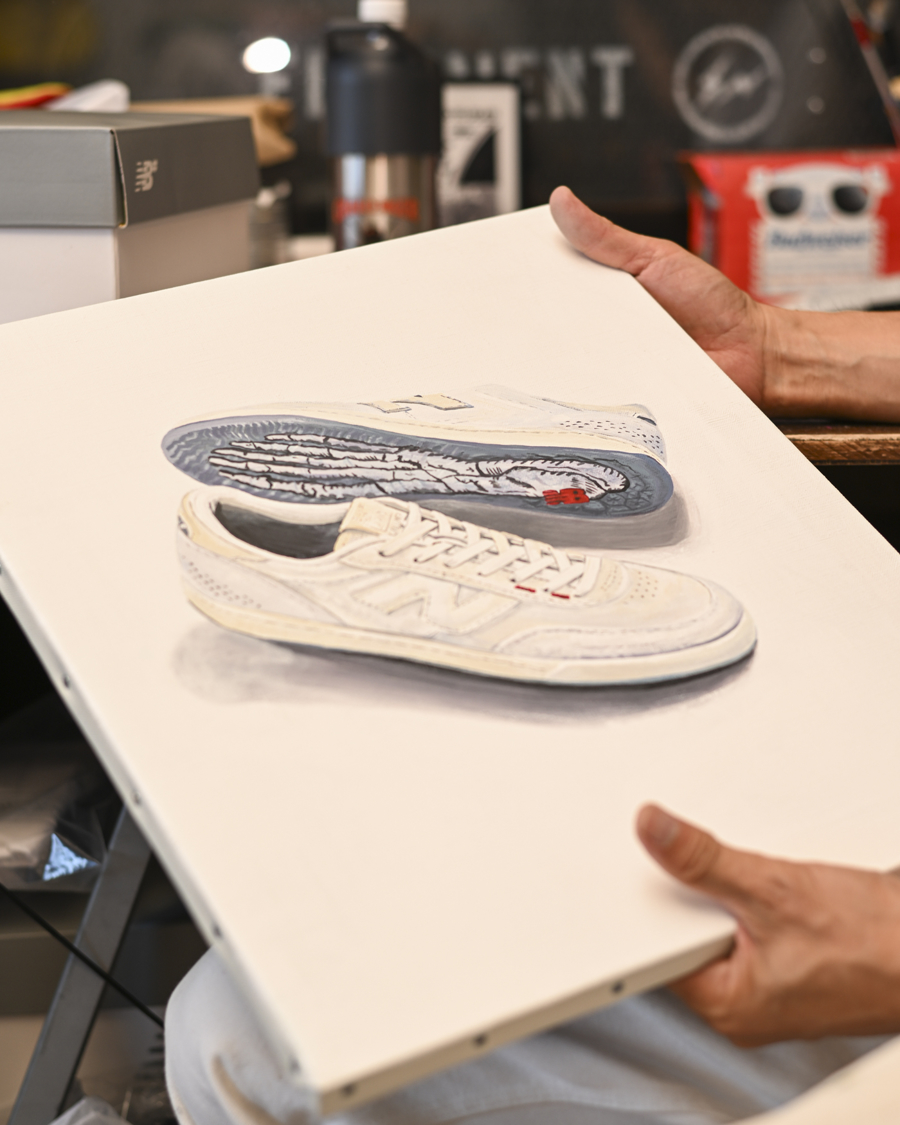
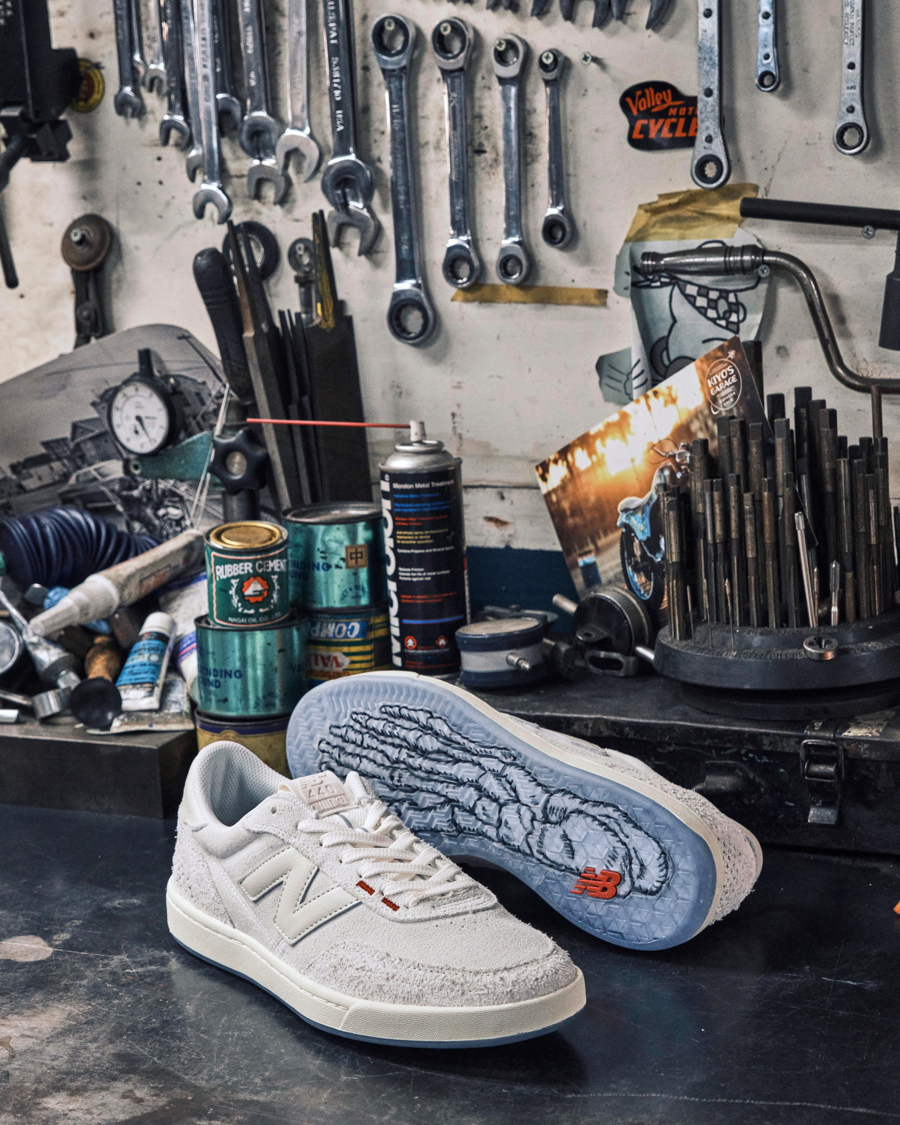
Satoru Taguchi (T): I naturally chose the 440 because it’s the one I usually wear and feel most comfortable skating in. It was also good timing because it was updated to V2. The first color was black, the second was gray, so I thought it would be interesting to make a gradient effect this time with white. I requested to make the entire upper suede rather than mixing leather and mesh, which can look more high-tech, because I wanted a classic skate shoe vibe. Initially, they pointed out that changing all the mesh could reduce breathability, but by using a coarse sports mesh on the tongue, they solved that. It doesn’t feel stuffy at all. When I actually skate, the upper grips really well—it feels amazing.
V: Like the first collaboration with New Balance Numeric, you incorporated a skeleton foot design on the outsole, right?
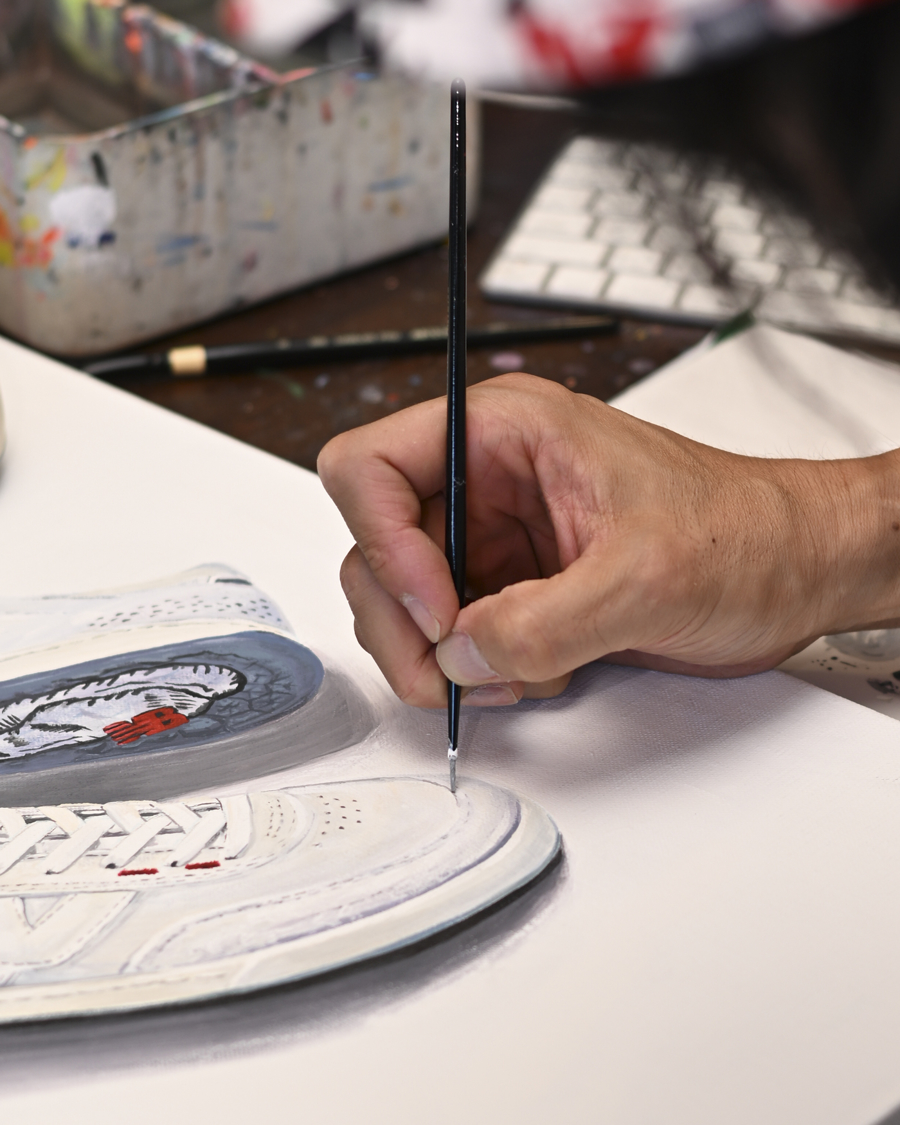
T: The design was simple, so we wanted to add some accent. Since the 440 could use a clear sole, we included the skeleton foot. But this time, because the cupsole shape is completely different from the previous one, the old design would have been too small, so I had to redraw it to fit the shape.
V: You also included collage artwork on the insoles and inside the shoebox. What inspired that design?
T: There was a sticker-tune design I created for CHALLENGER’s 14th anniversary, imagining stickers being added freely, in true skater spirit. For this collaboration, I added new drawings of local motifs I had made for a solo exhibition in my hometown, as well as sticker-style illustrations inspired by Long Beach, where New Balance Numeric’s office is. That became the insole design.
V: As a designer, when approaching “skate shoes” as a canvas, how does it feel different from apparel or graphics?
T: It’s closer to making clothing. I imagined “wearability” in three dimensions rather than just focusing on graphics. I always wear 440s when traveling—they feel the least tiring. Since getting support from New Balance Numeric, I haven’t had any foot injuries either. The cushioning is really good.
V: What would you say is the personal highlight of this collaboration?
T: When we went to LA for a CHALLENGER shoot, I visited the Long Beach office for the first time and met designer Jeff Mikut in person. Getting advice directly and working together gave me a real sense of making something collaboratively. That made this pair especially meaningful to me. But it seems they sold out online immediately, and I got messages from people saying, “I couldn’t get it” or “Please make more.” If we have another collaboration, it’d be nice to increase the quantity a bit.
V: Let’s talk about your “NOISE” part. Was this made to mark the milestone of turning 50?
T: Yes, it’s a milestone. I wanted to create something at 50. It’s not exactly “returning to my roots,” but I wanted to express skateboarding in a way that felt fun to me.
V: What meaning did you put into the title “NOISE”?
T: When I first collaborated with Keith Hufnagel, I asked him why he would work with such a small company like ours. He said, “We’re not after sales. We just want to make noise.” That phrase stayed with me. “Noise” can sound negative, but skateboarding can also be noise to some people, and at the same time, it means standing out. That’s why I thought it was a good title.
V: When did you start filming this part?
T: Late October 2023. I wanted all the clips in the morning, so everything was shot early.
V: I heard it was tough filming during this scorching summer.
T: Once I saw the goal coming into view, I started feeling pressured. Around June, I really got into it and started shooting seriously. It was insanely hot… that was the hardest part.
V: Any particular clip or trick that stands out?
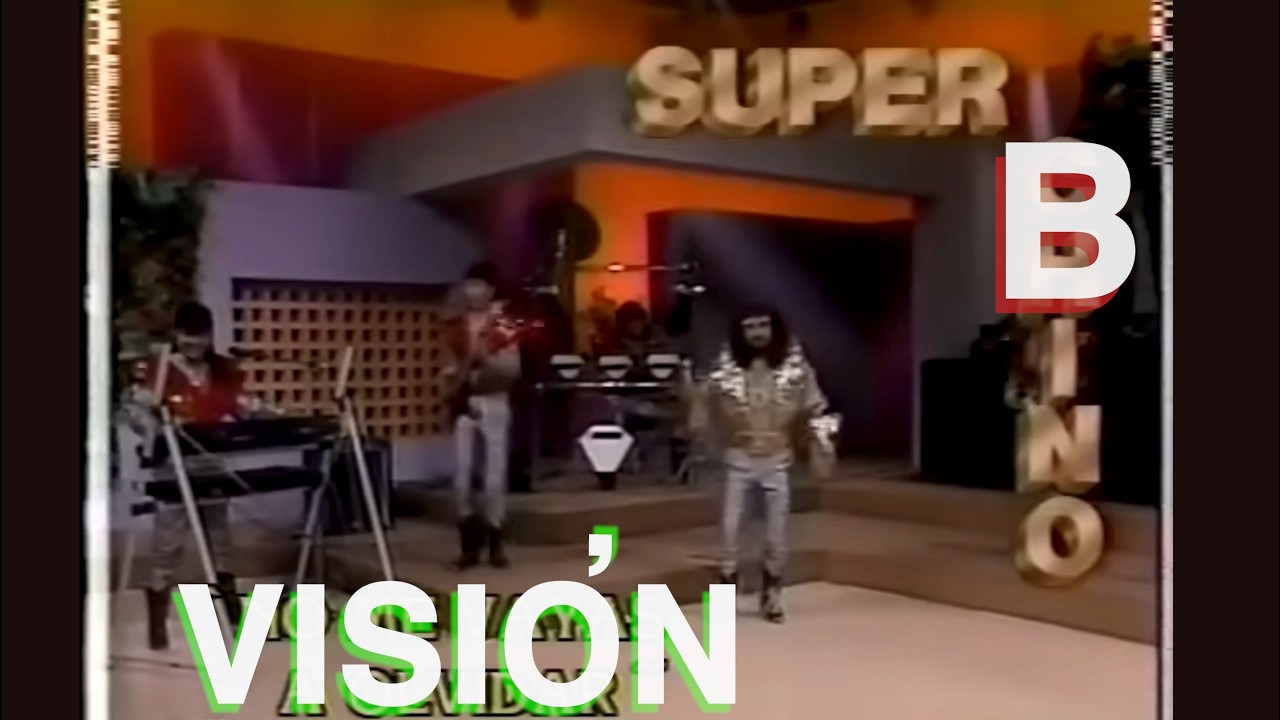
T: The intro features a surprise appearance by Takahiro Morita. We went to the same vocational school, and the first video that I was in was FESN. So I wanted him in this part. When I talkted with Kujirai, who handled editing, he suggested, “Have Morita film the first trick, have him say something, and create a ‘push harder’ vibe in the intro.” So I went to meet him at Kyugokan, and he agreed. I think old-school skaters will feel nostalgic.
V: So your first video was FESN. Is that the one where you rolled your ankle in the intro?
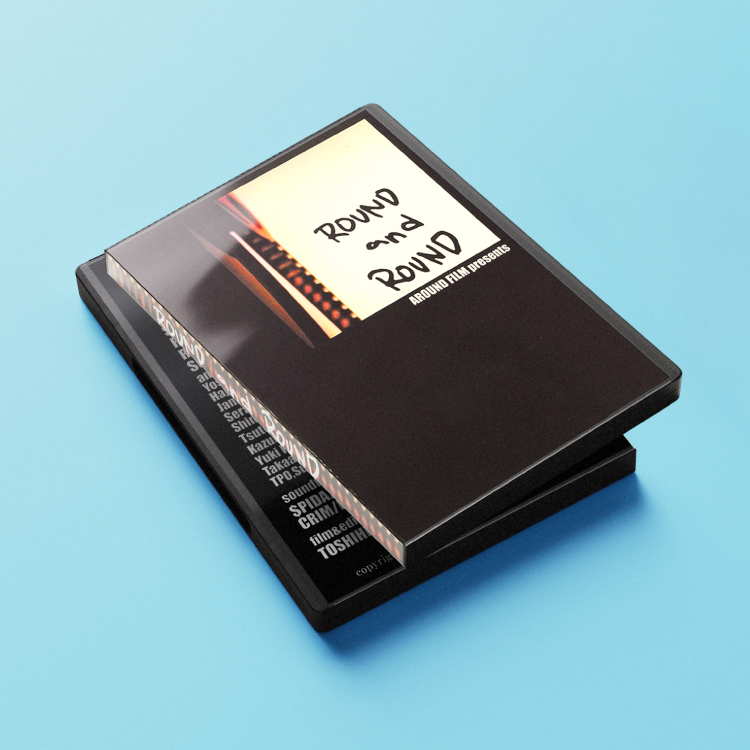
T: No, you're talking about the second one, Subway. My very first was the first one, Far East Skate Network. I didn’t even have a board on campus, but I happened to be wearing a Stereo hoodie. And then this guy asked, “Do you skate?” We went skating in Shinjuku, and he was like, “You’re good!” Then he suggested I enter a contest in Hikarigaoka, and I won. That led to making videos, often filming in Akiba or Shinjuku.
V: So having Morita in this part is also a return to your roots.
T: Exactly. If I hadn’t met him, I probably wouldn’t have continued skating. I was supposed to take over the family dry-cleaning business after school. But meeting Morita, filming videos, competing in contests, getting introduced to Kunjiro Eguchi, and eventually creating Metropia… that shaped who I am. This is probably my last video part, so having Morita involved is a very important memory.
V: At that time, what was memorable about skating?
T: NewType’s presence was incredible. When they appeared at Akiba, everyone instinctively crouched like in gym class. Meanwhile, Kenjiro Tateyama was playing poker while drinking—what a guy (laughs).
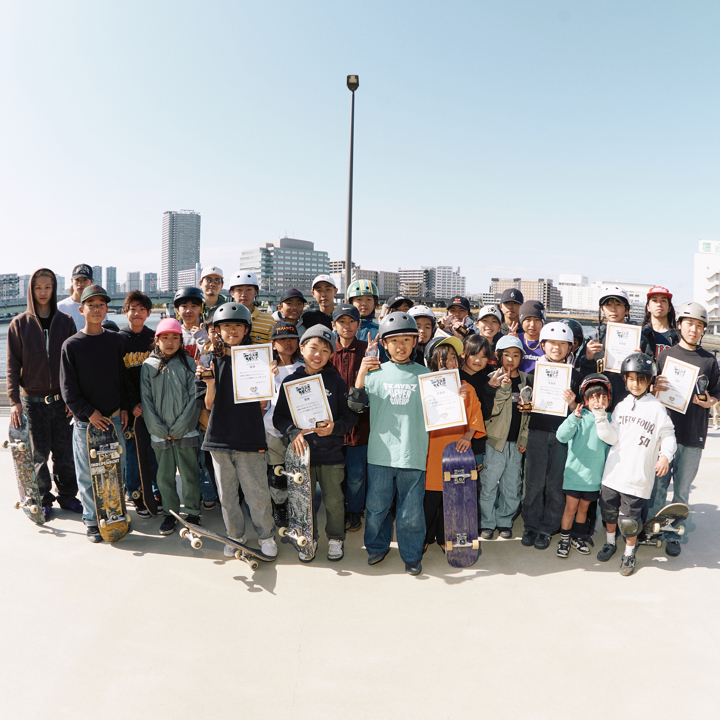
V: You hosted a talk show in Tokyo with Morita and Kenjiro as guests at the premiere event.
T: Yes, Kenjiro worked with me at ASANOHA. So Morita knew me in my 20s, and Kenjiro knew me in my 30s.
V: Do you think those experiences shaped how you live today?
T: Everything in my life started with skateboarding. Even starting graphics came from seeing cool art on boards, which led me to art school. Most of my connections come from skateboarding.
V: Did filming bring any moments where the past and present connected?
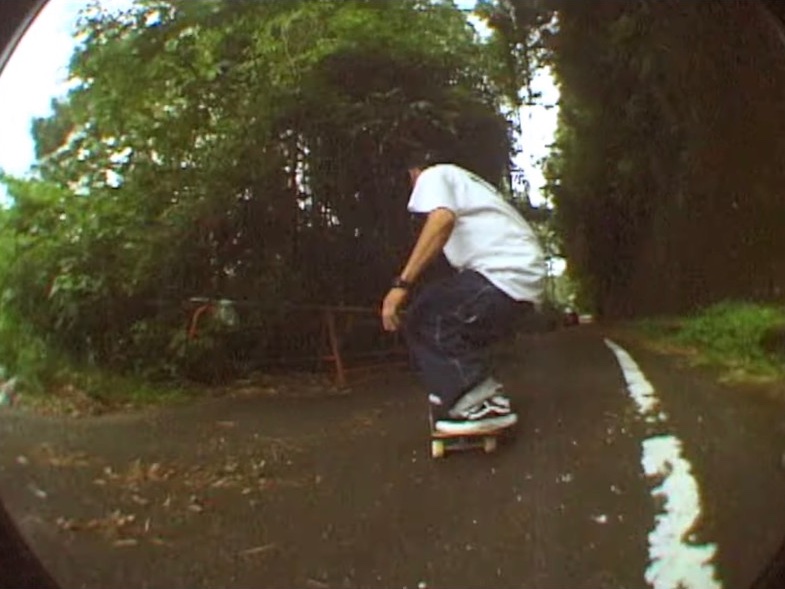
T: Morita suggested going back to the first spots from Far East Skate Network, so we filmed there. Same spot, same trick. It was nostalgic, even though I couldn’t pull it off (laughs). My body has changed a lot.
V: Which clip holds the most meaning for you?
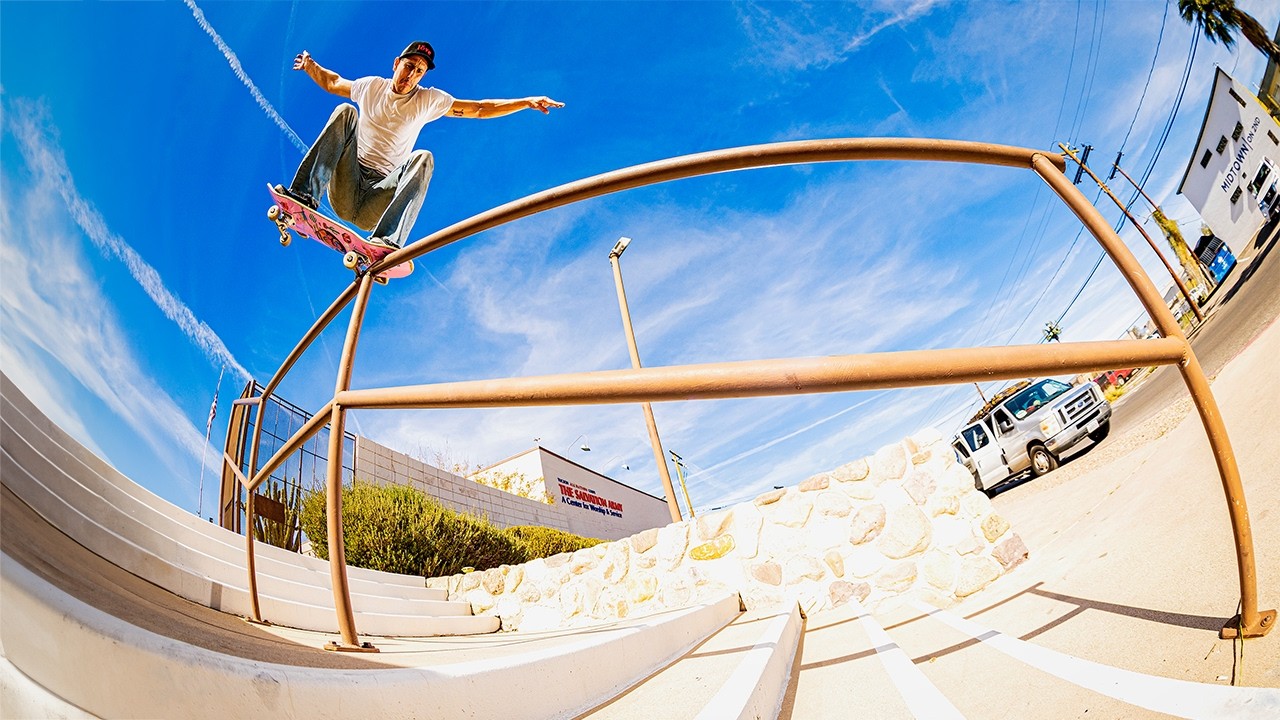
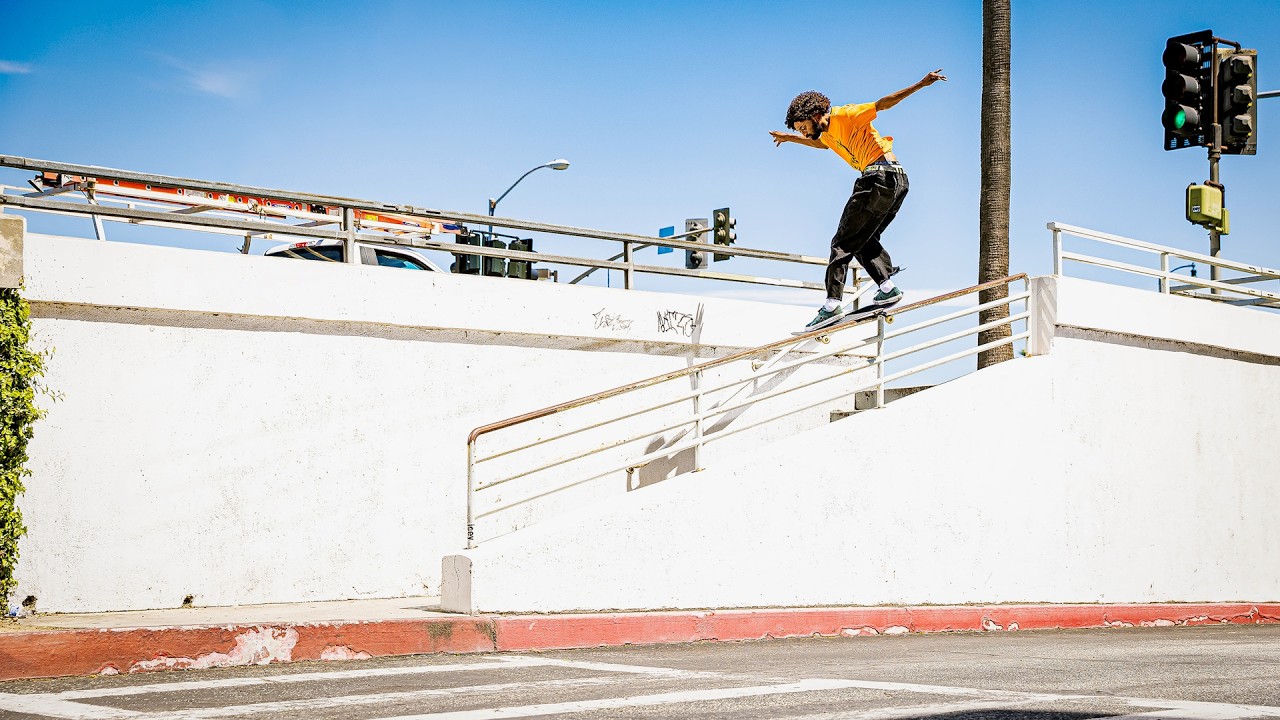
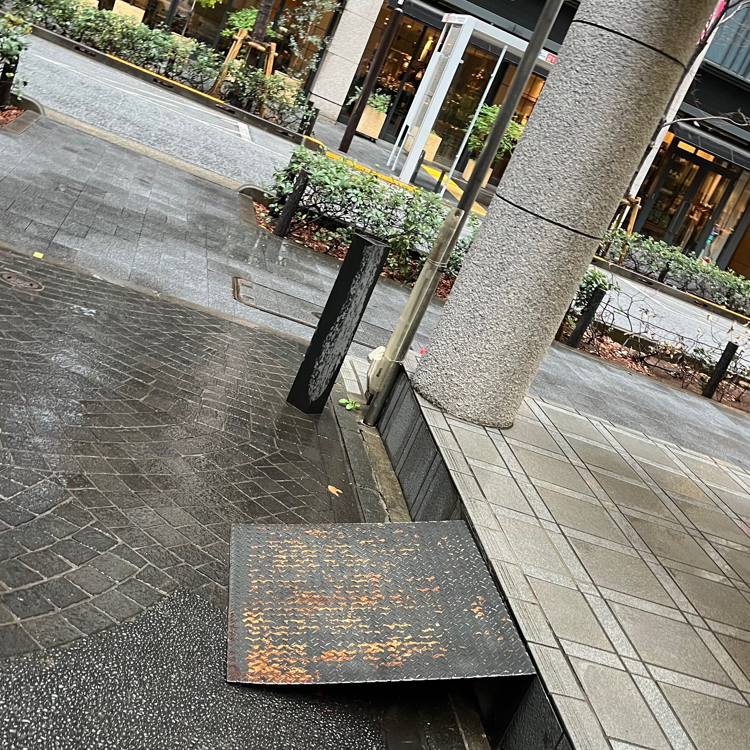
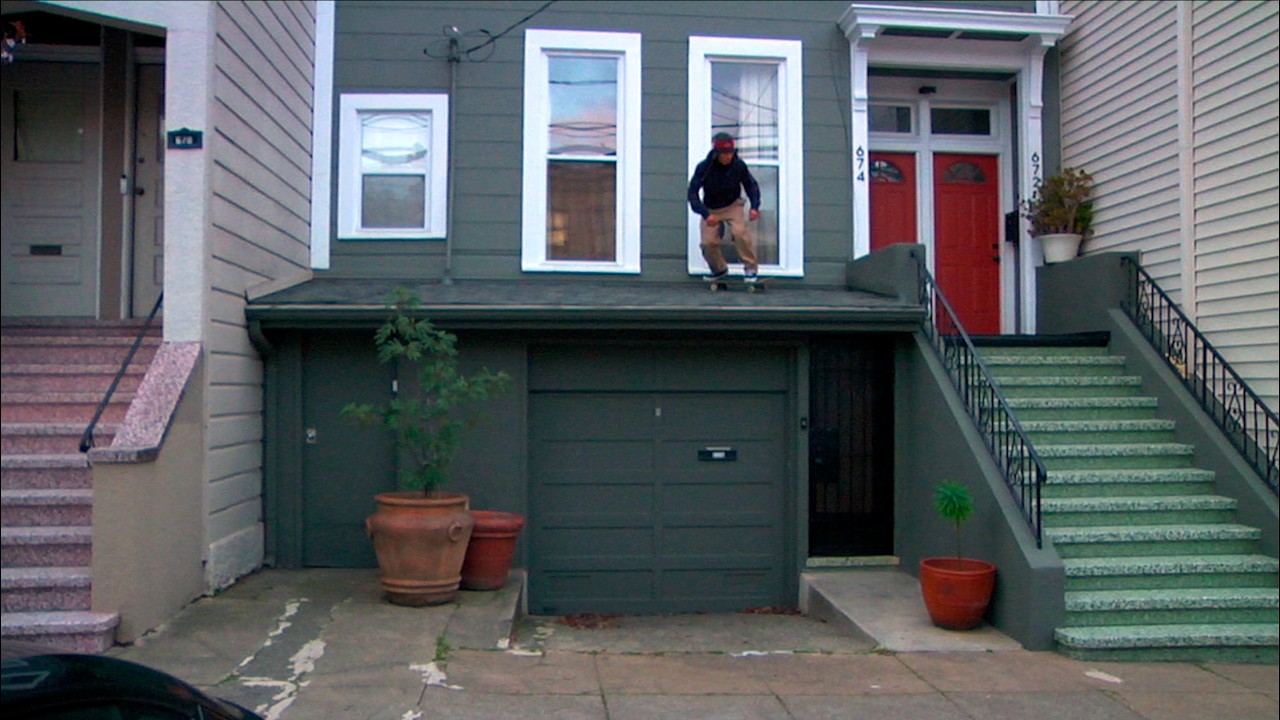
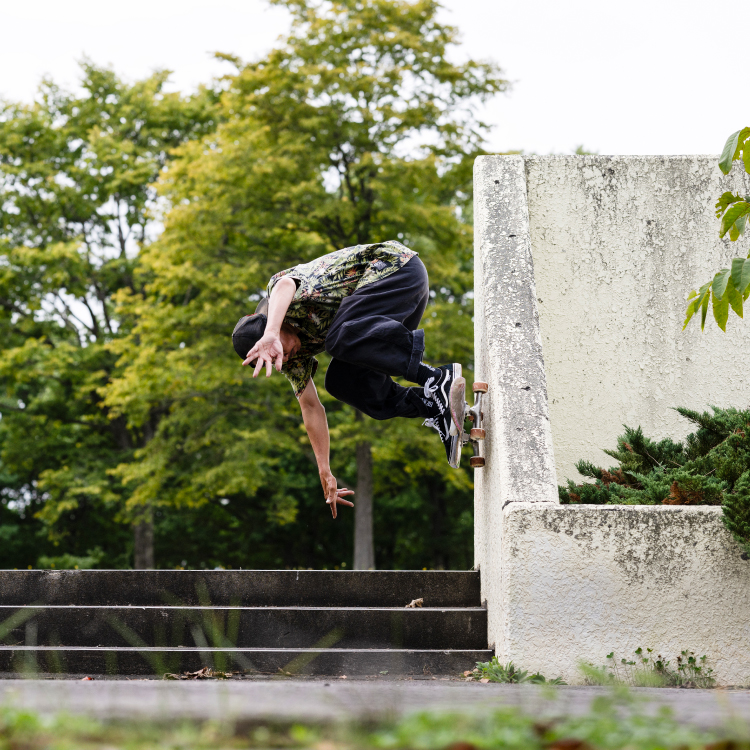
T: I don’t do handrails or stairs anymore. So maybe the intro. I put my all into it. Morita pushed me hard (laughs). Initially, the guardrail at Tocho-mae curb cut was placed on the flatground. But Morita was like, “No, lift it higher. No one’s done this before.” I started jumping at the edge, but he insisted on the center. I even tried lowering it onto a flowerbed, and he said, “Poor flowers!” He wasn't the type of person who would say that kind of thing (laughs). He wouldn’t compromise. It was extremely high, and I barely made it.
V: It’s great that you included your front flip from Far East Skate Network as well. Did you get pushed hard back then too?
T: Definitely. Eguchi got pushed even harder (laughs). Weak tricks weren’t used.
V: That video came out in 1995, so this footage is exactly 30 years old.
T: Yeah, I was 20 back then (laughs).
V: How do you think this part expresses your “now” as both designer and skater?
T: It’s a return to my roots. Back then, I wanted sponsors and tried to do crazy tricks. But when I started skating, it was just fun. This time, I returned to that feeling—no pressure, just enjoying and expressing. I hope people watching feel like skating themselves.
V: Pure initial impulse.
T: But street skating has gotten stricter. Back then, only the police would get mad, but now even pedestrians yelled at you. I was just pushing around!
V: Even in that environment, you completed the video at nearly 50. Where did the motivation come from?
T: Goals boost motivation, and I wanted a challenge. I guess the challenge is my expression. That’s what CHALLENGER is all about.
V: So from late October 2023, you already had the goal of completing the part by 50?
T: At first, we bought a video camera for CHALLENGER, with no real goal. Then a new staff member came in and I suggested filming this trick in Korea, and it worked well. I kept filming for practice, tricks accumulated, and I thought, “This could be a part.” So I aimed to release it at 50. Others might release 50-year-old parts too—like Junnosuke Yonesaka. He’s still amazing.
V: Has your approach to skating changed with age?
T: The biggest change is enjoying it more. Still, I challenged myself with tricks I hadn’t done before. Achieving a difficult trick feels great. Filming pushes me to do tricks I wouldn’t normally try. That hasn’t changed much since my youth.
V: CHALLENGER has been strongly tied to various cultures. What expressions do you want to explore as a brand in the future?
T: We’re a clothing brand, but not just that. We want to create culture. We installed a sewing machine in-store, brought in a bag-maker skater from ASANOHA, and now make original CHALLENGER bags. We also started a record label last year, supporting Kode Talkers led by vocalist Tomoya Nagase. It’s about creating culture beyond clothes.
V: What does CHALLENGER mean to you now as both a designer and skater?
T: Everything is a form of expression—art, music, clothing. I want CHALLENGER clothes to empower wearers like a “winning outfit.” For that, culture is essential.
V: Lastly, what does skateboarding mean to you?
T: Expression. Skateboarding is my entire life. With a skateboard, words aren’t necessary. At skateparks abroad, if you land a trick, people naturally respect you. It connects people and serves as a graphic textbook. It’s the root of everything. Without it, my life might’ve been boring. I do have some regret about not taking over the family dry-cleaning business, though. Maybe combining a skate shop with a dry-cleaner could be interesting someday (laughs).
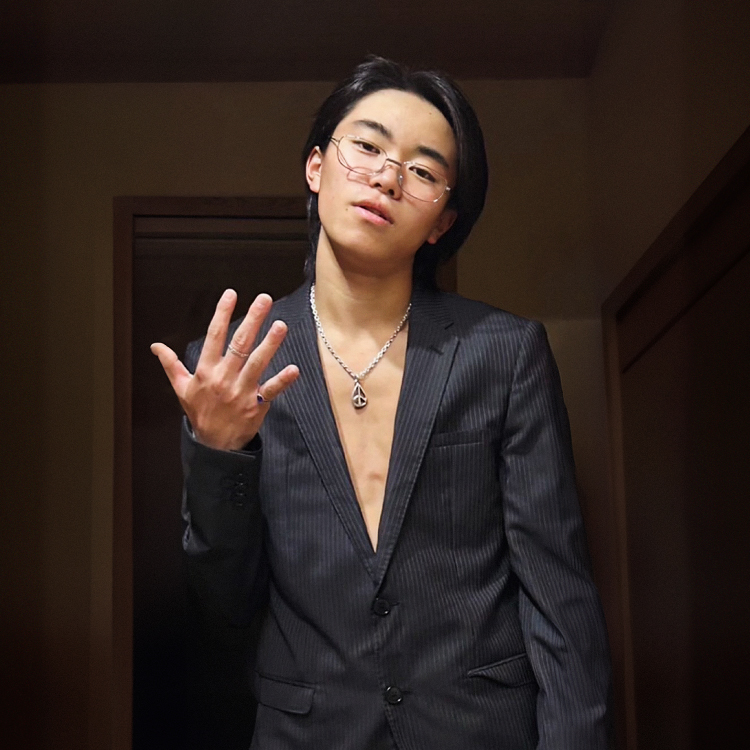
Satoru Taguchi
@taguchisatoru_
Designer of the apparel brand CHALLENGER. Since the ’90s, he has been a defining presence in the skate scene, pushing culture forward through both design and skateboarding. Even at 50, he continues to challenge himself.