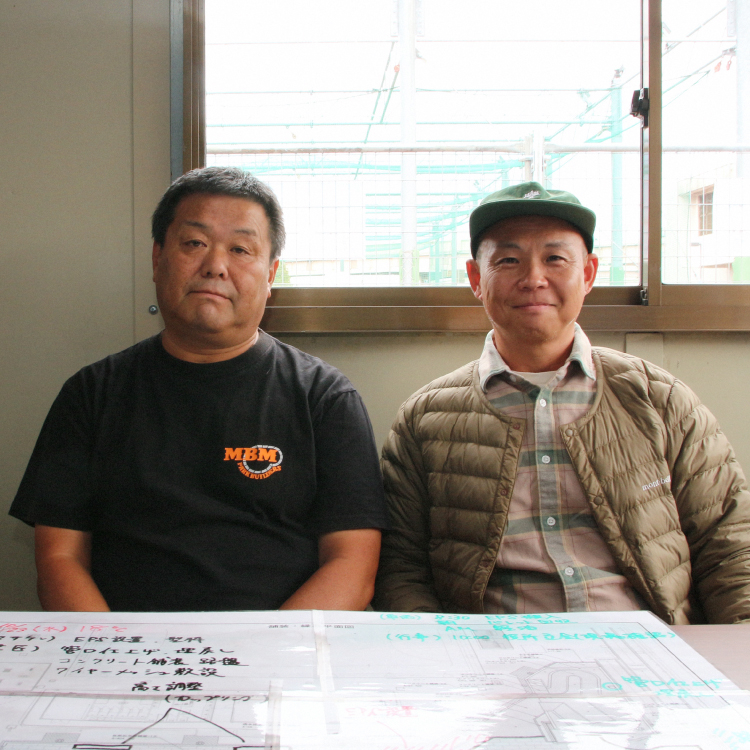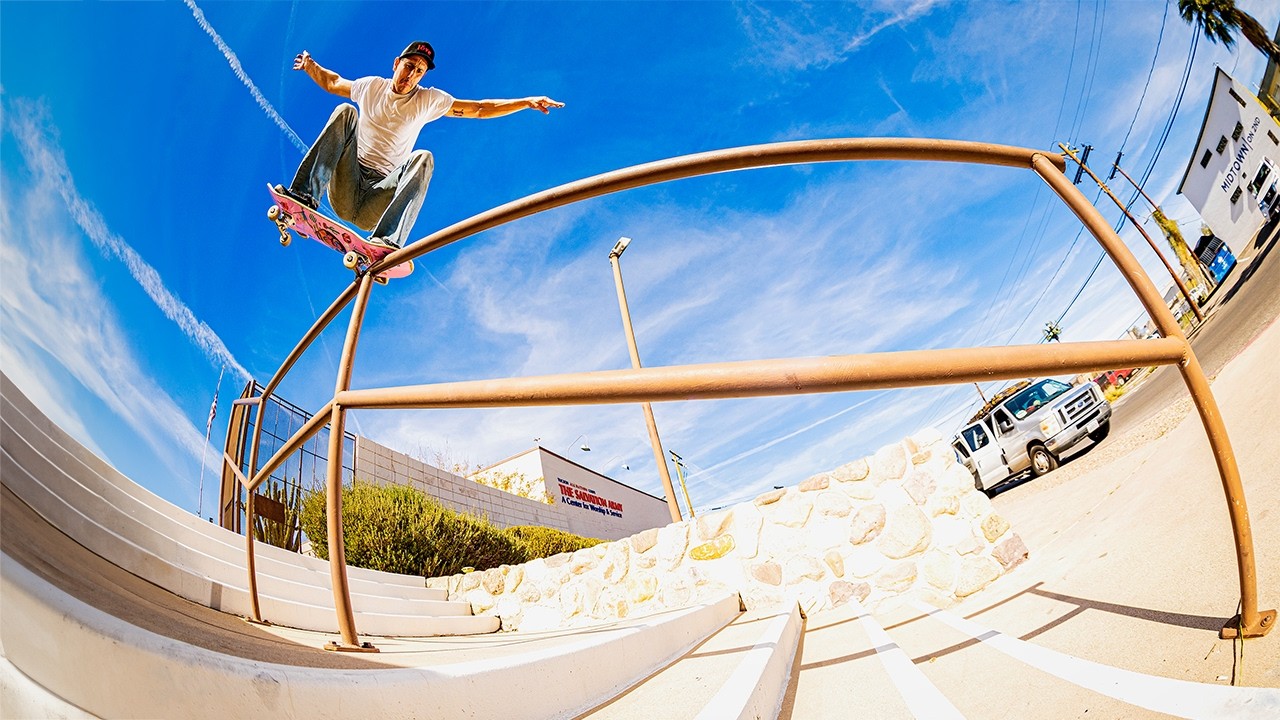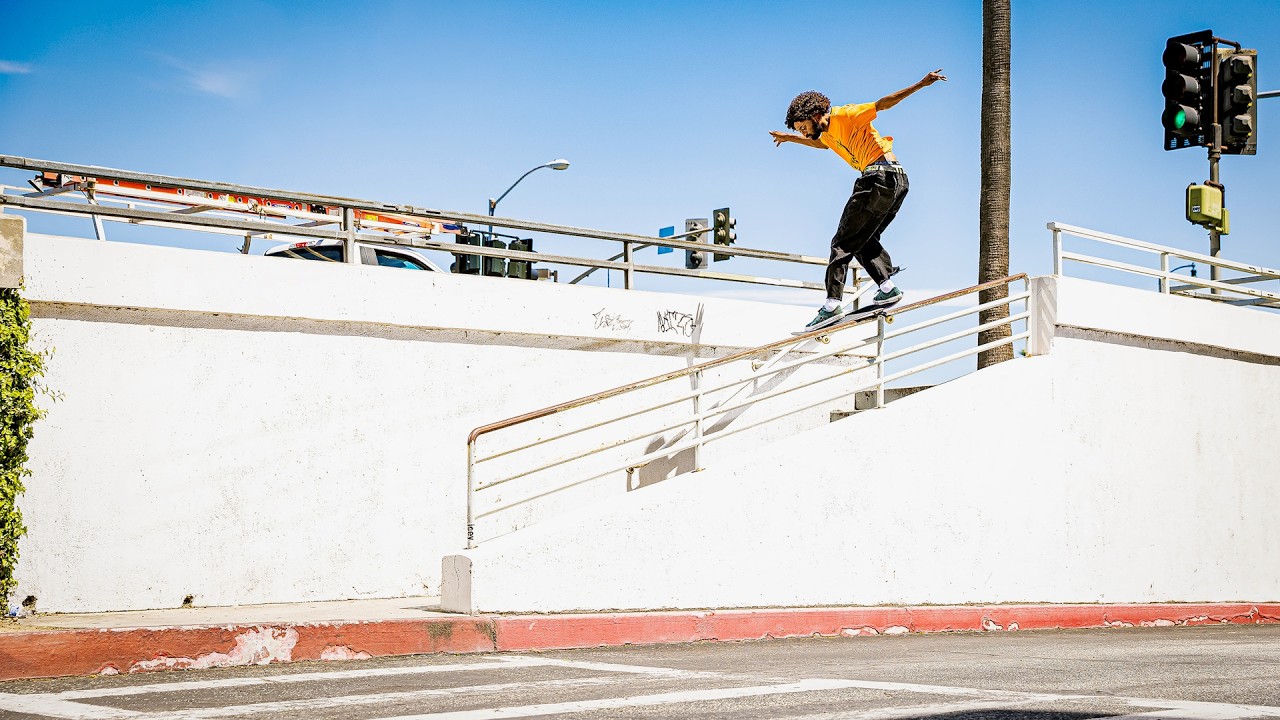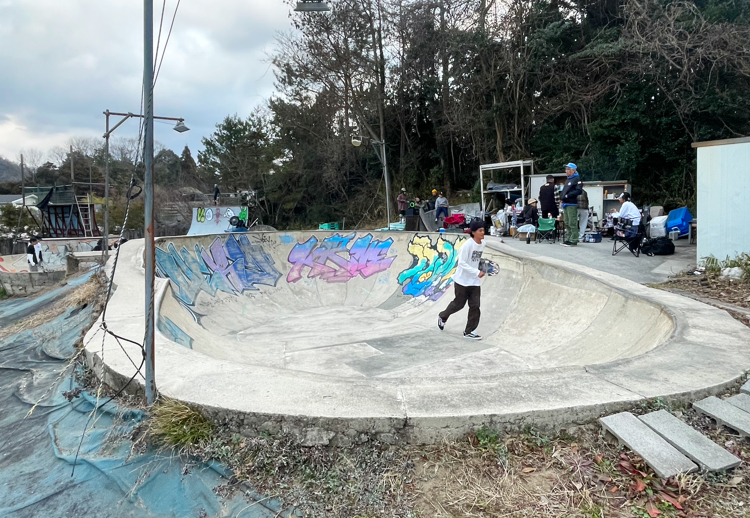


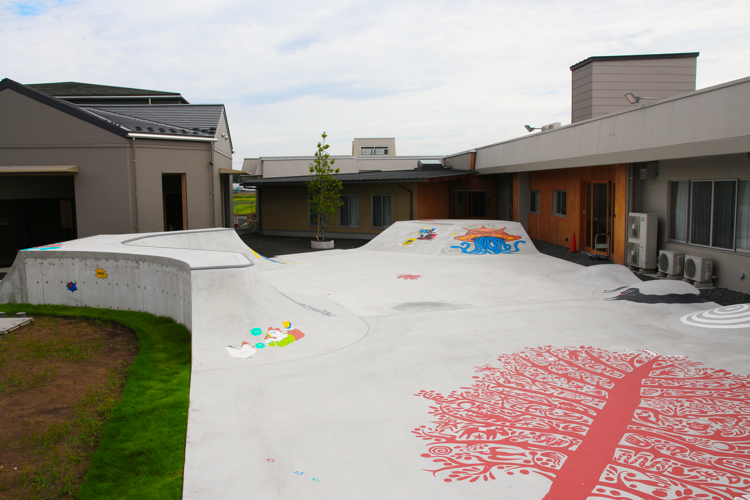
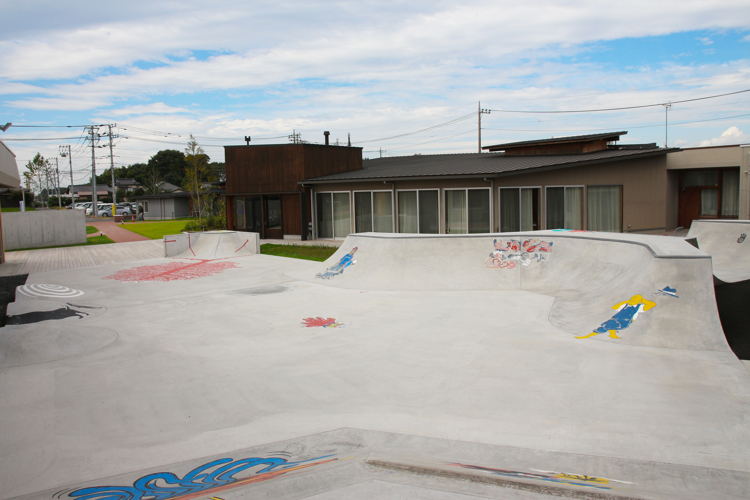
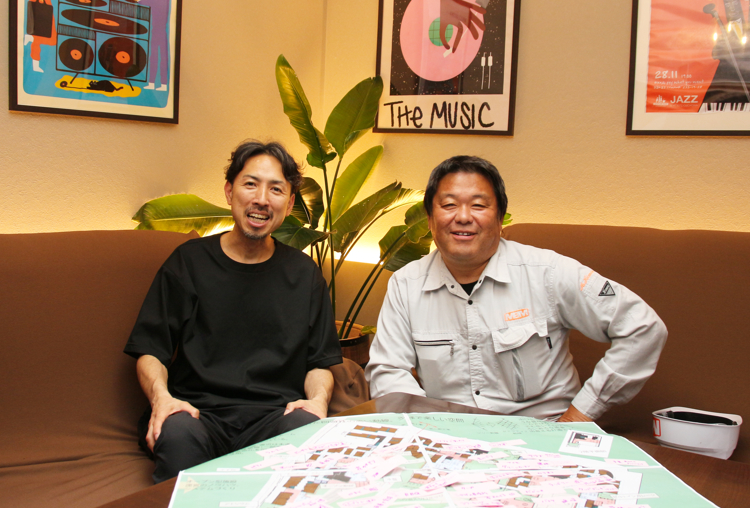
A Skatepark in a nursing home. This unconventional idea was brought to life by Kazuhiro Shinozaki, the general director of the special nursing home Ritsurinsou, together with Masato Kimura, president of MBM Parkbuilders, a professional collective dedicated to skatepark construction. This unprecedented initiative not only redefines what a nursing home can be, but also raises important questions about urban development and the future of skate communities. It is a bold challenge to break free from existing frameworks and create “a place where intention and coincidence gently blend together,” driven by a profound philosophy at its core.
──SPECIAL NURSING HOME RITSURINSOU
[ JAPANESE / ENGLISH ]
Special thanks_MBM Parkbuilders
VHSMAG (V): Shinozaki-san, could you please introduce yourself?
Kazuhiro Shinozaki (S): I’m currently working as the general director of the facility. Originally, I was in civil engineering, but when I turned 30, I thought, “Japan’s going to be an aging society, maybe I should give this a try”—and with that lighthearted mindset, I stepped into the world of welfare. At the time, the construction industry was in a slump, with major general contractors and even super-constructors taking away jobs from mid-sized firms, and I couldn’t see much of a future for my own work. That’s how I ended up entering this field. But the facility I joined—put simply—was like “hell.” Elderly residents ate their meals in bed, some were strapped into wheelchairs, others tied to their beds. I remember coming in for an interview on a Saturday or Sunday, and when I walked through the front entrance, it was dim inside and piercingly silent. I honestly thought about leaving right then, but as an adult I decided I should at least go through with the interview. Once I actually started working, I found out that bath days were on Mondays and Thursdays, when about 100 people had to be bathed. Using a mechanical bath where residents could be washed while lying down, all 100 had to be bathed between 9am and 5pm. Doing the math, that gave only about seven minutes per person from the time they left their room until they returned. Obviously, there was no way that could be considered a proper bath. And in the middle of winter, the hallways were freezing, yet residents were left sitting in wheelchairs with nothing but a bath towel, lined up naked and waiting their turn. It was a world completely opposite of the image of “enjoying the rest of your life.” Even diapers weren’t changed until the scheduled times. It was honestly a real shock for me.
V: Whne was that?
S: About 20 years ago.
Masato Kimura (K): 20 years? This place has been around for that long?
S: This facility has been around for 50 years now. I don’t think there are many examples in Japan of a facility that old being put to such active use. The building itself has been renovated, so in that sense, I think this is a socially meaningful initiative. I’ve heard that in the past, about three-quarters of the facility’s budget came from government subsidies. Normally, buildings like this are torn down and rebuilt from scratch, or just left abandoned. But subsidies come from everyone’s taxes, so if public money is being invested, we should make the most of it. That’s why we conducted proper seismic inspections and ensured safety, so that we could give this building new value. The challenge here is to regenerate a facility built in 1976 into a space that remains valuable not just now, but for the next 20 or 30 years. That’s the key point.
V: Are there any other examples of this kind of multi-purpose nursing home?
S: Our facility falls under the category of a special nursing home, and to be honest, I don’t think there are any other examples of this kind of multi-functional setup. Some facilities, for example, include workplaces for people with disabilities, or accommodate residents moving from Tokyo… One well-known example of a large-scale facility is Share Kanazawa. But generally, these types of facilities tend to focus either on seniors, people relocating from urban areas, or are hospital-attached. I don’t think there’s another special nursing home like ours, with a high proportion of residents requiring intensive care, that takes on such a multi-functional approach. Looking ahead, I believe more facilities will start to use this model as a reference.
—Kazuhiro Shinozaki
V: So, what made you decide to build a skatepark at this special nursing home in the first place?
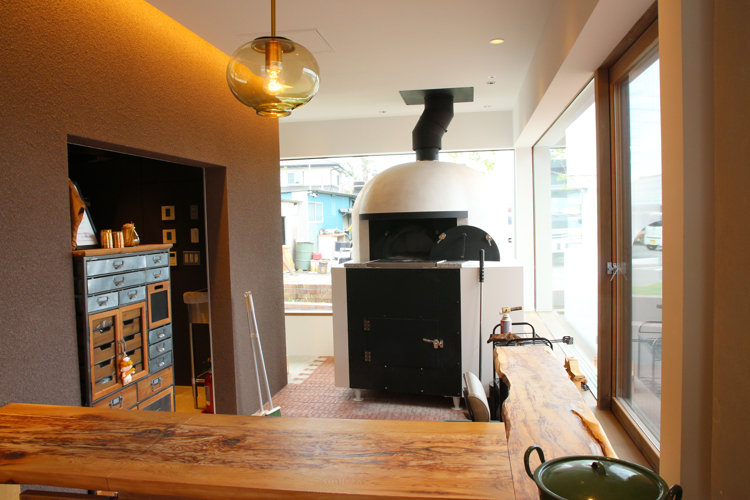
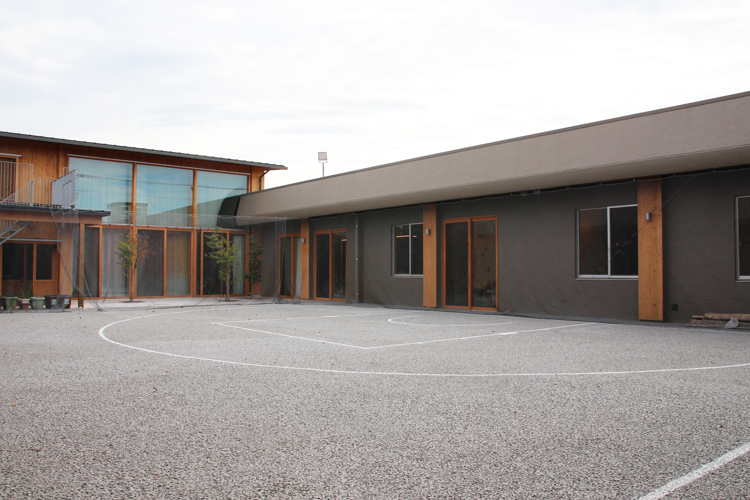
S: First of all, as a premise, my ideal balance is roughly “building 5 : exterior 5.” But in reality, I feel like we’re at about “exterior 6 : building 4.” The reason is that I believe the overall impression of a facility comes overwhelmingly from the exterior, not the building itself. So, when I first spoke with the person in charge of the exterior design, I said, “Make it a place that makes people look twice.” It’s a very abstract request, but I wanted it to be a space that naturally catches your eye as you walk by, something that unconsciously draws your interest. With nursing homes, even without a sign, people can immediately tell, “Ah, that’s a nursing home.” But what we were aiming for is a reaction like, “Wait, what is this place?” In that sense, a skatepark is conceptually the furthest thing from a special nursing home. Of course, there are other features on the property, like a bakery or a basketball court. But those are aimed at specific users. For example, at the bakery, our caregivers got so enthusiastic that they imported bricks from France and even installed a wood-fired oven (laughs). Yoga classes are also run by staff. We try to create initiatives within the facility as extensions of our staff’s own self-realization, allowing everyone to pursue what they want to do. Even things like our facility map are made by a caregiver who graduated from Tokyo University of the Arts—and we pay them under a proper contract. Rather than outsourcing externally, we make sure the economic activity circulates within the facility. Within this framework, we deliberately added something with no specific target audience—a skatepark—which is conceptually the opposite of a nursing home. Many people tend to think, “Nursing home = safe, secure, and peaceful life.” Of course, that’s important, but I don’t believe an ideal life is one without any waves. Expressing anger, laughter, or emotion is much more enriching. It’s the same with meals: we don’t just serve whatever the nutritionist prescribes. Residents can make choices. If an old man says, “I want to eat peperoncino,” the kitchen will cook it right away. Personally, I don’t skate, snowboard, or surf. I’ve always played basketball. Even so, I felt that the spirit of “freedom” and “challenge” embodied in skateboarding is something this facility really needs. By the way, this wasn’t something that started because of the Tokyo Olympics. I’ve been saying I wanted to incorporate a skatepark for over ten years.
V: Kimura-san, what was your reaction when you first heard about this idea?
K: I honestly thought, “Are you kidding me?” Really. I even asked, “Are you sure about this (laughs)?”
S: I was completely serious. I was determined to make it happen, no matter what it took (laughs).
V: What led you to commission MBM for this project?
S: The person in charge of the exterior design was Professor Mizutsu from Aichi Prefectural University of Fine Arts and Music. Of course, he had never designed a skatepark before. He had worked on various types of spatial design, but this was a first for him. So, I found a place online called OSSY Skatepark in Oyama, Tochigi, and thought, “This might be a good reference,” and took some of our residents to check it out. The website said it was open 363 days out of the year, but for some reason, whenever we went, there was never anyone there (laughs). After visiting a few times and waiting, around 6pm, a group of what looked like parents and kids showed up. I thought, “Maybe these are the people in charge,” and when I approached them, sure enough, they were from the skatepark. I immediately opened my laptop and showed them the plan, saying, “Actually, we want to build a skatepark at this facility. Would you be willing to help us?” To my surprise, they agreed right away. But in reality, no one really knew how to build a skatepark. Professor Mizutsu was exploring it for the first time too. The next challenge, of course, was the construction—but it was so specialized that a normal contractor couldn’t handle it. Through various contacts, we eventually reached MBM, and that’s how they got involved.
K: I remember thinking, “One simple bank would be enough.” Then Oshida-san from OSSY showed me a plan and said, “No, this is what thay want.” Honestly, my first thought was, “If we actually build this here, it’s going to be a huge ordeal!” But in the end, we decided to go ahead with his plan. Even now, I still don’t completely understand how it’s going to be used (laughs).
S: At the core of how we design our facility is the idea of creating “a place where intention and coincidence gently blend together.” For example, there’s a common notion that, “It would be nice if children came to visit a nursing home.” The typical response is to attach a daycare center and try to facilitate interaction. But then the question becomes, “What’s really fun about that?” Some residents might be forced to watch performances that aren’t enjoyable, and the whole system assumes that “all elderly people like children,” which can feel a bit imposed. I think it’s much more interesting when things happen by chance rather than by design. For instance, we might just create a regular dining hall, and then someone shows up and asks, “Can I dance here?” Leaving room for those unexpected moments is important. It’s the same with the skatepark. I hope Oshida-san from OSSY might run a school here, but I don’t intend to strictly dictate “use it this way.” I once saw kids with skateboards riding past on bicycles along the street. That means they’re either on their way somewhere or returning from somewhere. If they find out there’s a skatepark here, they might naturally stop by. Rather than deliberately planning events or lessons, it’s more interesting when people notice, “Oh, it’s here,” start gathering on their own, and spontaneous interactions with residents begin. That kind of organic flow is what I find exciting. As I mentioned earlier, conceptually, elderly residents and young people who skateboard are worlds apart. Normally, there’s almost no contact between them.
K: That’s true. By coming here, residents get to meet and interact with people they would never normally encounter. That idea itself is incredible. And on top of that, the fact that so much money was invested in it—that’s pretty amazing too (laughs).
S: Well, skatepark was the main idea. No matter what anyone said—even if people opposed it—I pushed to keep this plan until the very end.
V: Were there any objections to the idea?
S: No, it wasn’t exactly opposition—more like a proposal from a different perspective. The person in charge of the exterior design suggested extending a brick pathway all the way through the space. I think the idea was to enhance the quality of life for the residents, and I did feel that there was warmth and charm in that approach. But I found myself wondering, “Is that really the optimal kind of richness for this place?” Brick pathways are common, and I felt we could create a space where experiences and surprises unique to this facility could happen. Because of that, I honestly told them, “I think this other approach would be better.” I have a very close and respectful relationship with this designer, and I truly admire them. So being able to engage in serious discussions and collaborate with someone like that to create the space was an incredibly valuable and meaningful experience for me.
K: The person in charge of the exterior design is quite a well-known figure. But of course, they had never designed a skatepark before, so it was hard to imagine how it would actually turn out or what kind of space would be created. Even during meetings, there were moments where it was a bit confusing for both sides. But once it was actually completed, I think all you feel is awe. Honestly, I really enjoy seeing that moment.
S: The lines are really beautiful. Just yesterday, I found myself admiring the finishing touches. The builders were probably thinking, “Who is this guy?”
—Masato Kimura
V: The construction environment for this skatepark was completely different from typical projects. Were there any concerns you had going into it?
K: The idea of extending a brick pathway from the designer was dropped, but the function as a circulation route was kept. Normally, you could turn it into a bowl to create flow within the park, but instead, we made it so people could actually walk through. And to avoid an empty, unnatural view from the rooms, we added a set of three moguls. This was a first for us. So in the end, we managed to balance the flow for skateboarders, the movement of residents, and the view from inside the building.
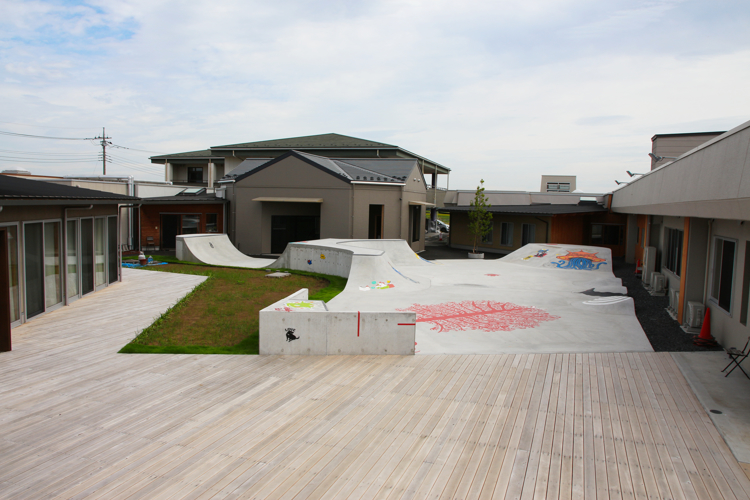
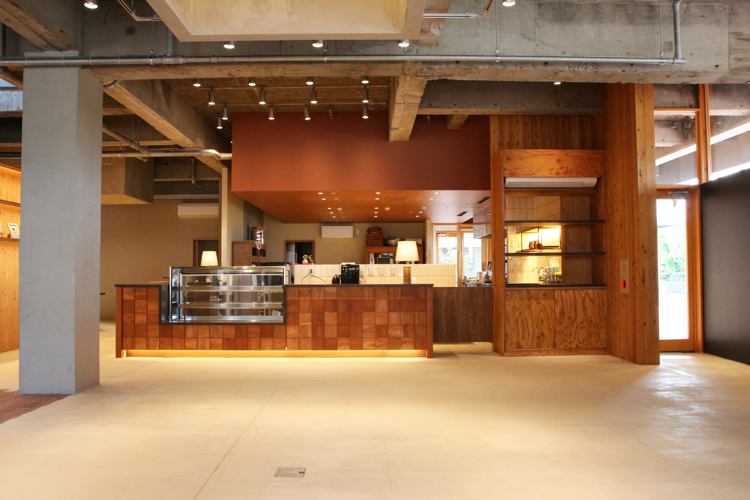
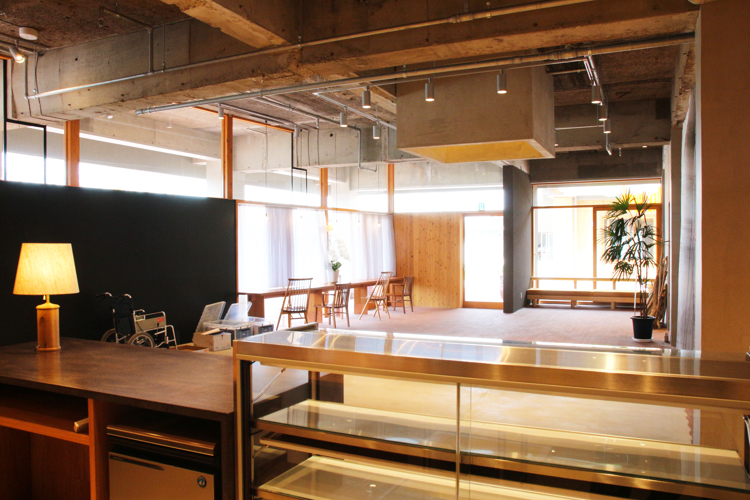
S: I think this ties back to what I mentioned earlier about being conceptually distant. This is a special nursing home, so many of the residents have care levels of 4 or 5. Some are bedridden or can barely walk. When we created a café within the facility, we designed it so that even residents with dementia or limited mobility could participate. For example, we lowered the counter and made it wheelchair accessible, allowing as much involvement as possible. Of course, there are still residents who are too immobile to work in the café. But even for them, their ears can hear, their eyes can see. They can watch and feel children taking on challenges or someone attempting a trick in the skatepark, all from their bed or wheelchair. I truly believe that even residents with physical limitations can be moved and enjoy themselves. I can picture it clearly: young people who are physically capable and ready to take on challenges, and elderly residents who can no longer move on their own, sharing the same space. A place where they can both feel the same energy. I think only a facility like ours can create that kind of space. That’s why I was so determined to make it happen.
V: How have the residents reacted so far?
S: They’re really looking forward to it. I’m absolutely confident they’ll be delighted. And it’s not just about watching—it’s about being in the position of supporting and observing someone who’s taking on a challenge. That perspective is extremely important. Often, elderly people are seen primarily as the ones being cared for, but that’s not the whole picture. They also have the potential to be on the side of giving care or support, and that’s a very meaningful role. We even have a former childcare worker among our residents. When children started coming to the facility, she naturally began picking up children who were crying. I think moments like someone falling and another resident instinctively asking, “Are you okay?” will naturally happen. I find that incredibly precious. People often say, “As long as there’s attentive care, one can be happy,” but I don’t believe that. Happiness comes from feeling that you are useful to someone, no matter your age. I feel the same way. Because I know I’m helping someone, I’m willing to work tirelessly. I think that’s a fundamental part of human nature. That’s why, for example, we have residents in their 90s making handmade brooches that are actually sold in our shop. The experience of creating something, bringing joy to someone, and generating value leaves a real sense of meaning for them. In other words, elderly people—often seen by society as those who are “to be cared for”—can, when viewed differently, absolutely be people who give to others as well.
K: I really think you can only work with people who are passionate. Nowadays, a lot of different people are involved in skatepark projects. Some of them don’t even skateboard—they just think, “If we put some stuff here, we’ll make money.” Honestly, I don’t think Shinozaki-san could work with people like that. I feel that the people we’re working with this time were brought together by chance. Because everyone involved is passionate, the site doesn’t feel like a “troublesome job”—it feels like a “place where something interesting can happen.” That energy naturally makes you want to make it even better. If someone had just been thinking, “I’ll just get through today and then go drinking tonight,” I don’t think it would have worked. That’s something I really felt.
V: Where do you find the most fulfillment in creating a space where elderly residents and skateboarders can interact?
K: The most fulfilling part is seeing people who were once just on the receiving end become the ones cheering and supporting others. It’s a relationship built on mutual gratitude and encouragement. Not many people get to experience that perspective. Even in my work with park building, I gradually invest in hosting competitions, forming organizations, and supporting skaters to go on international trips. I think this mindset connects with local shop owners too—not just selling skateboards for profit, but giving back. They work regular jobs during the day, then open the park for just 100 or 200 yen in the evening. It’s about sharing the joy because you love it yourself, wanting others to enjoy it, and supporting everyone giving their best—even if your own body doesn’t move the way it used to. I love going to the park every day, seeing kids improve and thinking, “Wow, that kid’s gotten so much better.” That’s the feeling I want to cherish and carry forward in life.
V: I think this project is unprecedented both for nursing homes and the skate community. What kind of impact do you think it will have going forward?
S: Within the realm of elderly care facilities, I think it will probably attract a lot of critics. It’s a pretty conservative world (laughs).
K: But I think the critics are half envious, really. Most of the people who complain are probably just jealous.
V: If this model—bringing together conceptually distant groups like elderly residents and skateboarders—succeeds, I feel it could even change the way we think about urban planning.
S: I always prioritize the elderly, so it’s natural that they benefit from what we do. But as a facility, we are fundamentally a giving place, and everyone who visits here needs to have a positive experience. We use the term “ownership” in our approach—just sympathizing with our facility or saying “that’s nice” isn’t enough. I want people to come in and act as if it’s their own project. That’s the essence of our concept. For example, even if we create a space for children or mothers, many people come with a passive mindset, thinking, “Am I really allowed to use this?” But the underlying assumption here is: “No, you get to use it. Express everything you want to do here.” That is what matters most. Honestly, I don’t consider the broader impact or how it appears as an elderly care facility. I don’t think about how society might change because of it. Sure, this could become a model that leads to more skateparks, cafés, or bakeries in nursing homes, but I don’t see value in that alone. Once a good model is institutionalized, people just follow it thoughtlessly, and it becomes a hollow copy. The act of imitating becomes the goal. The real value lies in the process itself: why we started, who got involved, and how it came together. You could replicate the form elsewhere, but without the passion and relationships, you won’t get the same excitement or chemical reactions that we experience here. That said, I believe that by sharing this story, more people will understand, and the industry as a whole can improve. The eldercare field is full of negative news, and I dislike the narrative of “caregivers have it tough.” If someone doesn’t like it, they can quit. There are plenty of people doing this work out of genuine passion, but the idea that caregiving is all about sacrifice or that caregivers are admirable just for enduring hardships—I hate that. I love what I do, and I think caregivers should shine. I genuinely want to transform this industry into one that’s seen as creative and enjoyable. At the same time, I’m not trying to influence anyone—I’m simply focused on realizing what I want to do and seeing how society responds. That’s the honest truth.
—Masato Kimura
V: Kimura-san, you’ve built various types of skateparks through MBM. How do you think this project will influence the future of park building?
K: I might get in trouble for saying this, but… honestly, we don’t really need that many competition parks in Japan anymore. Everyone talks about wanting to host world championships, but even if ten parks were built for that purpose, do you really expect ten world events per year? In reality, it’s only one or two events annually. In that case, a temporary setup or one or two dedicated parks is enough. So I think it’s okay for the concept of parks to evolve. While building this facility, I realized how important it is to consider the perspective of people who don’t skateboard. For example, imagine a stylish public park in Tokyo. What if just one section of it allowed skateboarding? A marble bench, lit underneath, looking beautiful even at night. Kids skate there while grandparents stop and say, “What are you doing? That’s amazing!” That’s the kind of scene I imagined while we were creating this park. Of course, you can’t make an entire park for skating in that way—it would be unsafe—but you could, for instance, allow skating in one corner of a local park. Like, in some park in Ikebukuro, you could add a small transition with rules such as, “Skateboarding allowed here, but not beyond this point.” Kids could be trying tricks, while nearby adults could cheer them on: “Nice! Try it one more time!” I think the image of skateboarding needs to change. It shouldn’t be, “Those skaters look scary, I’ll stay away.” It should be, “Oh, there are people skating—let’s take a look.” Just like watching kids dribble a basketball or practice juggling, skateboarding could be a natural part of public spaces. Instead of spending millions on a giant park, I hope the skate community can create these small, accessible spots where people can just do a little bit of skating. That’s the direction I’d like to see the industry move in.
—Kazuhiro Shinozaki
V: You’ve mentioned it a bit already, but looking ahead, what kind of scene do you imagine once this facility is finished?
S: I’m not really a fan of events. I want this to be part of everyday life. In the end, what really matters is encounters. It’s not the grandeur of the building or the facility that gives value—it’s not that. What matters is the happiness that comes from people meeting, the chance encounters that happen naturally and continuously. I want this to be a place where that happens every day. And the people who meet here don’t remain outsiders—they become active participants. That’s what we aim for. A fun thing I’ve noticed recently is people saying, “I don’t want to run an English class; I just want to talk to the elderly in English every day,” or English conversations spontaneously starting at the footbath (laughs). Strange things like that just happen naturally. Of course, there are things we intend. In creating this place, I’ve thought deeply and repeatedly about “what kind of space should this be?” and “what should we put here?” But ultimately, the most interesting things are the unplanned ones. To put it simply, it might be called “diversity.” Many different people keep getting involved, gradually becoming participants themselves. They stop being mere guests, and through someone’s idea or action, new things naturally emerge. And those people start moving forward on their own. That’s the future I envision. I think everyone has a small spark inside them thinking, “I want to try something.” I want to draw that out here. We’re not a “we’ve prepared everything, here you go” kind of place. We build things together. That’s my role. We do it together with people who might feel like they “can’t,” but we say, “No, you do it. You’re a participant.” Our only rule is this: “Users can get involved.” That’s it. Anything like, “This is staff-only, users can’t enter,” is absolutely not allowed. Users can participate, the local community can participate, and the users are at the center. That’s something you simply can’t experience at a normal nursing home. Take the skatepark, for example. Normally, residents wouldn’t be involved. But here, it happens naturally every day. After all, as we age, we naturally get fewer new experiences. That’s why I want to keep creating spaces like this. Oh, and we have a stray dog that wandered in, and now the staff have basically adopted it (laughs). They even buy its food on Amazon, and sure, it costs money, but the staff think, “Shinozaki will allow it anyway,” and go along. That dog has become an idol—it’s a Labrador named Love-chan. Staff send me videos of it going to the beach with them (laughs)... Three months later, the owner was found, and the dog was supposed to go home, but it refused to get out of the car. So we ended up keeping it, and the owner said, “If you think that’s better, that’s fine.” That’s the kind of natural occurrence I love. So when people say, “Oh, you’re doing animal therapy,” it feels a little off. No, the dog is just here, living with the elderly (laughs)... Putting labels on things makes it feel fake.
V: Starting from this place, all kinds of interactions spontaneously emerge.
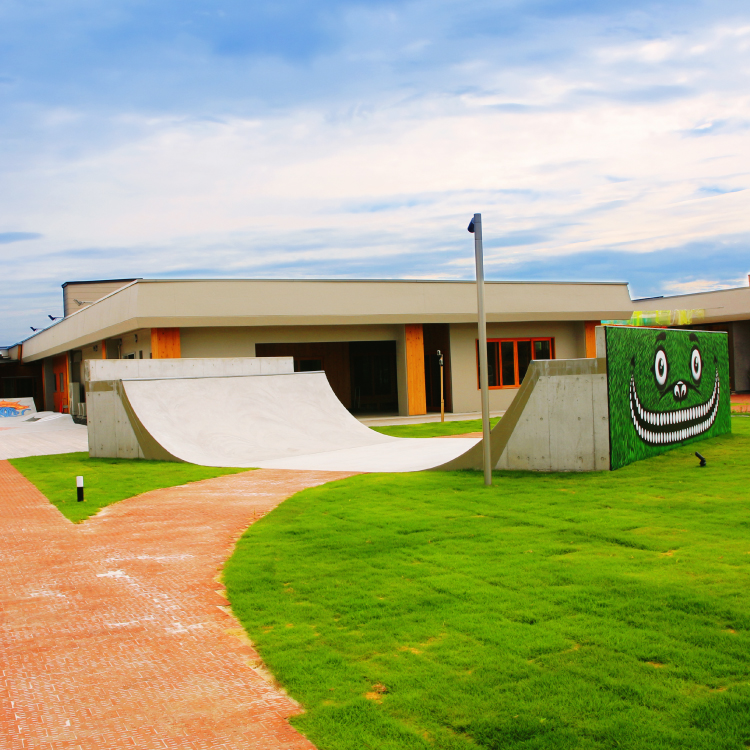
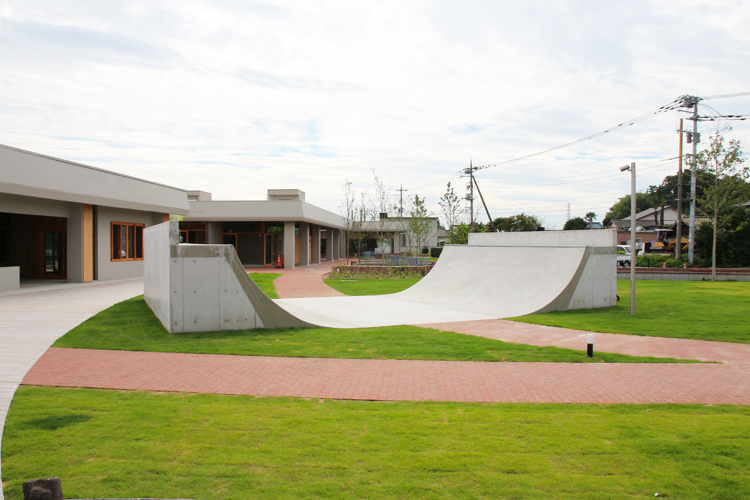
S: This place is really just a starting point. What matters is that the people who use it take initiative and start moving on their own—that’s what this space is for. And… can I tell you my favorite spot? There’s a mini ramp in the entrance corridor. That spot embodies everything about us. Everything is concentrated there. I believe a facility only has meaning if it’s genuinely connected to the community. It’s not enough to just build a building; what’s important is creating relationships where you support each other’s care and live together with the local community. So we built a proper path connecting to the community using a brick walkway, and the mini ramp sits on this main path. Do you see the significance of this place? Imagine kids skating on the mini ramp while local people or elders walk along the path on the flat bottom—skaters naturally stop and let them walk through. Even if they’re practicing, they prioritize that. This is exactly where the community, the residents, and the skaters intersect. Normally, you’d put a mini ramp somewhere people don’t pass by, right? But we deliberately placed it in a spot that might get in the way. For me, this is the most important place. After years of creating this facility as a whole, this spot is by far the most essential. Without it, I’d say the facility has no meaning. No matter what anyone says, this is everything. This spot symbolizes the breaking of the conventional concept of what a facility should be.
K: Yeah, I never would’ve guessed there was that much intention behind it (laughs).
S: Basically, the core principle is that Kimura-san makes what he genuinely thinks is “good.” That’s what we mean by “ownership.” If Kimura-san and the people actually building it feel, “Hey, this is fun,” that’s the best outcome. On the other hand, if they go, “Hmm… I’m not really satisfied,” then I lose—and I truly feel that way. I feel that way about the landscape designer, the building designer, and the staff on site. But this mini ramp? I absolutely could not compromise. This place embodies everything about us. When elderly people or local residents walk by, the skateboarding kids wait for them to pass… isn’t that scene amazing? Honestly, I’d love to try skateboarding if I were reborn. Seriously!! Because it just looks so cool. When I told my daughter this, she said in a dead-serious tone, “Absolutely not (laughs)!!”
MBM Parkbuilders
@mbm_parkbuilders
A skatepark construction company based in Ibaraki, staffed entirely by skaters. Renowned for building parks with a skater’s perspective in mind, their approach has earned a solid reputation. With projects constantly underway across the country, they have constructed countless skateparks to date.
Special Nursing Home Ritsurinsou
Address: 463-1 Tsukazaki, Oyama, Tochigi, Japan
Web: ritsurinsou.or.jp
A historic nursing home established in the early 1970s. Over the years, it has undergone five expansions, continually evolving, and has now realized the unprecedented challenge of introducing a skatepark. The facility is equipped with a variety of amenities, including yoga classes, a bakery, karaoke, a basketball court, a snack bar, and a sauna. It is gaining attention as a next-generation community hub where residents, local citizens, and even different generations can interact.