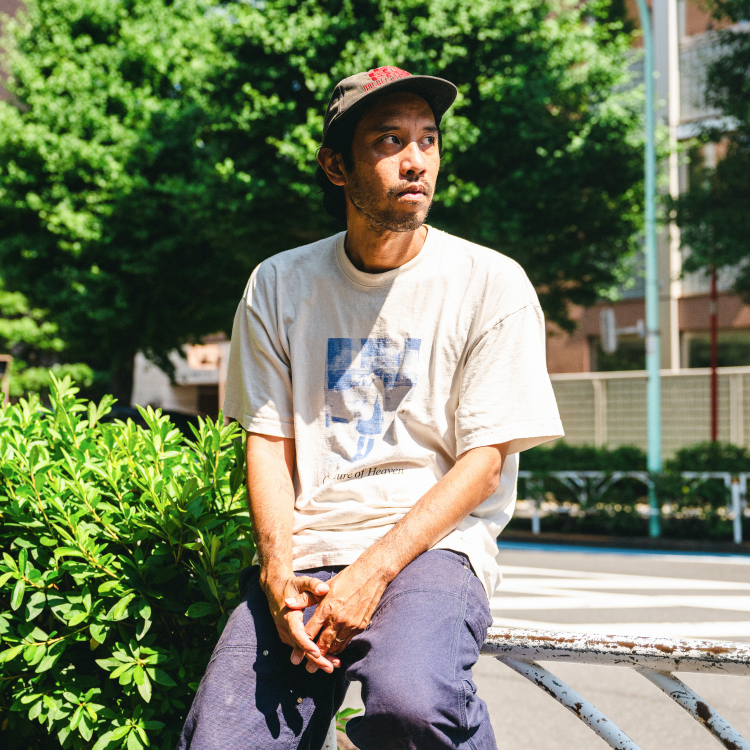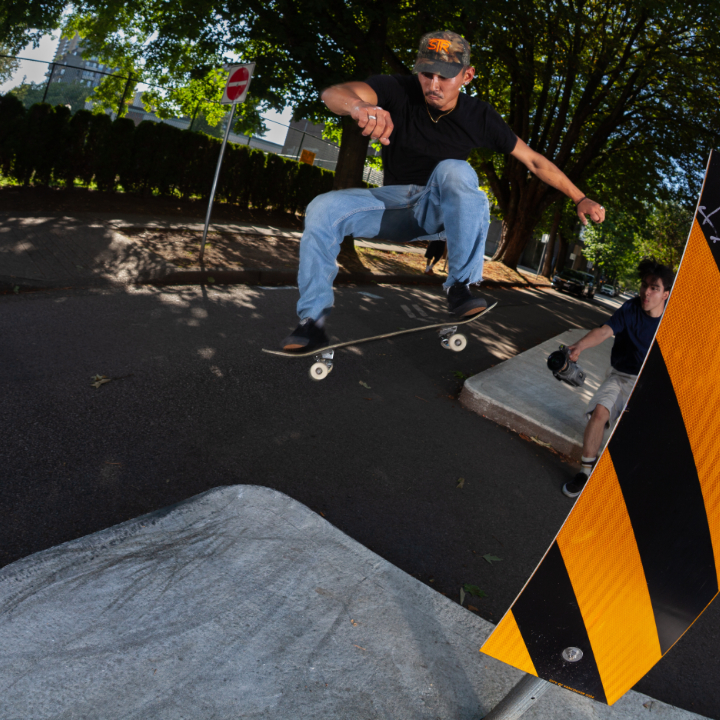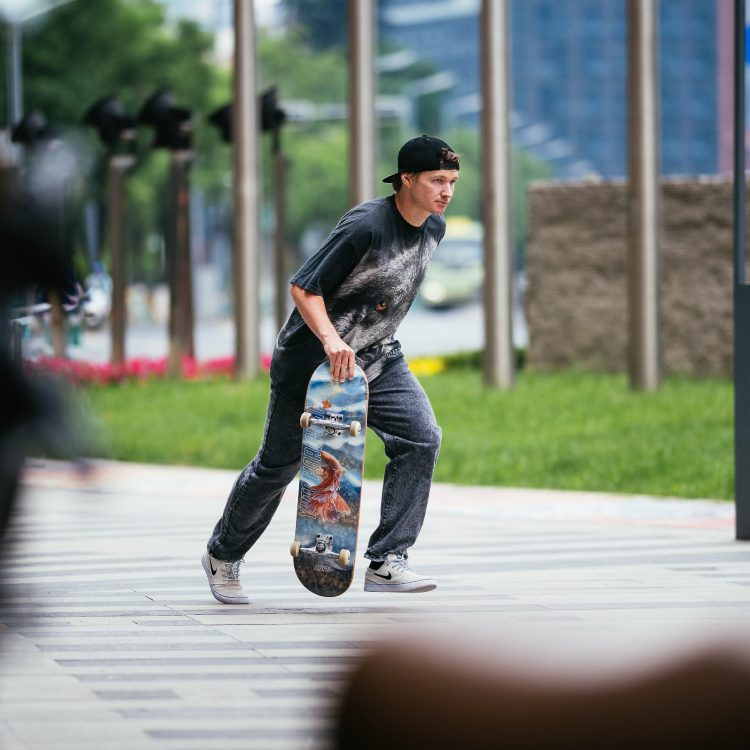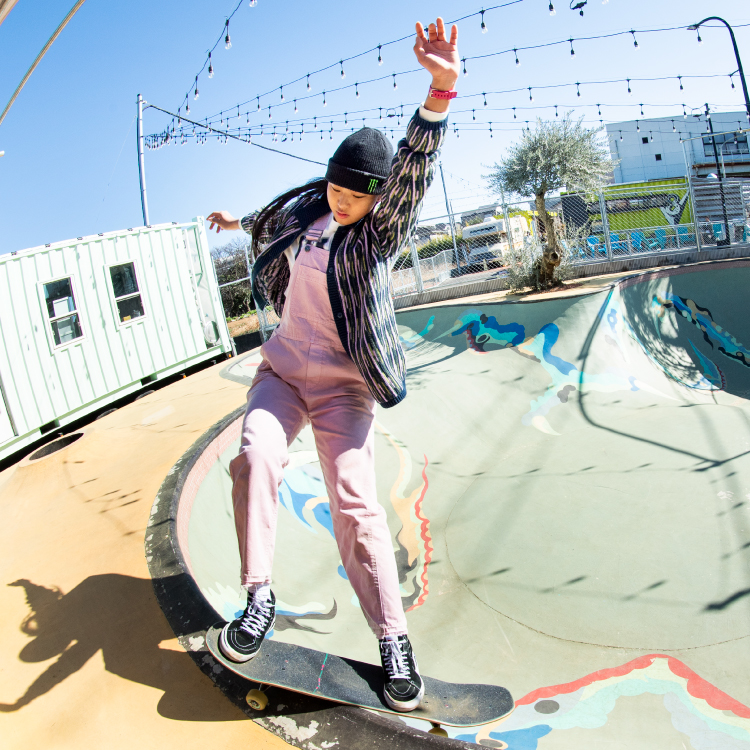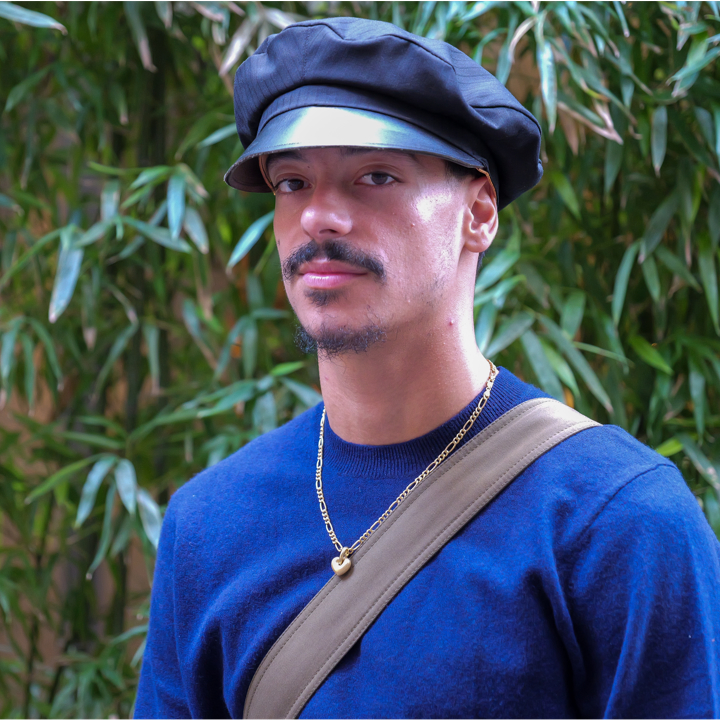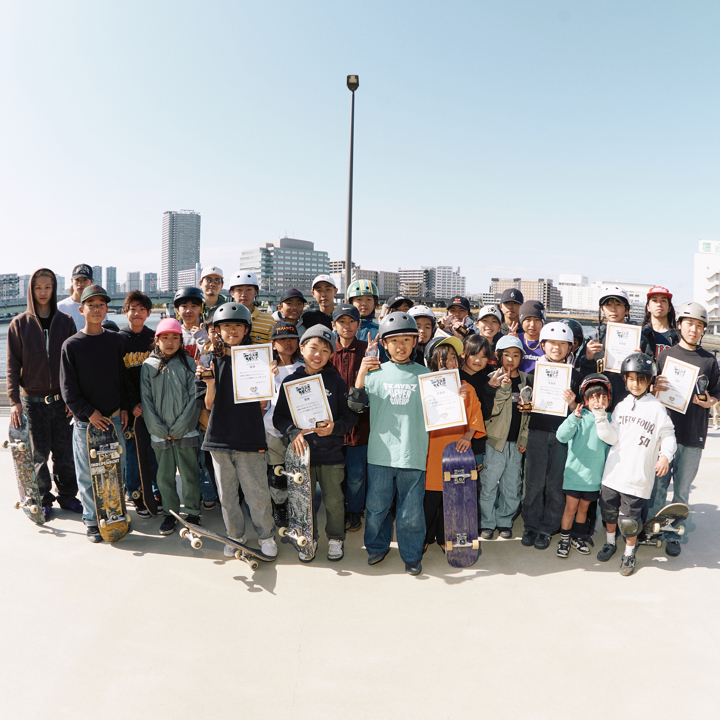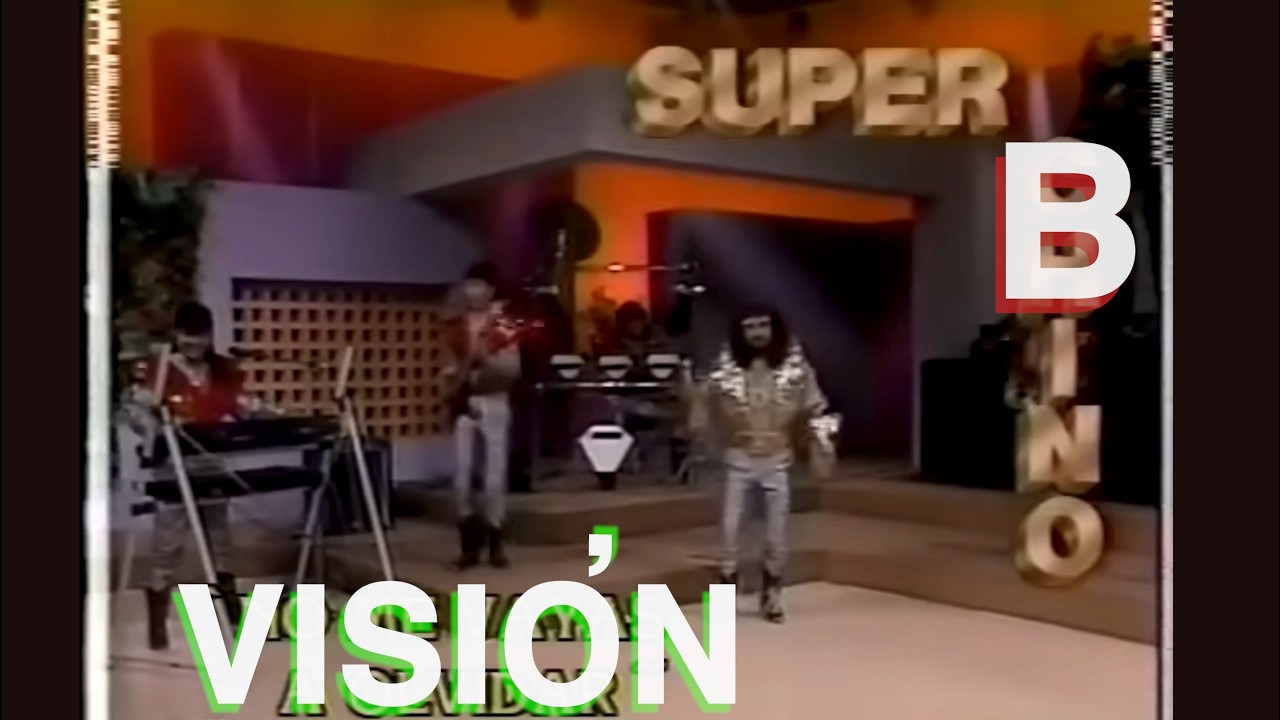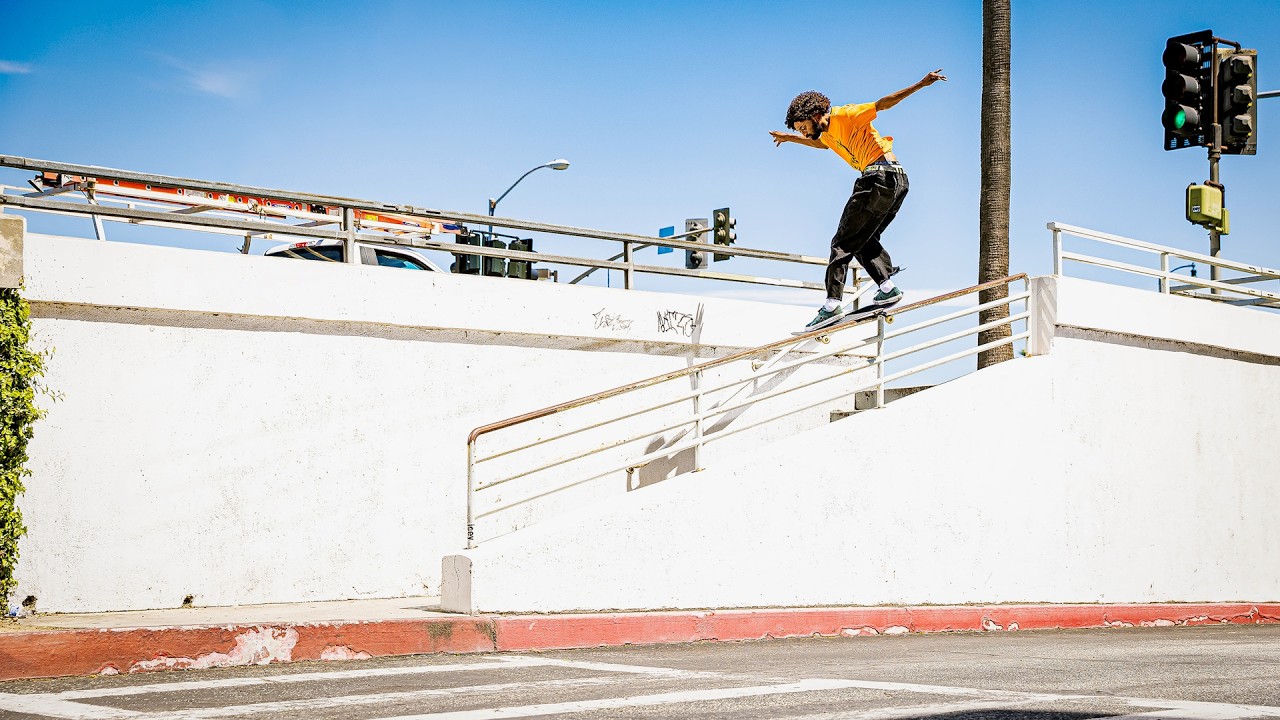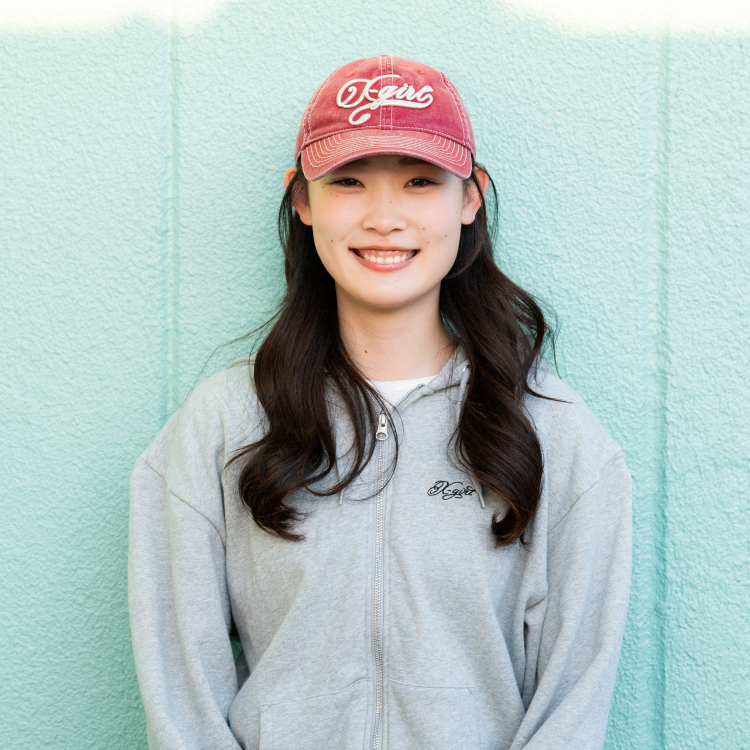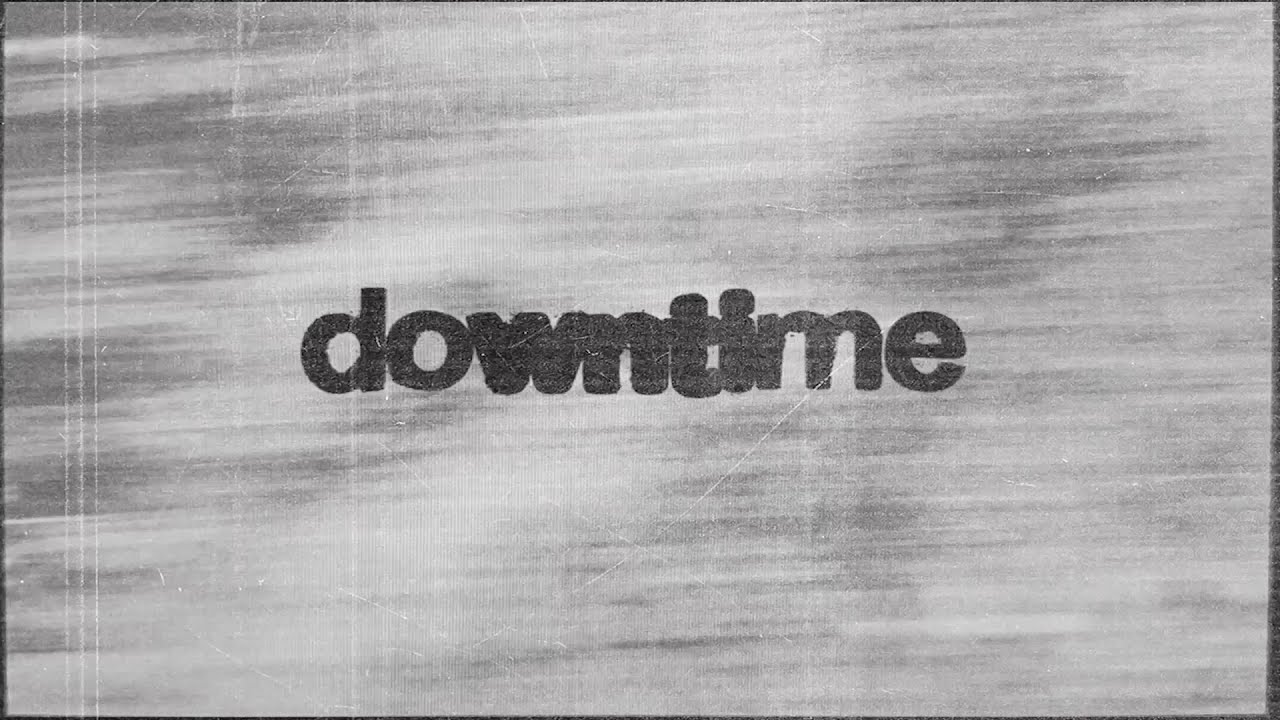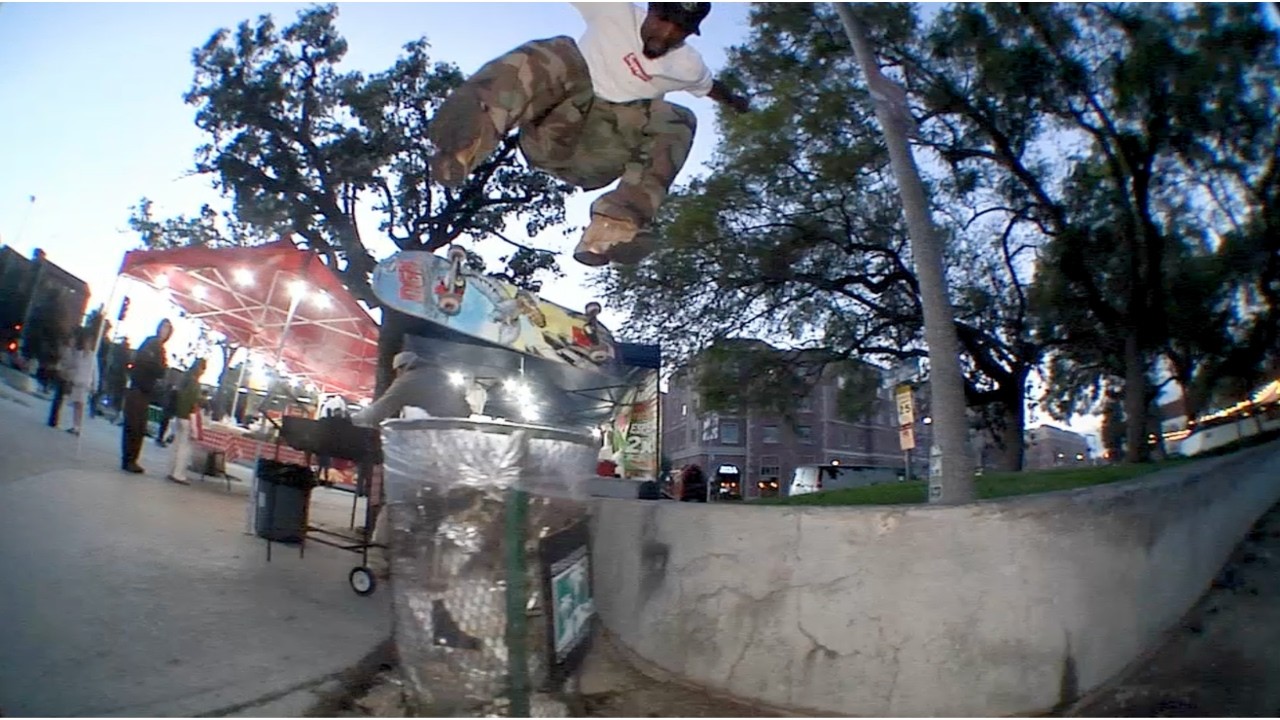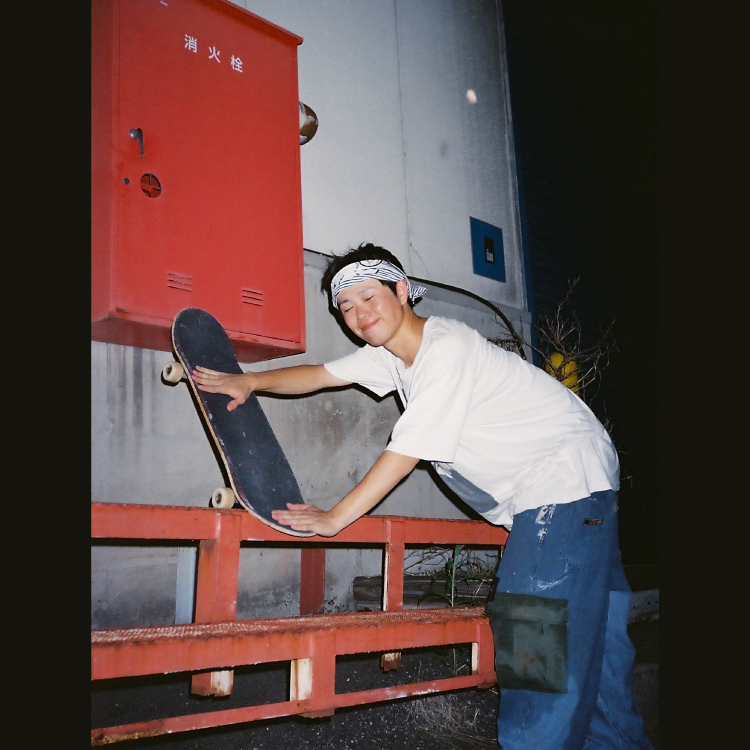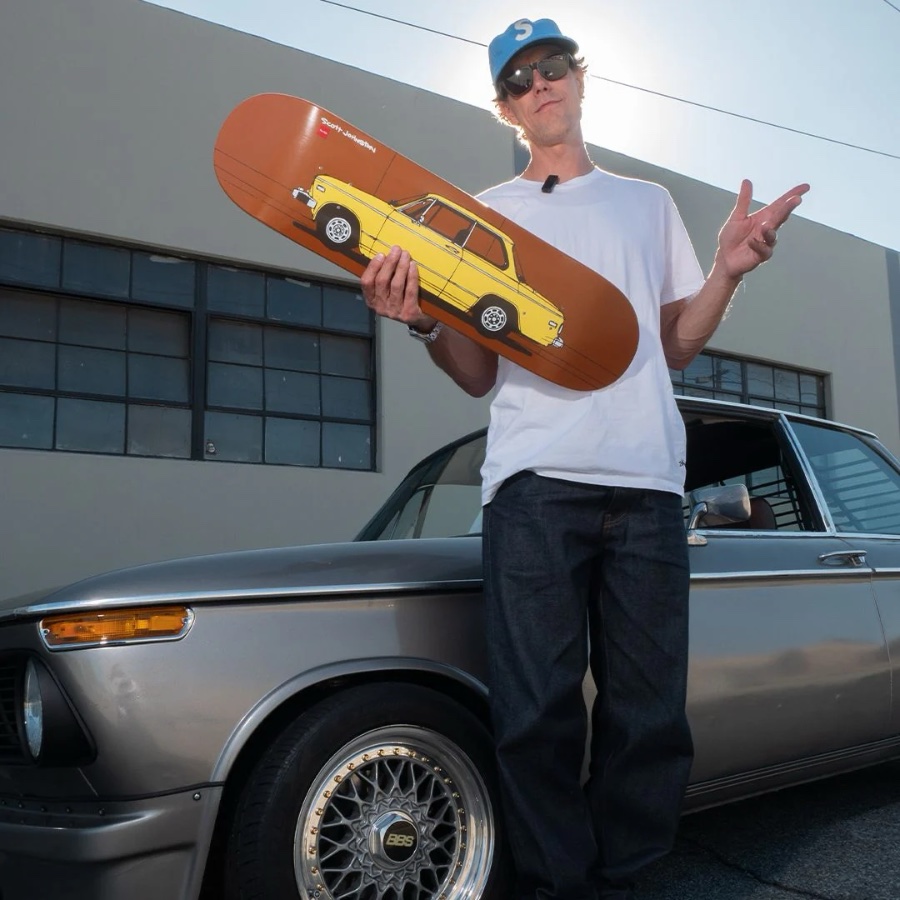
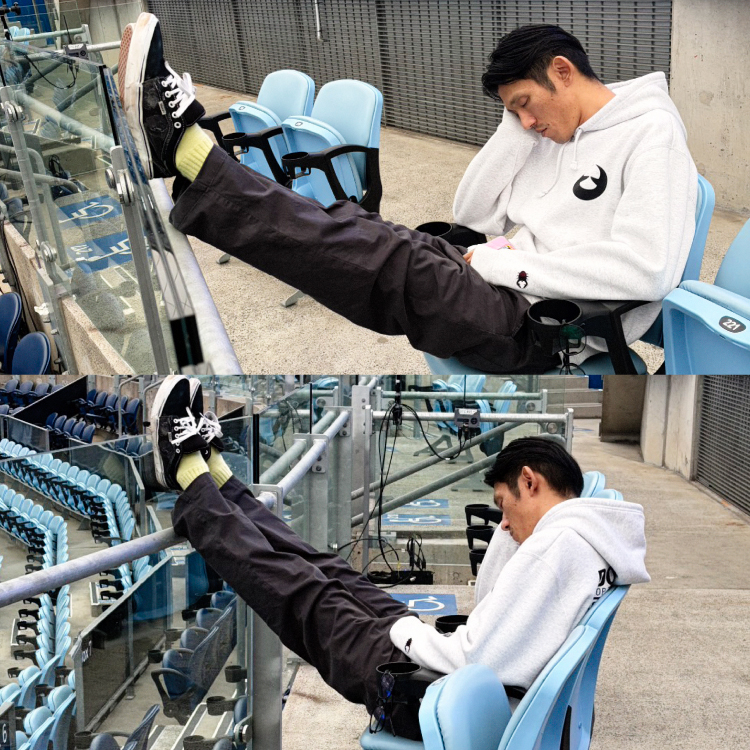
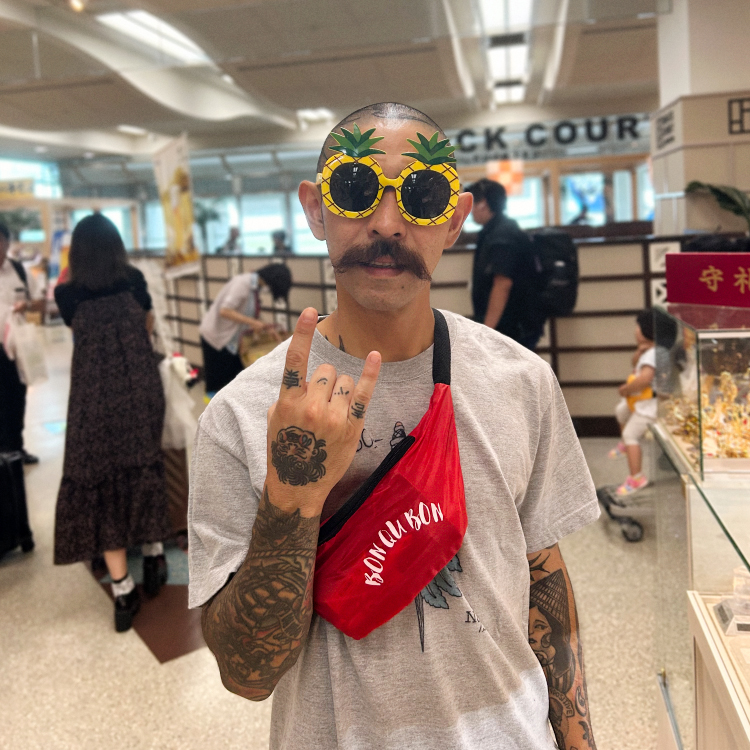
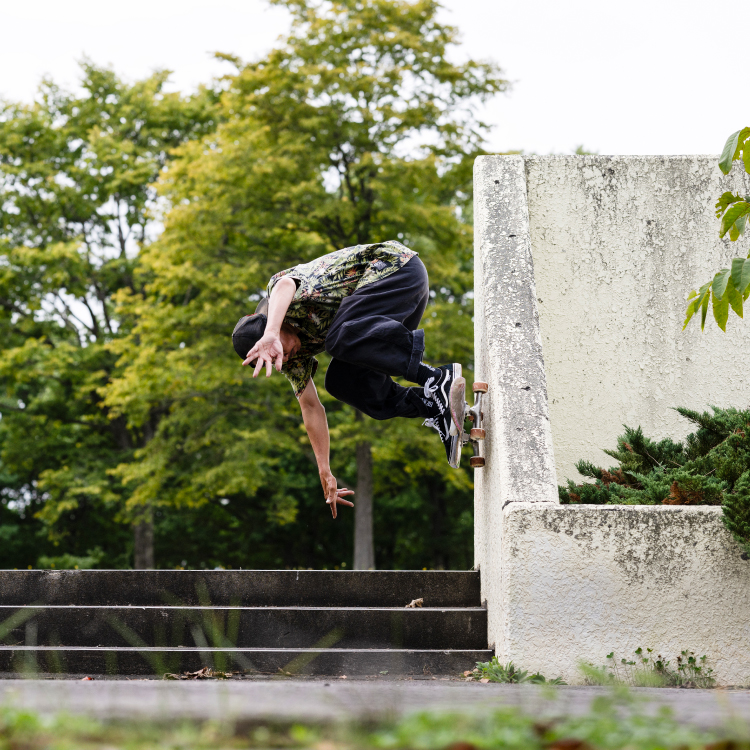
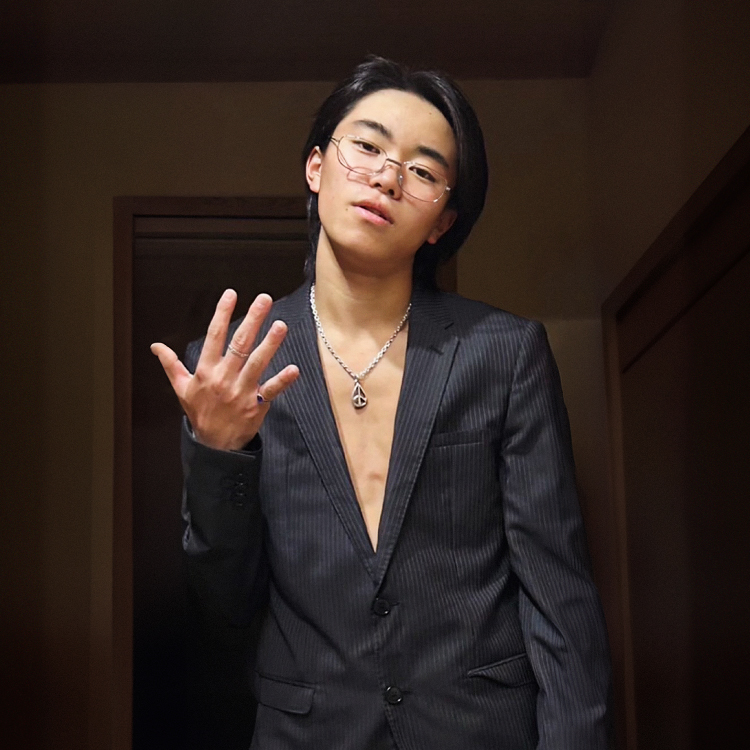
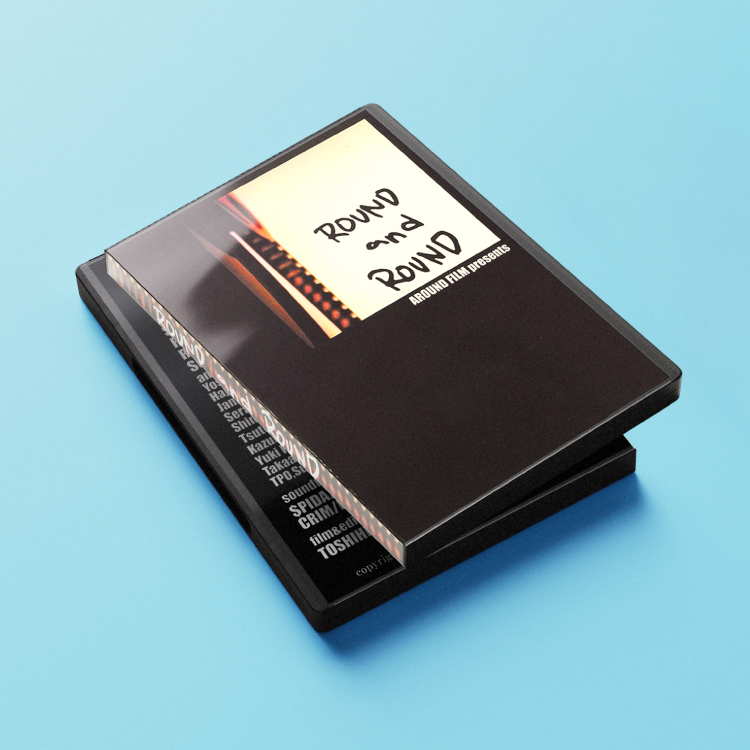
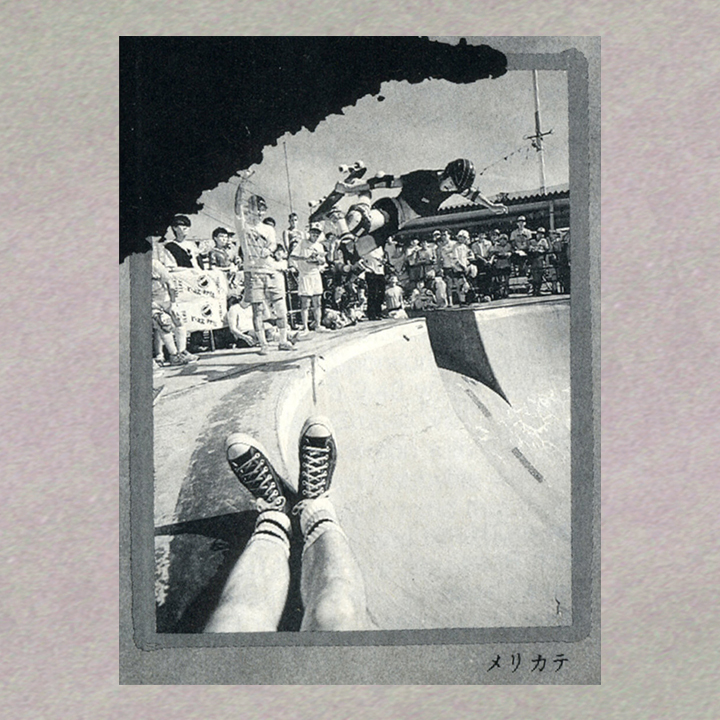
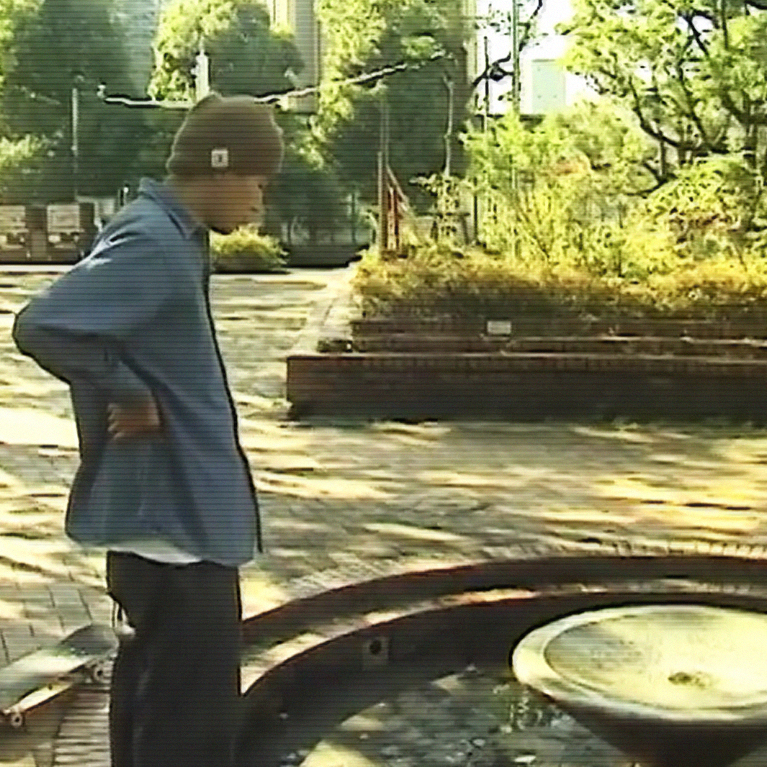


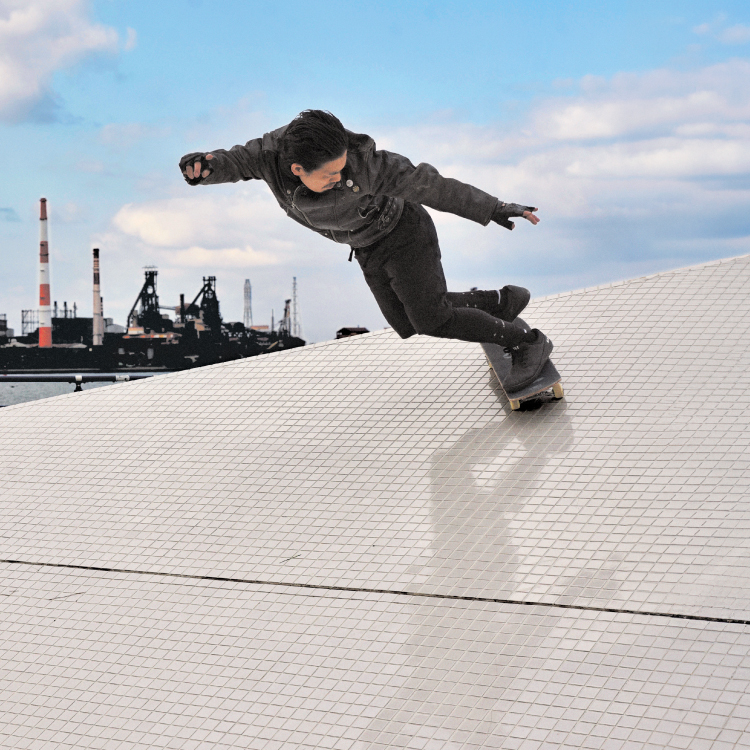
It’s been 30 years since Takahiro Morita founded FESN in 1995. He has pioneered skate video culture through his own unique form of expression in Japan. In this interview, Morita reflects on the past and present of FESN, his projects such as Kyugokan and Z-FLEX, and the new horizons he envisions for the future. A look into the ongoing journey of a skater who continues to move forward.
──TAKAHIRO MORITA (ENGLISH)
[ JAPANESE / ENGLISH ]
Photos courtesy of FESN
Poweslide photo_Taku Fukushima
VHSMAG (V): It’s been 30 years since you started FESN in 1995. How are you feeling about that milestone?
Takahiro Morita (M): It’s like, “Wow, 30 years already…” I don’t really feel it, to be honest. Then suddenly I’m like, “Wait, I’m turning 50 (laughs)!?”
V: What do you remember from the early days of FESN? Are there any projects or moments that stand out to you the most?
M: In the beginning, I remember thinking, “There are so many amazing skaters all over Japan — people who may not be in the spotlight yet, but who have that same burning passion!” I always believed there were all kinds of styles of skaters in Japan, and I was really fascinated by those nameless skaters from local cities. As a skater myself, I always wanted to stay cool and true to what I thought was cool. That’s why I wanted to film with skaters who I personally found inspiring. At the same time, I really wanted to make videos using underground hip-hop, which I was deeply into back then. Around that time, the DJ KRUSH movement — something Japan could truly be proud of — was happening right near where I grew up. That had a huge influence on me, and I dreamed of using music with that same kind of originality that DJ KRUSH brought to the world.
V: Over the 30 years you’ve been running FESN, how do you think you and the style of FESN have evolved?
M: When I started FESN, I was 19. Back then, Japan was behind the US in every aspect of skateboarding—especially street skating. We all dreamed of being like the American skaters of that time—appearing in magazines, cool ads, and videos. But we realized that if we wanted that kind of stage, we’d have to build it ourselves. So everyone came together, did what we could, and worked hard to make videos. At the beginning, I was more of a filmer and director than a rider. I couldn’t help but take on that role—it was just the reality back then. There weren’t many video media projects on a national scale in Japan, and it’s not like you could just wait around for the spotlight to find you. So I figured, if no one else was going to do it, I had to. I also believed that no one else could make videos the way I saw them in my head. So when I started FESN in ’95, I basically stepped away from being a skater to focus on filming and directing. Our first camera was the Sony CCD-VX1 Handycam Pro—a Hi8 model. No one in Japan’s skate scene was using that camera at the time. Even in the US, only top-tier productions had access to the VX1. FESN was the first to use it in a Japanese skate video. Before that, I was the kind of skater who never carried anything—just my board and myself. But once I started using the VX1, my whole skate life changed. Suddenly I had to skate with this huge bag on my back every day. It wasn’t easy. So looking back, having once stepped away from being a rider 30 years ago, the biggest change is that now—today—I’m back skating as an active rider again (laughs).
V: How do you feel the culture and visual expression in skateboarding have changed compared to back then?
M: Culturally speaking, I don’t think things have changed that much. But when it comes to videos, people have gotten way duller. Probably because of social media’s influence. Back in the day, when skaters in the ’90s made their own videos, they were basically just putting together a bunch of tricks to say “look how sick we are!”—a kind of collective self-pleasure, mutual admiration, and memory compilation, you know (laughs)? It might’ve been fun for the people in the video, but for outsiders watching, you’d be like, “Why are you even showing me this (laughs)!?” That was just the norm in skateboarding, though. But what really matters, I think, is whether that video was being sold as a product, or if it was just made by and for the crew without any intent to sell it. Because that makes a huge difference in how it’s valued. If you’re selling something, you’re making it for the people who pay for it—so if it doesn’t satisfy them, you won’t last long. On the other hand, if it’s just a homie video made for fun, then outside opinions don’t matter. That’s sacred territory in a way. Back then, the typical entry point for skate videos was forming your own crew or media outlet, producing a video, distributing it nationwide, and selling it. And once you sold it, you knew you’d get dissed—so you had to be ready for that. These days? YouTube, Instagram—everything’s done individually on self-contained platforms. Because of that shift, the depth of skate videos has changed. The line between “for sale” and “just for friends” has blurred, and as a result, skate videos as works have largely turned into self-promotion tools. And since there’s less direct money involved in videos now, I feel like audiences have become less critical too. Their passion’s cooled off. You can see it in how people don’t really diss skate videos anymore. If something’s good, they’ll say “That’s sick!”—but if it’s trash, they won’t go in like they used to. Back then, that was part of it: dissing was the culture. In a contest, the best skater always wins, right? But with skate videos, it’s subjective—someone might say, “Yeah, he’s good, but his style’s lame.” And that would spark endless debates among skaters about what’s cool and what’s not (laughs). From a distance it might seem trivial, but within the skate video movement, that stuff mattered. The passion of the viewers was everything. And skaters are competitive by nature—they hate admitting someone else is better (laughs). Anyone who appears in a video is basically a rival. Every active skater skates like they’re the best. Even when they acknowledge someone else, they’re judging the whole package—like, “Is he a good dude?” That matters too. But just being a good person isn’t enough either. So yeah, it’s good that skaters are harsh critics. At the same time, they’d never diss footage of a skater they actually respected. Cute, right (laughs)? But if they saw someone whose style they couldn’t stand—lame fashion, lame hair, lame trick selection, lame tempo, lame movement, or someone pretending to be original while copying others—they’d just avoid that person altogether (laughs). Still, when you meet someone whose personality transcends all that, it reminds you how amazing skateboarding really is. Honestly, I think dissing skate videos is part of the culture. That’s how skaters around the world have pushed each other and raised the overall level—each sharpening their style as a weapon. Once you start talking about dissing, there’s no end to it (laughs). And when you’ve got homies to share that energy with, it only escalates. Isn't that right, FATBROS crew ♥️?
V: These days, your focus seems to have shifted from street skating to cruising — what sparked that change, and what’s behind it?
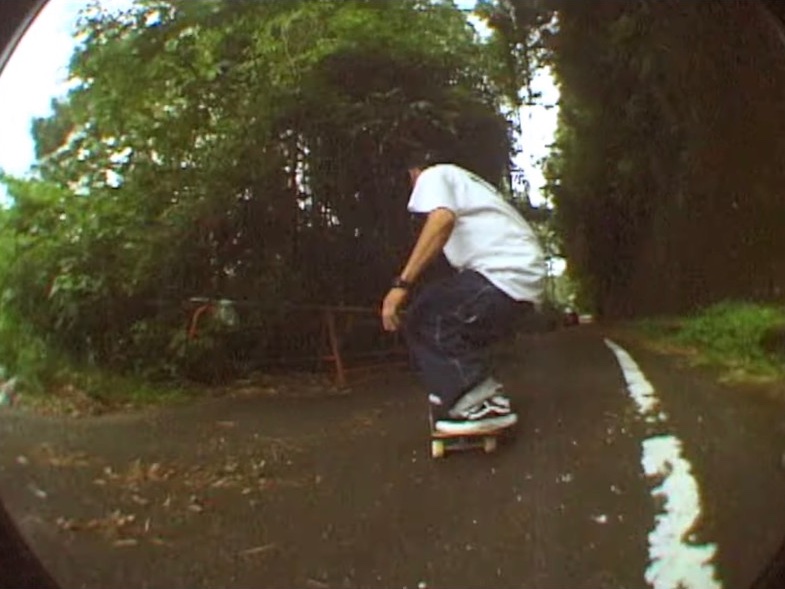
M: Cruisers are, to me, the essence of street skating. They can handle any rough surface and still keep moving, and you can actually brake on them. You don’t have to worry about the pavement or the noise and end up walking—so it just suits me better. You mentioned that my focus has shifted “from street skating to cruising,” and honestly, I used to think in those terms too—like doing tricks was “real” skating, and cruising was secondary. But as I kept doing both and stayed true to what felt good on a board, cruising naturally became number one for me. That said, I still ride hard wheels and skate street with my friends from time to time. Back when I first got into cruisers, I noticed something interesting. After a while, whenever I went back to skating the streets on hard wheels, the ground felt too slippery—like I couldn’t move the way I wanted to. So I switched my main setup from hard wheels to soft wheels, and it just clicked. My speed went up, my push range expanded dramatically, and pumping felt insanely fun. I got so into it that before I knew it, I’d become “the Penny guy (laughs)." At the time, I hadn’t really seen many people hitting the streets with soft wheels, at least not from my perspective. So I thought, “Alright, I’ll be the first one to really do it,” and just went for it. Also, I’ve always thought of skateboard wheels like motorcycle engines. A small engine is light and nimble, but it doesn’t have top speed—you’re limited to short-range riding. A big engine, on the other hand, is heavy and less agile, but its top speed lasts longer, so it’s more efficient for long-distance rides. Looking back, I think I just wanted a board with a bigger engine.
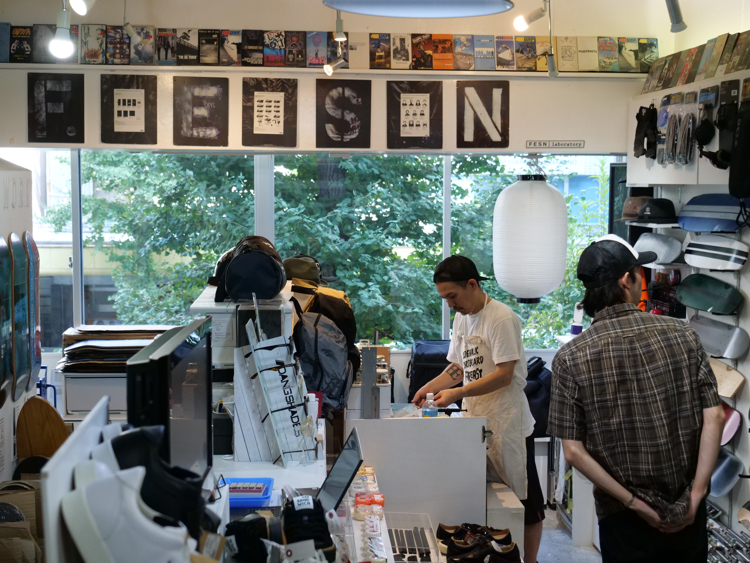
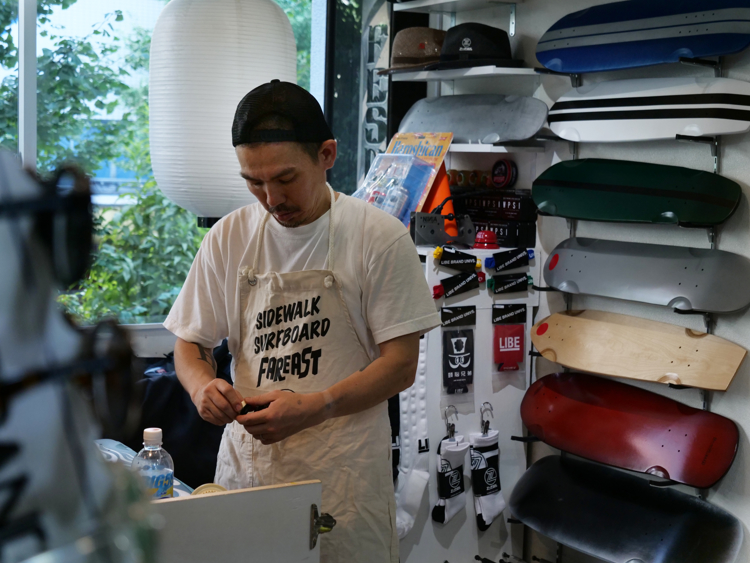
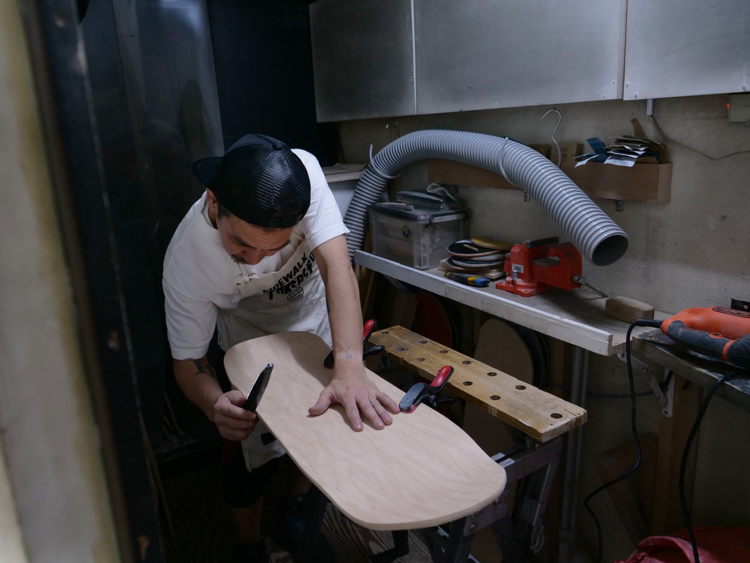
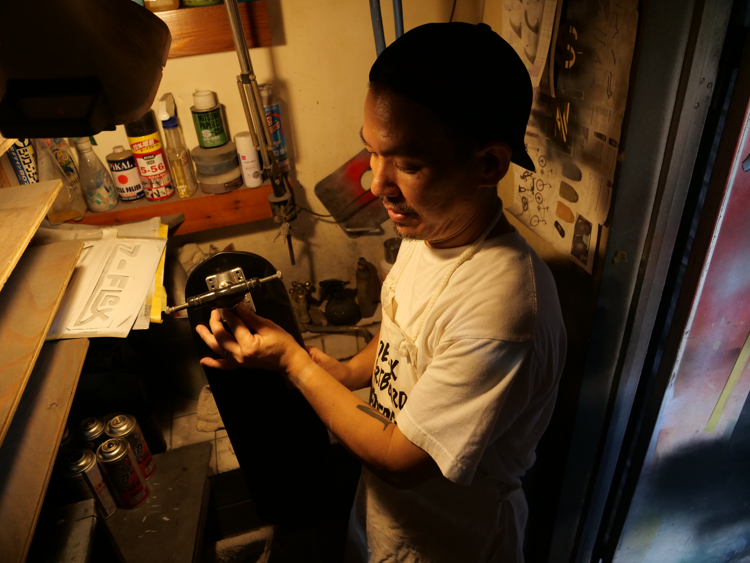
V: I see. I’d like to ask about Kyugokan, the new space you opened in Koenji — what kind of concept did you have in mind when creating that place?
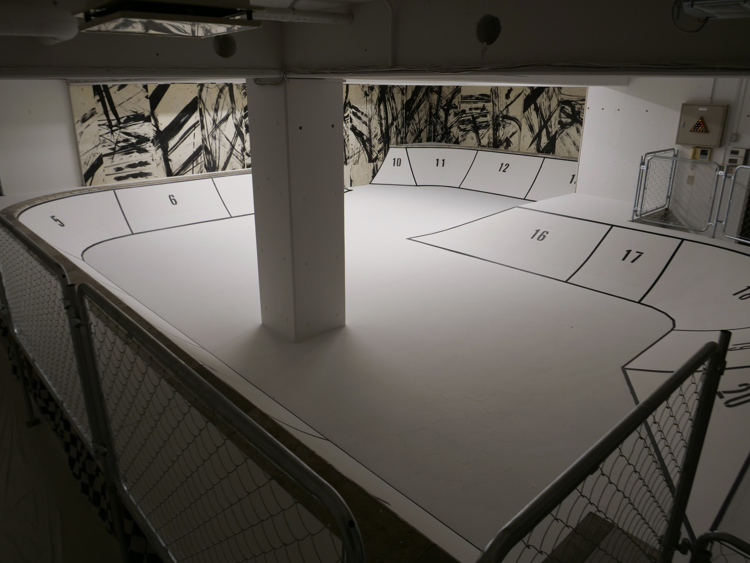
M: While working at my shop, FESN laboratory in Nakano, I realized that there are actually quite a few adults who started skating after watching my videos. And what I noticed about people who pick up skateboarding as adults is that they usually don’t have a place to skate, friends to skate with, or anyone to teach them the basics. I’ve always struggled myself to find good places to practice, and honestly, skating under the blazing summer sun just isn’t doable anymore. So I started thinking — why not create our own practice space and open it up to adult students? I felt that building a community for this new generation of adult skaters would become increasingly important. Kyugokan is a special skate facility designed exactly for that new demographic — a place for adults only, with a limited number of people, where you can enjoy skating in a relaxed, mature atmosphere. After skating, you can sit at the counter, have a drink, listen to music, and just hang out and talk with friends. That’s the kind of place I wanted to create. At the same time, skateboarding has always been something you can do for free, just by going outside. So if we’re going to charge people by the hour to skate here, it’s our responsibility to offer real value that exceeds that price — to make sure every visitor leaves satisfied, and to build a relationship where we can all grow together. And to make that kind of relationship possible, what we needed was a place. A place that could be a gym, a classroom, an audiovisual room, a gallery, a club, a live venue — but above all, a training ground for skateboarding. That’s why, for me, Kyugokan was necessary — it’s my way of sharing what’s truly great about skateboarding.
V: How has having this space influenced FESN’s activities and your connection with the skate community?
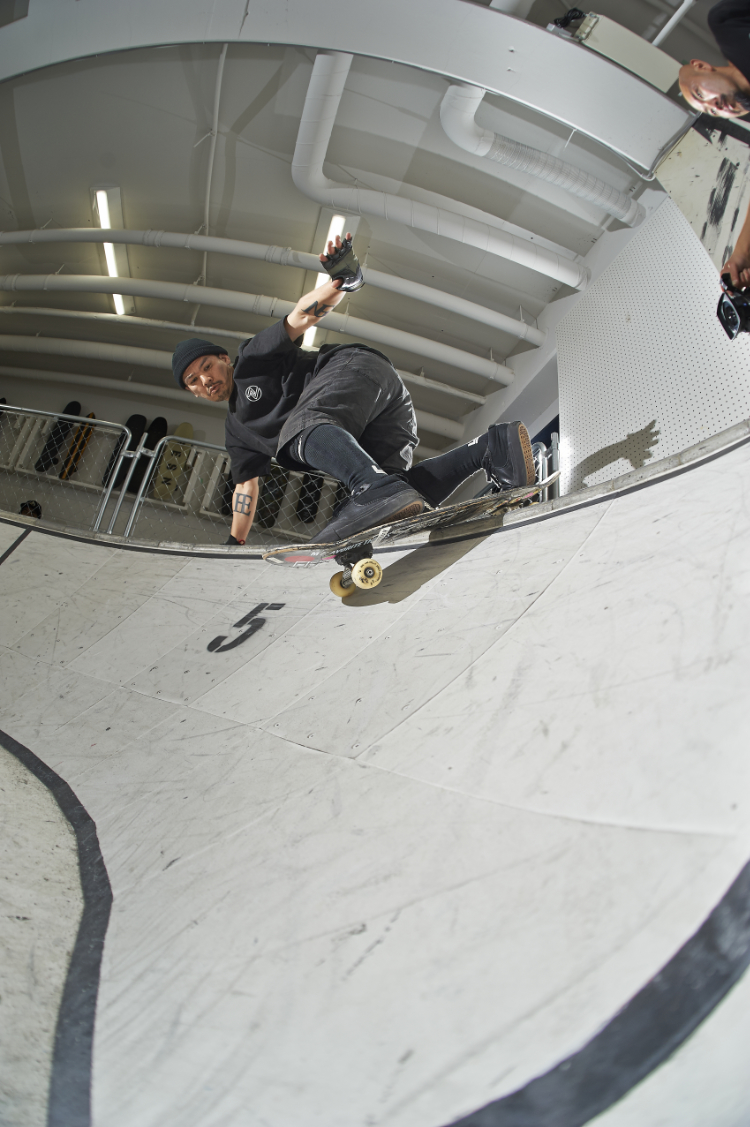
M: Thanks to Kyugokan, everyone on the FESN staff seems to be having a great time these days. After work, each person practices a bit before heading home — and sometimes I’ll join in, and before we know it, it turns into a heated session that naturally leads to filming. For me personally, it’s opened up new opportunities, like teaching skateboarding to fans, and we also host monthly events there. I’ve been seeing my friends a lot more too. Koenji, where Kyugokan is located, is actually my real hometown — I went to kindergarten, elementary, junior high, and high school there. Old classmates often drop by for a drink, which is really nice. For regular visitors or people who’ve only recently started skating, Kyugokan is a place where they can relax and practice safely at their own pace. Lately, even young riders who are aiming to go pro, as well as passionate fans from overseas, have been coming through. It just makes me happy to see everyone stopping by to skate and hang out. So if anyone’s interested, please come visit — as long as you’re over 20, that is.
V: Are there any projects or ideas you’d like to try out at this place in the future?
M: I recently set up some sound equipment. Last month, we held a premiere event for the new Z-FLEX video, and honestly, it turned out amazing. I bought a pretty big screen and used a projector I’ve had for years. For the screening, I borrowed some speakers from a friend, and it made me realize how great it feels to host a premiere again. It was only about a 15-minute video that time, but I could tell that the setup could easily handle an hour-long film. Since the speakers were borrowed, I thought, “Next time, I want my own!” So I started collecting audio gear recently. Also, I used to be into DJing just for fun back in the day, and I’ve been wanting to get back into it. Now there’s a CDJ setup next to the counter at Kyugokan. FESN also runs a YouTube membership program, and just the other day, during an online meeting, I played a nearly two-hour DJ set like a radio show. So yeah, I’ve got a lot of ideas involving sound and video. First up, I’d like to launch an online “FESN Skate Video Academy” to train the next generation of video creators.
V: You’re running Z-FLEX alongside FESN — in what way are you involved with the brand?
M: Z-FLEX is where I came up as a rider — it’s my roots. I actually turned pro under my first sponsor, TOKYO Z PRODUCTS. These days, I serve as the brand’s director, handling everything from team management and product design to sales and overall operations.
V: What do you think is the appeal of Z-FLEX as a brand, and what message do you want to convey?
M: I really think that if you want to create something new, it’s important to go back to the old, learn as much as you can, and study it thoroughly. For example, if you’re a DJ, the more music you know, the more data you have, right? From that data, you pick the best tracks at the right moment. If your data is limited, that means your key options as a DJ are limited too. The difference between a DJ with an overwhelming amount of knowledge and one without it isn’t just in the choices—they differ greatly in terms of understanding itself. That naturally affects the depth of your selection. Of course, sense or taste comes into play, so it’s not always about which is better. Still, having knowledge is always better than not having it. Speaking of Z-FLEX, when I first went abroad, I met an American pro skater who was a Z-BOYS rider. Inspired by him, I dove deep into learning about the Z-BOYS, and that winter, I actually became a Z-BOYS rider myself. Call it luck, fate, or simply a connection. Since then, I followed in the footsteps of my seniors as a Z-BOY, but eventually, I became the oldest generation still active. Back then, I never imagined that the youngest rookie like me would one day rebuild the team and take on a leadership role. It’s truly surreal. In any case, I see Z-FLEX as a brand built with a long history and a forward-looking vision for the future of skateboarding. I believe the impact Z-FLEX has had on modern skateboard products—through innovations like the Z-Rollers, Everslick, rail bars, and concaves—is immeasurable. I don’t know if it’s destiny, fate, or just pure chance, but thanks to my predecessors and the connections I’ve had, I’ve become the rider who has used Z products longer than anyone else in the world and still actively does so. Because of that, I have a special attachment to Z products. And the truth is, at this moment, I see perspectives with Z products that no one else in the world can see. That’s why there are things I absolutely want to do with Z-FLEX. Right now, my focus is to find what I can do for the Z-FLEX team and give it my all. “Always leave your mark!”—I learned this as the “philosophy of offense” from the Z-BOYS. I’ve personally learned from Z products the life principle that “everything goes around and comes back, connecting to what comes next.”
V: How do you think the activities of FESN and Z-FLEX influence each other?
M: At FESN, we mainly work on skateboard media, shop operations, the planning and production of skateboard products and apparel, as well as organizing skateboarding events. The skills we’ve cultivated there are directly applied to running the Z-FLEX brand. I think it’s important for both brands to operate with a long-term perspective and a vision for the future. FESN is celebrating its 30th year this year, and Z-FLEX will reach its 50th anniversary next year. Young Z-FLEX JAPAN riders like Issei Sakurai and Leon Kaetsu are now competing on the global stage, going beyond Japan. If we can once again showcase the golden era of Z-FLEX to the world, I think it will excite fans from the ’70s and those who were involved back then. More than anything, I want to carry forward the legend of Z-FLEX—which I’ve always loved—into the future. Riders like George Wilson, Chris Pasques, Kent Sherwood, and Jay Adams… and in Japan, TET MORI. Thanks to all the many mentors and supporters who have been involved with Z-FLEX, the brand still exists today. That’s why I want to apply everything I’ve learned at FESN to the Z-FLEX project, working closely with the current riders to move the brand confidently into the future.
V: What kind of projects do you want to bring to life with FESN going forward?
M: Lately, I’ve been really interested in skateboard racing. Just the other day, I even competed in a federation-sanctioned slalom race. The results were pretty rough, but it was a great learning experience. Slalom has evolved at an incredible speed in terms of gear—compared to the first race I entered 12 years ago, the difference in equipment is like night and day. That said, what I want to do is still connected to the street-style skating I’ve always practiced, so right now I’m working from scratch on planning everything, including courses and regulations. At the same time, I still have the desire to compete as a racer myself, which makes things a bit tricky (laughs). For now, I want to reach a certain level by participating in slalom races run by my seniors. Lately, that’s meant riding my race board through the streets of Nakano at night—my new “night work,” so to speak.
V: What kind of impact do you hope FESN will have on the skate community going forward?
M: Ever since I started FESN, I’ve been making videos with the themes of skateboarding’s diversity and localism. That hasn’t changed, and no matter how times change, I want FESN to always be ahead of the curve. I’ve always moved forward according to my own ideas, without discrimination or hierarchy toward any style of skating, and I think that continues today. I hope more and more riders around the world will dare to be different, ask themselves “Who am I?”, and put that into practice. To me, that’s the most exciting part. FESN and I are drawn to “things you’ve never seen before.” Skateboarding is a tool for self-expression, right? Yet it’s really disappointing when people don’t even try to imagine or experiment with new approaches to skating. Beyond the struggles of creation lies a whole new world. If we don’t do it, then who will?
V: What would you like to share with young skaters and creators, based on your 30 years of experience?
M: When you’re young, I want you to gain as much knowledge and experience as possible. I also think it’s better to realize early on that there’s a world out there where “not knowing” isn’t an excuse. To get a bit serious here, we’re all human, right? And we all die someday. So, I decided when I was a kid—and it hasn’t changed—that I want to live as dramatically as possible. That mindset, of not wasting a single minute or second, shapes the way I live my life. Skaters are performers, and I think creators are the same. Both express and create things for someone other than themselves. In other words, it’s the ultimate act of love directed toward someone you haven’t even met yet. When you think about it, the world that unfolds afterward depends on that expression of love—it’s pretty romantic, right? Whether someone feels that romance or not is up to them. As for me, I still dream about the “unknown world,” and I want to keep riding skateboards with hope. In my life, I am the protagonist of my own story, but to everyone else, I’m always a supporting character. So I want to be the best supporting character I can be while pushing forward in my life. I also want to sincerely thank all the seniors who have guided and challenged me, all the friends who have shared countless moments with me, and the family, staff, and teammates who chose to share their destiny with me. And of course, to all the fans who continue to support me and FESN—thank you from the bottom of my heart. FESN and I will continue moving forward on this path. Challenges are what define my life! So to everyone: thank you, and please continue to support us!
Takahiro Morita
@fesnofficial / @fesnlaboratory / @fesn.kyugokan / @zflexskateboardsjapan
Born in 1975 in Tokyo. In 1995, he founded the video production company FESN, leading Japan’s skateboarding video culture with its innovative works. Today, through the operation of FESN laboratory and the skate facility Kyugokan, he continues to explore new possibilities in skateboarding while maintaining his active career as a skateboarder.