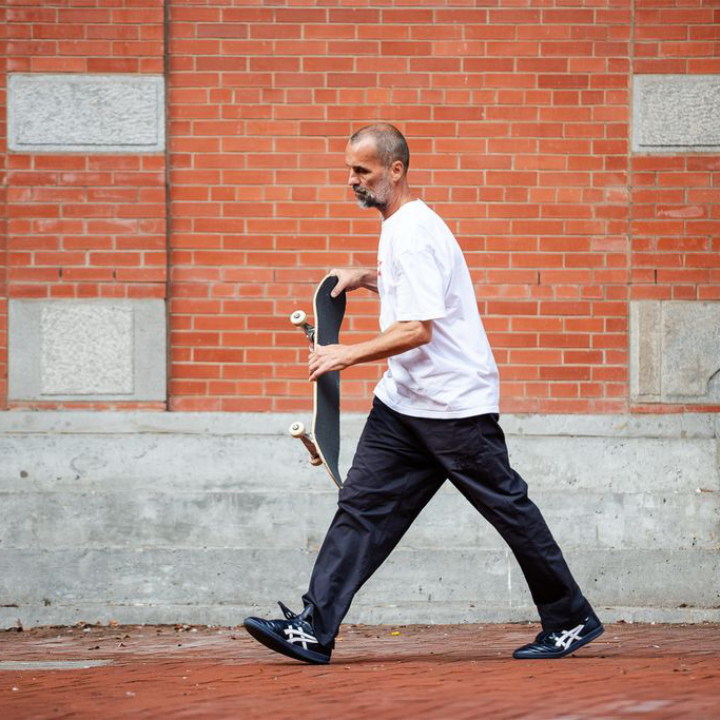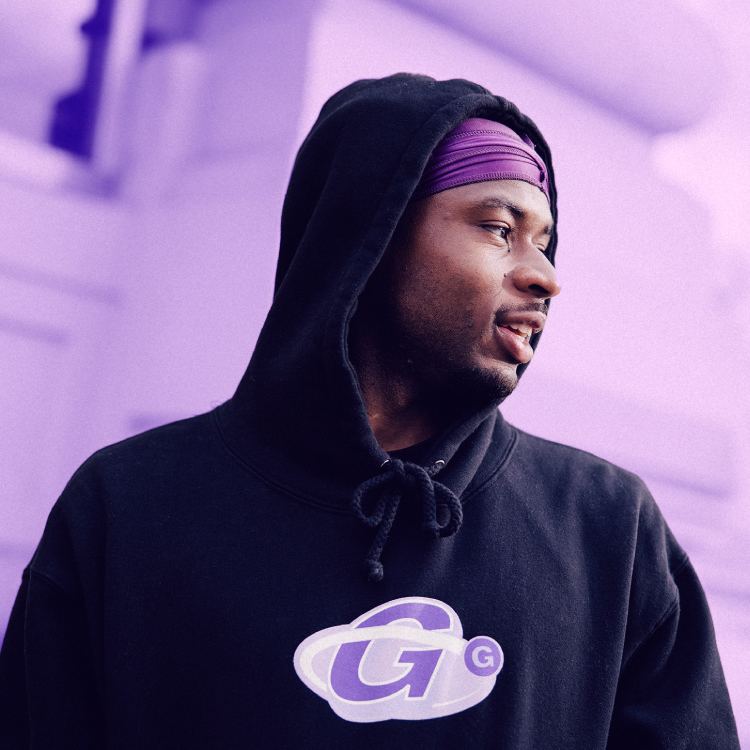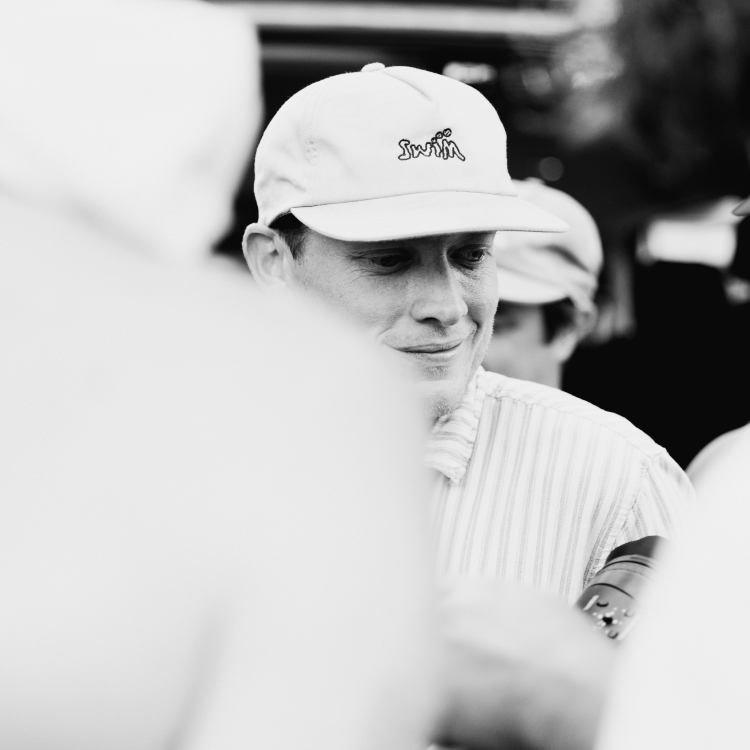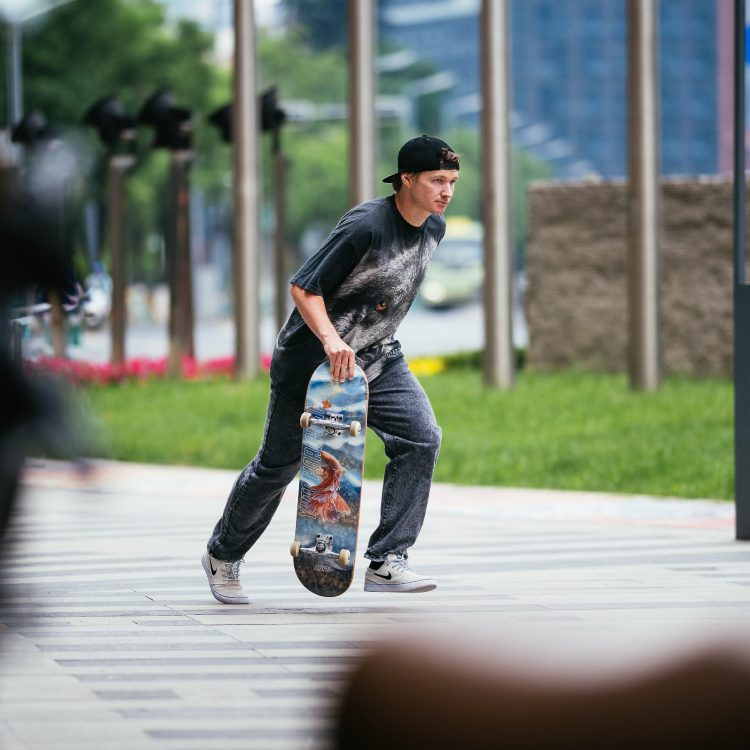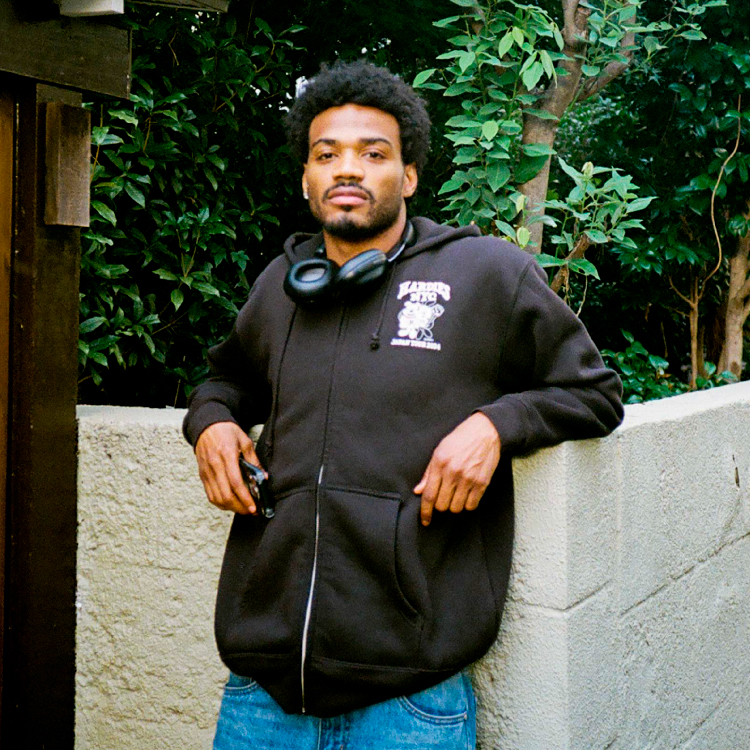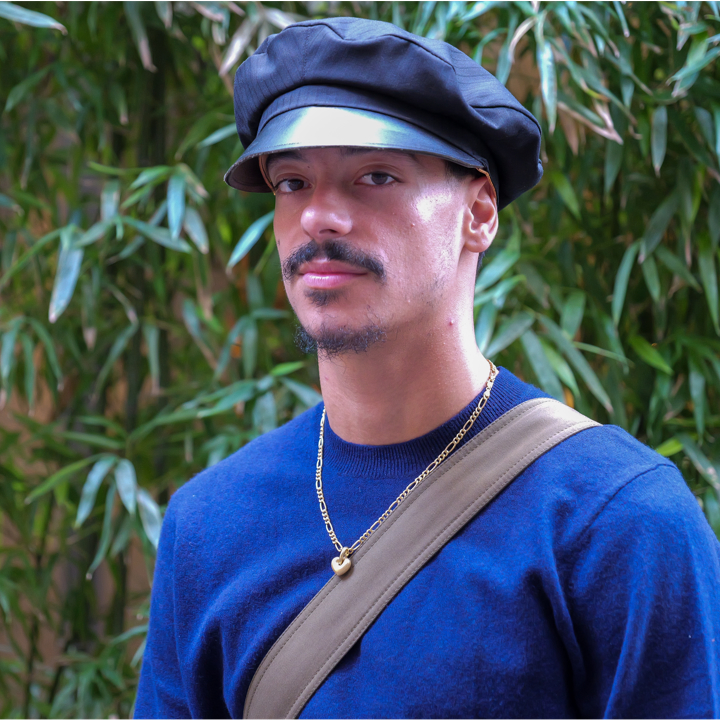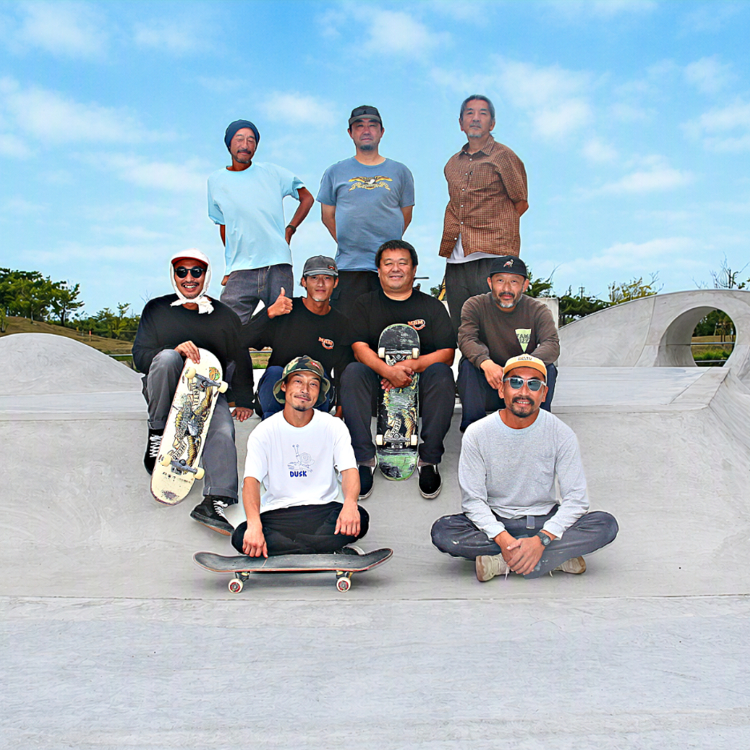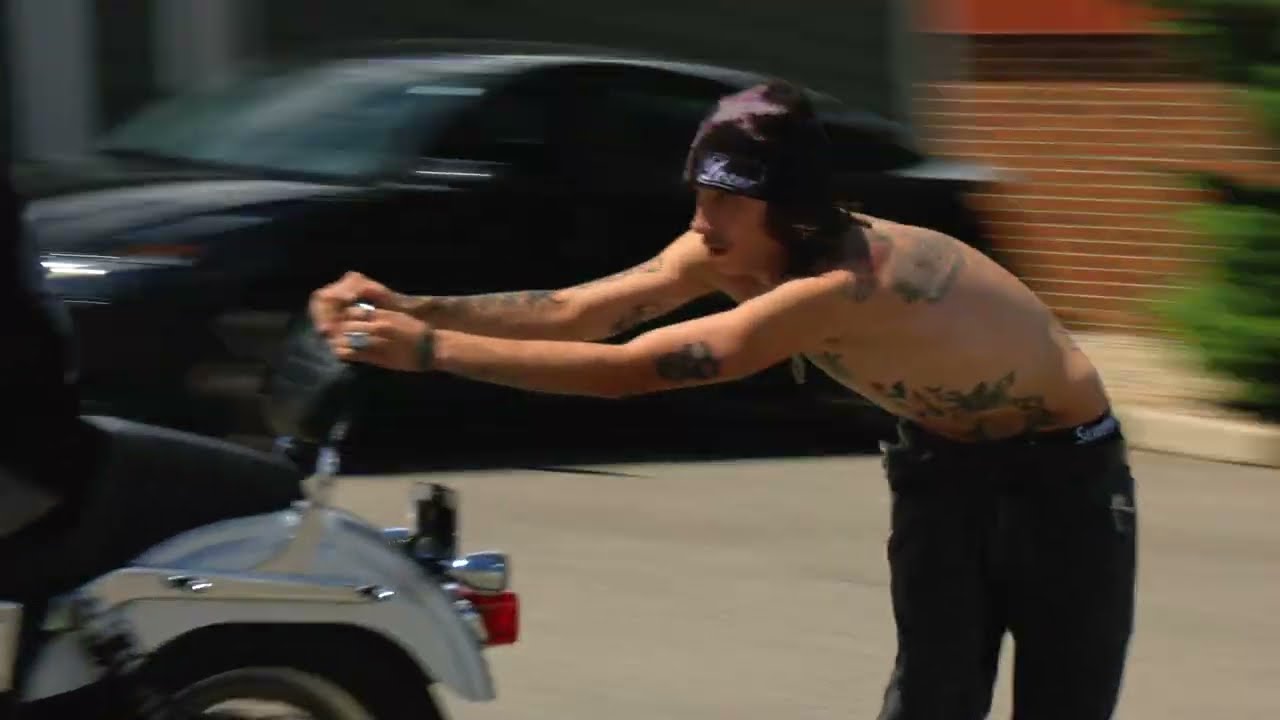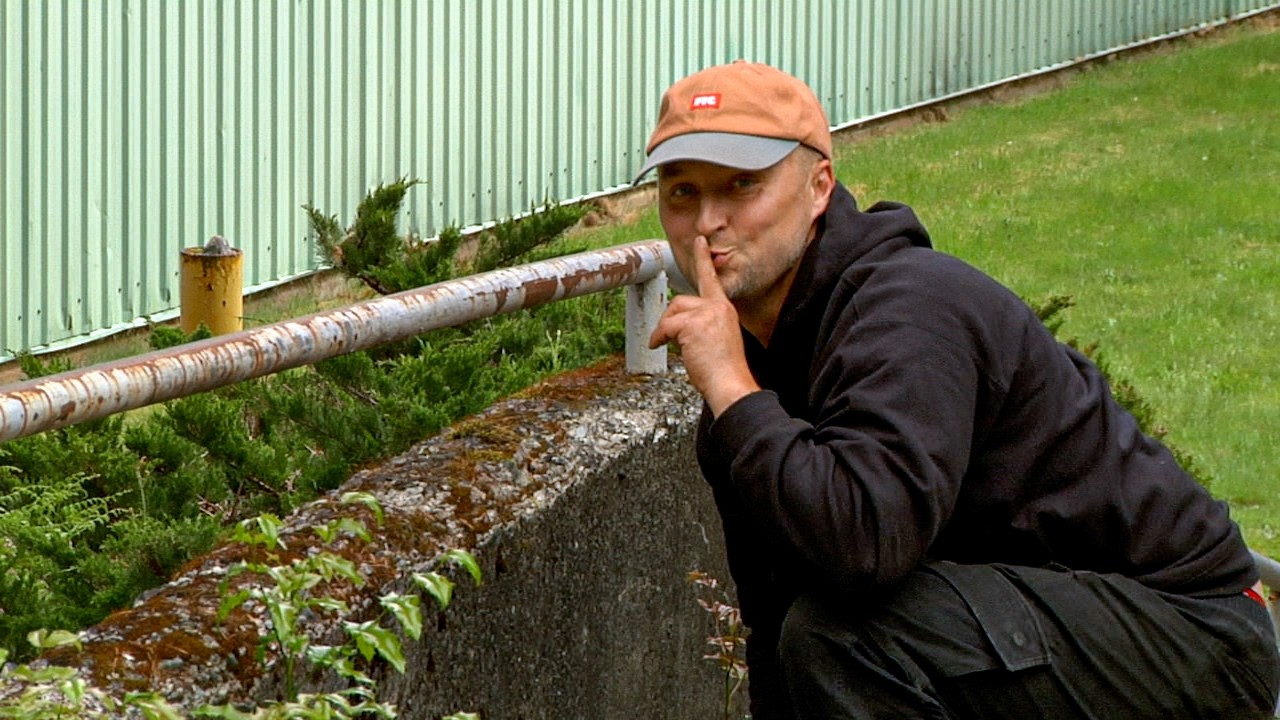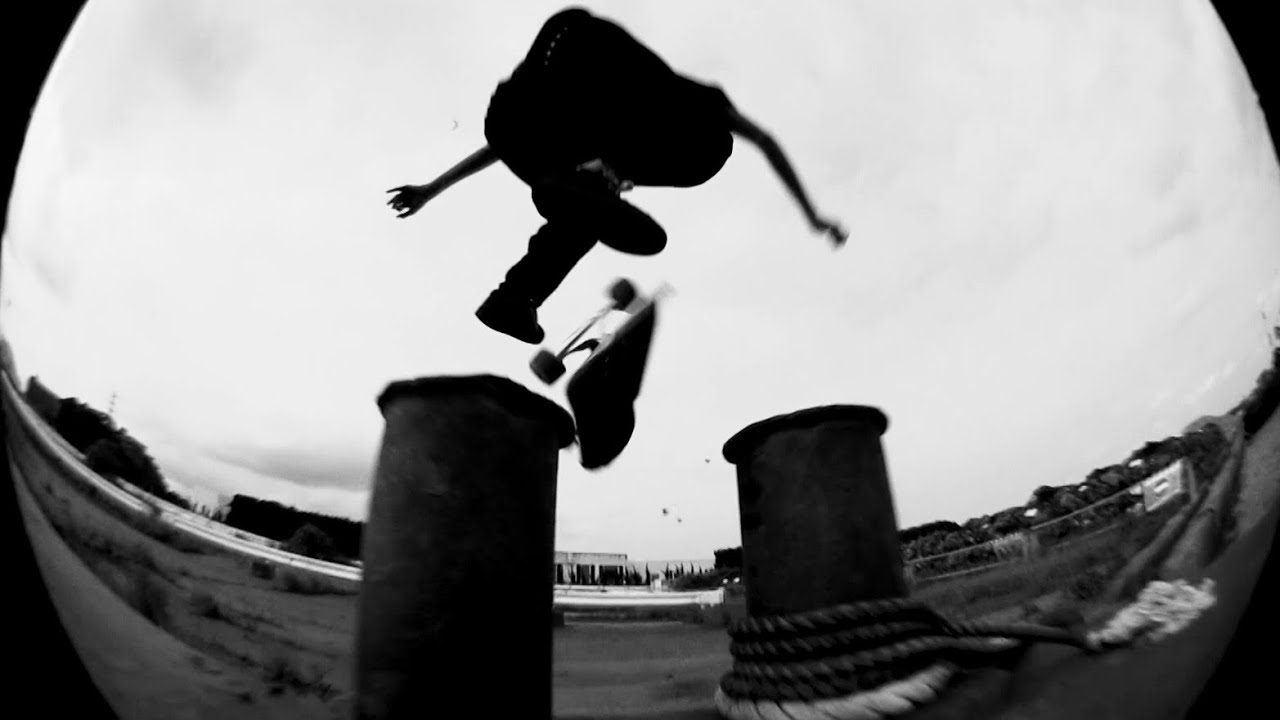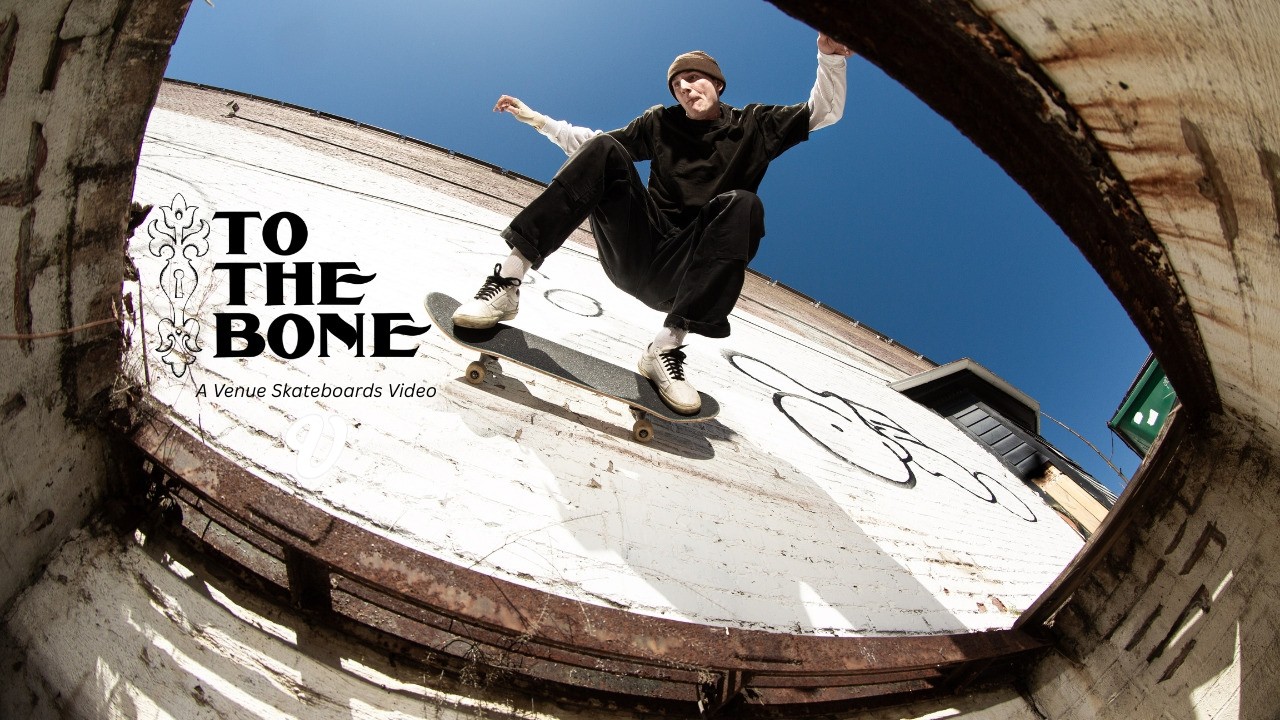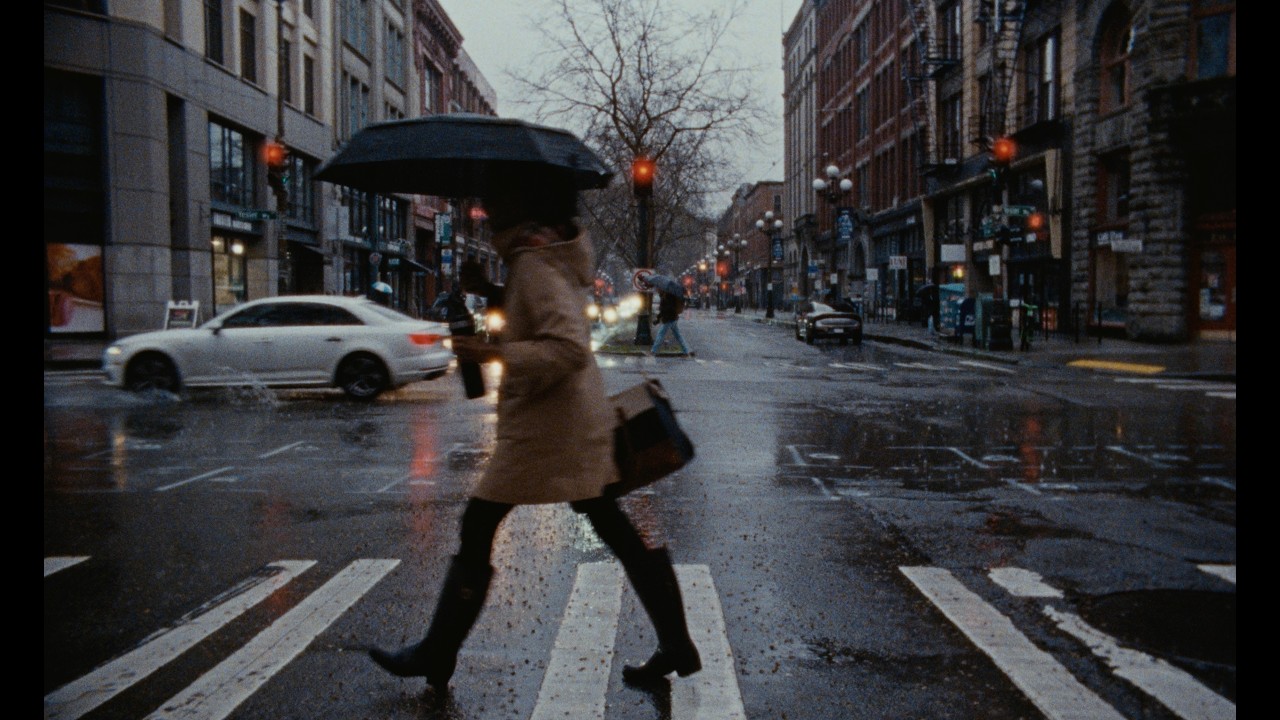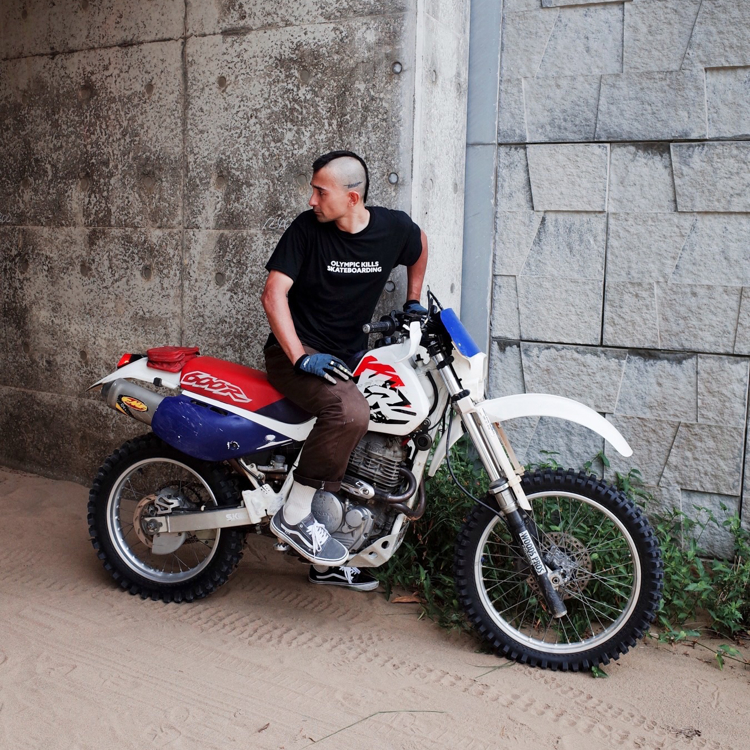


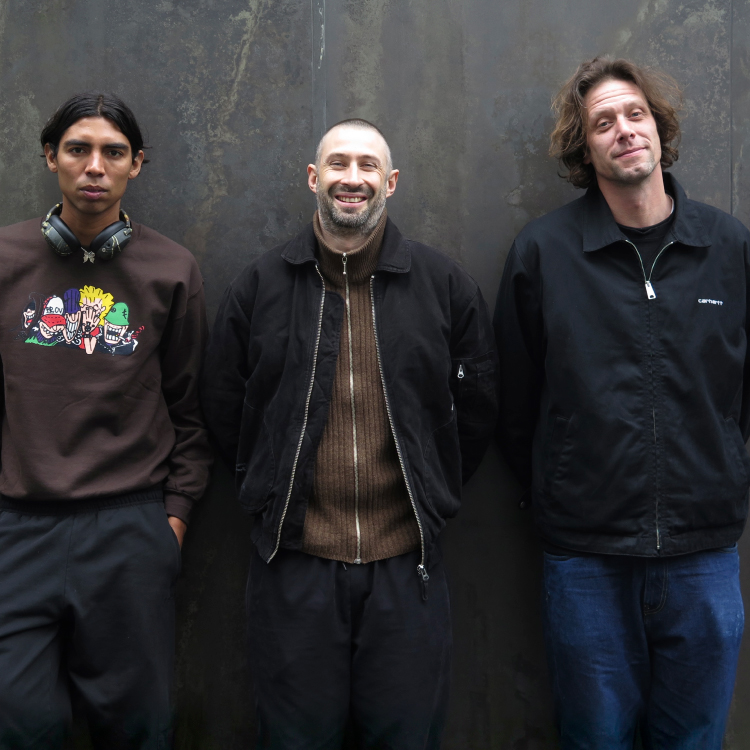
Village PM was born not in a big city, but from local “afternoons.” Rooted in a sense of discomfort with existing skate shoes, the brand proposes a new standard through climbing-inspired ideas and original construction. Founded by Basile Lapray and Bram De Cleen, alongside rider Thaynan Costa, Village PM is built on relationships that feel like an extension of friendship. It moves forward slowly, but with certainty.
──VILLAGE PM (ENGLISH)
[ JAPANESE / ENGLISH ]
Photos courtesy of Village PM
Special thanks_Prov Distribution
VHSMAG (V): Can you introduce yourselves?
Basile Lapray (BL): I'm a skateboarder and a young dad. I’ve been skateboarding all my life. Professionally, I worked in the footwear industry for various brands like Salomon and other outdoor and fashion projects.
Bram De Cleen (BDC): I started skatingwhen I was 12. Professionally, I've worked in skate park construction, as a digital copywriter, and as a skate journalist for magazines like Kingpin, Sugar, and Free.
Thaynan Costa (TC): I was born in Brazil. My mom is Brazilian and my dad is Portuguese. I lived there until I was 13 before moving to Europe. I currently live in Lisbon, but I started skating in Brazil when I was nine years old.
V: Where did the name Village PM come from? What is the concept?
BDC: Neither Basile nor I grew up in big cities. I'm from a small town between Brussels and Antwerp.
BL: I grew up skateboarding in a village in the south of France on rusty roads. We wanted the name to reflect those personal moments and afternoons in places that shape the rest of your life.
—Basile Lapray
V: What was the initial trigger for starting Village PM?
BL: The initial trigger was that, as skateboarders, we weren't excited by the shoes available on the market. Skaters were treating shoes like sports equipment. Putting them on to skate for two hours and then switching back to "regular" shoes. We wanted to bring back the feeling of wearing your skate shoes as an identity product 24/7. I was working in outdoor innovation surrounded by climbing and mountaineering shoes where the level of precision and technology is much more advanced.
BDC: We specifically looked at climbing footwear. Usually, there is a payoff between durability and break-in time. Our goal was to make a shoe that feels good straight out of the box but lasts a long time. We wanted that contradiction. Something thin and precise like a climbing shoe, but soft and sticky.
V: Did you ever feel worried about breaking into a market dominated by big companies?
BL: To be honest, it was a bit scary. But seeing independent brands like Last Resort succeed was encouraging.
BDC: Yeah. It was encouraging to see somebody that's not a multimillion dollar sports corporation can make a way for themselves.
V: Thaynan, how did you feel when you heard they were starting a skate shoe company?
TC: I liked the idea because it was different. Skate shoes had been stuck in the same circle of shapes and aesthetics for years. I was a bit afraid at first because I needed to see how they skated, but when I tried them, they were amazing. I like things that are durable, and with Village PM, I can skate a shoe for a long time without changing it. I've been wearing the 1PM MID lately for ankle protection. I can skate the patent leather ones for two months without a hole.
V: I heard that you guys did a lot of tests to get the rubber right.
BL: To get the rubber right, I used the innovation lab at my previous job at night. I would rip the foxing tape off existing shoes and replace them with our own rubber formulas.
BDC: I would take those samples in Paris and do 100 kickflips and fakie flips on each patch. I’d send vocal messages to Basile saying, "This one flicks well, but my toe is bleeding," or "This one is too soft". We went through about 15 different formulas to adjust the density, thickness, and chemical formula. We wanted a shoe that feels like it’s on its "second or third day" forever, that perfect window of performance.
V: The first shoe is the 1PM. Whose idea was the asymmetrical lacing?
BL: It was our idea. We wanted something ergonomic and close to the feet, inspired by climbing shoes. The "last (the centerpiece the shoe is built around)" was very important. We wanted something agile and organic rather than a basic round shape.
TC: It feels more like how your feet are supposed to be inside a shoe. Most shoes are symmetrical, but our feet aren't. For the first time in years, I could skate and then walk around all day without pain.
V: Why did you choose to move away from the traditional vulcanized vs cupsole approach?
BL: We wanted to bring something new and the construction is also new. We call it Rubber Glove Construction. It’s not a traditional vulcanized or cupsole shoe. We developed it in-house to get the "soft-out-of-the-box" feel of a vulc shoe with the long-lasting shape of a cupsole.
V: Thaynan, what was people's reaction when you first wore the shoe and went skating?
TC: My friends had mixed reactions at first. Some of them were really excited about what I was wearing and thought it looked amazing, while others didn’t quite understand it and felt it was something very different. But once they actually tried the shoes, their opinions changed. At least within my friend group in Portugal, most of them are skating in the shoes now, and they always have good things to say about them. A couple of weeks ago I went to Brazil, where the shoes aren’t that easy to get yet. But everywhere I went, people were like, “Yo, can I check those out?” There was a lot of curiosity and interest. So overall, the reaction has been amazing. It’s nice to catch people off guard in a good way. These days, it feels like it’s pretty hard to genuinely surprise people, so I think we’re managing to do that, at least in our own way.
V: How do you select your team riders, and what kind of relationship do you aim to build with them?
BDC: Our team is small and based on human-level connections. We work with people we feel close to and whose skating we love. Being an independent brand with limited resources, we have to commit to strong choices.
BL: We’re pretty lucky that we’re all more or less aligned in terms of where we’re at with skateboarding, so we don’t really have to argue with each other about it.
BDC: Yeah, that kind of dynamic applies to a lot of things. Of course we disagree sometimes, like any group of friends, but when we do agree, it’s really solid. That’s usually a good sign. When there’s no doubt on either side, decisions become easy. There’s a strong level of trust between us too. I trust what Basile thinks, and he trusts my perspective. So when we both feel confident about something, it’s like, “Alright, let’s go with it.”
BL: The team is pretty small, so when it comes to bringing new people in, it’s important that everyone already on the team feels good about it. Like with Jerome (Sossou). At one point we thought we were set, and then it came up like, “Yeah, we should get Jerome.” I remember Thaynan was really pushing for that.
TC: It's like a tight-knit family. We even share rooms and beds in Airbnbs.
BL: That’s also the beauty of being an independent brand where your resources are limited. It forces you to commit to strong, clear decisions. We can’t operate like a big corporation with multiple riders in every city around the world. We keep the team tight, and that’s exactly how we like it.
TC: A lot of skate brands these days feel almost like football teams, with huge rosters, but we’re trying to keep it more focused and personal. If you have A, B, and C teams... There can be forty people on one roster. At that point, you can’t even travel together as a whole group. It ends up feeling like multiple smaller teams existing within a single brand.
BDC: We're not trying to be tight-knit. We are tight-knit (laughs). It's not a strategy choice.
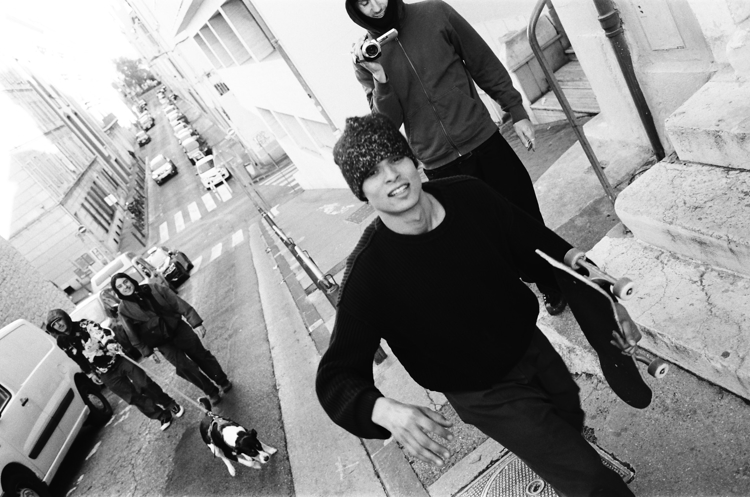
V: You guys have put out two videos so far.
TC: For the first video, we actually started working on it before the brand officially launched. It was all leading up to that initial release, so we spent around six or seven months filming, mostly skating in sample shoes. Everyone was focused on making a strong first impression when we introduced the shoe and the brand in Paris, so there was a lot of excitement and energy behind it. It felt special. Our first real project as a brand.
BDC: We also worked with an editor who was an old friend named Hugo Campan. He used to be really into skateboarding when he was younger but had moved on to other things, so convincing him to come back and work on a skate video again was a fun process. It ended up being pretty intense, though. The stakes were high with it being our first video and the launch of a footwear brand. But having someone like him, who wanted to reconnect with skateboarding in that way, made it even more meaningful.
TC: The second video came together a bit differently. After finishing the first one, we wanted to keep the momentum going and put something together for the next drop. The timeline was shorter, but by then we had started traveling more. Going to places like Marseille, Antwerp, and Paris. So it actually became easier to stack clips while on trips.
V: Who came up with the title? The two videos have the words "first" and "second" in a very nice way.
BDC: That was me, I’ll take the credit for that (laughs).
BL: It comes from his background in journalism and copywriting. But we’ll see what happens with the third one. We might keep the pattern going, or maybe break it.
V: Thaynan, you mentioned in other interviews that it's easier to film when you're home rather than on trips.
TC: I’ve realized I prefer staying home when I really want to focus on a video part. Traveling is great, I love places like Paris or Madrid, but sometimes if I don’t already have a clear idea, it’s harder for me to get fully into it. I tend to overthink what I want to do, and I like knowing the spots and having a plan. So I’ll spend time at home figuring everything out, and once I’m sure, I go out and battle the trick for as long as it takes. Sometimes it works right away, sometimes it takes days, but being at home means I can keep going back until I land it.
V: One thing I wanted to ask about is the promotion you guys did. I read that you had a truck during Paris Fashion Week parked at a place between Salomon and Margiela.
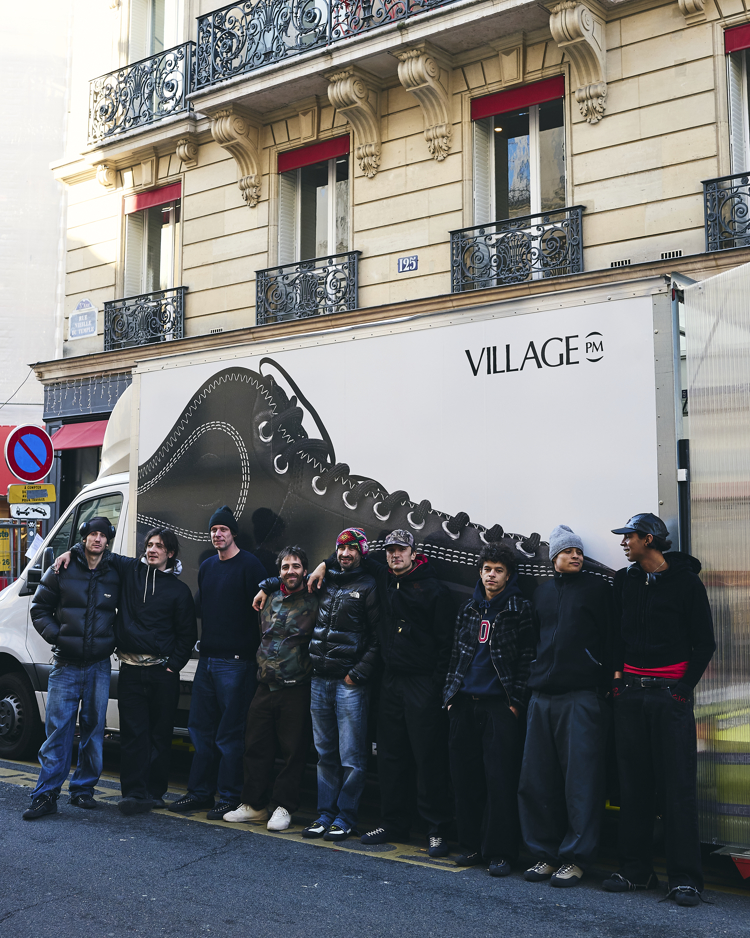
BL: I mean, the positioning was definitely strategic, especially where we parked the truck. It was right in the center of Paris Fashion Week, where everything is happening, so that was a key decision. These days, Paris Fashion Week has kind of replaced traditional trade shows. A lot of skate, streetwear, and sportswear brands now go there to present their collections to buyers, instead of doing the old showroom circuit. As for the truck itself, it actually started from a financial constraint. Renting a proper showroom can cost thousands of euros per day, and we just didn’t have that kind of budget when we were starting out. So we had to think creatively about how to create our own space. In the end, our collection was pretty tight. We only had a few shoes to show, so we realized we didn’t need a huge venue. A rental truck made sense. We built out the interior ourselves to match our vibe and essentially turned it into a mobile showroom. The location then became even more important, especially early on when no one really knew us. For that first presentation in June 2024, it was all about visibility, being in the right place so people would naturally come across us. Now that the brand has gained more traction, people come looking for us on purpose, but at the beginning, that strategic positioning made a big difference.
—Bram De Cleen
V: And you sell the shoes not only through skate shops, but also through fashion boutiques. You’re operating in both worlds and Thaynan is also a fashion model. A perfect marriage between skateboarding and fashion.
BL: We’re really glad about that. It’s been super rewarding for us. It showed that our product can speak to a broader audience, not just within skateboarding. Especially when it comes to high-end boutiques, those buyers see new products every day and tend to be very selective. So the fact that they were interested in what we’re doing felt like a real validation of our design direction. Not so much from a purely technical or performance standpoint, but more in terms of design and aesthetics. It was really rewarding to be embraced by that side of the industry. In the end, it just confirmed that both the design and the functionality are working.
TC: Even among skaters, which is probably the toughest crowd, we’ve had a really positive response. Skaters tend to be pretty critical, so that matters. From what we hear, even through friends of friends, the feedback has been genuinely good, and that feels like a strong sign that we’re heading in the right direction.
BDC: At the same time, if some people don’t like it, that’s actually a good sign too. If something resonates, it’s always going to be a mix.
V: So what can we expect from you guys in the future? Are you looking to expand beyond footwear as well?
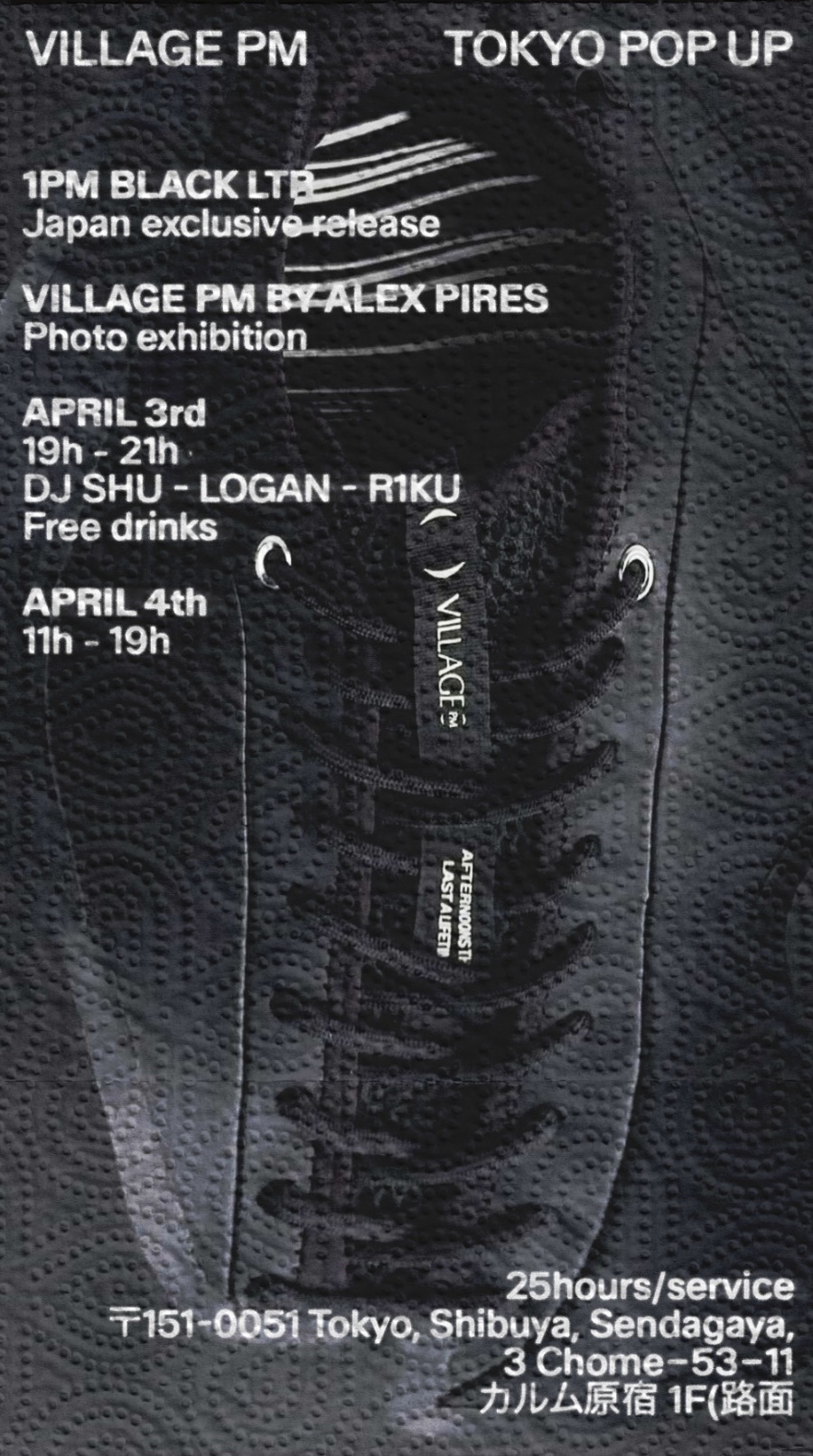
BL: We’re growing slowly, introducing new products step by step. We’ve got a new shoe coming out in September, and there are more videos in the works as well. For the first two seasons, we were very Europe-focused, with distribution mostly limited to that region, aside from a few exceptions in Japan. But now we’re starting to expand geographically. Japan and Canada are launching more properly, and the US will follow later. Since we’re a small team, we can’t be everywhere at once, so everything happens gradually.
BDC: It takes time to build relationships, to find the right people to work with, and to make sure everything feels aligned. It’s also important for us that when the product reaches a new place, we can actually be there too. So the brand has a real presence, not just distribution.
—Thaynan Costa
V: Okay to wrap up the interview, Thaynan, please describe Village PM in three words.
BDC: Good luck Thaynan. See you in a little bit (laughs).
TC: I mean, when I think about it, it really just feels like home, like being with your friends. More than anything, it feels like we’re all working toward the same thing. In the past, skating for different brands, it sometimes felt like people were pulling in different directions, so you never really moved forward as one. But with this, it’s different. It feels like everyone is aligned, all pointing in the same direction. That makes a huge difference. Sorry. It's way more than three words.
V: You guys are all looking in the same direction moving forward.
TC: It’s moving forward but not fast-forward. It’s more of an organic progression, taking things step by step.
Village PM
@village_pm
A skate shoe brand founded by France’s Basile Lapray and Belgium’s Bram De Cleen. Breaking away from the conventional vulcanized/cupsole approach, it presents a new alternative. Gaining support not only from skate shops but also from the fashion scene, the brand is drawing attention as a presence that moves fluidly between both worlds.