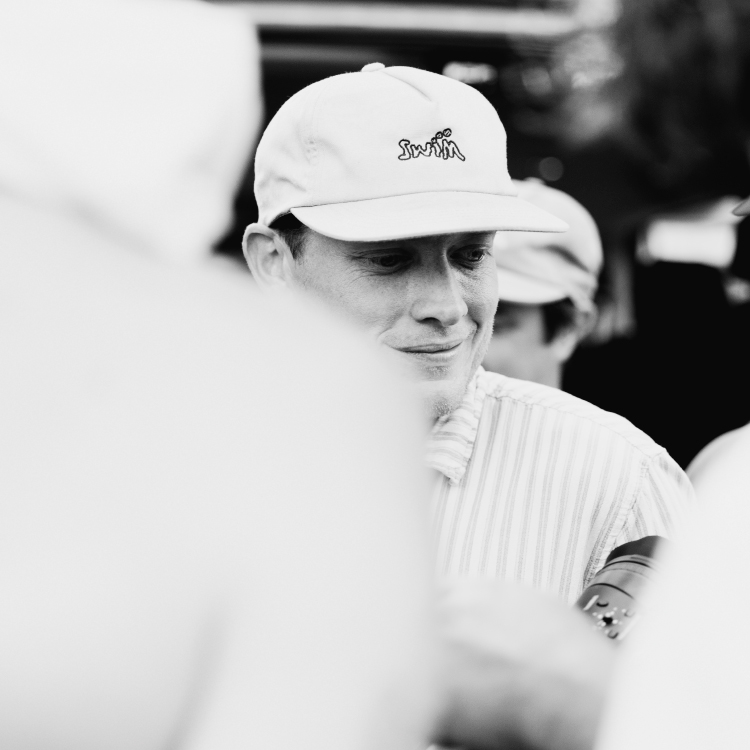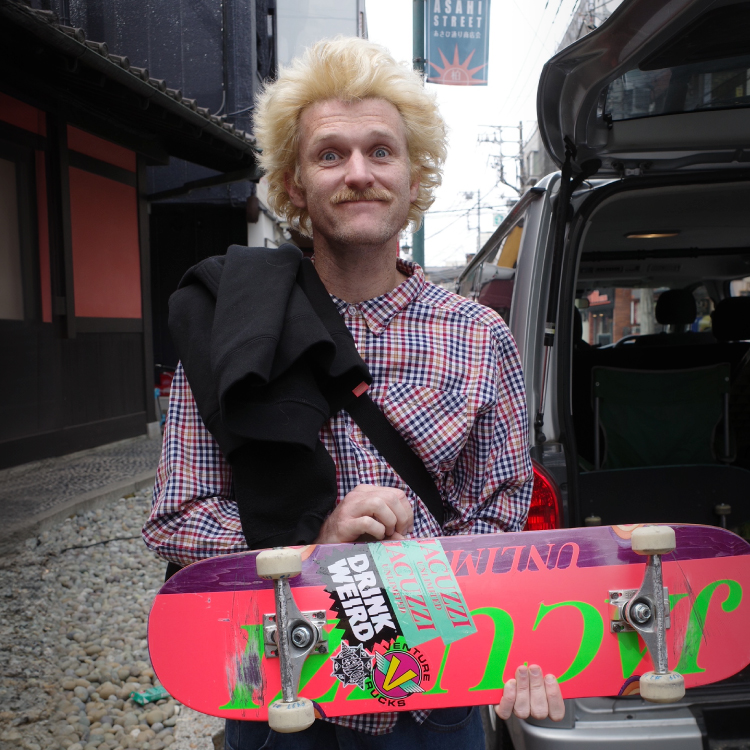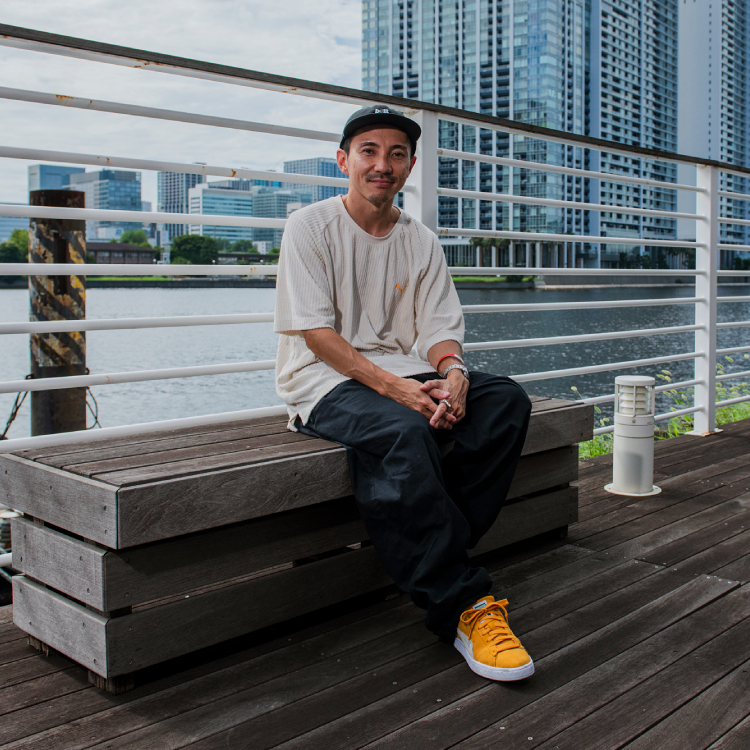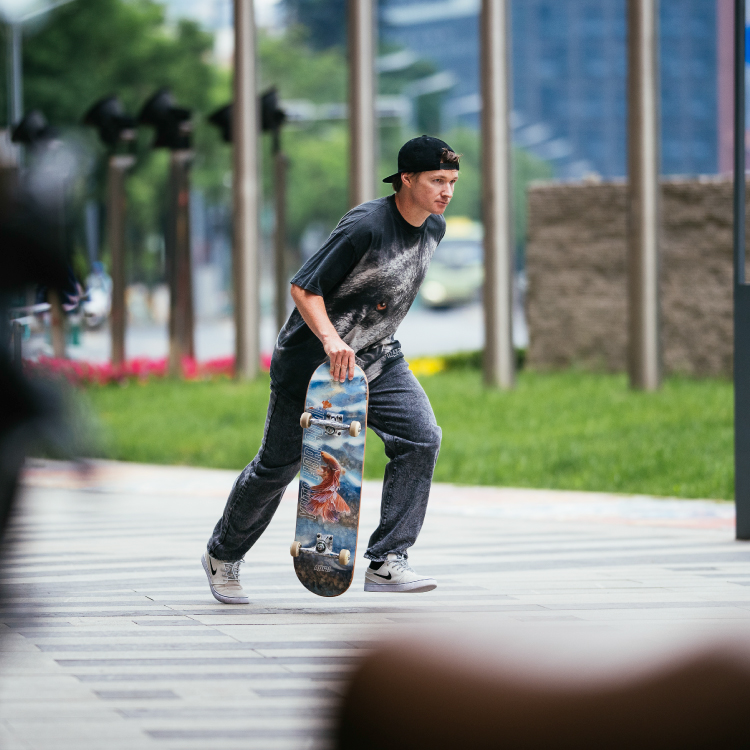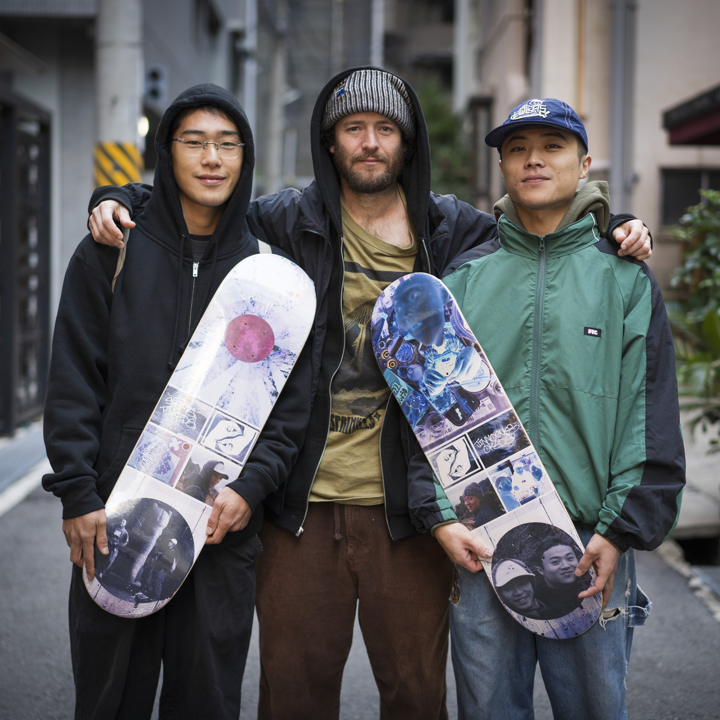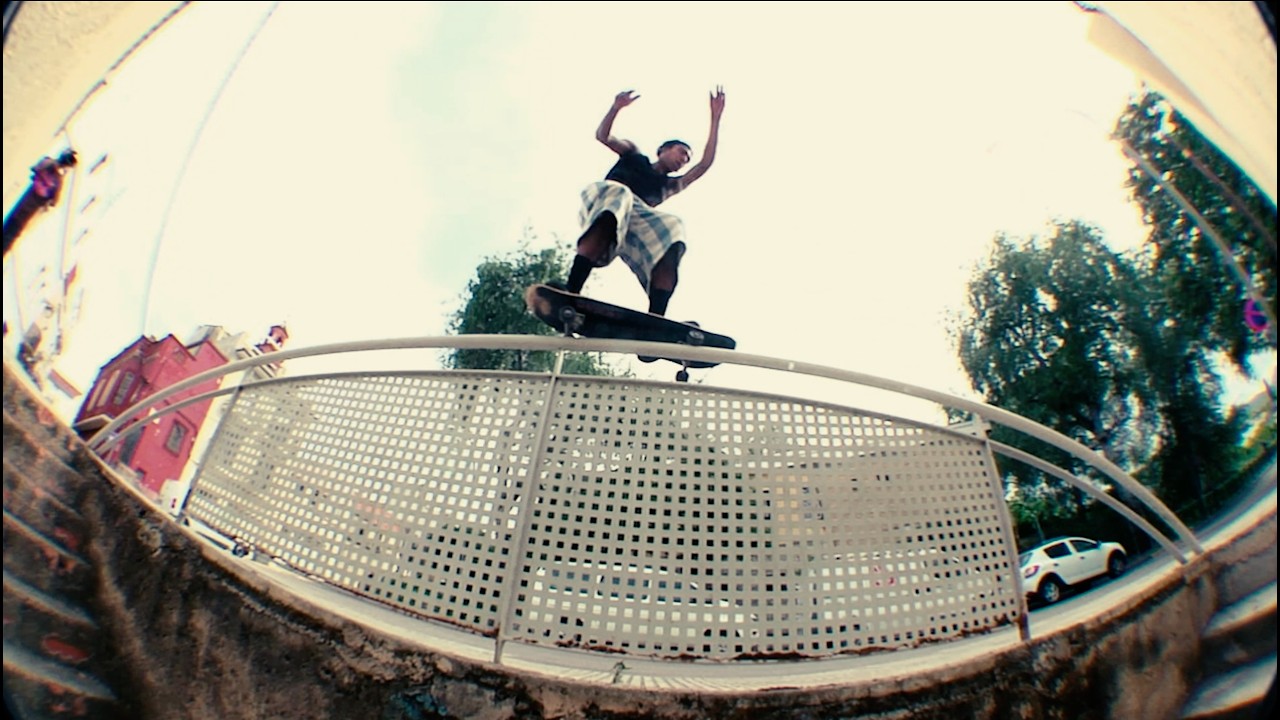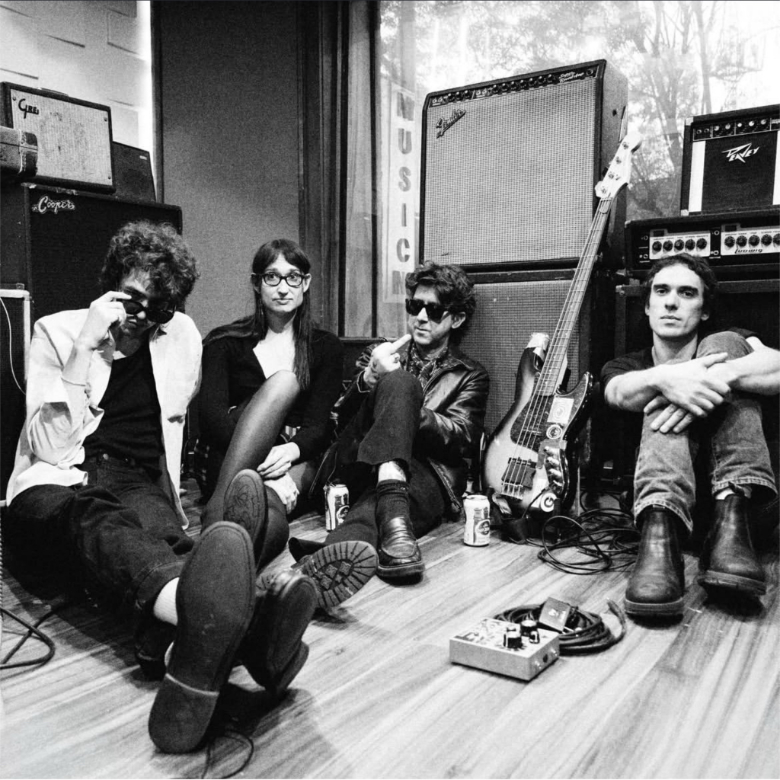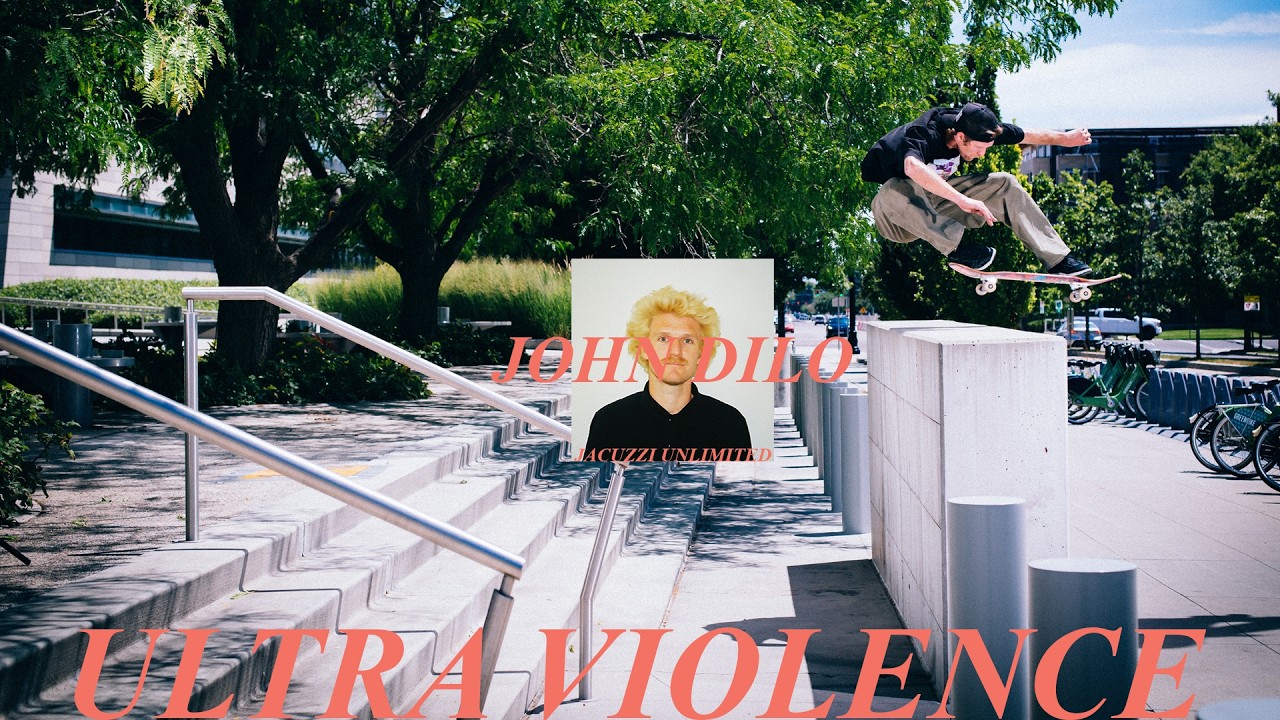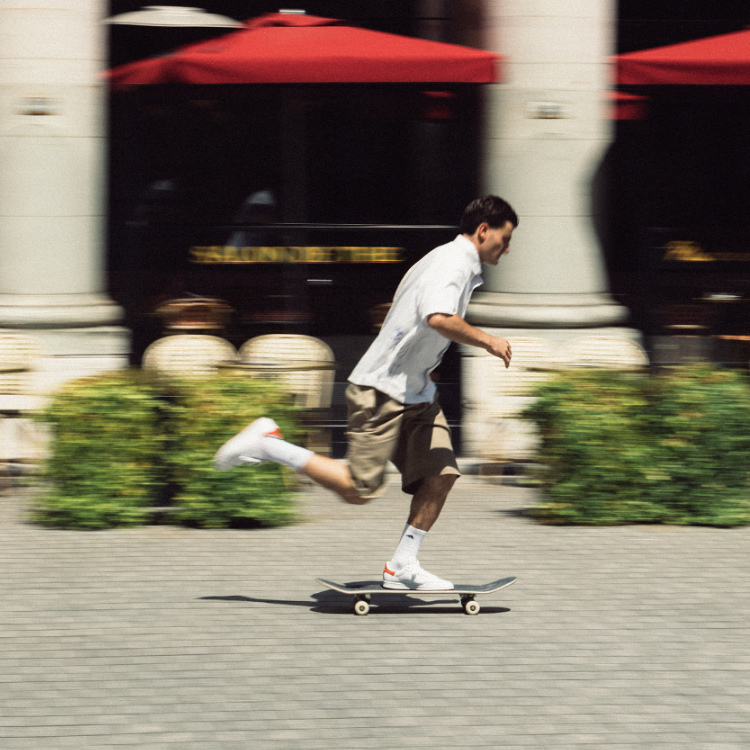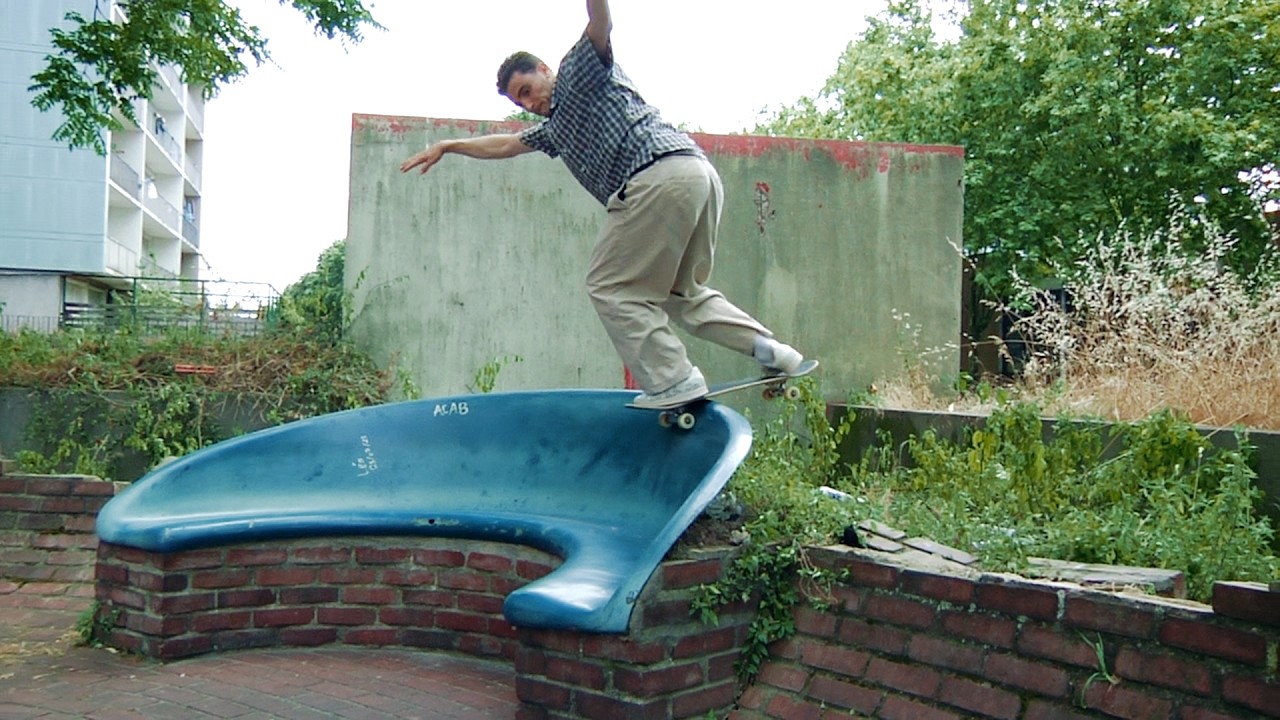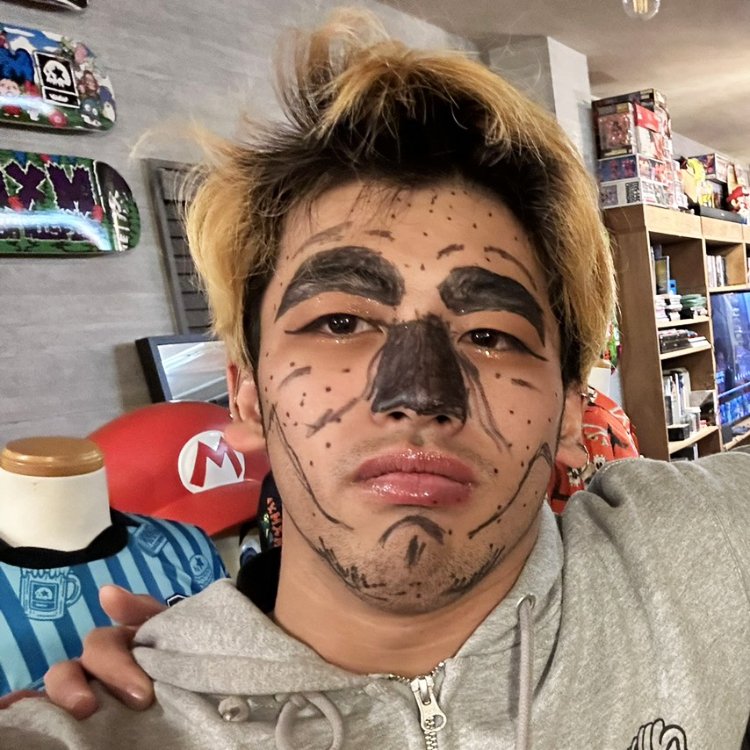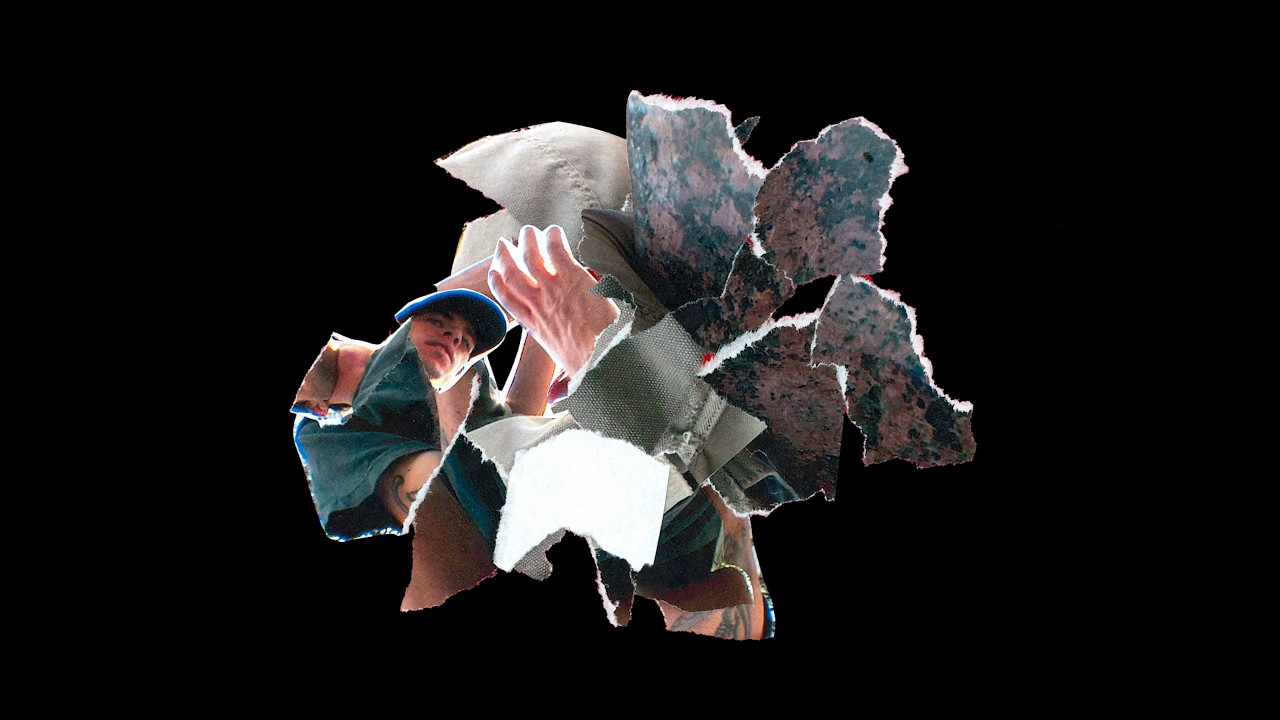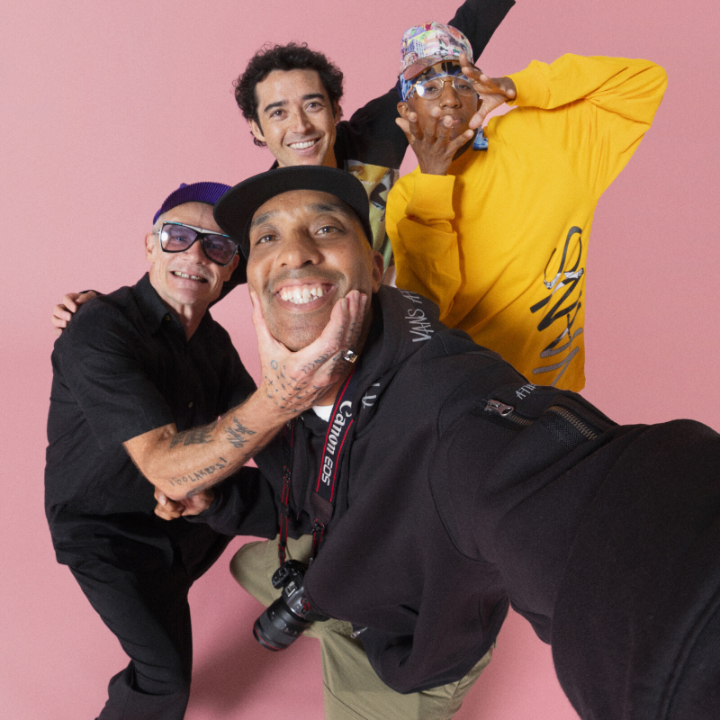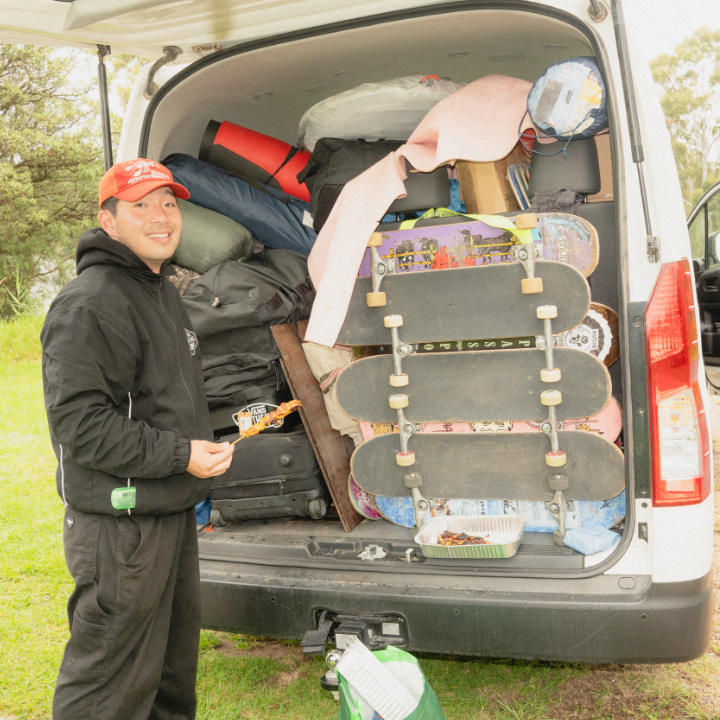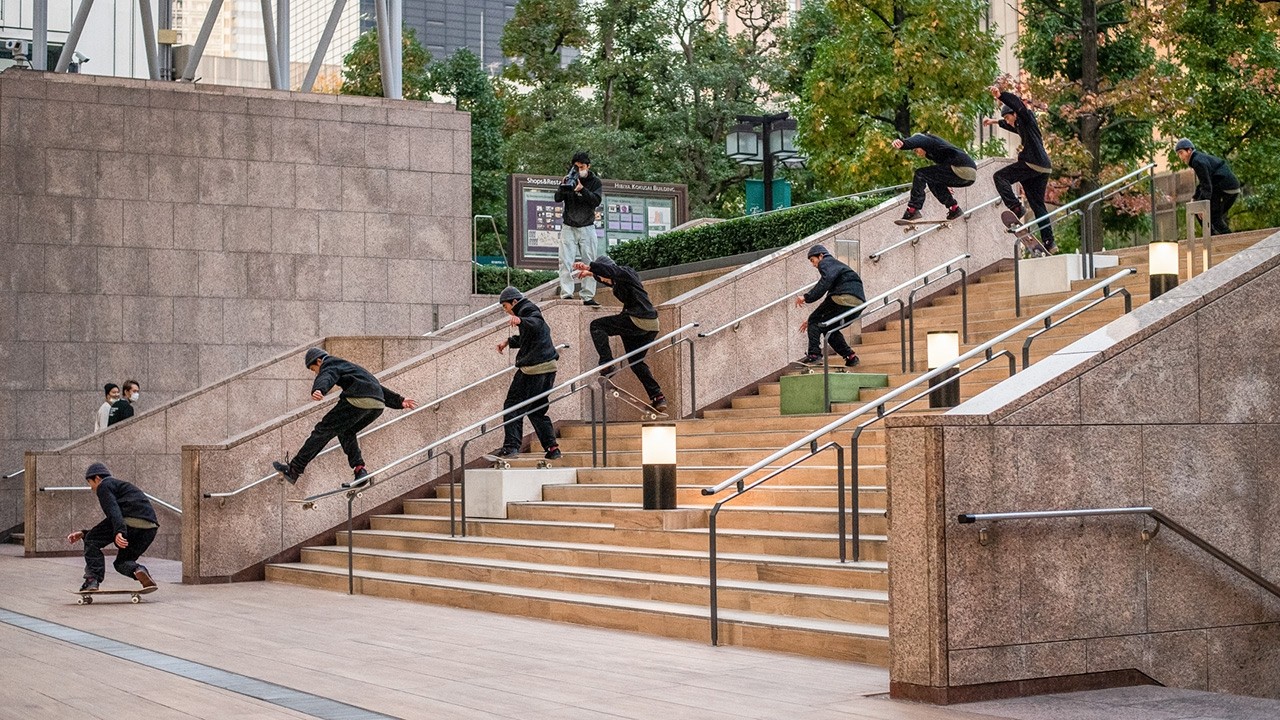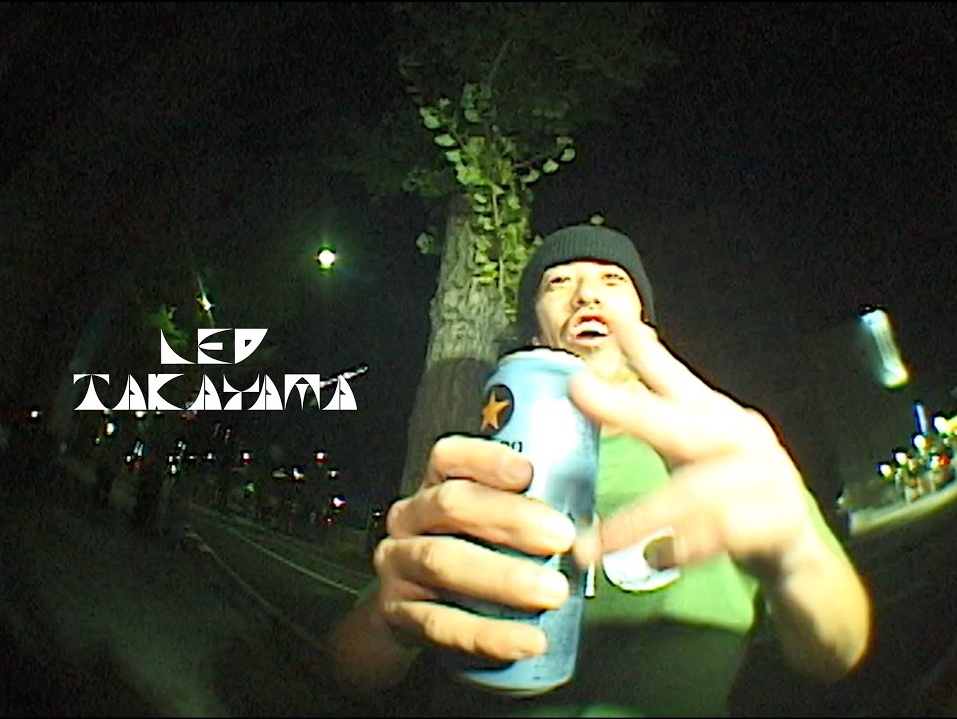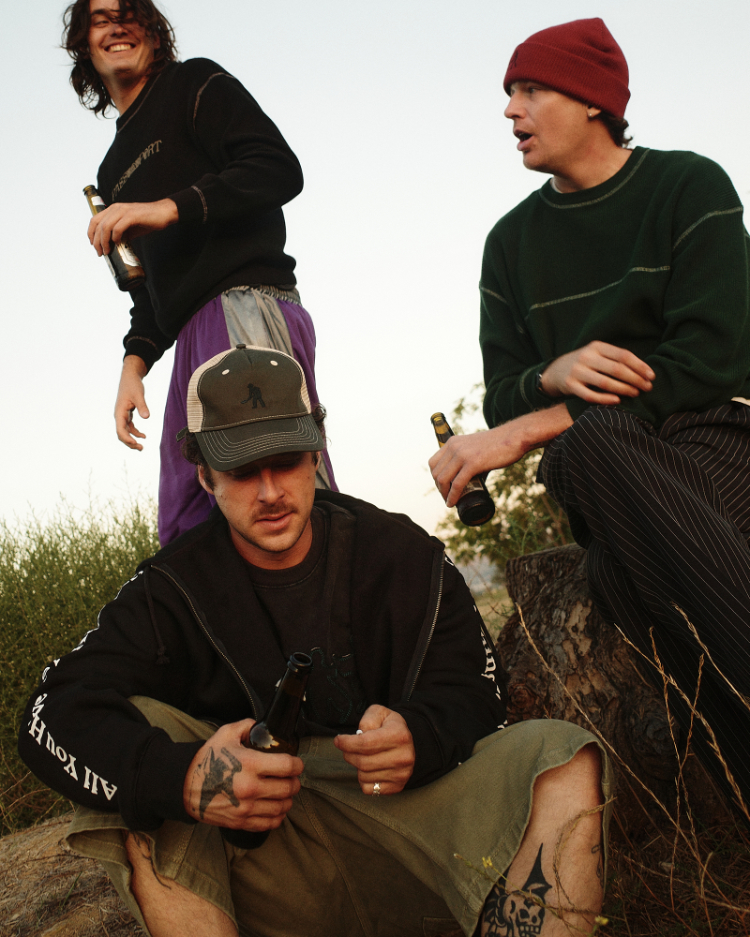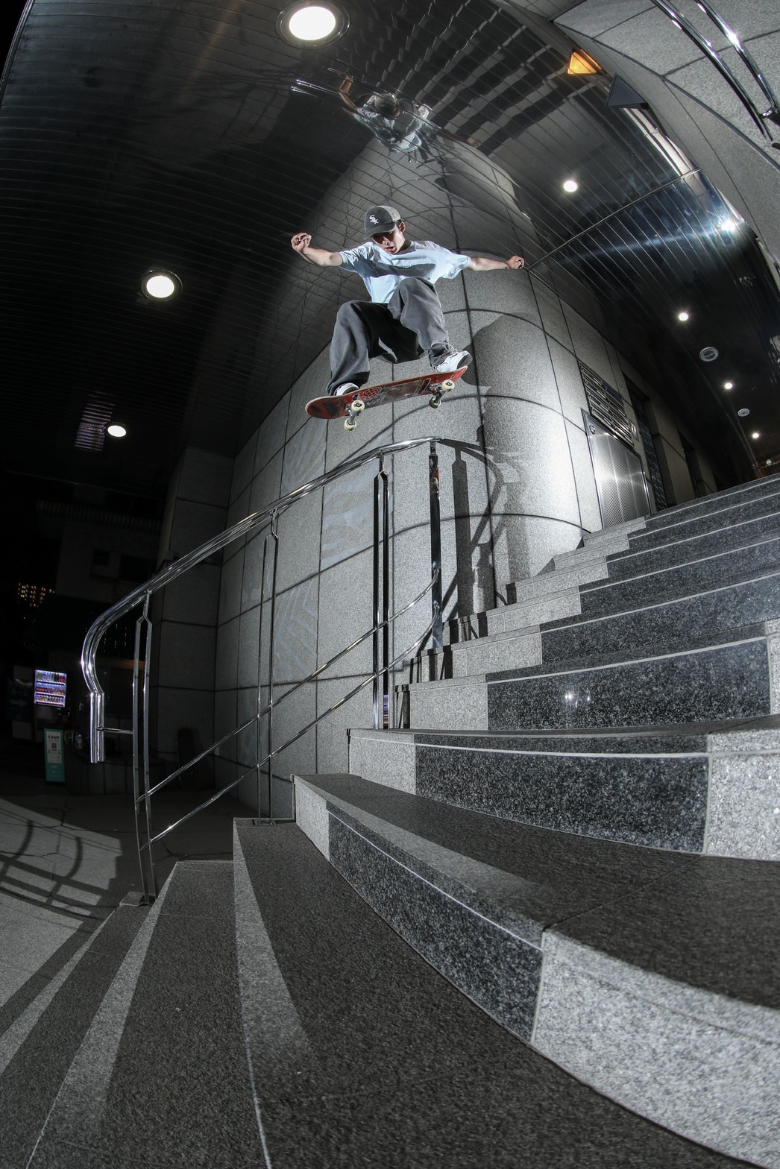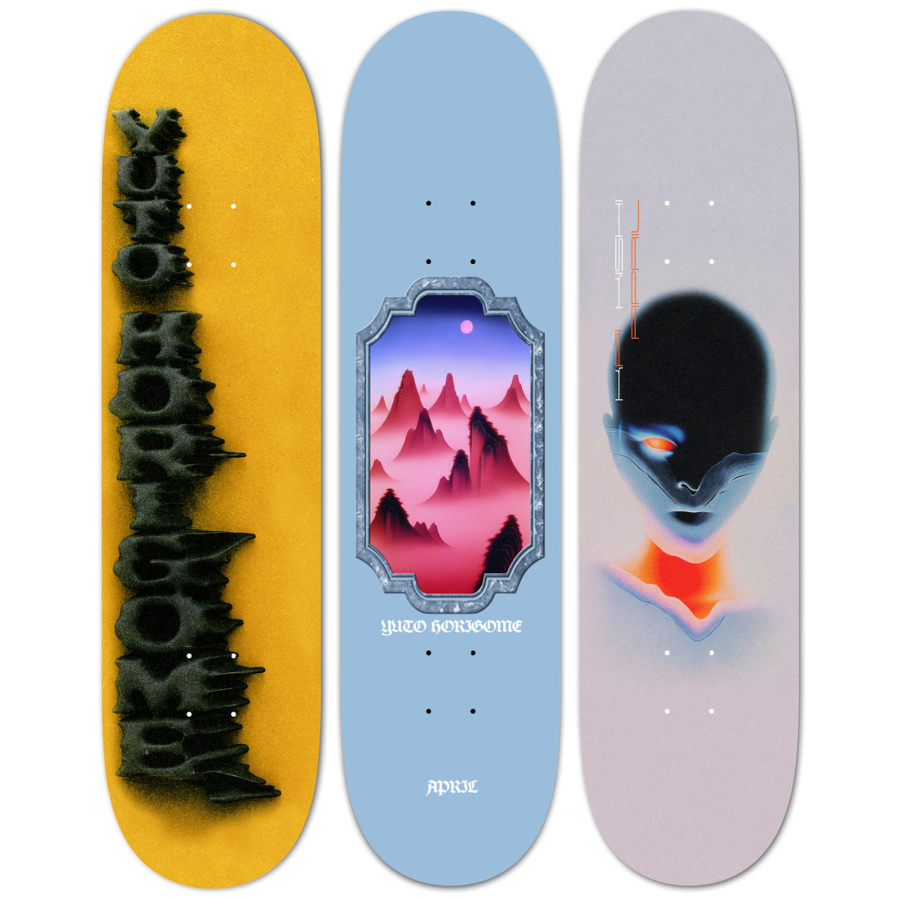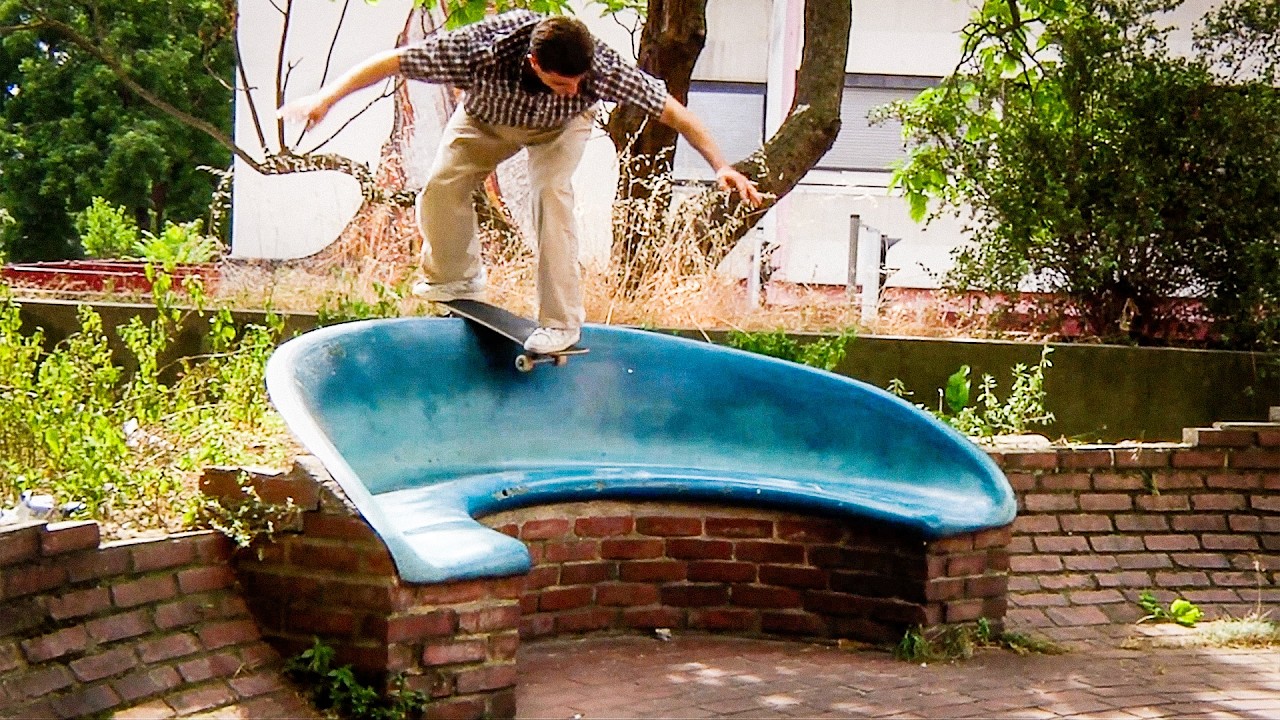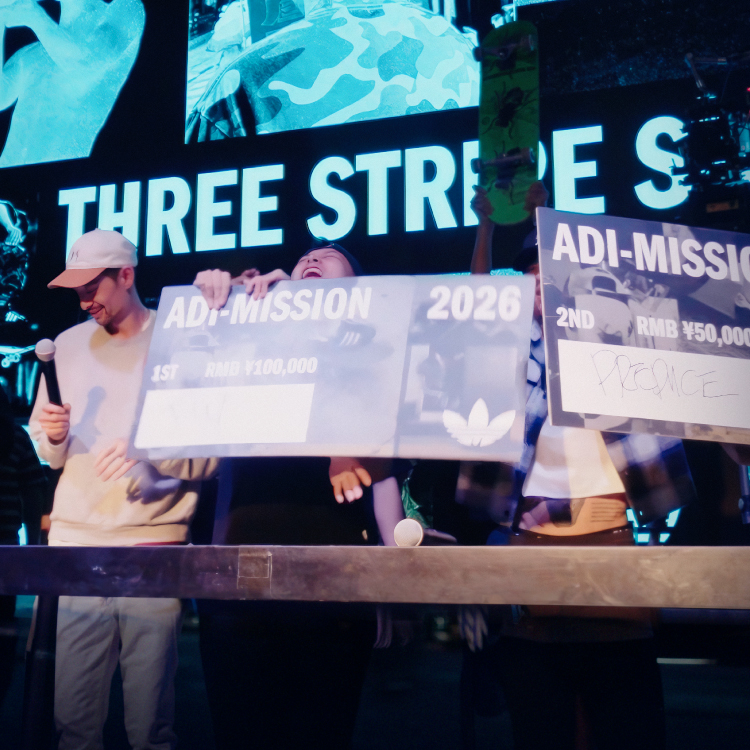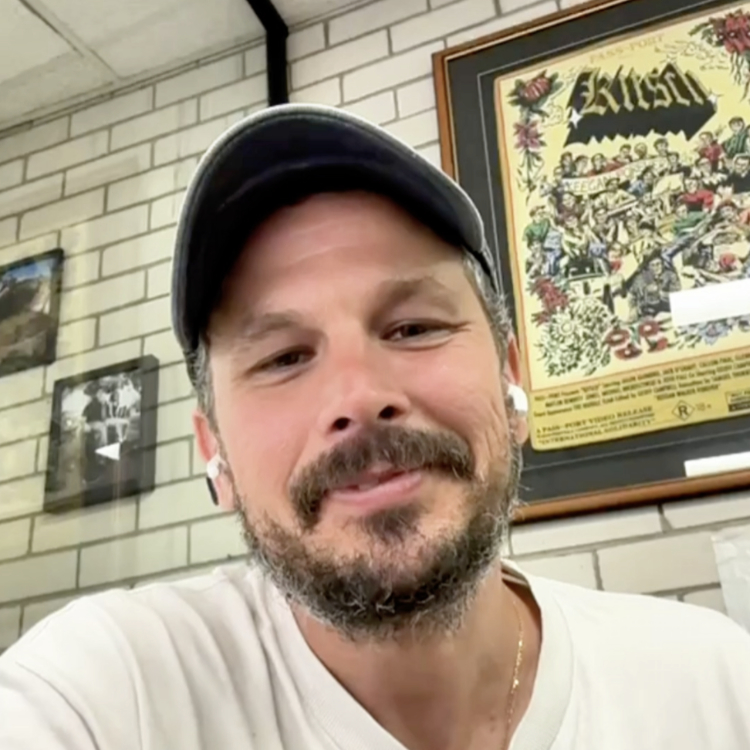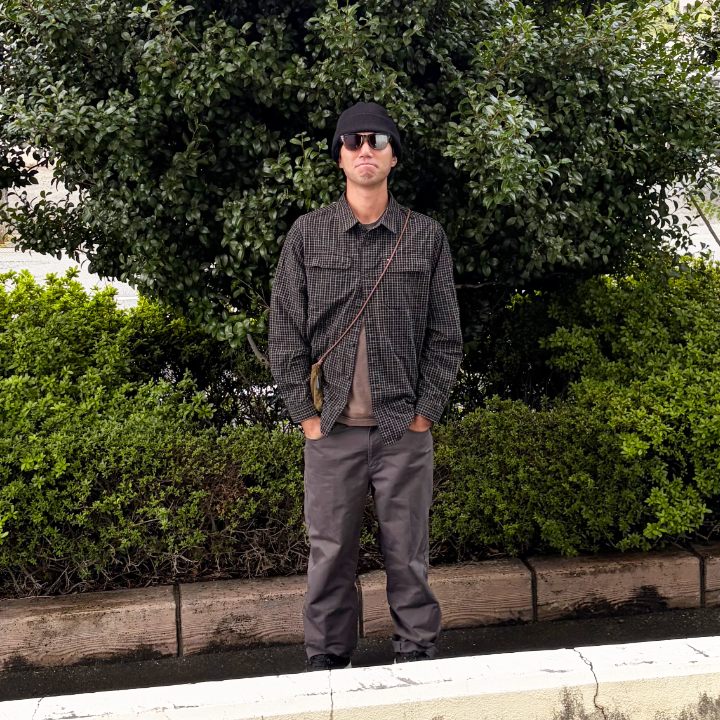



A member of the first graduating class of VANTAN’s Skateboarding & Design program, Takuma Enoki went on to co-found PLANT with his classmate Yukiya Obuchi. He directed the brand’s first full-length video, Honogura, and has continued exploring different forms of creative expression, from filmmaking to graphic design, all rooted in skateboarding. His latest venture is LIDLOCKS, a new board brand. Fresh off its launch event and video premiere in Harajuku, we caught up with the young creative to talk about what inspired him to start the brand, his thoughts on today’s skate scene, and where he hopes to take things next.
──TAKUMA ENOKI
[ JAPANESE / ENGLISH ]
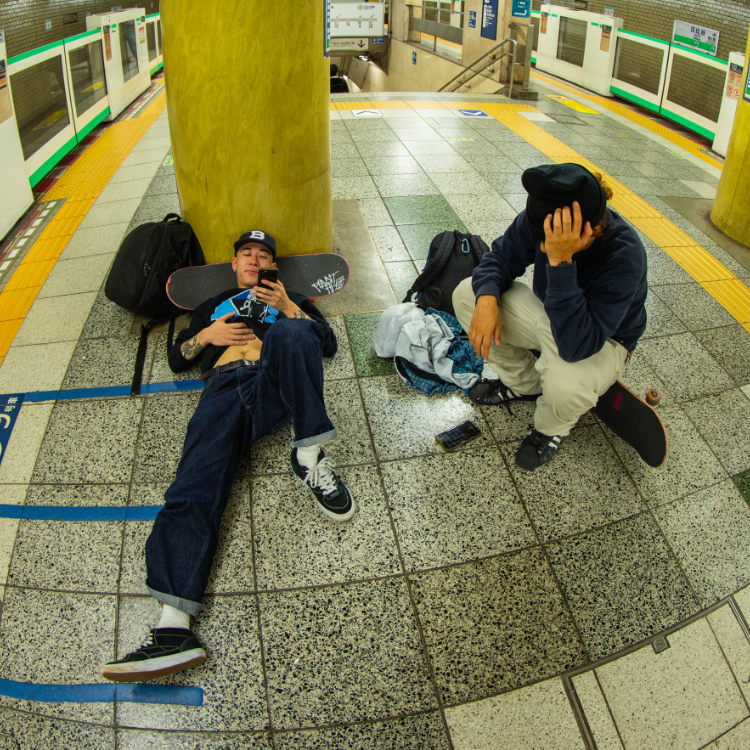
Photos courtesy of Kazuya Okude
VHSMAG (VM): Let's start by going back to your school days. What made you decide to go to VANTAN?
TAKUMA ENOKI (TE): I started skating when I was in my first year of junior high. I never really liked studying, and I wasn't particularly good at sports either. I was basically a troublemaker at school, always trying to get attention and messing around. But I loved drawing, music, and movies, and once I got into skating, I fell completely in love with the culture surrounding it. When it came time to think about high school, I hadn't studied much and my grades were terrible, so there weren't really any schools I could get into (laughs). I was also just a brat with a rebellious streak. Even back then, I thought the whole idea of sucking up to teachers just to get into a good school and become some respectable adult was pretty lame. This was before skateboarding became an Olympic sport, so it wasn't nearly as mainstream as it is now. And because I was already seen as a troublemaker, my friends and teachers would make fun of me for skating. I wanted to prove them wrong someday by making something of myself through skateboarding. So honestly, I didn't really care about having a normal high school experience. Then one day, I saw an article on VHSMAG about Japan's first skateboarding high school opening. I was like, "No fucking way!" But I requested some information, and it turned out to be real. It said you could study filmmaking and design alongside skateboarding. Even back then, I had this vague idea that I wanted to start a brand or put my own drawings on T-shirts. So I thought, "Everything I want to do is right here." I begged my parents to let me go, and they were like, "You only live once, so go all in on what you really want to do." My parents have always followed their own passions too, so they were really supportive. That's how I ended up enrolling. I'm seriously grateful to them.
VM: You were part of the very first class, so there wasn't really anything to go by. What was school life like? Any classes or experiences that really stuck with you?
TE: It was so much fun. There were about 18 dudes who all loved skating, so of course we had a blast every day (laughs). Nobody really listened to the teachers, and we were always making noise in class, but everyone had their own personality. Some guys wanted to get into photography, some were into filmmaking, and others just wanted to skate. It was a really good mix of people. One thing I remember was visiting a screen-printing factory. Until then, I'd always assumed T-shirts were printed by machines. Seeing people printing each color by hand, one at a time, completely blew my mind. Another highlight was Hiroki Muraoka's skate classes. Just seeing someone I'd watched in magazines and videos skating right in front of me was sick. And he was such a good teacher, too. Instead of being like, "Here's how you do it," he'd skate with us and say stuff like, "If you land it before me, I'll buy you a drink." It was so much fun. And the teachers weren't just teachers. They'd be teaching classes during the day, then outside school they'd be hosting video premieres or putting on exhibitions. Seeing them doing all that was really inspiring. They were the kind of people I wanted to be like, so I learned a lot more from them than just what they taught in class. Looking back, those three years were definitely worth it.
VM: Were you already thinking about your future and working toward something back then?
TE: I was definitely more focused on having fun, and there were times when I wasn't thinking about the future at all. But I always had this idea that I wanted to start a brand someday or make skate videos with my friends. Around my second year of high school, I had a crew called Nuts with some friends from school. We'd film stuff on our iPhones and edit the footage ourselves. Kento Yoshioka (Japanese Super Rat) was a huge influence on that. He was in my class, and right next to me he was working on projects like apple and Pokett Patrol, those skate videos shot entirely on iPhones. He's an amazing skater, knew a ton about videos, and had this incredible imagination when it came to spots. And even though he was already getting a lot of attention, he'd still bring some nobody like me along. He'd be like, "Takuma, let's go skate street!" That willingness to just get out there and make things happen, and the passion he had for it, really rubbed off on me. Having him around made us feel like, "Hey, we can do this shit, too." We started making our own videos, getting them featured on VHSMAG, and holding premieres at skate shops. As we gradually started doing more, we'd come up with new things we wanted to try. By the time I graduated, I had a pretty clear idea that I wanted to start a brand.
VM: Do you still use what you learned at VANTAN in what you're doing today?
TE: Absolutely. Honestly, it freaks me out to imagine what my life would be like if I'd never started skating or never gone to VANTAN (laughs). But there's one thing I regret. I really wish I'd paid more attention in my Illustrator classes. When I graduated and started PLANT, I realized I couldn't do shit without knowing how to use Illustrator. I was like, "Fuck, I really should've paid attention in class!" I ended up teaching myself, but even now, whenever I meet kids from VANTAN, I tell them, "Whatever you do, make sure you pay attention in Illustrator class."
VM: Are you still close with your old classmates?
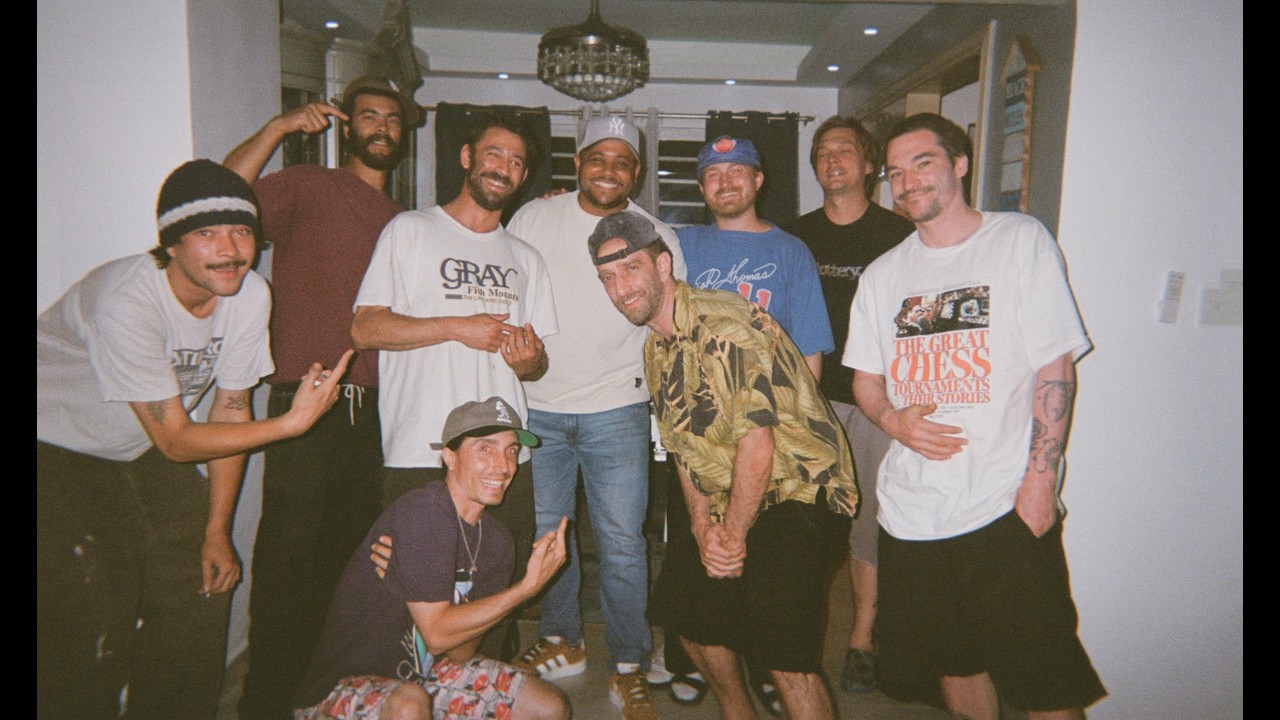
TE: Yeah, we're still really tight. A lot of them are still involved in skating. Some work at skate shops, and others work behind the scenes for brands. One guy who was really good at drawing in school became a tattoo artist. Another took over his family's construction business, but he's talking about building a skatepark someday. Everyone's gone down their own path, but we all still love skateboarding. Quite a few of them came to the LIDLOCKS launch event recently, and nobody's really changed. I mean, we've obviously grown up, but we're still the same people we were back then. And because we're all doing different things now, I think we've naturally developed a mutual respect for each other. They're a great bunch of friends. Although more and more of them are getting married, and that's starting to stress me out (laughs).
VM: What advice would you give to kids who are about to enroll at VANTAN or are studying there now?
TE: Three years go by insanely fast, so I think it's good to have at least some idea of what you want to do. Obviously, skating is fun, and there's nothing wrong with skating every day. But I also want them to get interested in things outside of skateboarding. If you enjoy drawing, maybe you could become a designer. If you like making T-shirts, maybe you could work at a print shop. It doesn't matter what it is. I just want them to find something they genuinely want to pursue. And more than anything, get out there and meet people. Go to skate shops, go to events, skate different spots, and put yourself in situations you're not used to. That's exactly what my friends and I did for those three years, and the connections we made back then are still helping us today. Some of the shop owners I met back then reached out when I started my brand, and some of those relationships have even led to work. I think that's one of the great things about being young. When you're a teenager, you can experience things with a really open mind and soak up so much. So I want them to make the most of that time and expose themselves to as many different things as possible.
VM: Now let's talk about LIDLOCKS. You already have PLANT, so what made you want to start a separate brand? I mean, to put it bluntly, you could've just released boards under PLANT, right?
TE: I run PLANT with Yukiya Obuchi, and over time we've developed a pretty clear identity for the brand. So I'd been wanting to do something on a different level for a while. There was also something I'd been thinking about for a long time. As Japanese skaters, we look up to skaters overseas. We see some sick skater from another country and think, "That dude's so cool. I wanna skate the brand he rides for." But why can't it work the other way around? Imagine an American skater seeing some Japanese skater and thinking, "That dude from Japan is sick. I wanna ride a Japanese board." I don't think we have enough of that in Japan yet. There are so many amazing skaters here, and I think the Japanese scene has way more potential than people realize. Obviously, the street environment is different in Japan and overseas, and the markets are different sizes. But what's the point of constantly comparing ourselves to everyone else? I'm Japanese. I grew up skating in Japan, and I've been heavily influenced by the Japanese skate scene. So I wanted to start a board brand that could really represent Japan. Something that could send a message to the rest of the world like, "Hey, Japan's got some sick shit going on."
VM: What finally pushed you to turn that idea into reality?
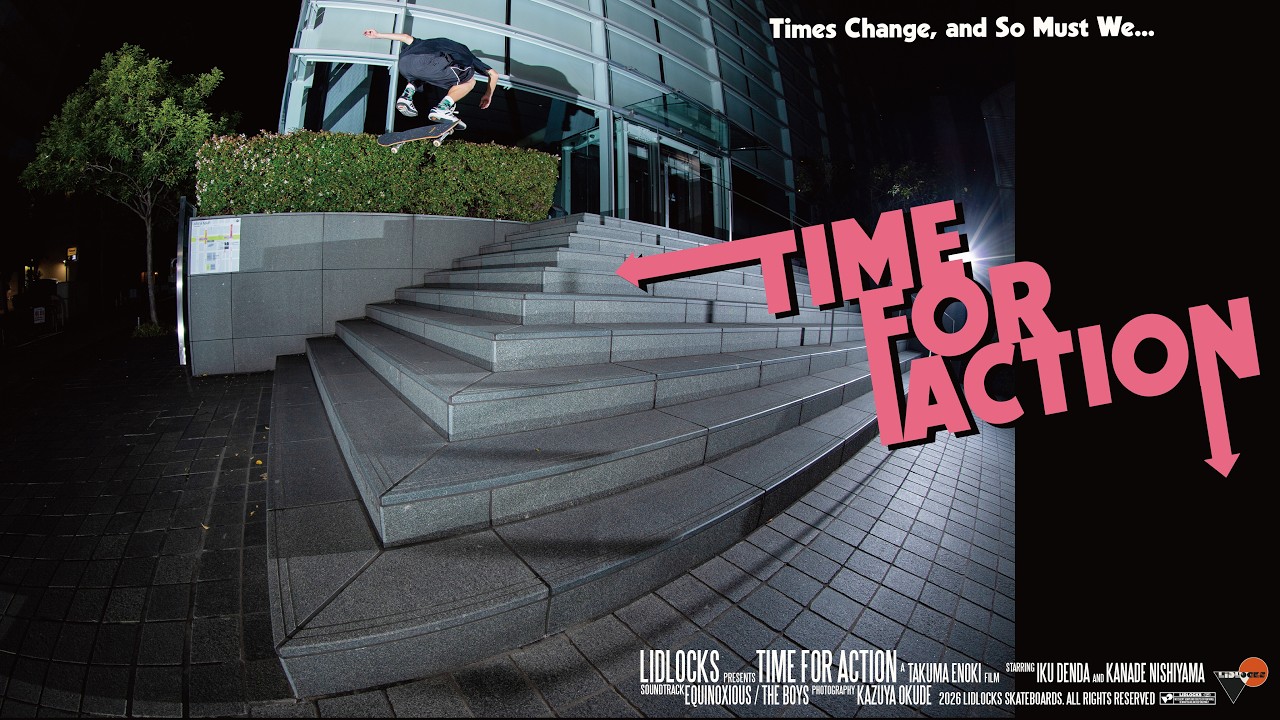
TE: After we released PLANT's full-length video, I was pretty burned out. Up until then, I'd been working part-time jobs while running PLANT. But I'd always figured that once we finished the full-length, it might be time for me to get a proper job and enter the working world. That got me thinking a lot about what I could actually do. I love clothes, I draw, I can design, and I can shoot and edit videos. But all of those things revolve around skateboarding. When I took skateboarding out of the equation, I started thinking, "Fuck, I've got nothing." People around me tell me I'm talented and can do all kinds of things. But could I really make a living purely as a filmmaker or a designer? Probably not. Without skateboarding, I'm basically nobody. I started feeling really small and insignificant, and it hit me pretty hard. Around that time, a lot of my friends who were the same age were going through similar things. Some were quitting their jobs, some were thinking about getting married, and a lot of us were wondering what the hell we were going to do with our lives. I thought about all kinds of things, but eventually I realized that sitting around thinking wasn't getting me anywhere. If I try something and it doesn't work out, I can figure out what to do next when that happens. I felt like this was the right time, so I decided to just go for it. That's why I called the first video Time for Action. It literally means it's time to stop thinking and start doing something.
VM: So how does it feel now that you've actually taken that first step?
TE: Honestly, I'm scared shitless (laughs). Starting a board brand in this crazy era? Sometimes I think I've really gotten myself into something ridiculous. It's definitely going to be an uphill battle. The value of a brand has changed so much compared to the past, and of course I catch myself thinking things like, "What if all these boards just sit here and never sell?" But I've already jumped in, so there's no turning back. I just have to see how far I can take it. I want to keep making things that I genuinely think are cool.
VM: Where did the name LIDLOCKS come from?
TE: I knew this brand was going to be a major turning point in my life, so I wanted the name to come from something that had played an important role in my life. For me, that was movies. Movies were what got me into skateboarding in the first place. They also got me interested in music and fashion. My parents introduced me to all kinds of films when I was a kid, so I figured I'd take the name from a movie. I started revisiting a bunch of films, and around that time Stanley Kubrick's A Clockwork Orange happened to be back in theaters. So I went to see it again. I first watched that movie when I was in junior high, and it completely blew my mind. The poster alone looked so sick, and the movie itself was unlike anything I'd ever seen before. I've watched it countless times. It's one of my all-time favorites. There's that torture scene where the main character's eyelids are held open so he can't close his eyes while he's forced to watch violent footage over and over. The devices used to hold his eyelids open are called lidlocks. Obviously, they have a really negative meaning in the context of the film. But for me, when I'm watching a movie or a skate video, looking for skate spots, or watching a live show, I get so absorbed in it that I can't take my eyes off what's happening. And these days, we're constantly bombarded with information on social media. You scroll past something, and you've already forgotten about it a second later. So there's a bit of sarcasm aimed at that whole culture in the name too. It's basically our way of saying, "Keep your eyes on us. We're gonna make something so sick you won't be able to look away." That's what LIDLOCKS means to me.
VM: So it's also a kind of reaction against the dominance of social media.
TE: Exactly. We spend all night filming in the streets, sometimes from midnight until the sun comes up, and then put all that footage together into a proper video. But these days, social media is obviously way more powerful. Still, I love skate videos that are put together as complete works. Don't get me wrong, social media is convenient, and I use it myself. But I really believe there's something special about both watching and creating a full video. I want to keep putting that kind of work out there and making things that people can really get lost in. In that sense, I think LIDLOCKS is the perfect name.
VM: The first ad LIDLOCKS posted on Instagram was pretty memorable. It referenced Blind's famous "Dear George" ad aimed at Powell Peralta in the early '90s. What was the idea behind that?
TE: I've always loved '80s skateboarding, especially the late '80s and early '90s. The videos and music from that era had a huge influence on me getting into skating in the first place. That whole culture is what pulled me in. Skateboarding was booming in the '80s, and a lot of big money was coming into the industry. You had businessmen running the brands, professional filmers making the videos, and designers creating the graphics. But then a new attitude started emerging: "Fuck that. Why don't we just do all of that ourselves?" I think that era was so sick. It was when skate companies started being run by skaters who genuinely had that DIY mentality and rebellious spirit. Brands like H-Street, New Deal, World Industries, and Blind had a massive influence on me. Skaters were starting their own brands, making their own videos, and doing their own designs. To me, that attitude has a lot in common with punk, reggae, and hip-hop, where people use music to express what they believe in and what they want to do. It's about using skateboarding and your own creative expression to get your message across. That's the kind of attitude I've always been inspired by.
VM: Did you decide to reference that ad in 2026 because you see similarities between the skate scene back then and the scene today?
TE: Yeah, pretty much. It wasn't like I'd planned from the beginning to pay homage to that particular ad. But I'd been thinking about a lot of things going on in skateboarding today. Skating is booming again, and there's a lot of money coming into it. I don't think that's necessarily a bad thing. It creates more opportunities for skaters to make a living, which is obviously good. But there are people who've spent years building this scene from the ground up. I don't think it's right for someone to come in without knowing any of that history, do whatever they want, and just push those people aside. And then there's AI. I get that AI can be useful, and I think it depends on how you use it. But personally, having AI create board graphics or clothing designs is a definite no for me. Because if we're going to accept that, what's the point of having designers and artists anymore? Meanwhile, we're sitting at our computers for hours, thinking so hard our heads hurt, or redrawing things by hand over and over to get a graphic right. And AI can spit something out in a few seconds. Sure, it saves time and effort. But where's the respect? Where's the love? To me, that's just not what a skateboard brand should be about.
VM: Sounds like you've got some pretty strong feelings about the current skate scene in general.
TE: Yeah. New information is constantly coming at us through social media, and trends change so fast. I feel like some of the younger kids who grew up with that don't really dig deep into skate culture or skate videos anymore. Sometimes it seems like everyone's dressing the same and skating the same way. And I get the feeling that people are so worried about how they're perceived that they just end up following everyone else. But skateboarding is supposed to be about freedom, and what makes it interesting is that everyone's different. Some people make music, some create art, and others start brands or make videos. That diversity is what makes skateboarding so sick. If it's all about looking the part and there's nothing underneath, then what's the point? You might as well be doing something other than skateboarding. Of course, I understand that times have changed, and it's not all bad. But instead of just sitting around complaining about those things, I wanted to express how I felt through what I was actually doing. That's when I started thinking that today's scene has some similarities to the late '80s and early '90s, and I decided to pay homage to that ad.
VM: The ad also had that provocative message, "Is Skateboarding Dead?"
TE: In a way, it's a shot at those people. There's definitely a bit of a "Just watch what we're gonna do" attitude behind it. But at the same time, it's also a reminder to myself. I want to be able to look back at that ad decades from now and think, "Man, I was saying some pretty wild shit when I was young." And if I've turned into some lame old dude by then, that would suck (laughs). So it's partly about holding myself accountable. I'd also be really happy if some young skater saw the ad, looked up the original, and started getting interested in skate culture from that era. I honestly think what Blind and World Industries were doing back then is part of skateboarding's cultural heritage. Those guys weren't just complaining about things. They actually took action and changed the entire scene. I'd love to create that kind of movement with my friends someday.
VM: Even though short clips dominate these days, you're still committed to making videos as complete works.
TE: Definitely. We've made a lot of videos with PLANT, and the funny thing is, if we make a seven- or ten-minute edit, it gets way fewer views than when we post some raw footage on Instagram. I'm like, "Come on, watch the actual fucking video!" But even knowing that, I still want to make proper videos. That's the kind of skateboarding I love. In a way, taking the time to create a complete video has become pretty rare these days, so maybe that's exactly where its value lies. I sometimes think skate videos might end up becoming a culture like vinyl records. Maybe we'll be in the minority, but I don't think that culture will ever disappear. So we're going to keep doing things our own way.
VM: Tell us about the LIDLOCKS team. What were you looking for when choosing the riders?
TE: If you're starting a board brand, you obviously need riders. And I wanted LIDLOCKS to have a completely different identity from PLANT. When I was a teenager, there were a lot of videos from crews and brands like Toriotoko, ManWho, and Evisen, featuring skaters who were really creative with how they used spots. They'd find ways to skate tiny spots, do quick tricks, wallrides, slappies, and stuff like that. I was heavily influenced by that kind of skating, so naturally, that's the stuff I gravitated toward. A lot of the PLANT riders skate that way too. But when I talk to younger skaters these days and ask what they're into, a lot of them mention guys who skate huge rails and gaps or do really technical stuff. It feels like that 2000s style is coming back around again. I guess trends really do go in cycles. And that got me thinking. Being an incredibly skilled skater never really goes out of style. No matter what era you're talking about, someone who's really fucking good at skating is always going to be sick. So with LIDLOCKS, I wanted to put together a team of really talented skaters who could do everything, from technical tricks to heavy hammers.
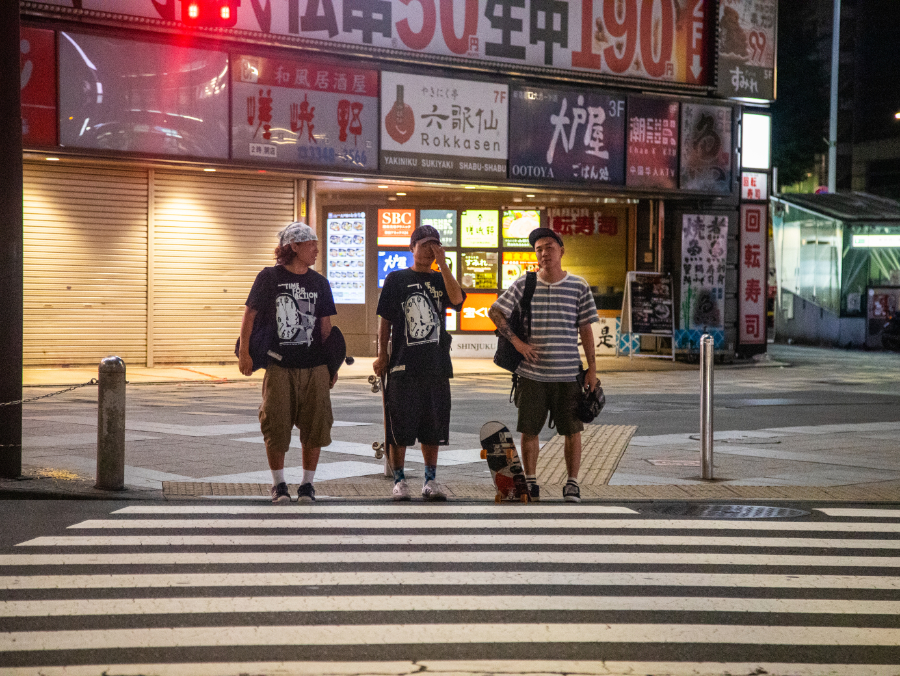
VM: And that's how you ended up reaching out to Iku Denda?
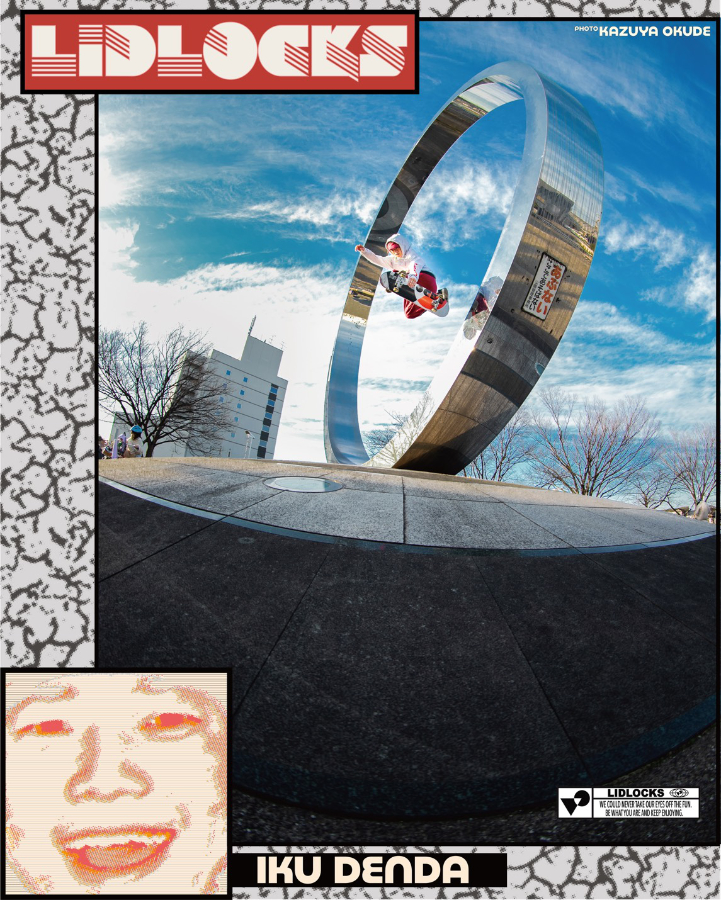
TE: Yeah. I'd known about Iku for a while because I used to watch videos from his crew, Peace, when I was in junior high. But I didn't actually know him personally. To be honest, I'd always assumed he was more of a contest skater. Then one time, we were filming in Kobe, and Kazuha, PLANT's filmer, brought along Iku, who's a childhood friend of his. So we ended up skating together. Until then, I'd always associated him with contests, but seeing him skate in person completely changed my impression. His ledge skating was insane, his style was super clean, and he was just an incredibly good skateboarder. And the funny thing was, even though he seemed like this really serious guy, once we started drinking together, he turned out to be a complete idiot (laughs). I was like, "This dude is fucking awesome!" After that, we started traveling together to places like Nagoya and Kanazawa, and eventually he joined PLANT. When we put out his footage, the response was amazing. So many people were saying things like, "Damn, I had no idea Iku was this sick!" That made me really happy. He's such an incredible skater and such a funny, interesting person. I felt like he deserved a lot more recognition. Seeing how the video I'd made could show people what made Iku special really meant something to me. It made me feel like maybe I could do even more for him. So I asked him to join LIDLOCKS.
VM: How did you meet the other rider?
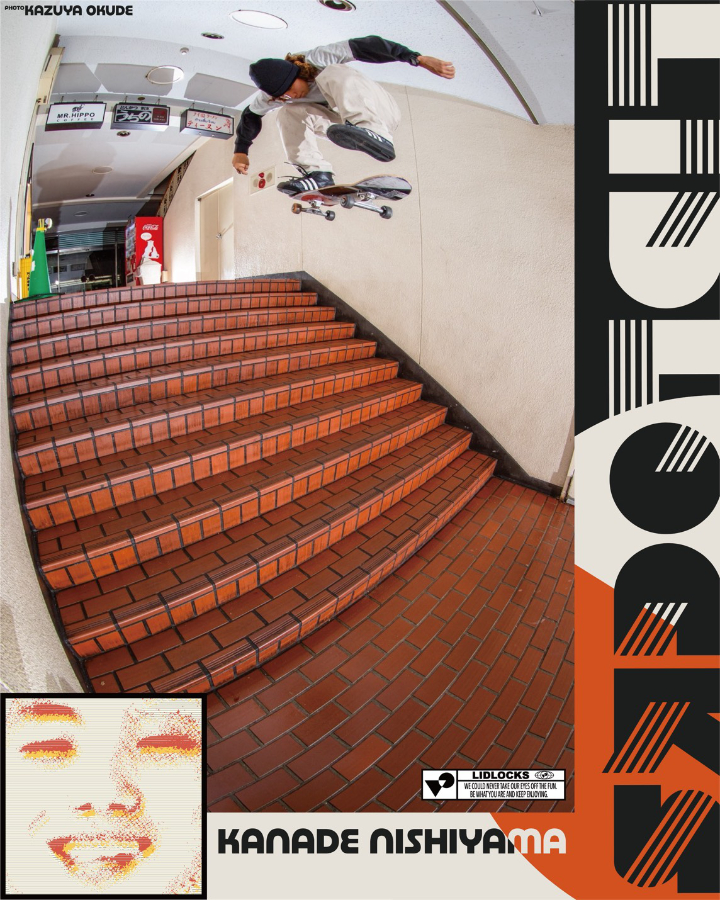
TE: I was in Nagoya for an art exhibition, and a friend brought Kanade Nishiyama to a bar we were hanging out at. He was only about 18 at the time. We didn't talk that much, but afterward he followed me on Instagram. I checked out his stories, and his skating was insane. He was doing stuff like switch back tailslide heelflip out down long ledges. And there was this one clip where he did a frontside noseslide, but instead of coming out fakie, he came back to regular and did a nollie heelflip out. I was like, "Who the fuck is this kid?" You could tell his fundamentals were really solid, and he could throw down some serious hammers. I was really intrigued. I wanted to meet him properly, so I hit him up and asked, "Wanna go film?" Then I headed straight to Nagoya. We spent about three days filming together. Apparently, he'd barely skated street before and had never been in a proper skate video. But we ended up getting some amazing footage. At one point, we were sitting in the car, and I asked him, "What kind of skater do you want to become?" And he said, "I've been skating since I was a little kid, so I just want to give something back to skateboarding, whatever that might be." I mean, what kind of 18-year-old says something like that? I thought, "Man, I really like this kid." So I asked him to join LIDLOCKS right there on the spot.
VM: So I guess a lot of things were completely new experiences for him.
TE: Definitely. At first, he wasn't used to skating street at all. We'd be out filming until the middle of the night, and when everyone went to grab food in the morning, he'd be the only guy literally falling asleep while eating (laughs). He was also pretty shocked by how much we push around Tokyo. Apparently, in Nagoya, most spots are relatively close together, and it's such a car-oriented city that people usually drive everywhere. But in Tokyo, it's normal to push the equivalent of two or three train stops. He wasn't used to that kind of environment, and he hadn't really developed the mindset of looking at a spot and figuring out creative ways to skate it. But once he started joining PLANT filming sessions and skating with guys who had a lot of street experience, he began changing really quickly. At first, he didn't seem to watch many skate videos either. So whenever we went filming, I'd show him different videos and say stuff like, "You should check this out," or "This skater's really sick." And gradually, he started watching old videos on his own. Eventually, he'd come up to me talking about his favorite skaters, saying stuff like, "Peter Smolik and PJ Ladd are so sick!" His attitude toward filming changed, too. In the beginning, he'd just let me film him without really caring how the shot looked. But toward the end, if I was trying to decide whether to use a long lens or fisheye, he'd actually say, "Can you shoot this one with the fisheye?" And that's not because I forced my taste on him. It's because he'd started developing his own sense of what he thought was cool. Being able to watch that growth up close made me really happy. It made me feel like the future of skateboarding is still looking pretty bright.
VM: The launch video, Time for Action, is structured as a double part featuring those two riders, right?
TE: Yeah. Originally, I wanted to have three riders, but I just couldn't find a third person who really clicked with me. We were running out of time, too, so I decided to go with the two of them for this one. And actually, I'd never made a video where I'd shot and edited absolutely everything myself before. So this time, I wanted to make something that I had complete creative control over, from filming to editing. I didn't skate at all. I wanted the whole video to focus entirely on those two riders. And considering how much footage they both got in about six months, it really reminded me just how good they are. It was incredibly inspiring for me too, and made me realize I need to step up my filming game. It also made me want to start getting footage of myself again and maybe even film another part. So I think we're all pushing and inspiring each other in a really good way.
VM: You also held the launch event at the end of October. Looking ahead, what kind of brand do you want LIDLOCKS to become?
TE: PLANT is celebrating its fifth anniversary this year, and it definitely hasn't all been smooth sailing. We've been through a lot. But even now, we're still having so much fun. Everyone gets along, we skate our asses off, and we fuck around just as hard. We're always getting excited about things, like, "Let's do this next," or "We should make a video like that." We recently made a collaboration video with Hi-Lite, too, and we've been able to do some really fun things with friends who share that same passion. That's the kind of brand I want LIDLOCKS to be. And I'd love it if some young skater saw a video I'd made or a design I'd created and thought, "I wanna start a brand," or "Let's make a skate video." Even better, I'd love to see some young kids come along and start saying stuff like, "PLANT ain't shit," or "We're gonna destroy LIDLOCKS!" That would be the best thing ever (laughs). I seriously want to see more of those cocky, rebellious young kids coming up and doing their own thing. There are also so many things I want to do with LIDLOCKS as a board brand that I don't even know where to start. The ideas I have for PLANT and LIDLOCKS are completely different, and I think there's a lot of exciting stuff we can do with both. Now I just have to work my ass off to make it all happen.
Takuma Enoki
@_morningboner @plantgriptape @lidlocks_skateboards
Born in Tokyo in 2002. A member of the first graduating class of VANTAN's Skateboarding & Design program. He's the man behind PLANT Griptape and directed the brand's first full-length video, Honogura. He recently launched the skate brand LIDLOCKS and continues to pursue a wide range of creative projects, including filmmaking and graphic design, with skateboarding at the heart of everything he does.