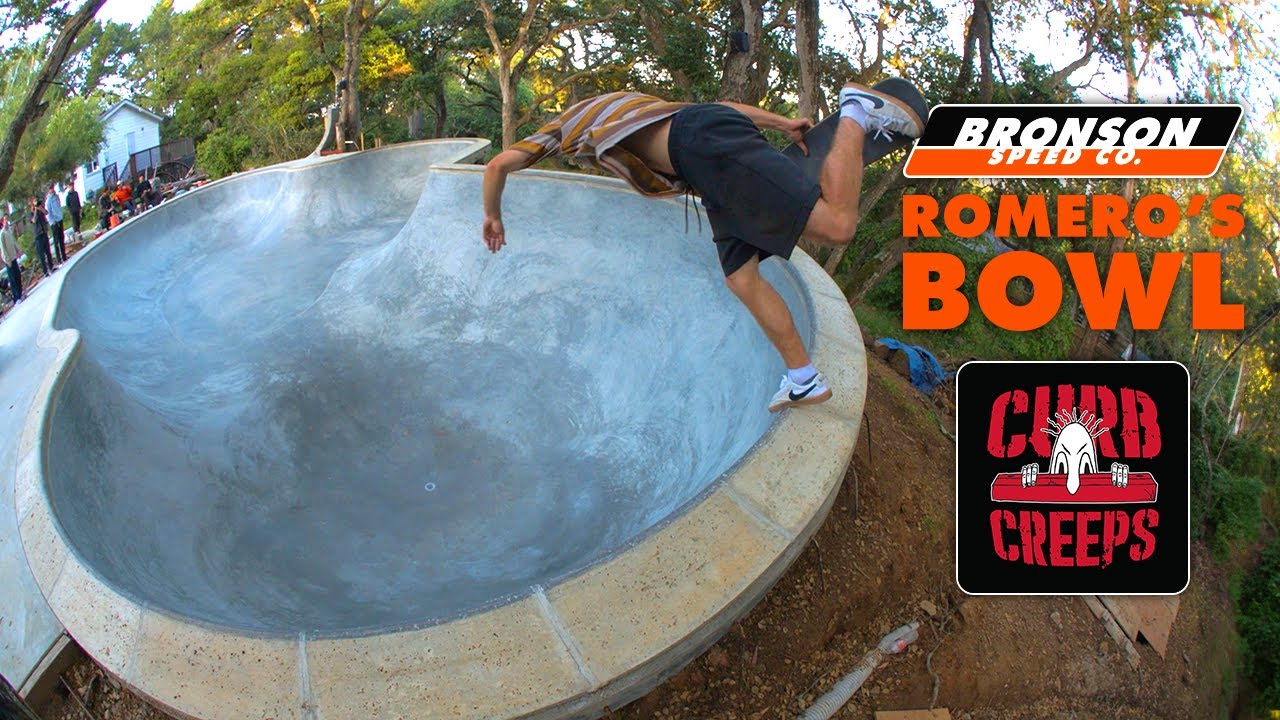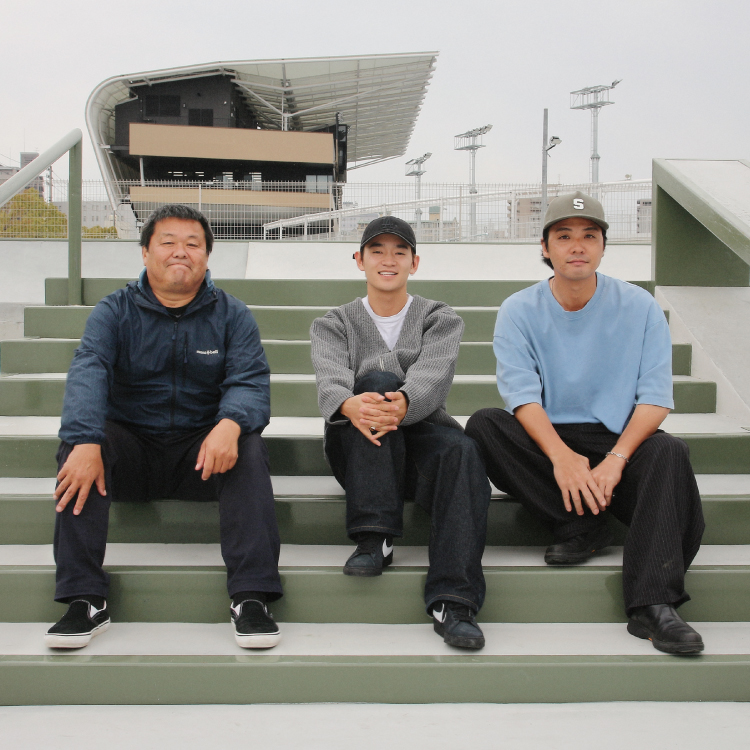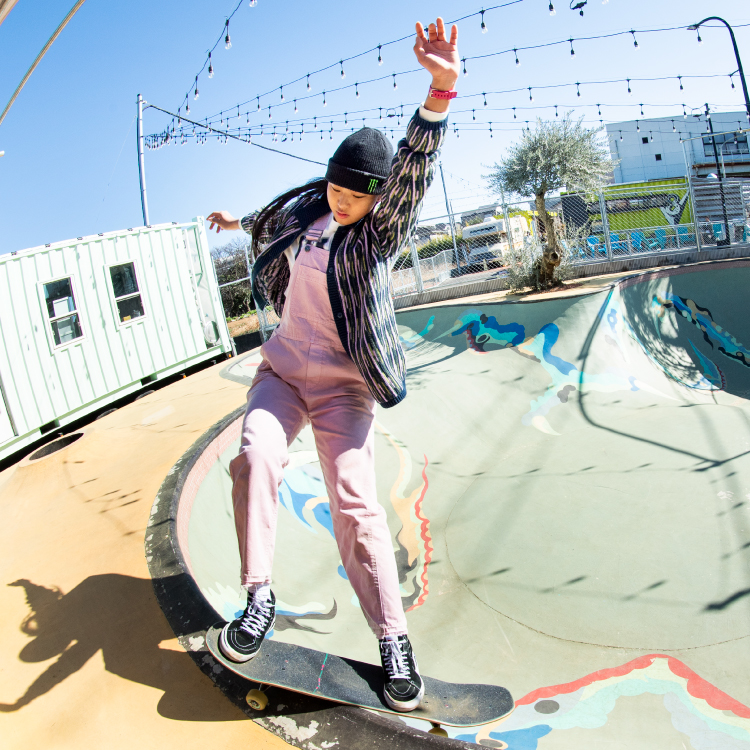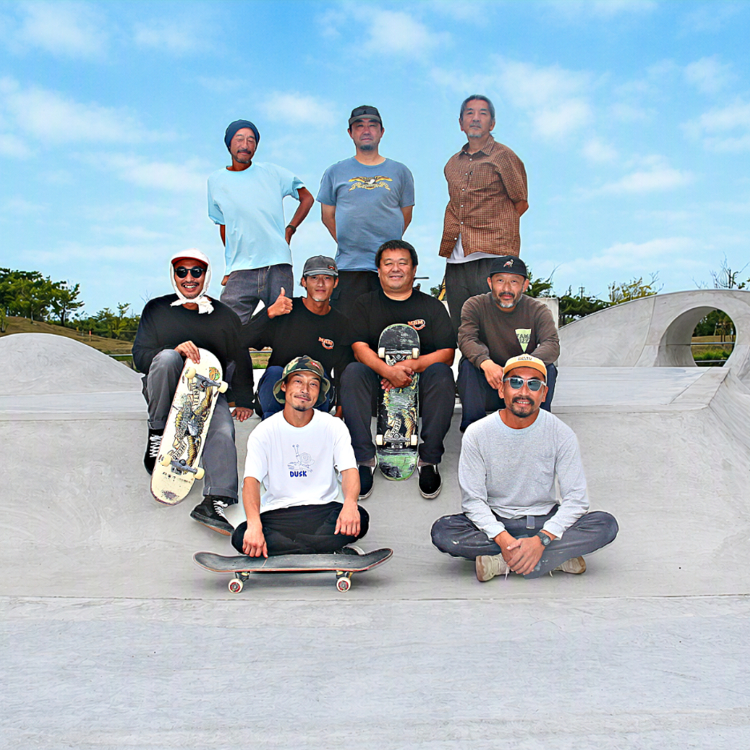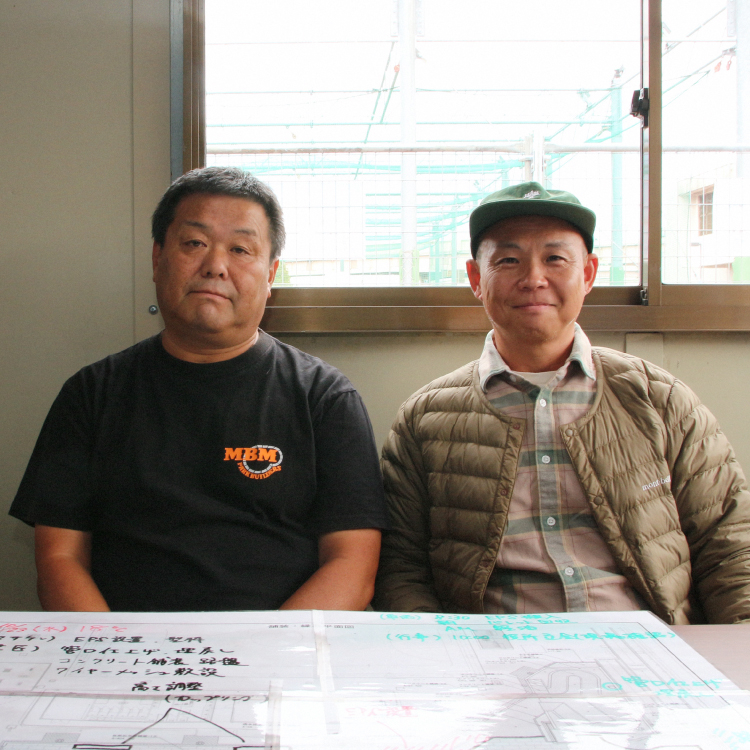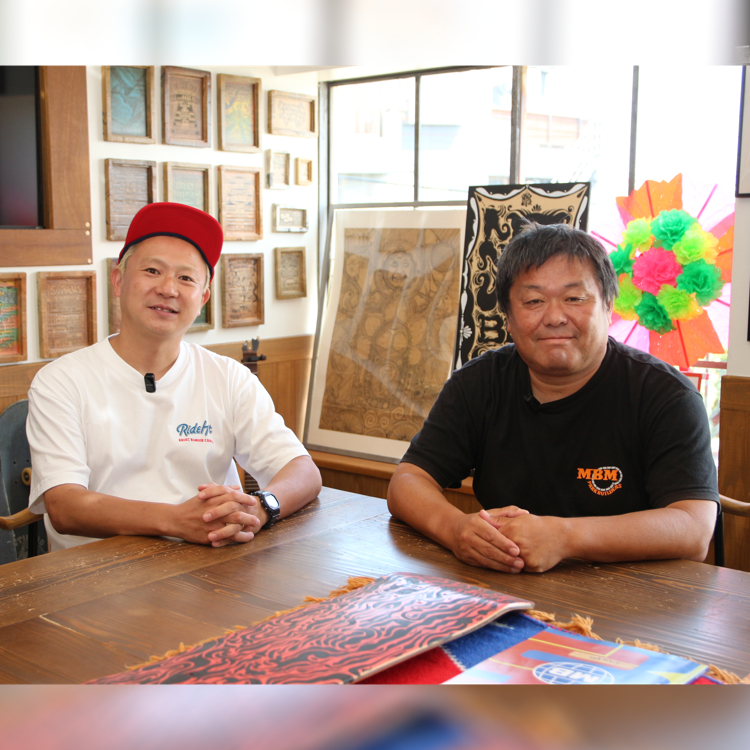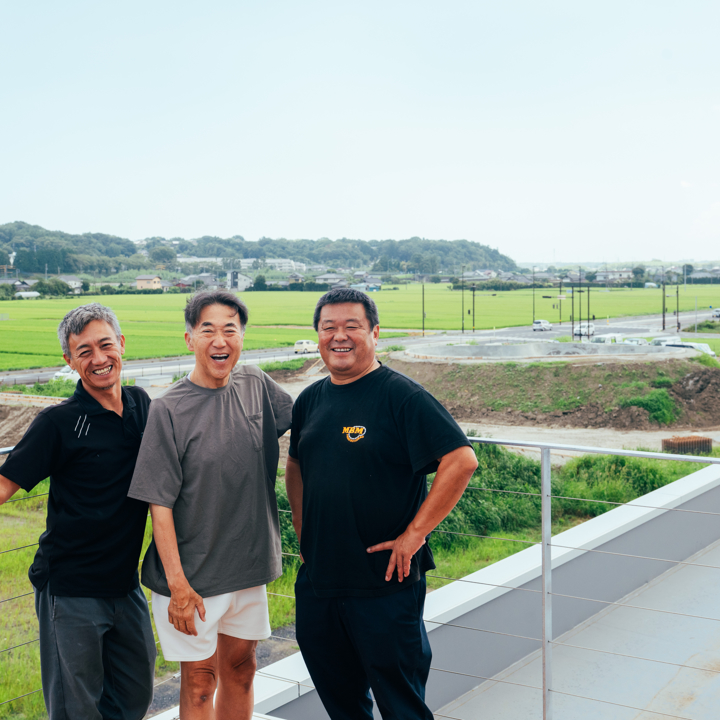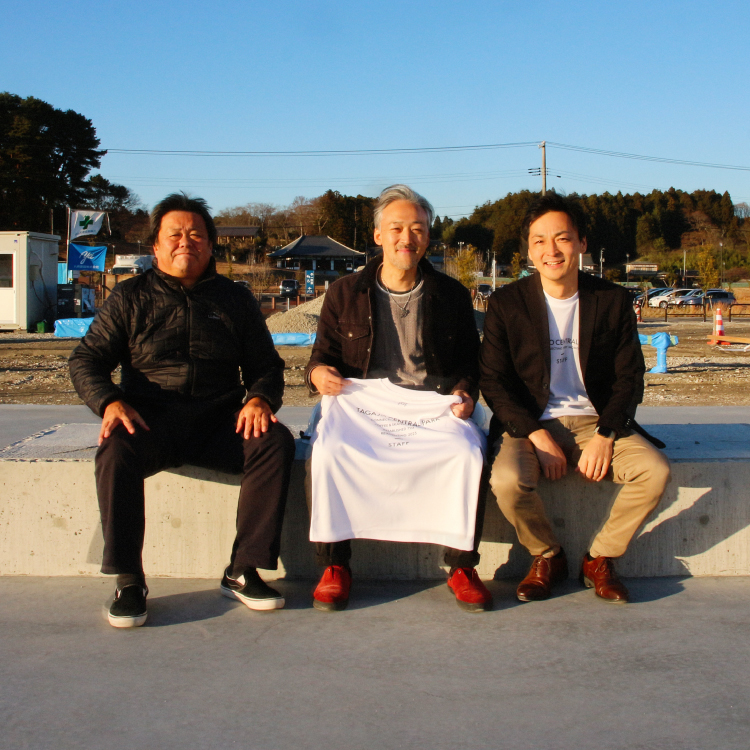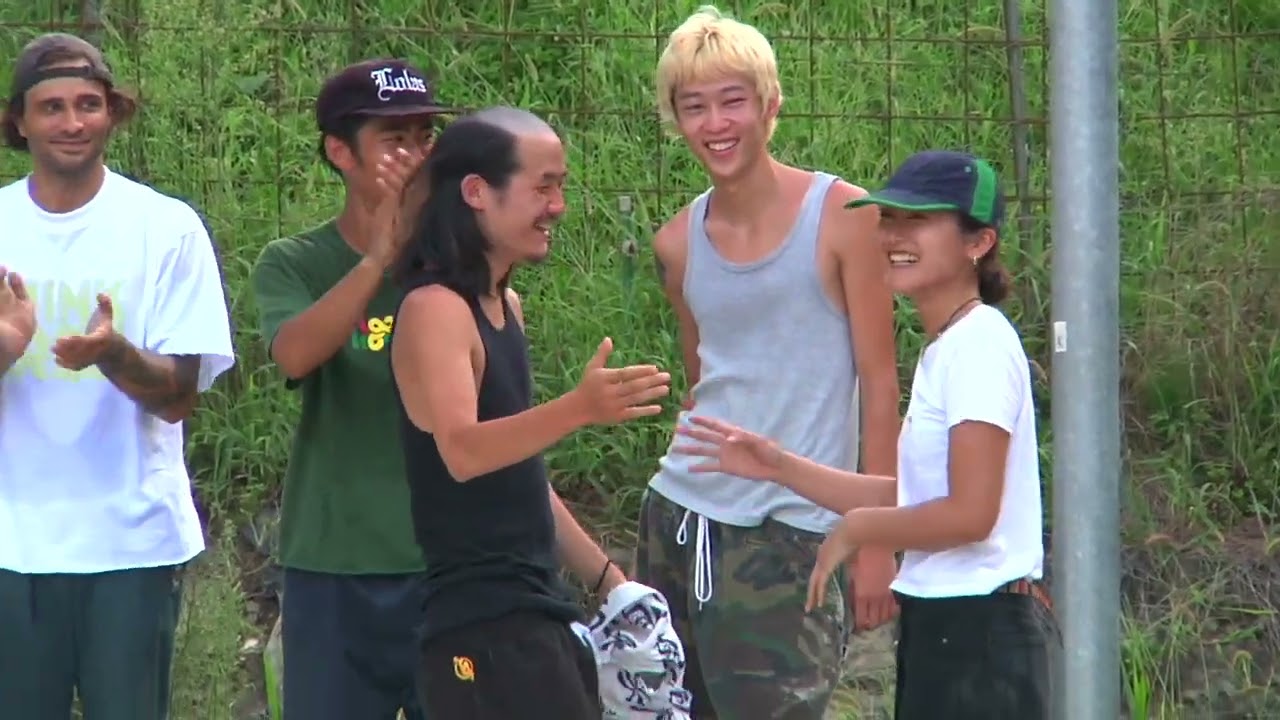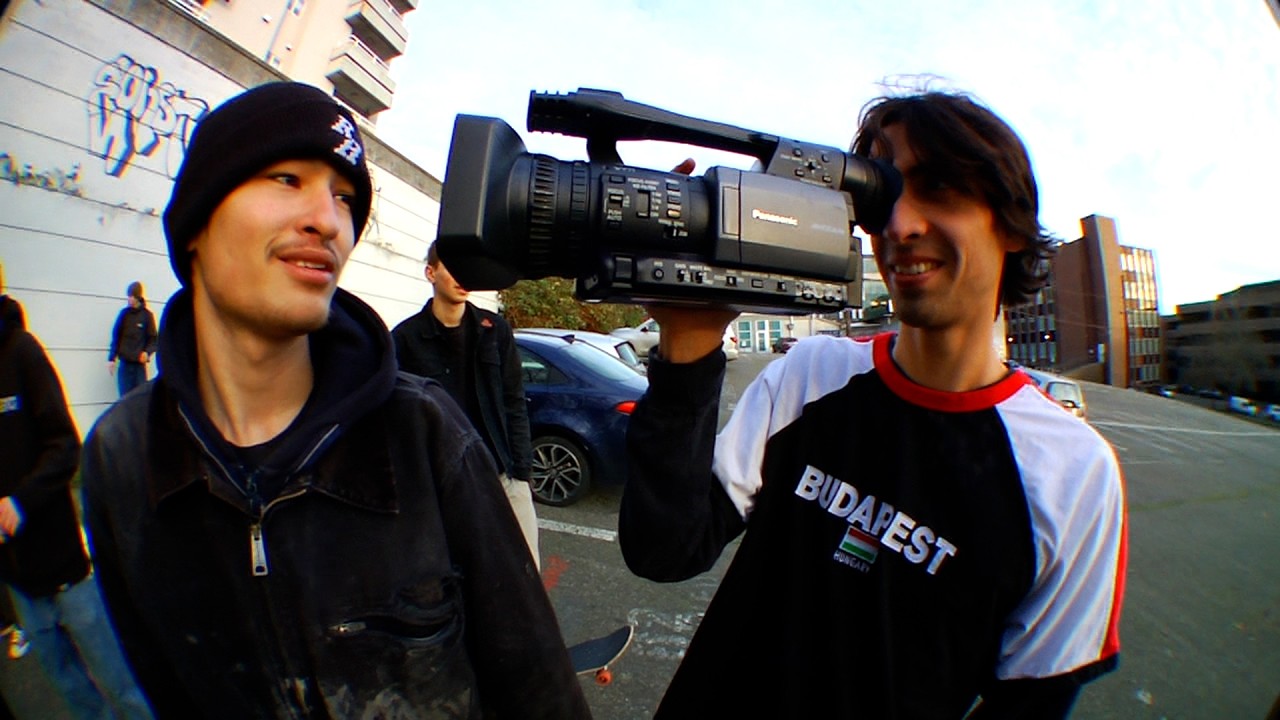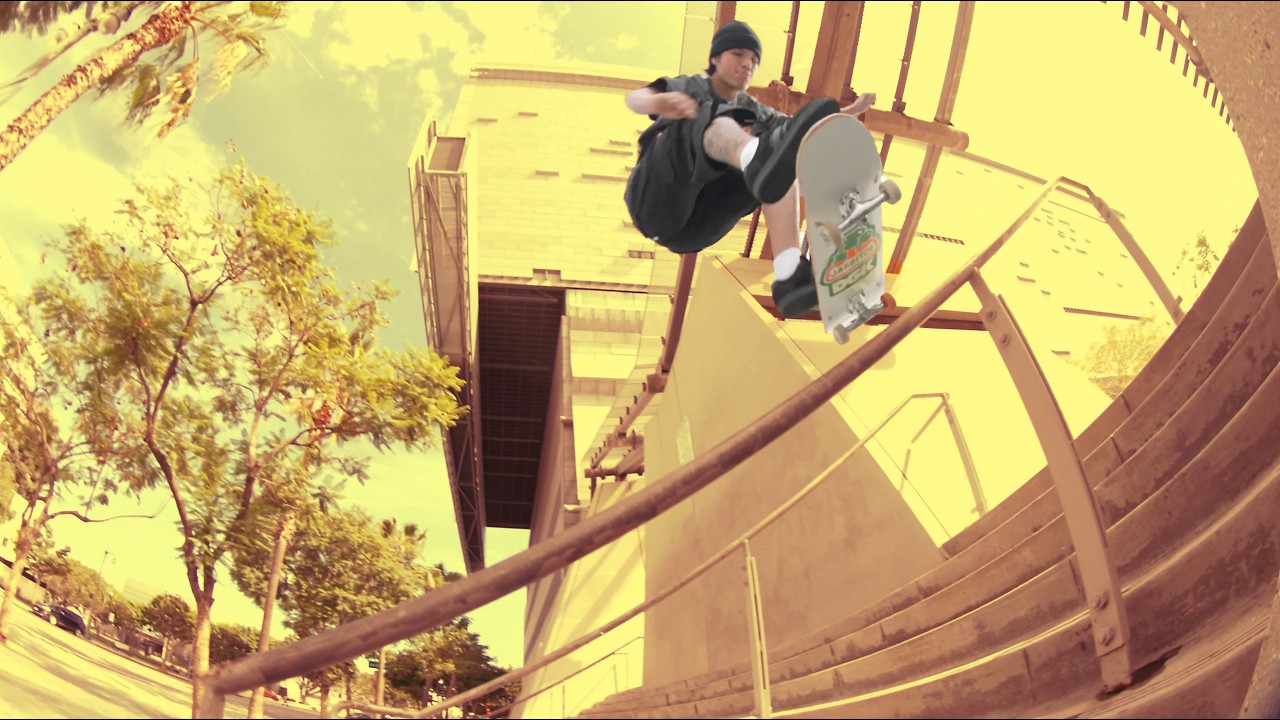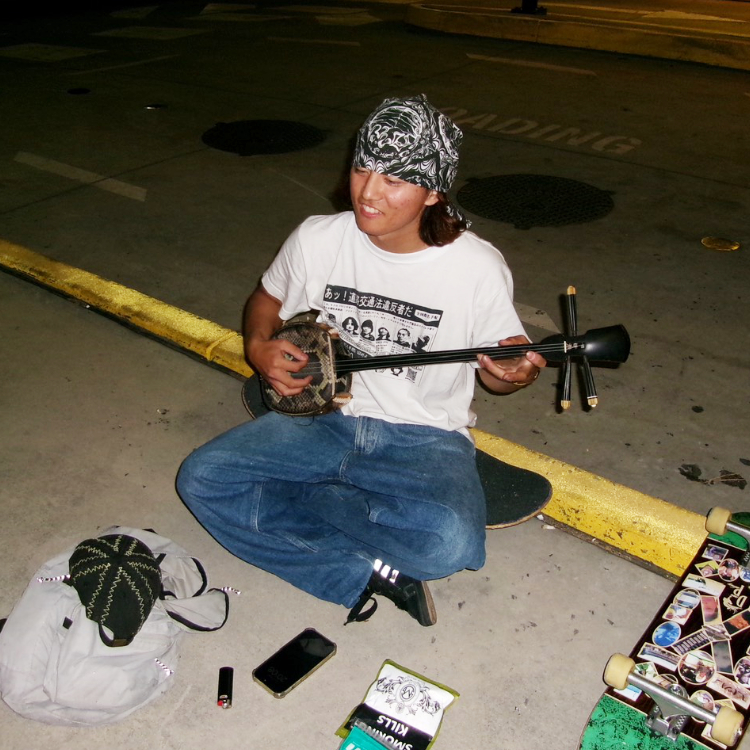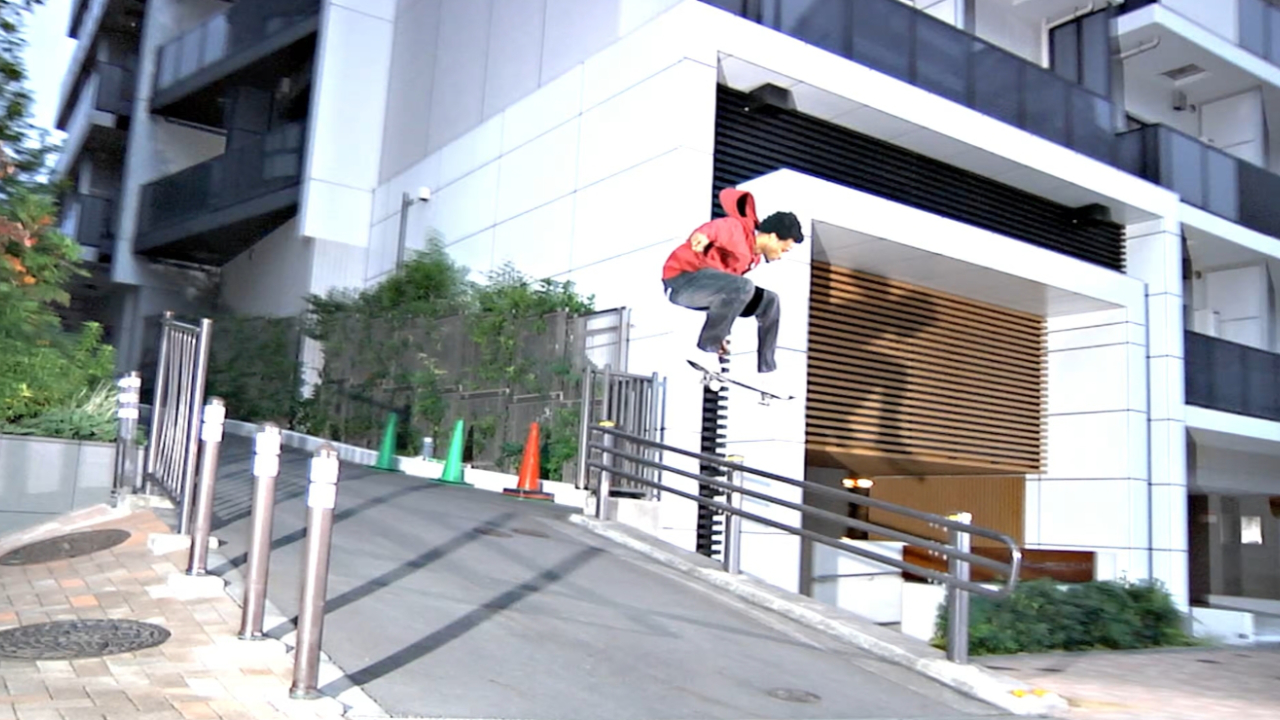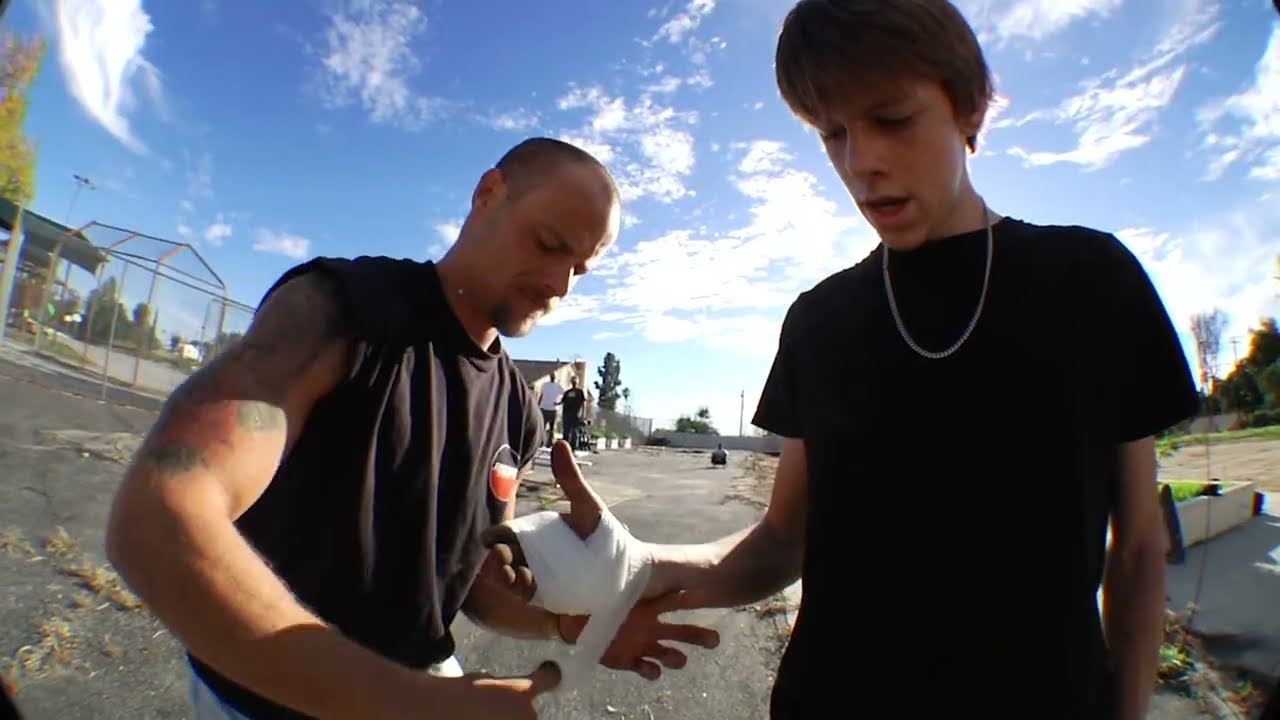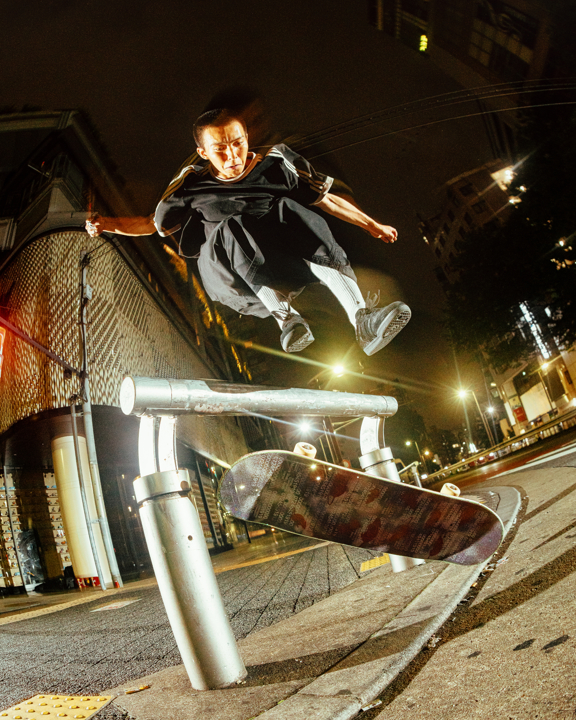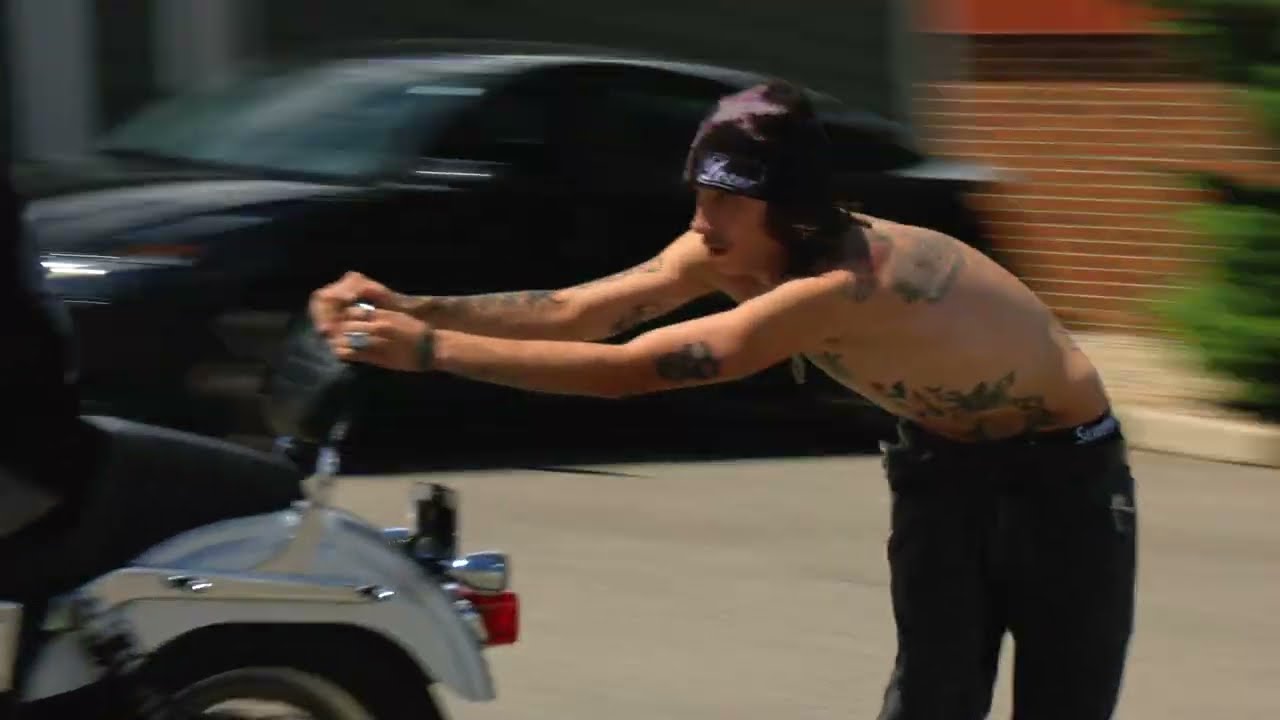
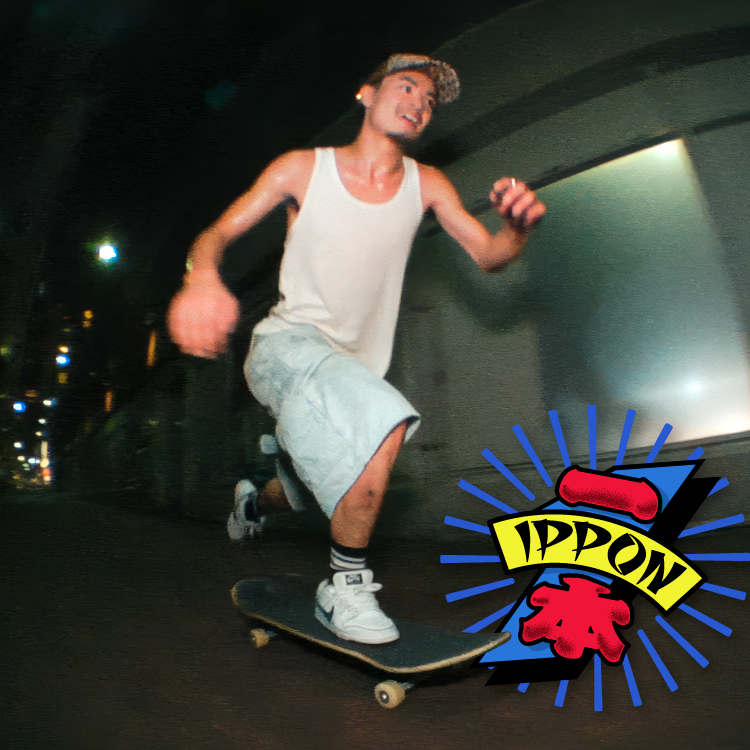
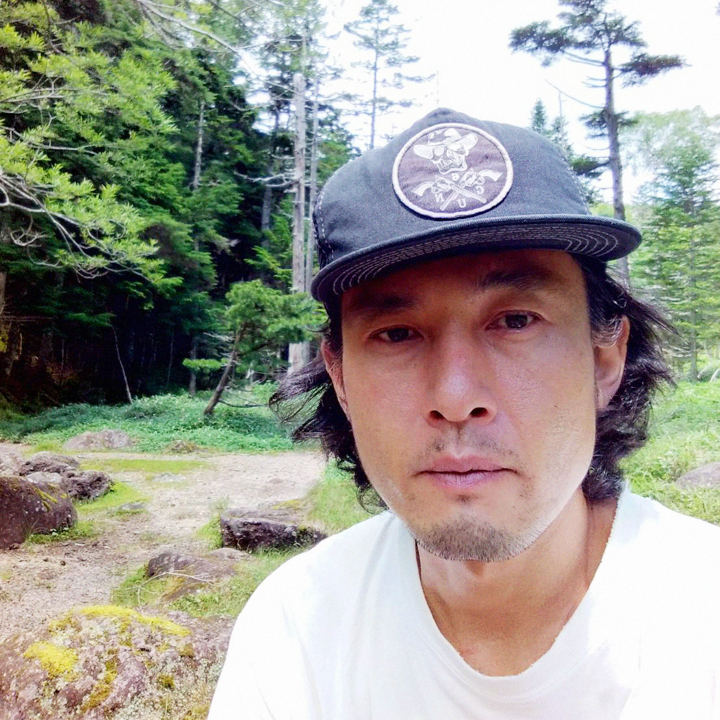

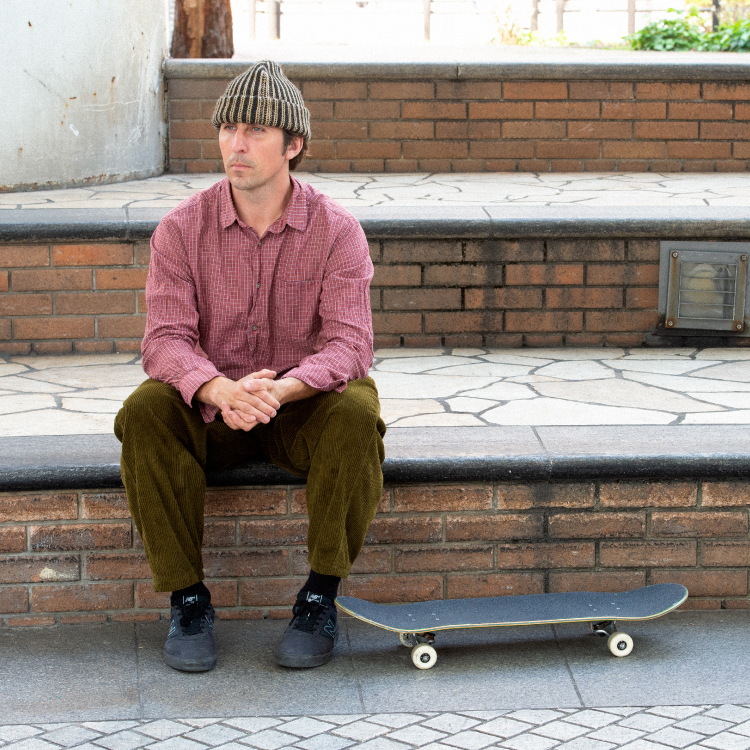


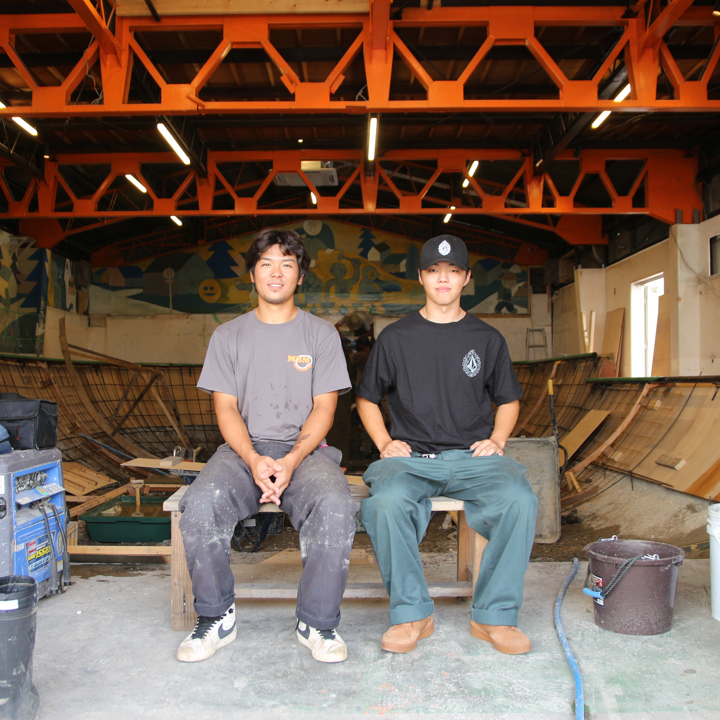
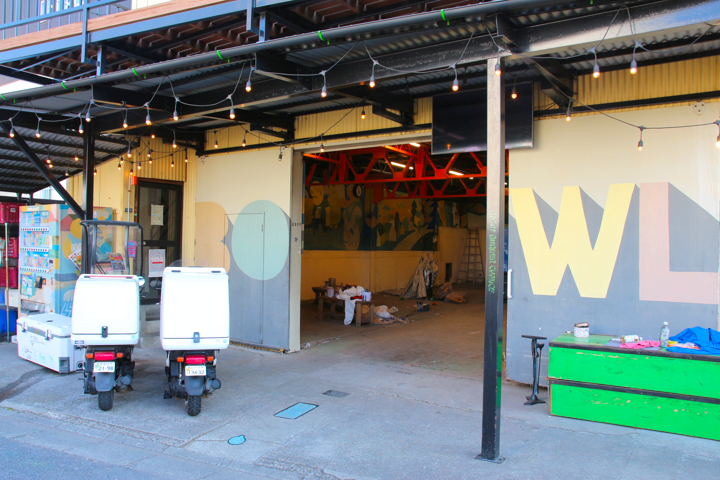
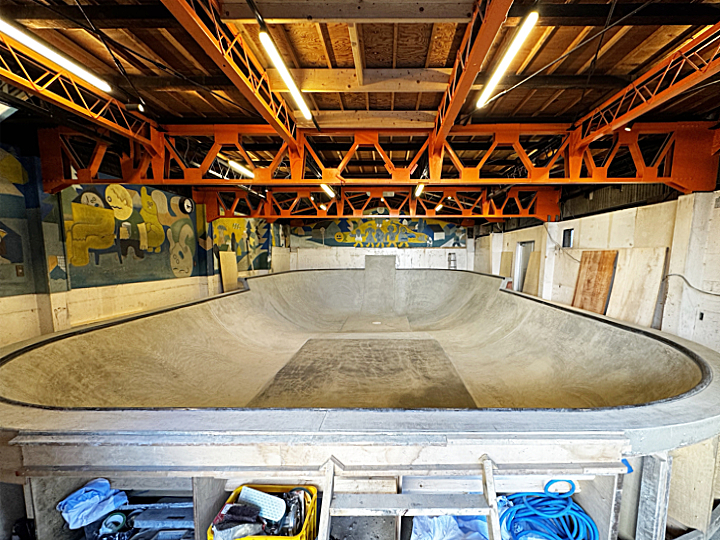
A new indoor concrete bowl is taking shape at BBC in Kawaguchi, Saitama. For this highly anticipated bowl reconstruction project, we sat down with Sota Tomikawa, who was responsible for the design, and Fumiya Yoshizawa, the MBM Parkbuilders site foreman overseeing construction. The two talk about what went on behind the scenes, the details and ideas built into the bowl, and their hopes for the future of the skate scene.
──BBC BOWL
[ JAPANESE / ENGLISH ]
Special thanks_MBM Parkbuilders
VHSMAG (VM): First, Sota, can you tell us how you became involved with MBM and eventually came to design this bowl?
Sota Tomikawa (ST): It goes back to around the time AXIS first opened. I used to skate parks that MBM had built for events like the Advance Cup, and that’s how I became friends with Kimura-san (MBM chairman) and all the locals. When I was in junior high, they also supported me as a rider. Later, after I moved to Ibaraki, I started spending even more time with everyone working there. At this point, they’re basically just really close friends of mine.
VM: How did you end up being asked to design this concrete bowl?
ST: Kimura-san suddenly brought it up to me. He was telling me that BBC and MBM were going to start doing various things together, and then he said, “We’re rebuilding the bowl. Want to try designing it? Got any good ideas?” I was like, “Seriously? You’re sure you want me to do it?” Kimura-san and I had always talked about how we wanted to build parks in Japan like the ones in America, so BBC became the first opportunity to try that idea out.
VM: And Fumiya, you were appointed site foreman for the project.
Fumiya Yoshizawa (FY): Yeah, that’s right.
VM: You two were already close, right?
ST: We see each other at AXIS almost every day and skate together.
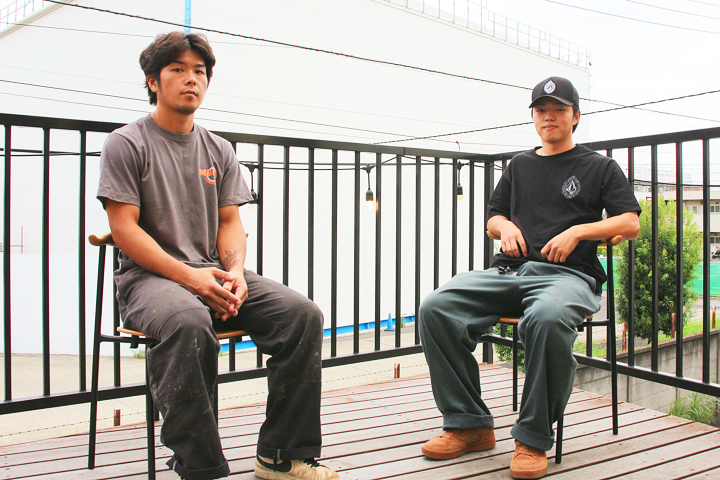
VM: Did the two of you communicate much during the design stage?
FY: Not really. Kimura-san and Sota had already developed the concept to a certain point, and then the plans were sent to me. I basically built it based on those drawings.
VM: What was your first impression when you saw the plans?
FY: I thought, “This thing looks fast.” And because the extension is pretty narrow, I also thought, “This looks pretty difficult.”
VM: Sota, did you have a particular concept in mind when you were designing it?
ST: The main thing I kept thinking about was, “A bowl you’d definitely be stoked to have in your neighborhood.” It’s indoors, so you can skate even when it rains, and it’s air-conditioned. I imagined a bowl that would be nearby, comfortable to skate, and fun for skaters of all levels.
VM: It’s changed quite a lot compared to the old wooden bowl.
ST: The old wooden bowl had a spine in the middle, so it always felt a little cramped. I wanted to connect everything into one bowl without the spine. Since I knew it was going to be concrete, I figured that by introducing different elevations and controlling the height changes, you could generate plenty of speed and make it fun. It’s completely different from the old one.
VM: What was the hardest part of the actual construction?
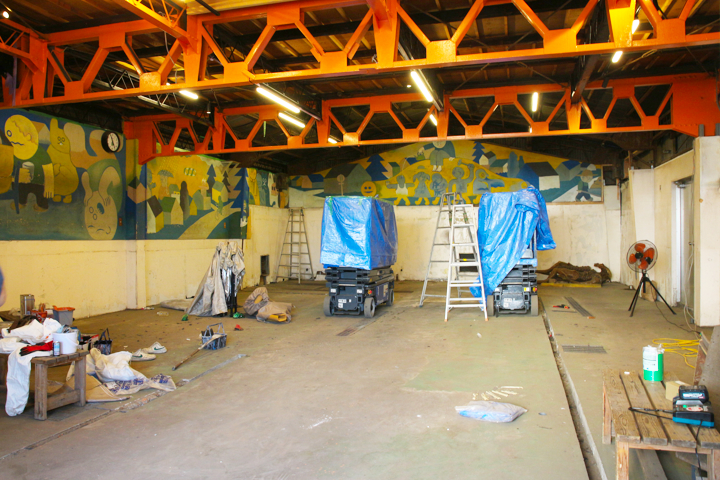
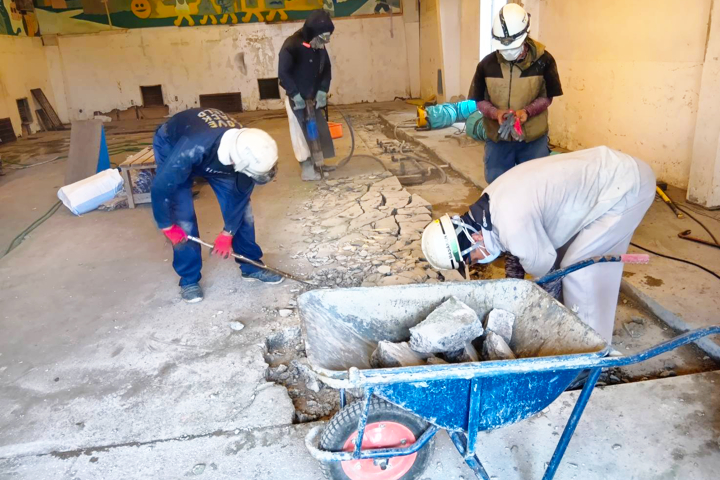
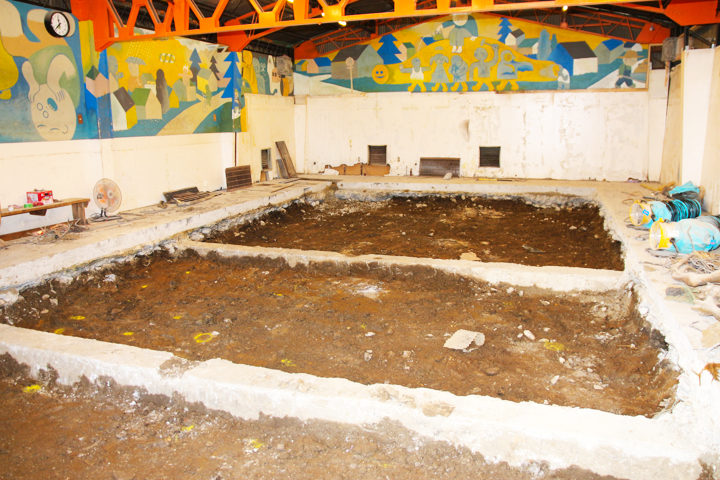
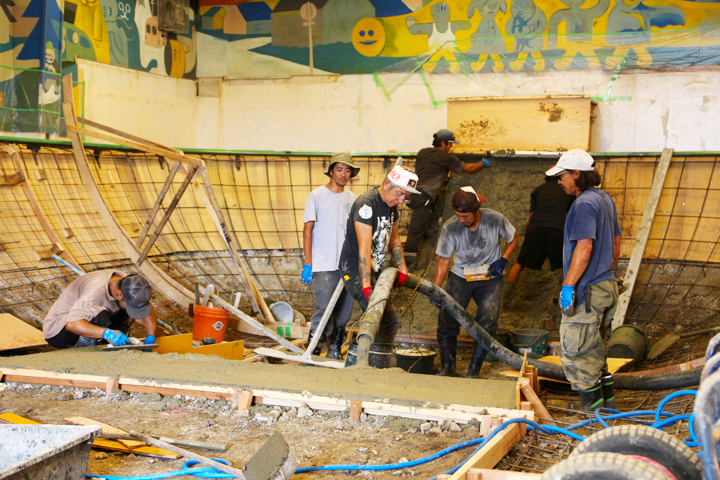
FY: Definitely how cramped the site is. There was almost no room to work, and at first I was wondering how we were going to do it. But in a way, having fewer people actually worked better because everyone had more room to move around. This was actually my first time being put in charge of a site, so I was feeling a lot of pressure (laughs).
VM: How did you decide on the elevation change from the shallow end down into the deep end?
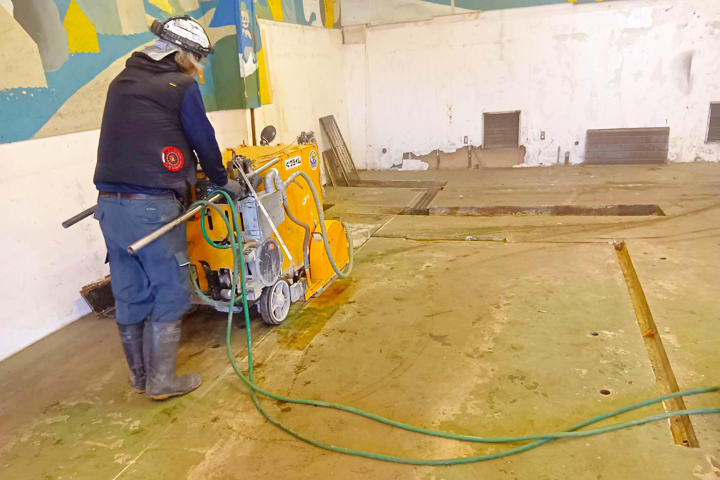
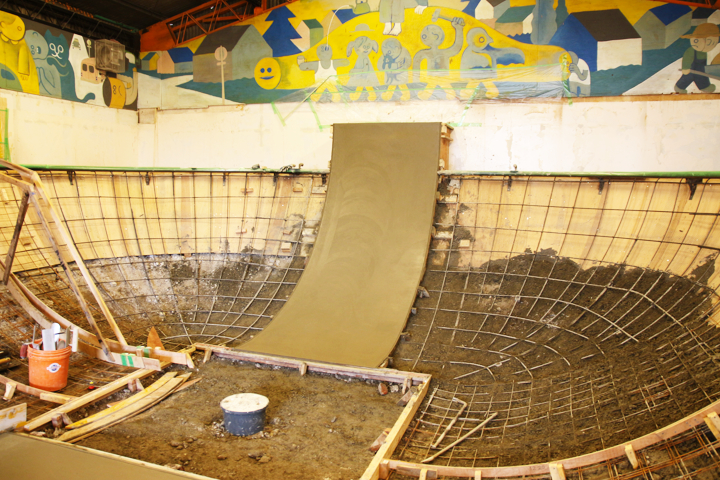
ST: Originally, the plan was to excavate the entire floor to the same level. But partway through, we hit a structural beam and couldn’t dig any farther on the near side. They told us, “We can dig farther down in the back,” so we had them excavate the whole rear section. It ended up lining up right underneath an overhead column. So we figured, why not make that the transition from the shallow to the deep end and create a big elevation change all at once? It ended up creating a floater, and made it feel more like an American bowl. I actually think it became more interesting that way.
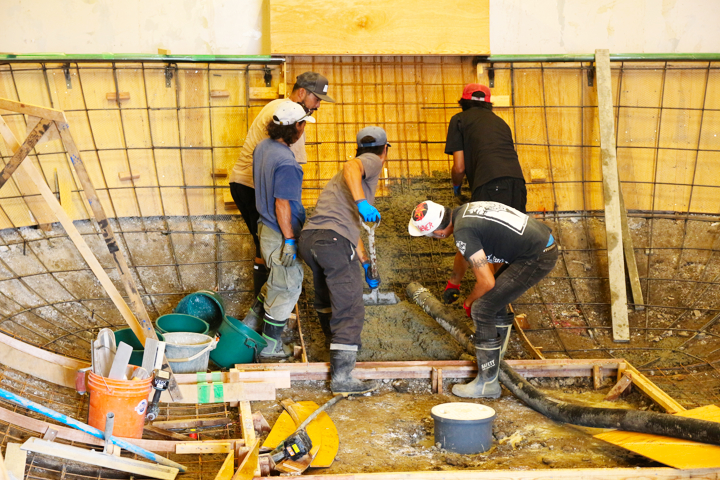
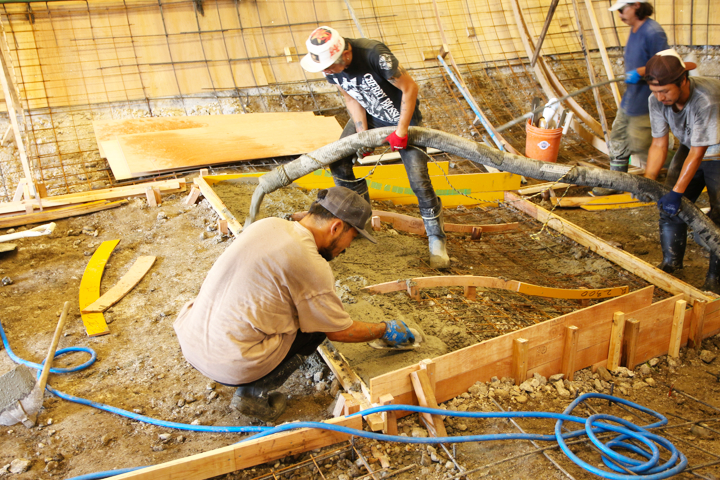
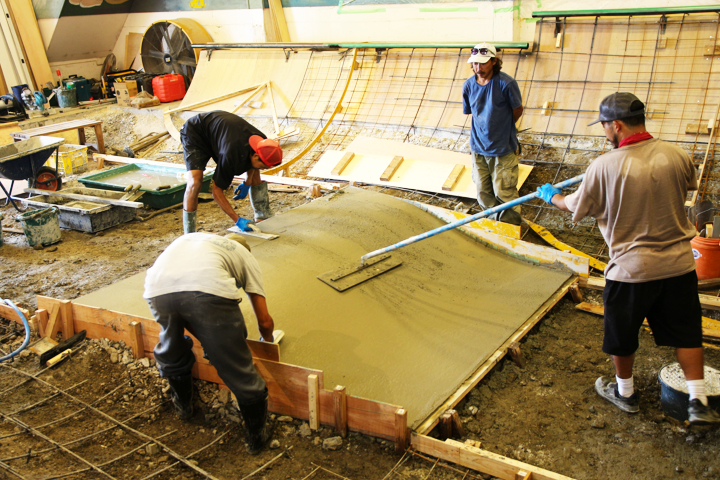
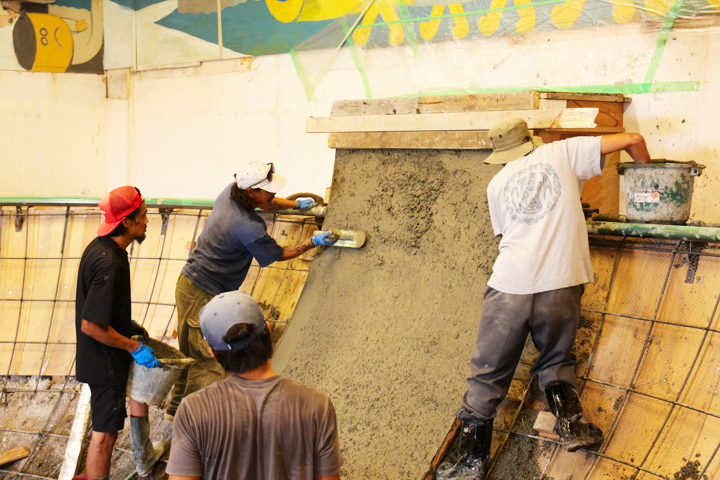
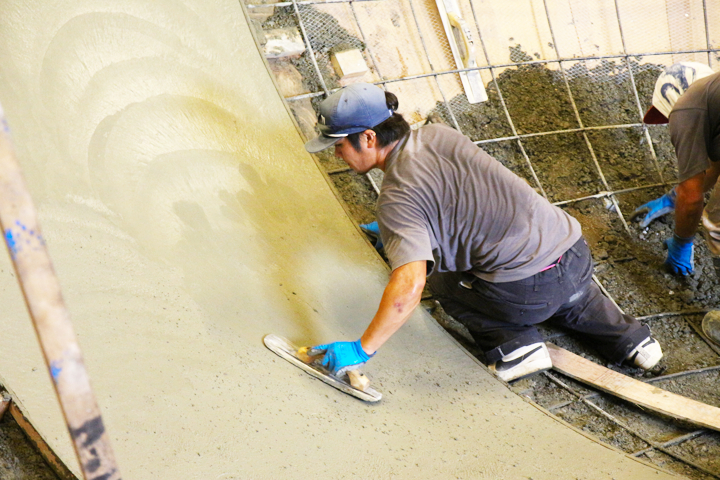
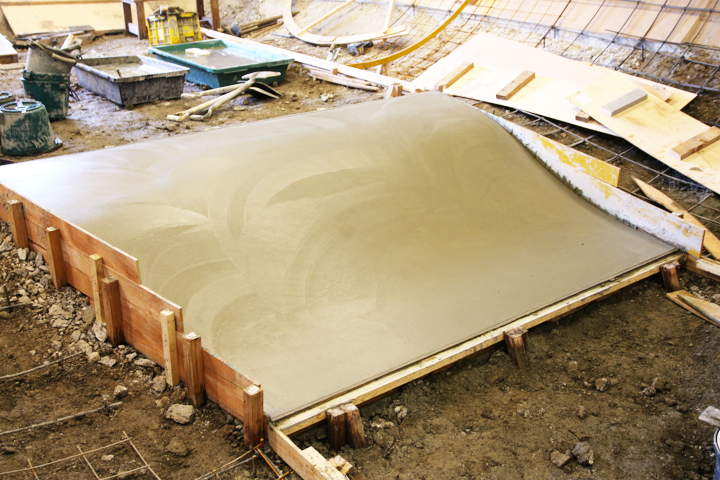
FY: The lower section was soil while the upper section was constructed with wooden panels, so even when we poured the concrete today, it really wanted to flow downward. To keep it under control, we overlapped the metal lath more than usual and layered it in different ways. We had to adapt to things on the spot. It was a very DIY-style job site.




VM: What would you say are the main selling points of this bowl, or the details that really reflect your style?
ST: I was really particular about the angles in the round sections and the transitions. I didn’t want it to just be steep, or just be a cramped, fast, twitchy bowl. One of the best things about skateboarding is having something that anyone can skate and improve on. You can use this as a mini ramp, and you can also practice carving around it like a proper bowl. And if you want to reach the highest section, there’s absolutely no way to do it without using the round section. It’s kind of like “a device that makes you better at skateboarding.” If you can figure this place out, I imagine you’ll be able to handle most other difficult bowls, other than things like hips and spines.
VM: Any other details that stand out to you?
FY: You pick up a ton of speed through the waterfall dropping from the shallow into the deep end, and there’s about a 600mm height difference up to the extension. It looks difficult in a fun way. Another thing is that we’re planning to cut X-shaped notches into the coping. It should make this rattling sound when you grind, and the feeling should be amazing. I’m really looking forward to skating it myself.
VM: You’re cutting notches into the coping?
ST: When there was an AJSA contest in Matsusaka before, there was one section where they had cut X-shaped notches into the steel coping. We grinded it and were like, “Doesn’t this feel amazing? Should we do this at BBC too?” And purely on the spur of the moment, we decided to put the notches into all of the coping (laughs).
VM: Compared to something designed entirely in-house by MBM, what changed by having Sota involved in the design?
FY: When it’s only the MBM crew designing something, everyone likes really tight transitions, so our designs can end up pretty technical and quirky. But because Sota designed this one, I think it turned into something where you can practice ramp skating, carve around the bowl, and just have a fun session with everyone.
VM: Putting this bowl aside, what would your ideal bowl be like?
ST: That’s tough. My reference point is definitely American parks, but I’d say the bowl at Prince Park in Oceanside. If I could really build whatever I wanted, I’d want Prince Park. There’s also Pier Park in Portland. Among the really big bowls, that’s definitely one of the best. It just feels good and it’s fun.
VM: When you say it feels good, do you mean because you can put lines together?
ST: Yeah. I really like places where you can keep your speed the whole time and there are lots of features you can pump through. The newer contest-style parks are also great because you barely lose any speed, but I like something where you can really keep pumping, and even after you cruise through a grind, another transition comes at you. I think the best bowls are wide open but still give you tons of different things to do.
VM: Changing the subject a little, you coached Hinano Kusaki at the Olympics and helped her with things like putting together her lines. Having experienced being in that coaching role, what were you conscious of at the time?
ST: If you only have someone do things they can already do, they’re never going to get better. So I was always asking her to do things that were a little unreasonable, and once she could do them, we’d incorporate them into her line. This bowl is the same. I think the fun comes from having parts that aren’t easy at first, trying them, eventually figuring them out, and improving through that process. I’m personally pretty good at grinding, so I was mainly teaching her the grind tricks that were missing from her skating at the time.
VM: I remember her saying, “Sota never praises me.” (laughs)
ST: No, I’m pretty sure I praised her (laughs). I feel like I’d say things like, “That was really good.” Hinano is already an incredibly good skater and really knows how to skate, so if you give her some advice or show her something, she picks it up almost immediately. That’s why I think one of my strengths as a coach was that I could actually skate myself and demonstrate what I wanted her to do.
VM: Once this bowl is completed, how would you like to see this place being used?
FY: If we can see skaters, BMX riders, and all kinds of people coming here and getting hyped together, then building it will have been worth it. It would be amazing if this place could grow into an even bigger community space.
ST: What I’m most looking forward to is seeing some kid who says, “I started skating here,” or “I practiced here all the time,” eventually show up in videos or win contests. And the most fun thing is when somebody comes up with a line or some weird way of skating it that I never imagined at all during the design stage. Something that makes you go, “You’re going THERE!?” (laughs)
VM: If the two of you were to work together again on another park, what kind of park would you want to build?
FY: I think it’s better to leave the design side to Sota, so I’ll probably find myself asking him things like, “What do you think we should do here?” more and more in the future (laughs).
ST: I definitely want to build a park like the ones in America. We’ve seen more big parks being built in Japan over the last few years, but I feel like a lot of them still get divided into a “street course” and a “park course.” I’d like something clean with a snake run, but where you can also pop your tail anywhere, and there’s a bowl too. There could be bank-to-banks and quick transitions around the perimeter, things like that. I want to build a park where even the best skaters show up, struggle with it on their first visit, and go home knowing they haven’t figured it all out yet.
VM: When is the bowl scheduled to be completed? And give us one final comment.
FY: We’re hoping to have it completed sometime in October. Leave it to us!
ST: Once it’s finished, let’s skate the hell out of it. Thank you!
MBM Parkbuilders
@mbm_parkbuilders
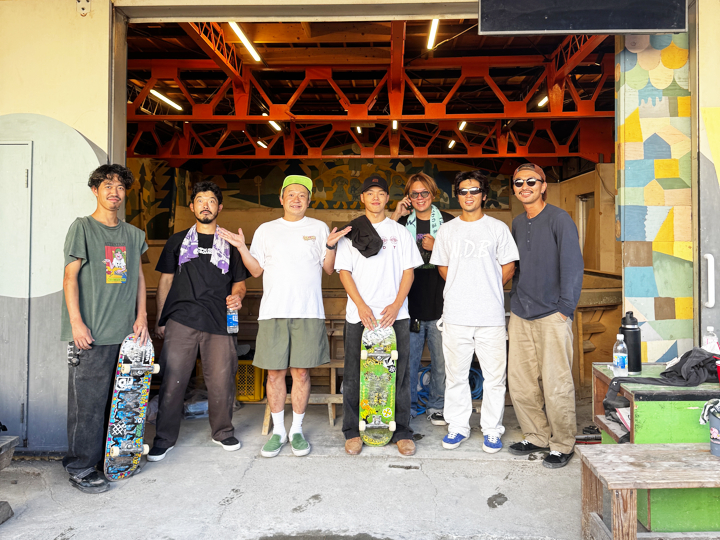
One of Japan’s leading skatepark builders, MBM Parkbuilders has designed and constructed numerous public and private skateparks across the country. Its philosophy is centered on building parks from a skater’s perspective. For the renovation of BBC, Sota Tomikawa was responsible for the bowl design, while Fumiya Yoshizawa served as site foreman for its reconstruction.