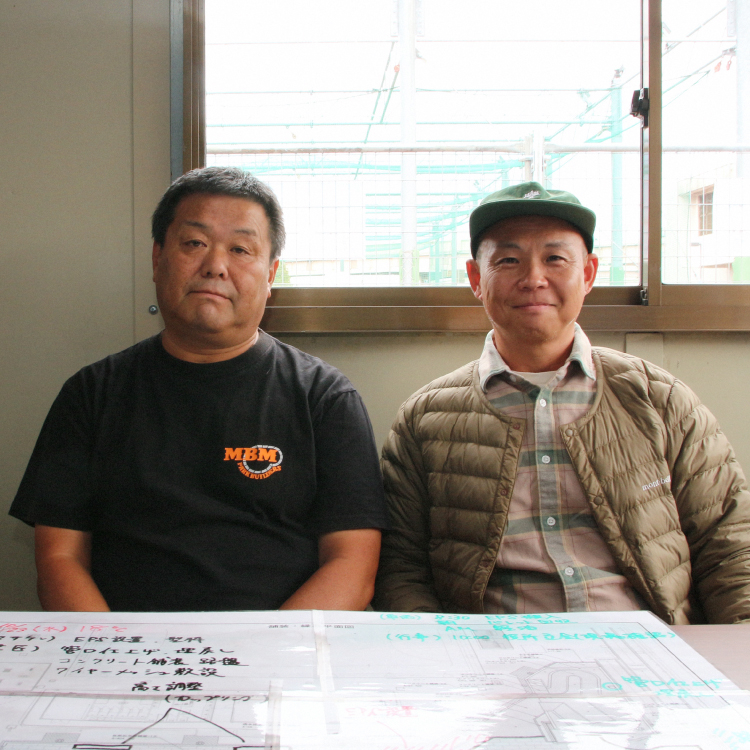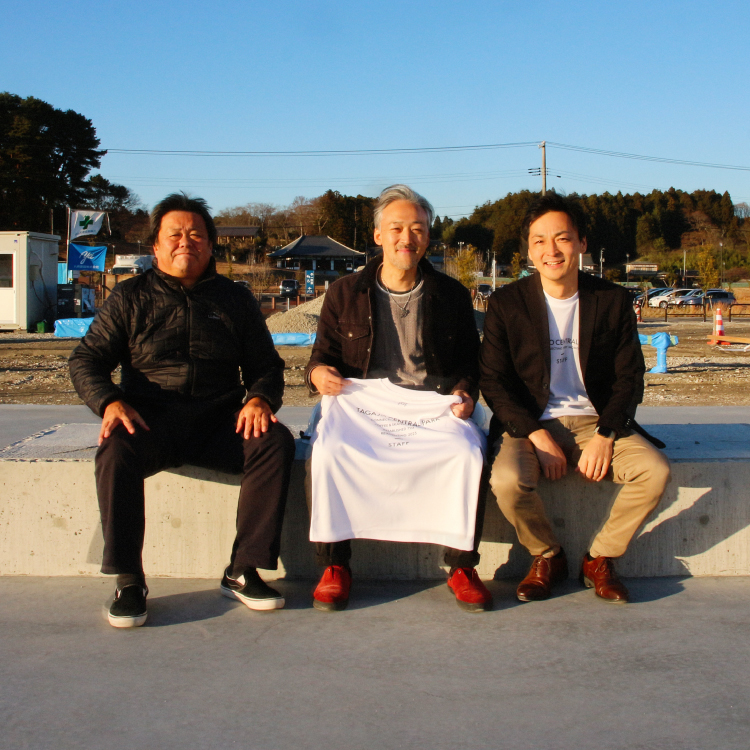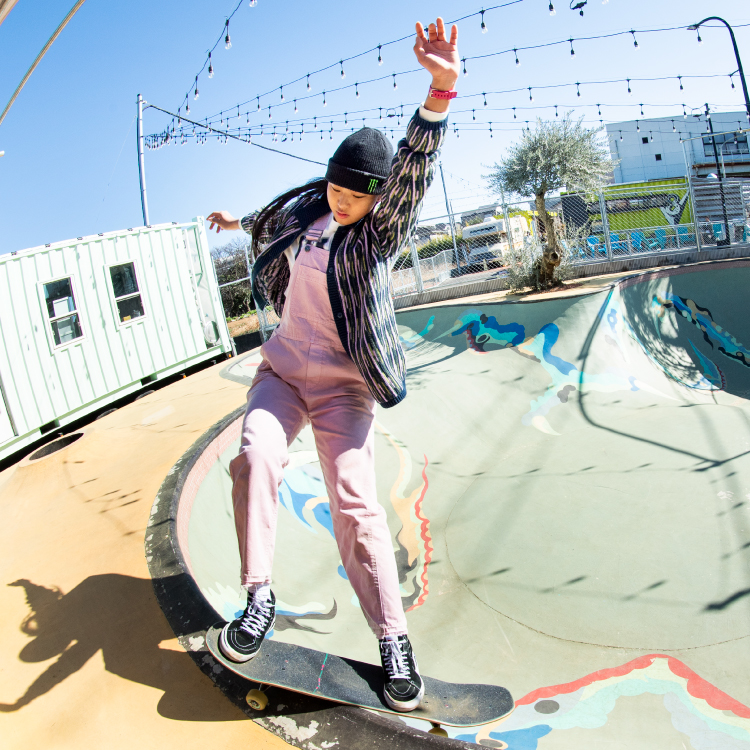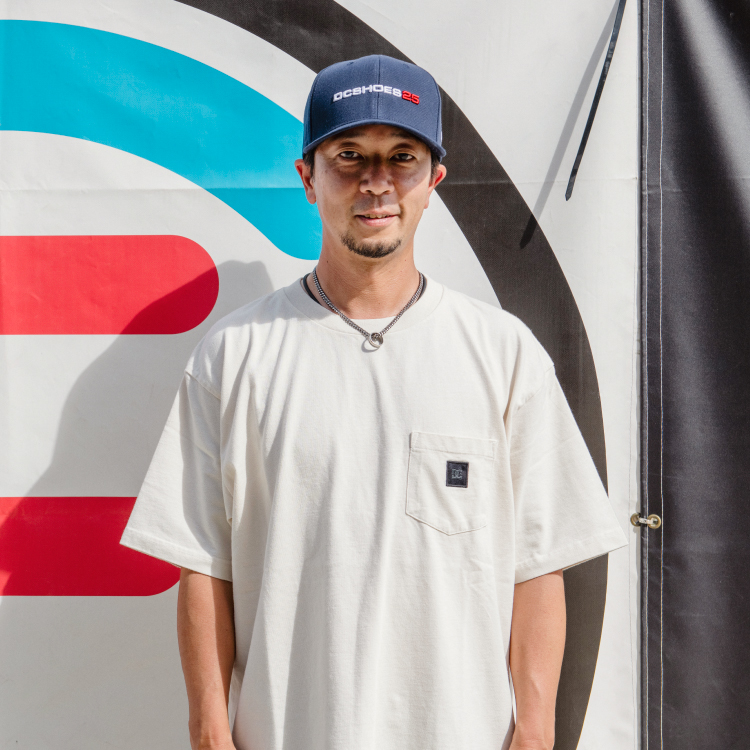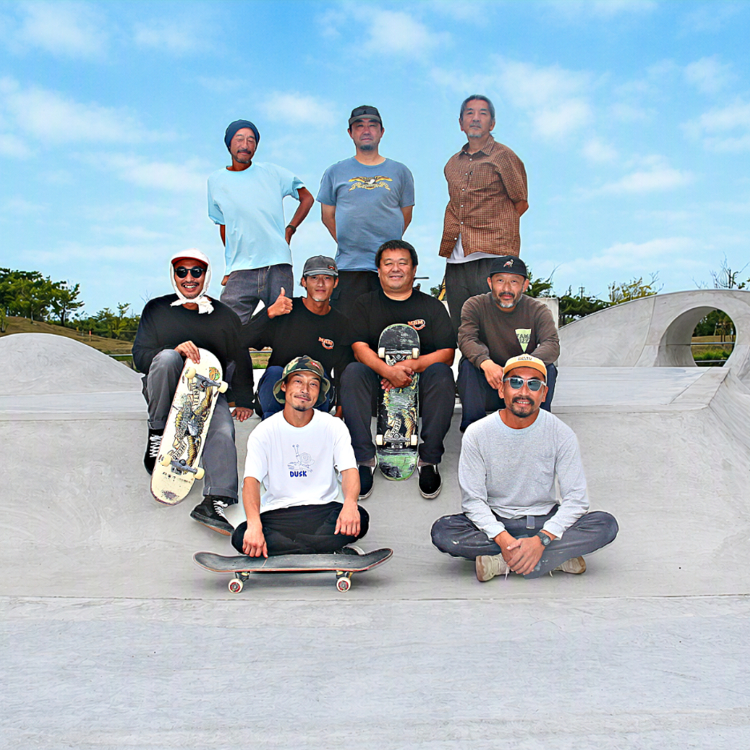




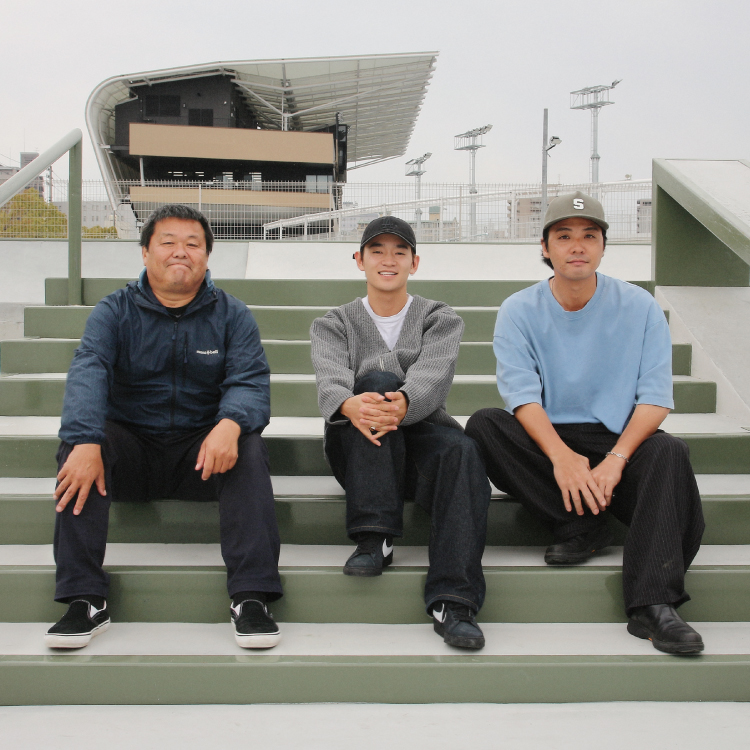
A new hub for street culture has been born right next to the Hiroshima Velodrome. Supervised entirely by BMX rider Yohei Uchino, with skatepark design by Sora Shirai and construction led by Masato Kimura of MBM Parkbuilders, this facility strikes a perfect balance between professional-grade competition standards and everyday skateability. We spoke with the team to find out how this project took shape.
──URBAN CYCLE PARKS HIROSHIMA (ENGLISH)
[ JAPANESE / ENGLISH ]
Special thanks_MBM Parkbuilders
VHSMAG (V): First, tell us how you became involved in this park project in Hiroshima.
Yohei Uchino (U): The facility is operated by Chariloto, a company involved in keirin racing. Their parent company, mixi, has a rider contract with me, and that’s how the conversation started. They told me they wanted to build an urban sports street park next to the Hiroshima Velodrome and asked for my help. Before I knew it, I was supervising the entire project. Everything from the layout and spectator seating for competitions to the placement of power outlets and visitor flow.
V: So, Yohei, you oversaw the whole vision. What about the skatepark specifically?
U: I’m not an expert on skatepark technicalities, so I asked Sora to step in and handle that part.
Sora Shirai (S): Yes. While brainstorming with Yohei, I was told they wanted sections capable of hosting world-class competitions, so I drew inspiration from various international events to create the design.
V: Sora, what was your initial reaction when you heard about this?
S: Yohei brings things up so casually, like, “You wanna do this?” So I just said, “Oh, sure, sounds good (laughs).”
V: Kimura-san, you handled the construction. What were your first impressions?
Masahito Kimura (K): I’ve worked with Yohei before on projects like ARK LEAGUE, and I feel I understand Sora’s design philosophy better than most. I was excited, thinking, “This is going to be something great.” It really fired me up.
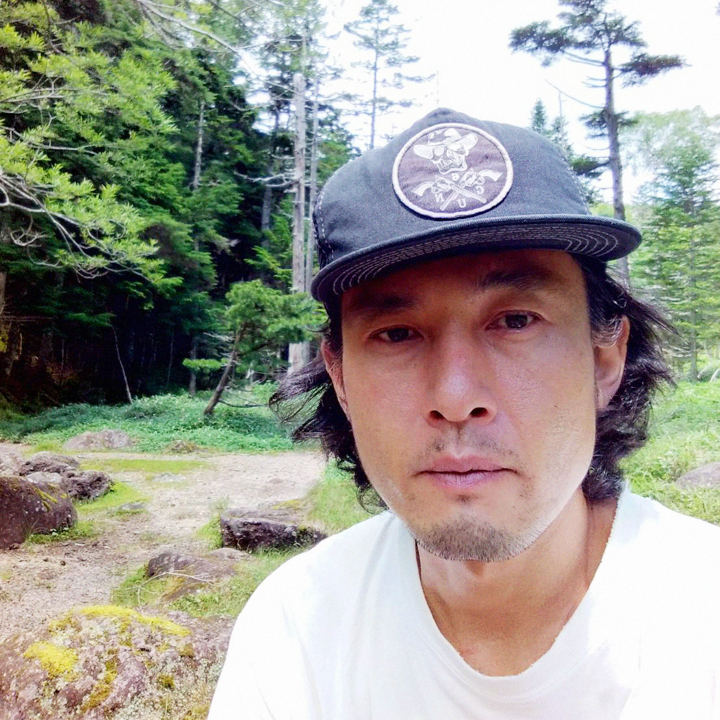
—Sora Shirai
V: The slogan for the park is “Real, Fun, Aggressive.” How did that influence the design?
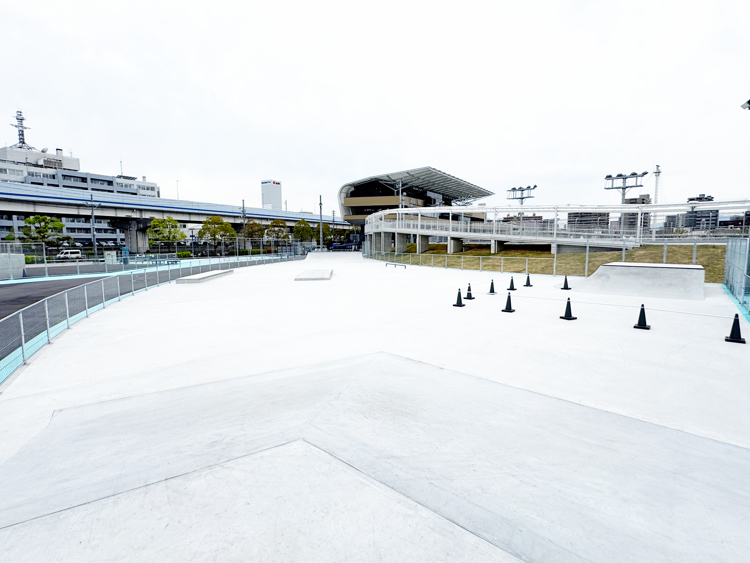
U: Since this is a joint project between the local government (Hiroshima Prefecture and City) and Chariloto, there were requirements to meet, but as players, we wanted to build something "real." We want people to start by having "fun," so we made the beginner area quite spacious. From there, they can get "aggressive" and serious, eventually connecting to the "real" side of the sport. That’s the cycle we wanted to create.
S: To be honest, this is the first time I’m hearing that concept (laughs). But Yohei had told me to make an area where beginners feel welcome while including obstacles for competitions, so it was naturally built into the design. It was conveyed through nuance rather than keywords.
K: I didn't know about the slogan either (laughs). My position is close to these two. I just build what’s requested, but the design was so cool that I was excited before we even started.
U: Actually, the beginner area was very carefully laid out, wasn't it?
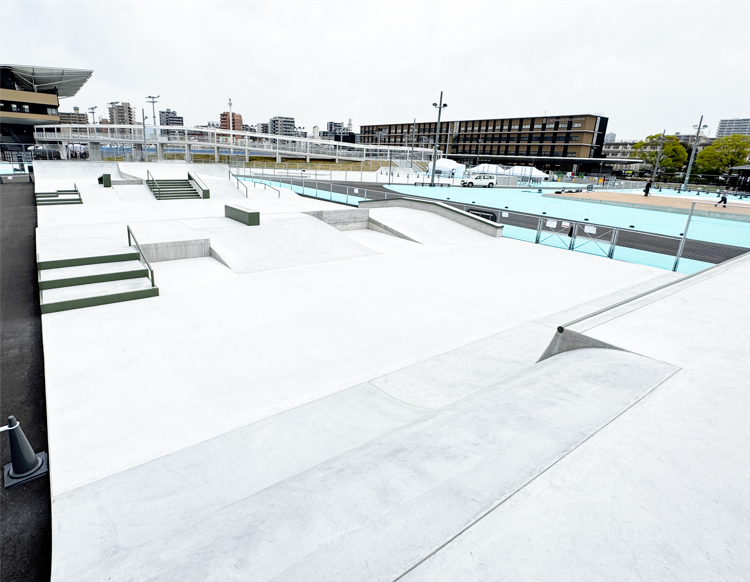
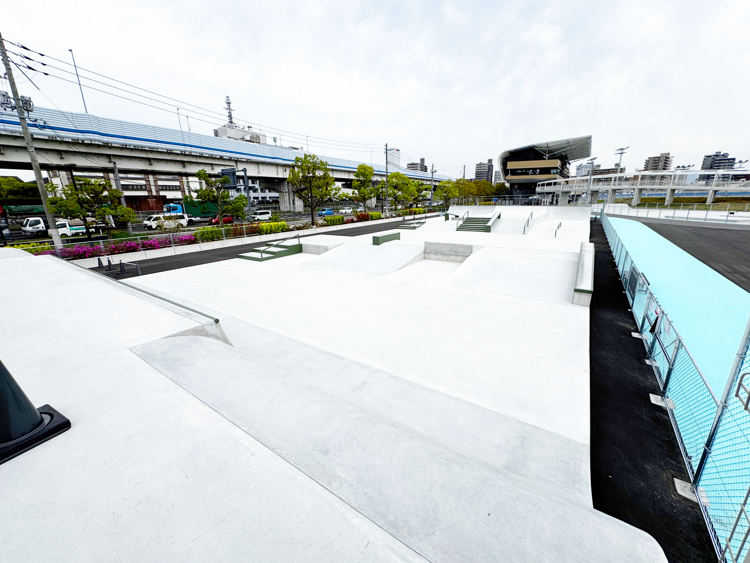
K: Definitely. I think the beginner area will be popular. You can have plenty of fun just with the manual pads, and we added transitions to the corners for turn practice. It’s wide and perfect for a "chill" skate.
V: Sora, does the main park reflect your experience in global competitions?
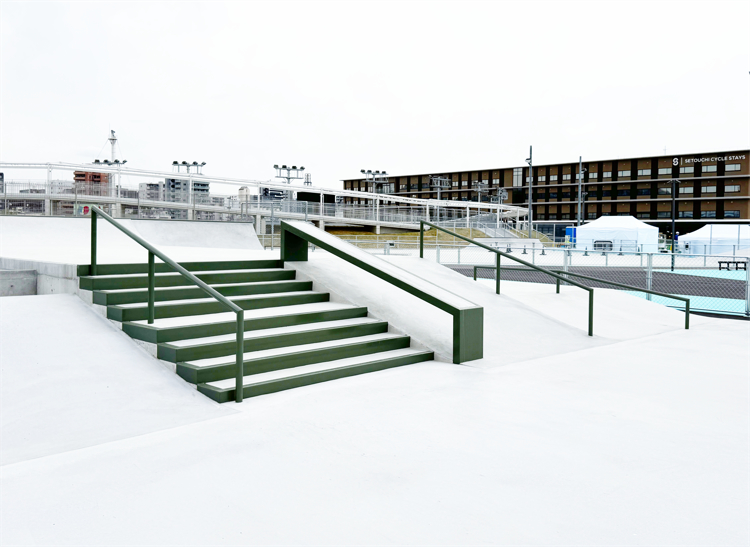
S: Yes. I consider it the culmination of everything I’ve learned from failing over and over again. Things like rail heights and dimensions. It’s not too big, but not too small, and it’s fit for a contest. I think we’ve built a truly great park.
V: How about from a BMX perspective? You’ve included a flatland area this time.
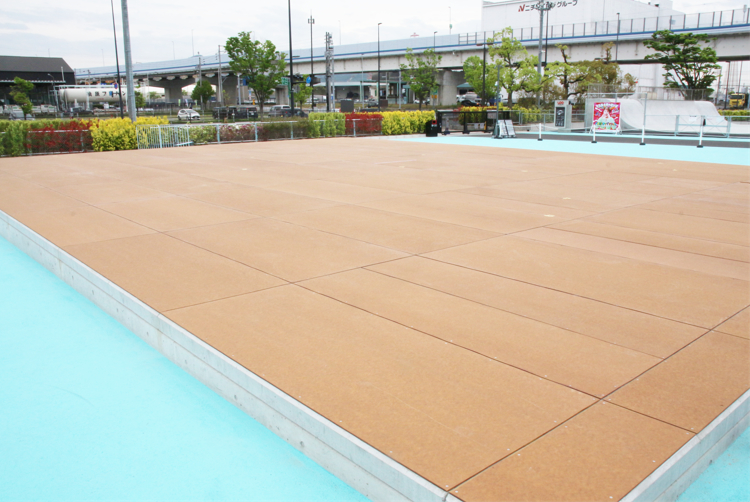
U: Yes, creating an outdoor concrete stage specifically for BMX Flatland was a first for Japan. Ordinary concrete won’t do, so I went through a lot of trial and error with Kimura-san to find the optimal surface material.
K: That was tough. We had to ensure water wouldn't pool and that the expansion joints wouldn't lift. One of my young staff members spent two weeks straight finishing it. But we ended up with something excellent. I think we’ve established a great spec for future flatland stages.
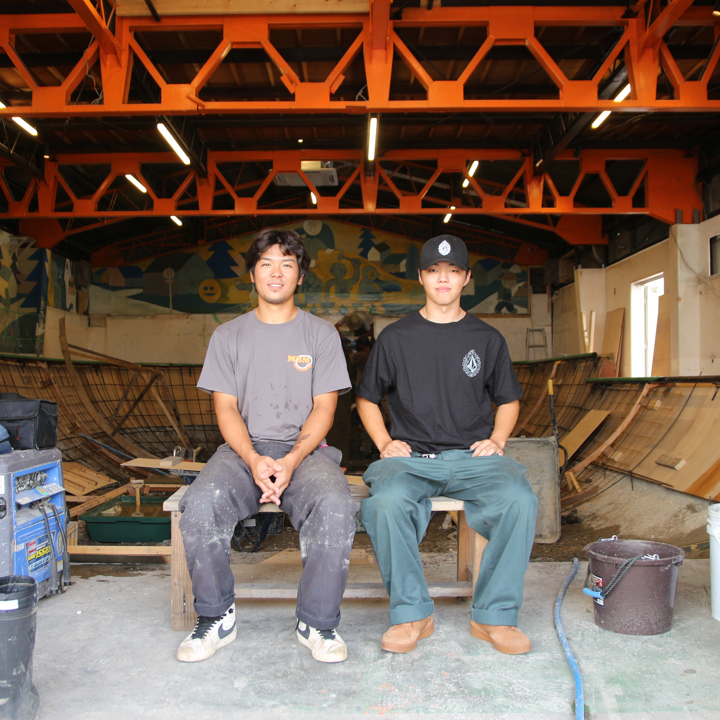
—Masato Kimura
V: Sora, what is the highlight of this park for you?
S: It has to be the main park. There aren't many parks in Japan geared toward competitions. I even did a day trip to Hiroshima just to adjust the heights of the obstacles.
K: Some of the rails were too low or too high, so we cut them out and redid them. Even if it’s decided on a blueprint, there are things you don’t realize until you actually ride it. I’m picky about that. I hate contractors who say “we can’t do that” when they don’t even know how to use the park. If you’re a skater, it’s only natural to get it right. At MBM, we’ll cut and weld as many times as it takes until it’s right (laughs).
S: Only MBM would go that far (laughs).
K: Well, I’d hate for Sora to go around saying, “Yeah, they wouldn't listen to my requests” (laughs). If that happens, what’s the point of building the park? We build these for the skaters.
V: Sora, how do you see the current state of skateparks in Japan?
S: It’s getting better lately. The number is increasing. It used to be that there were many large but mediocre parks, but now skaters are more involved in the design process. It might not be 100% yet, but good parks are gradually increasing. I have maximum trust in MBM because they truly care about skaters and understand our needs.
K: It’s great to hear that. I learn something every time. This project taught me again how vital it is to build with a skater's line of attack in mind.
S: Even in America, there’s no such thing as a 100% perfect park. But because there are so many, you can go to different parks for their specific "best" obstacles.
V: Which obstacle of which park do you like most?
S: In Japan, I like the pyramid in Tachikawa. And I love everything at my own park, The Park, because I skate there all the time.
K: We redid things many times at The Park too. Sora is very specific about section heights. It was fun to work on.
S: Even a tiny difference in height changes everything. Seeing this park finished, I realized how amazing it is to actually build one. You might think you just need to decide the rail height, but if you get the "out" height wrong, it becomes a terrible obstacle. It’s hard work.
V: Especially for a skater like you who does very delicate combo tricks.
K: That’s why whenever Sora says he’s concerned about a specific spot, my heart skips a beat. I feel bad!
S: But MBM really makes our dreams come true. Honestly, while working on this park, I realized "I can't do this alone." At first, I thought a park would be better if I designed it all myself... but it’s impossible (laughs). Even the angle of a bank... if you mess up one detail, it ruins the whole park.
U: Sora often says, “You don’t know until you skate it.” But with a concrete park, by the time you skate it, it’s finished. When I mentioned that to Kimura-san, he said, “If you don’t like it, we’ll just smash it and start over” (laughs).
K: Because the quality of the surface matters, and how the radius meets the bank matters. There are so many tiny factors.
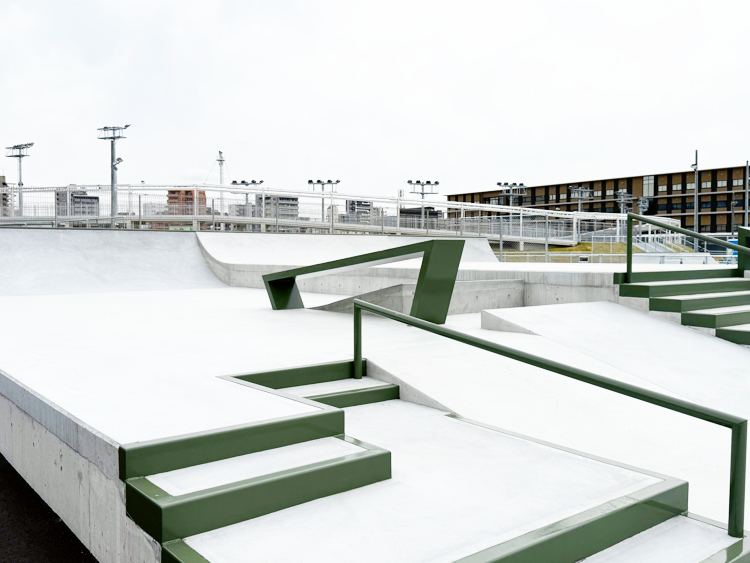
V: By the way, the shape of the down ledge is quite unique.
S: Yeah, I wanted to create something that didn't exist anywhere else.
U: I’m personally not a fan of ledges that are completely filled in, they look too "heavy." Regarding the color, we both like khaki, and we realized there aren't many khaki parks. So we went with that. We both love it.
K: Since the surrounding ground is light blue, we were just saying it looks like a "battleship floating in the sea."
S: Oh! Yohei, is that why you matched your outfit to the park's colors today (laughs)?
U: (Embarrassed). Who do you think designed this... stop it (laughs)!
V: (Laughs). Finally, what kind of place do you hope this becomes for Hiroshima skaters?
S: When I first came to Hiroshima, there weren't many places to skate. I’m from Kanagawa, and I am who I am today because I had places to skate and talented people around me. If Hiroshima creates that environment, more talented skaters will gather here. I was so happy to get this offer, and if more Hiroshima skaters emerge... well, I’m not in a position to be that arrogant (laughs). But I really hope the skate population here grows.
U: There are many street skaters in Hiroshima, but until now, the only real spot was the Riders park at the old stadium site. The prefecture and city have hosted world events like FISE in the past, but I felt there was always a lack of permanent infrastructure for the players themselves. With this park, Hiroshima finally has that foundation. I want to see everyone from elite kids to absolute beginners mixing together.
K: That’s exactly what this place is for. Serious training on the main sections, and "Sunday skaters" enjoying themselves in the beginner area.
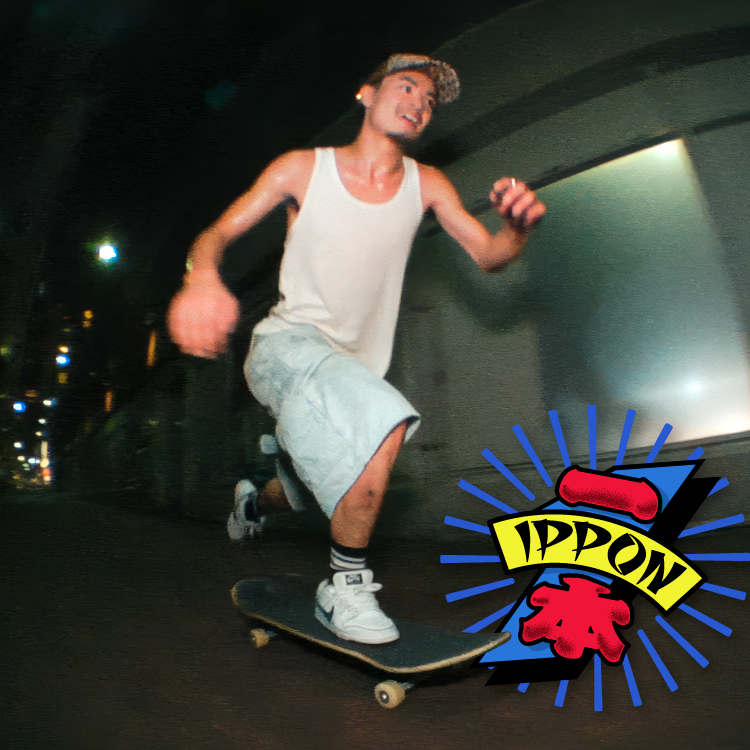
—Yohei Uchino
V: Do you have a vision of what "success" looks like five years from now?
U: I’ll be happy if the handrails are beat up and shredded. That would mean the number of people who can actually skate them has increased.
K: I feel the same. I’d love to see Olympic contenders or national team members come out of here. On a personal note, seeing Hinano Kusaki meet Gai Someya at our park and eventually become an Olympian gave me incredible joy. If this becomes a place like that, and Hiroshima kids start going to the Olympics, the local government will be thrilled.
U: Ultimately, the best thing would be for a homegrown star to be born in Hiroshima.
K: That’s what we look forward to... that’s the dream.
S: I agree with both of them. I’d be happy to see more skaters. Though, since I’m a national team athlete myself... I don’t really need any more rivals (laughs)!
URBAN CYCLE PARKS HIROSHIMA
ucp-hiroshima.com
Based on the concept of “Real, Fun, Aggressive,” the park consists of a spacious beginner area for safe entry into the sport and a main section capable of handling world-class tricks. It also features Japan’s first outdoor concrete stage dedicated to BMX Flatland.