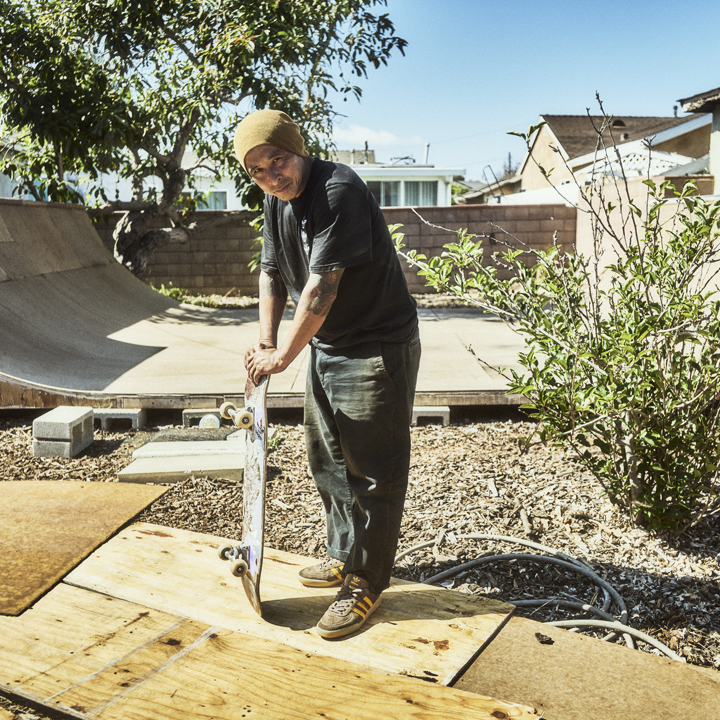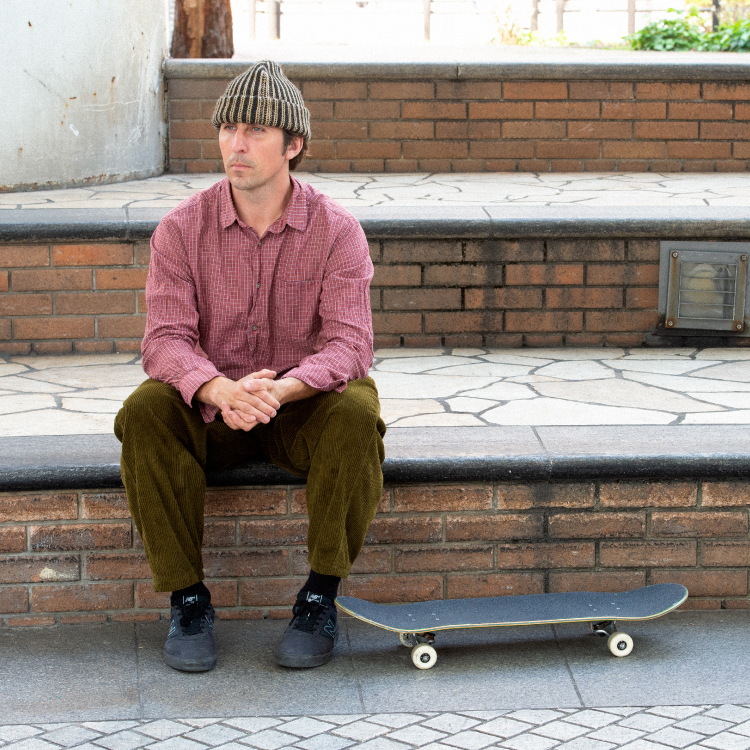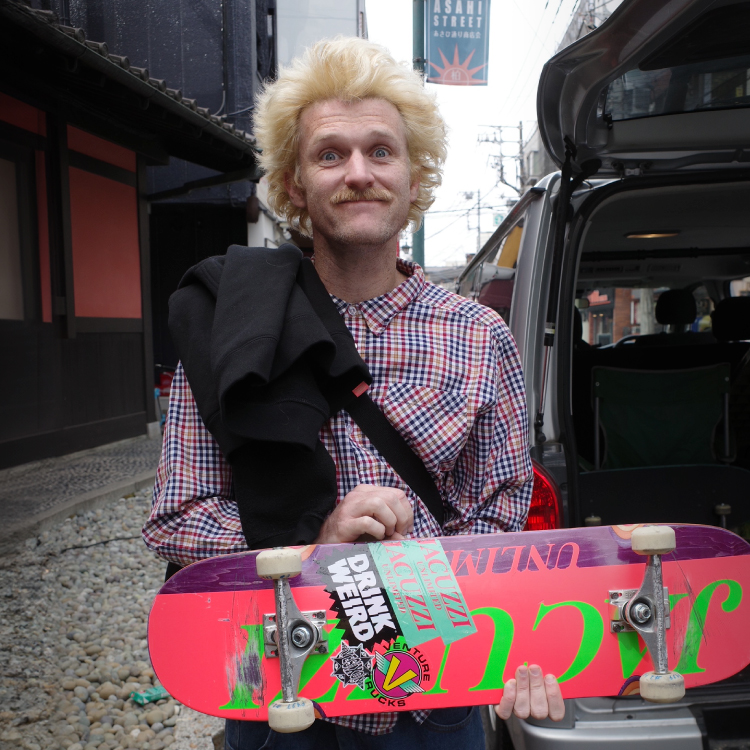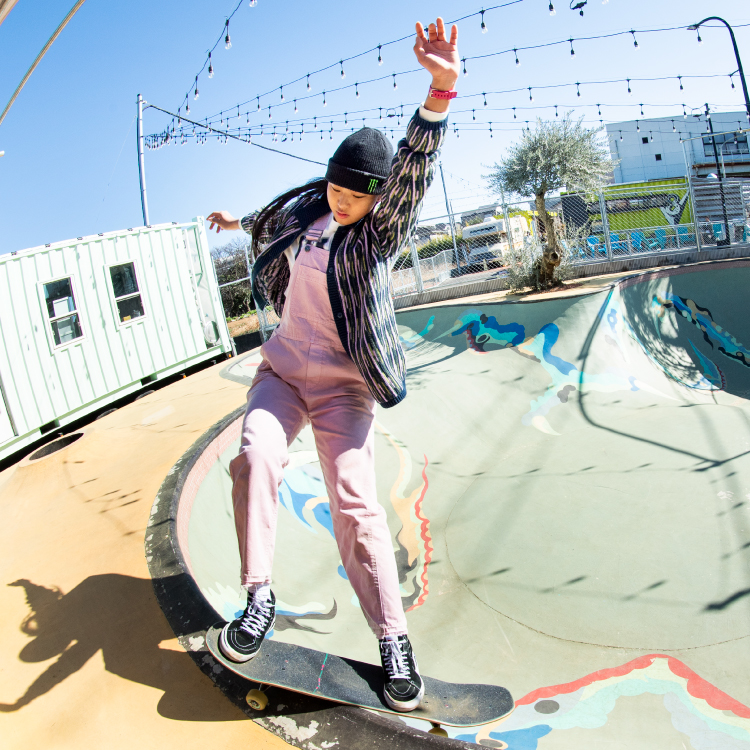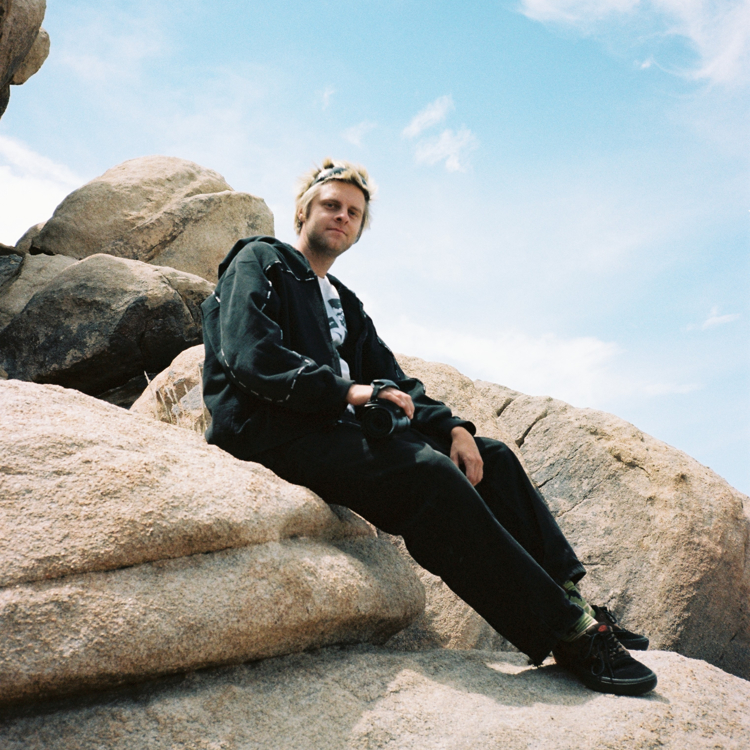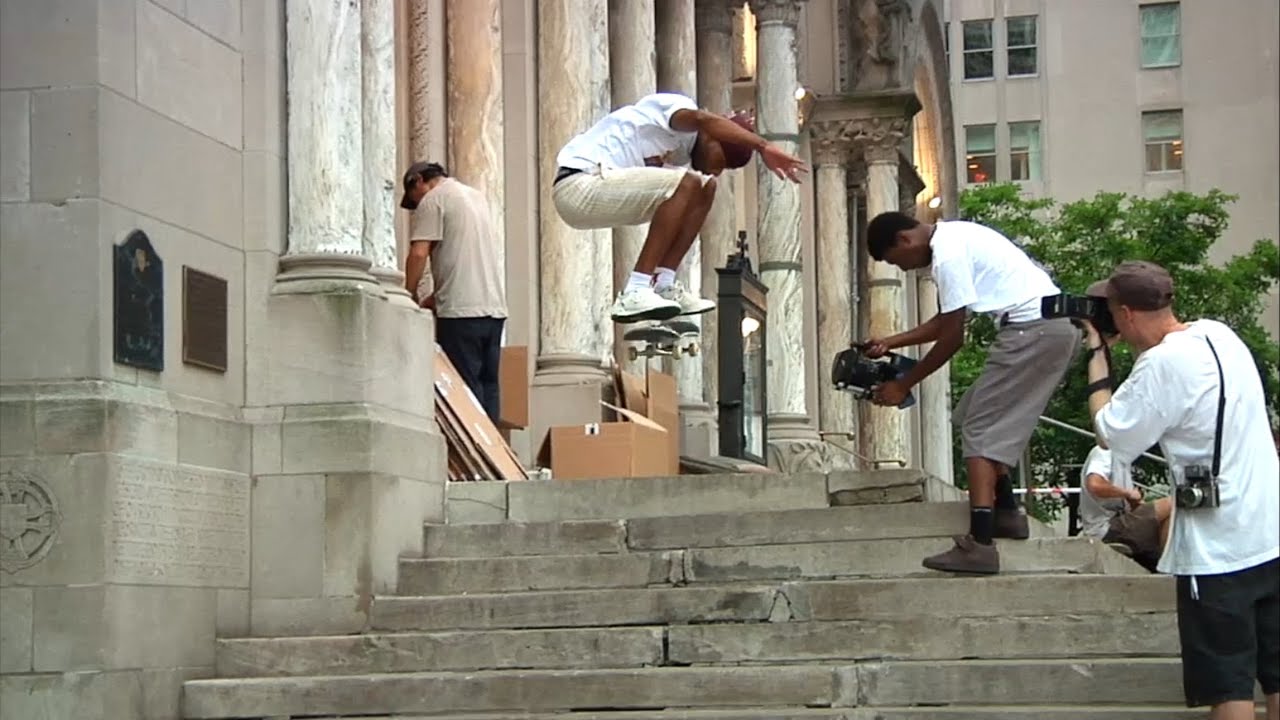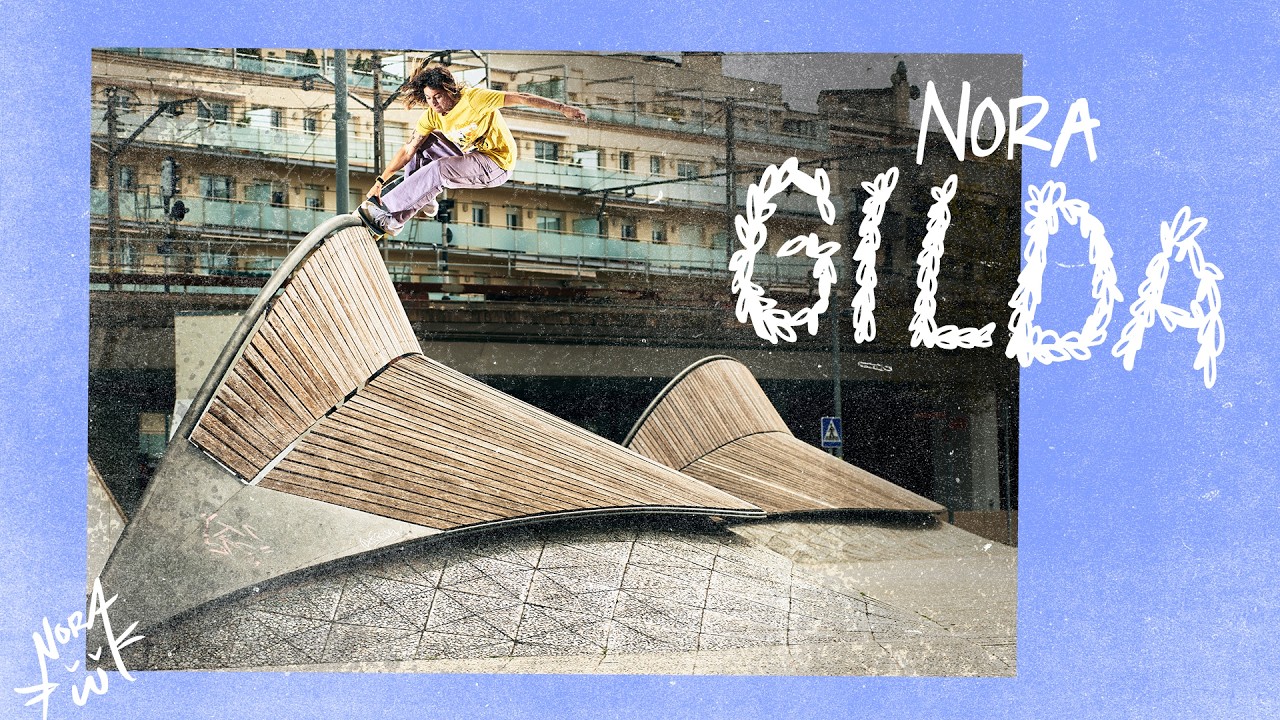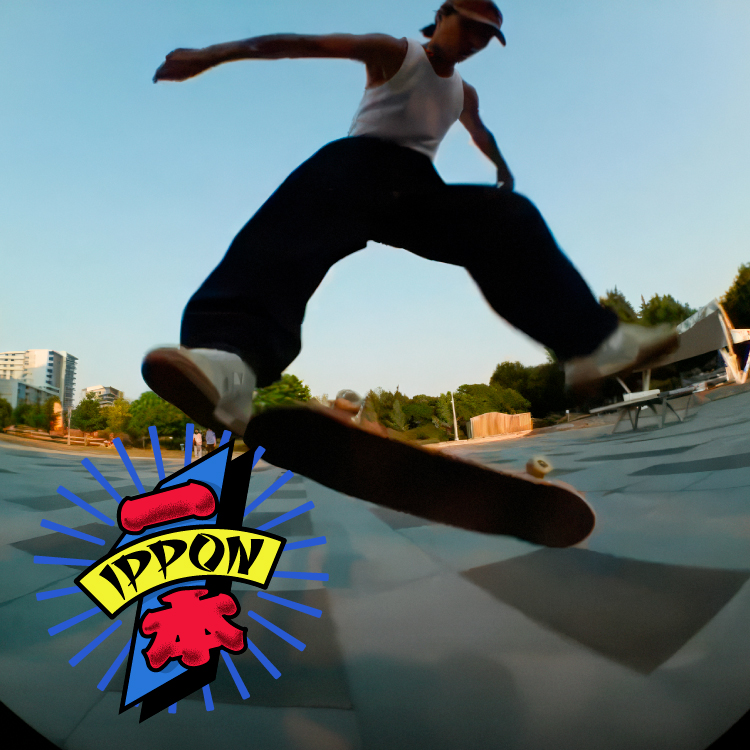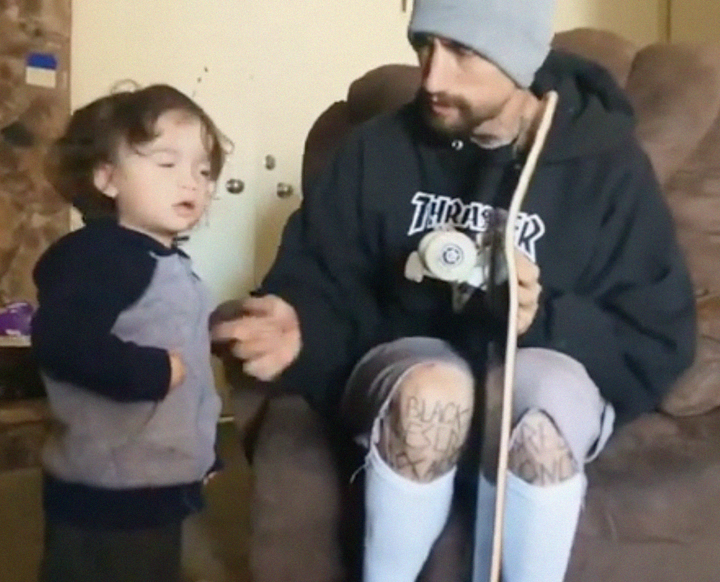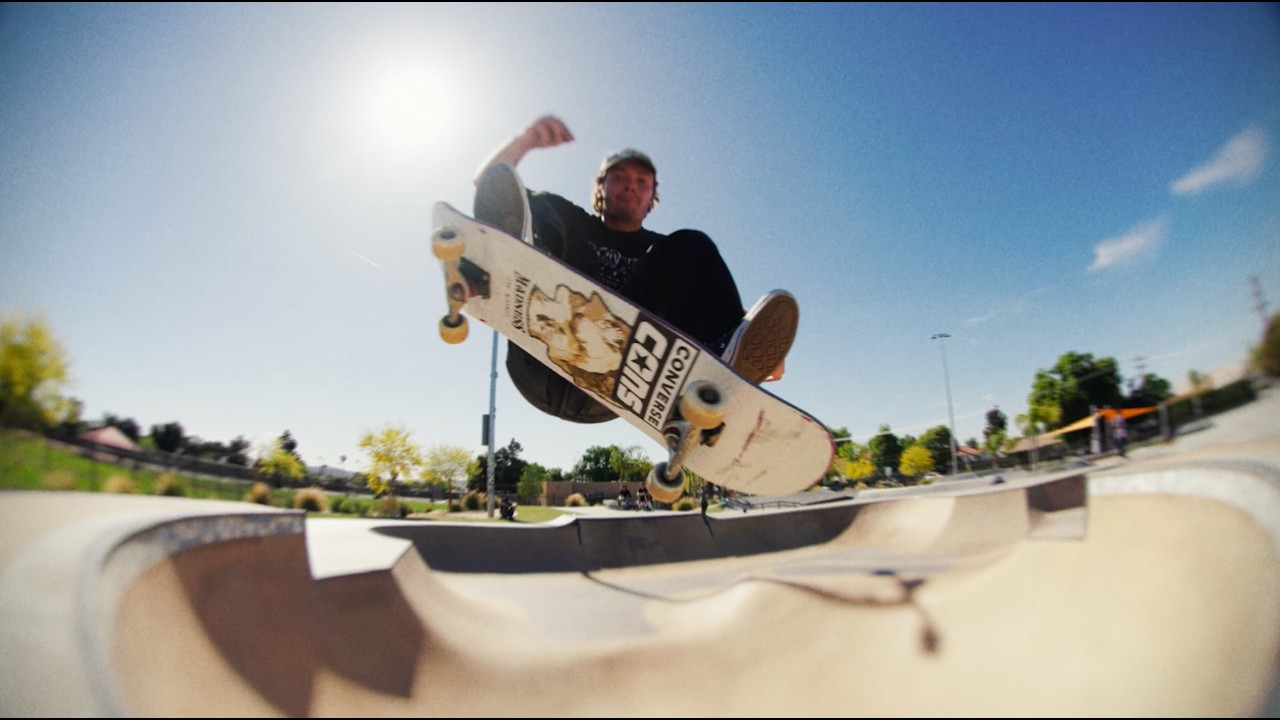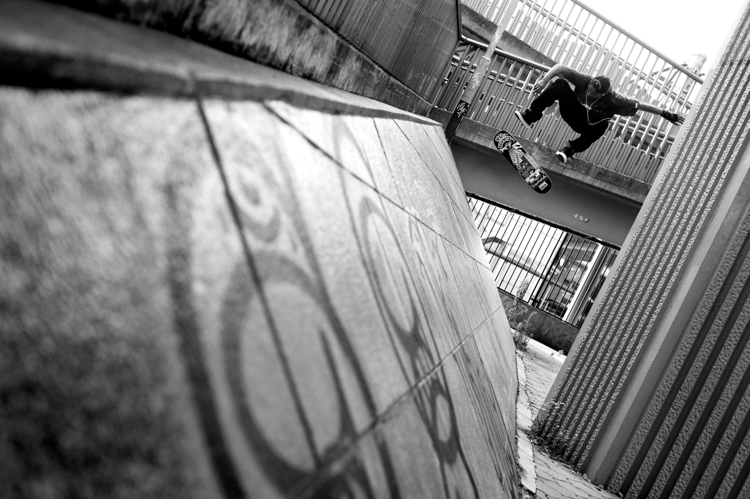

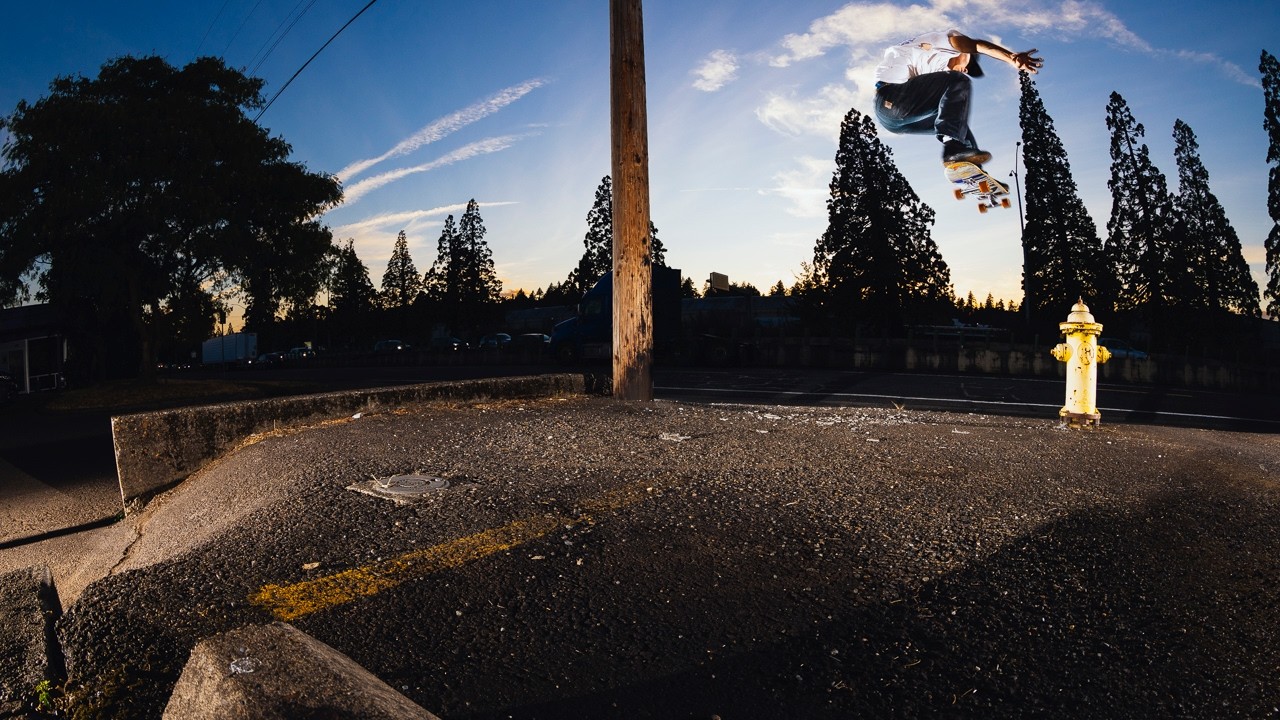
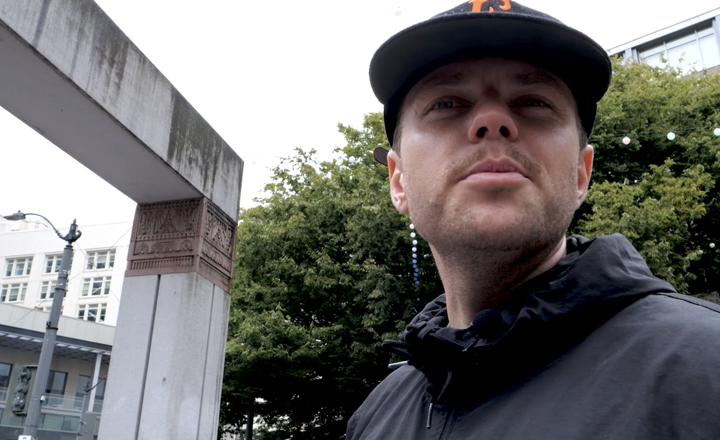

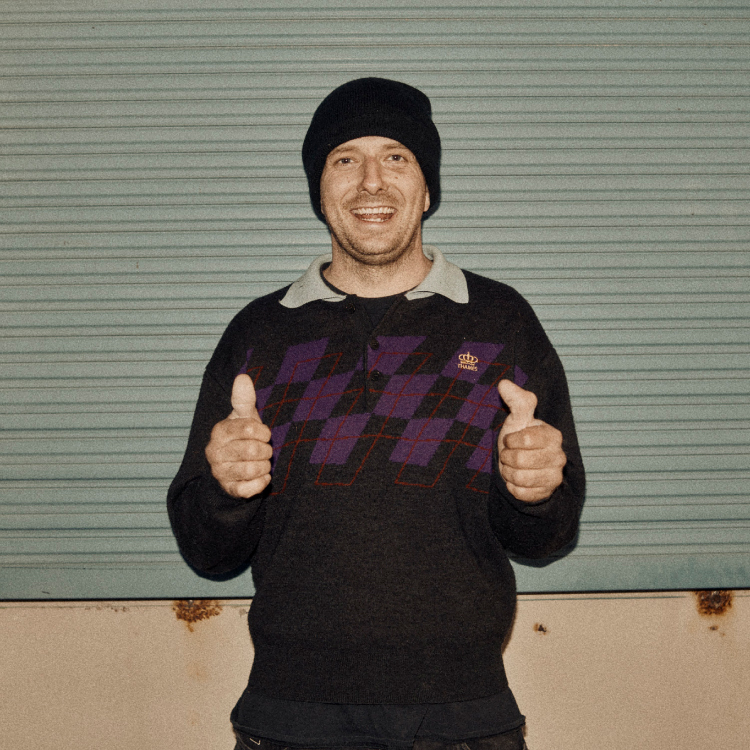


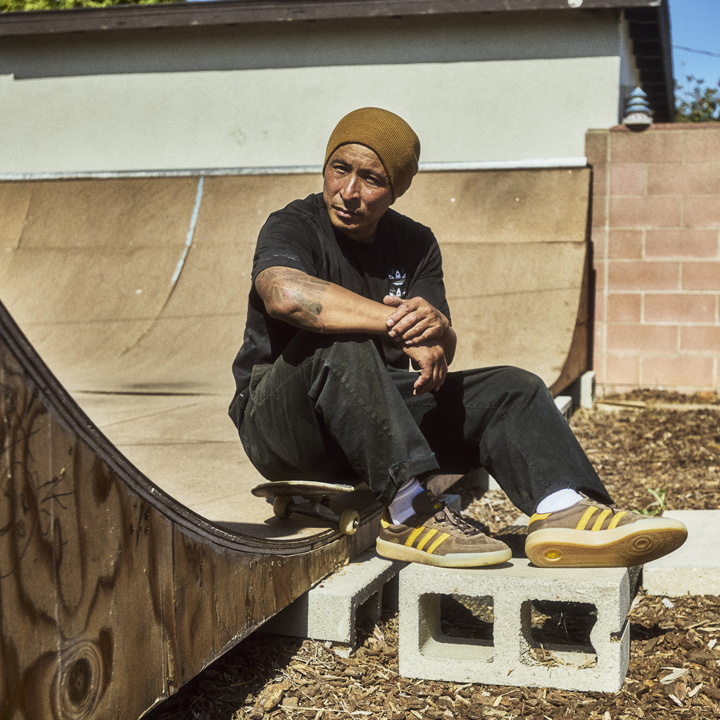
Daewon Song is one of skateboarding's most iconic innovators, whose career spans over three decades of groundbreaking technical progression. From pioneering street skateboarding in the early 1990s to continuing to push his boundaries at 51 years old, Daewon's dedication and creative vision remain unmatched. We sat with Daewon to talk about his adidas Glenburn colorway, redefining progression in his 50s, and raising his family.
──DAEWON SONG (ENGLISH)
[ JAPANESE / ENGLISH ]
Special thanks_adidas Skateboarding
VHSMAG (VM): How are you doing today?
Daewon Song (DS): Doing good, I’ve just been running around with the kids. At bedtime, with three of them running around upstairs, it gets pretty wild.
VM: You recently released your signature colorway for the adidas Glenburn. What made you fall in love with that specific shoe model in the first place?
DS: For me, the Glenburn fits my exact style because it’s a lot narrower and the toe cap tapers in, which is crucial for my board feel. A lot of skaters love shell toes, but for my feet, the shark-like narrow toe shape of the Glenburn gives me a much better feel and flip. Board feel is extremely important to me. When I put a shoe on, I need to feel the board’s concave immediately. Even small things, like stepping on a small pebble on the ground and feeling it through my foot. I can’t stand shoes that are too stiff, and the Glenburn provided great durability right out of the box. I can tell instantly whether a shoe will work the moment I step on my board.
VM: Can you tell us about the inspiration behind this colorway?
DS: Throughout my career, I’ve almost always skated black shoes with white stripes or plain white shoes. But this time, I wanted to step out of the box, so I asked my kids what colors they wanted. They chose chocolate brown and yellow, specifically an egg yolk yellow. They even colored sample drawing sheets for me. To make it extra special, my name on the tongue is written in Korean script, which connects back to the very first colorway I ever had with adidas. It turned out to be a true family affair, representing my kids and my Korean heritage.
VM: You’ve had many signature shoes throughout your career. Does having a colorway with adidas at this stage in your career still feel special?
DS: It really does feel special. I had signature shoes with another brand in the past, which was amazing, but getting the opportunity to design a colorway with adidas is just as special. There are so many heavy riders on the team who have been there a long time, so whenever an opportunity opens up to put your personal touch on a shoe you love to skate in, it’s a blessing.
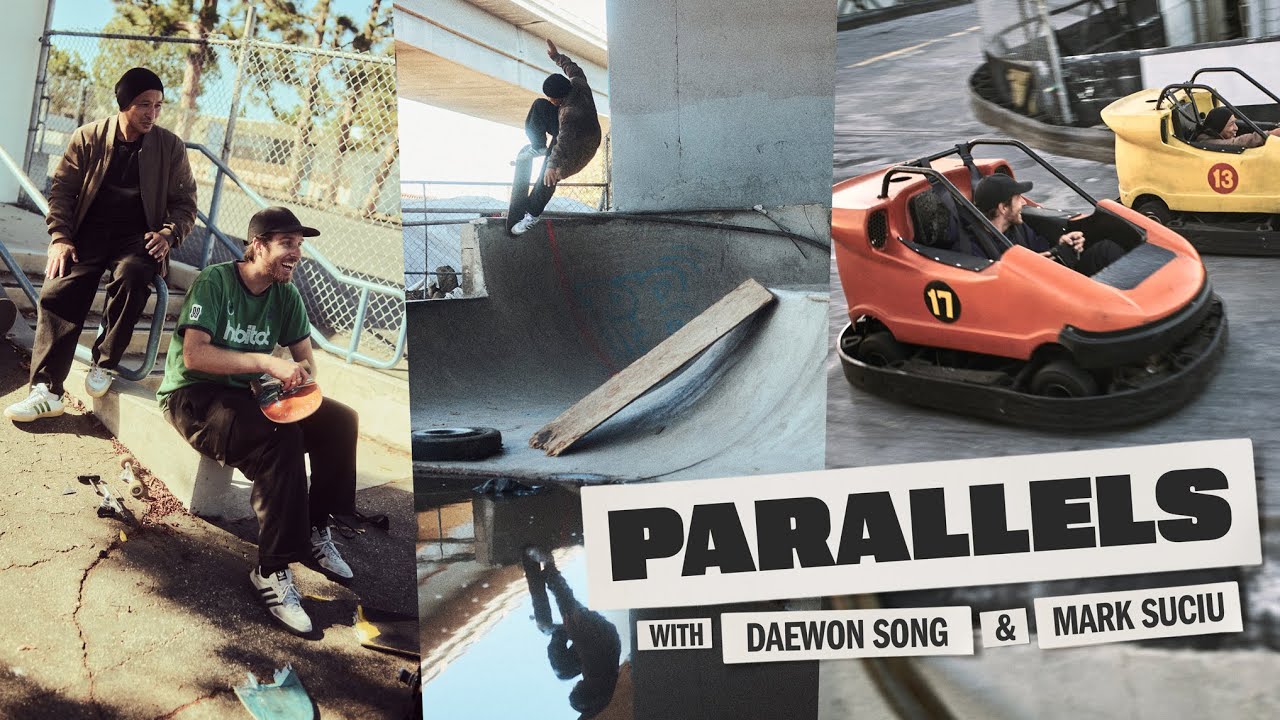
VM: I loved the Parallels video with Mark Suciu. What was it like revisiting all those classic spots from your youth with Mark?
DS: It was an incredible experience. I’ve watched Mark grow up into such a gifted skater, and to me, he really represents the East Coast. Bringing him to the South Bay to skate spots I’ve been hitting as a kid felt so nostalgic. I took him to a schoolyard where I used to skate, the spot where Rodney Mullen first watched me skate from his car and later gave me my first boards. Mark even came over to my house, met my family, and we skated iconic spots.
VM: Is there one particular spot from that era that brings back the strongest memories?
DS: Beryl, the bank at a school in Redondo Beach. Skaters used to fly in from San Francisco, San Diego, and all across the country just to skate that steep bank. It was a true testing ground, right up there with El Toro or the Hollywood 16. I pretty much grew up there, hanging out before I was even sponsored just to catch a glimpse of visiting pros. Later on, filming tricks there for Love Child and various Transworld videos marked major milestones in my personal progression.
VM: What is your all-time favorite trick that you’ve done on the bank?
DS: My favorite was an inward heelflip across the corner where the two banks meet. We called that gap "the vortex." It was in a Spitfire ad and the clip was in Get Familiar. Skating a spot I’d been hitting for over two decades in a completely new way made me feel like I was still progressing.
VM: In Parallels, my understanding of the theme was connecting the past and present. Do you see technical similarities between your skating and Mark Suciu’s?
DS: Mark’s focus, drive, and speed of adaptation are mind-blowing. Seeing his hunger reminds me of how I felt from age 16 up until my mid-30s, when my entire life revolved around going out every single day to get footage and progress. Skaters like Mark motivate me to keep that fire burning, even as my responsibilities grow with age. But I also believe skateboarding isn't about who is the best. It's about self-expression and creative freedom. Back in the '90s, there was intense gatekeeping about what tricks or clothes were cool, but today, skateboarding is a much broader culture where you just have to do you.
VM: Speaking of the '90s, your ender in Love Child was a hardflip over a gap. Many consider that the first documented hardflip in street skating. Can you walk us through how that came about?
DS: It was funny because Rodney Mullen had heard a rumor about a freestyler doing an "inside varial kickflip," though neither of us had ever seen footage of it. I started trying it, and even though my early attempts felt disgusting, I figured out how to do it and tried it over a gap for Love Child. People say it was the first documented hardflip, but I never cared about taking credit or claiming to be first. There are so many gifted skaters in the world. Someone somewhere probably did it off-camera before any of us (laughs).
VM: You turned pro back in 1991 and are still skating every single day at 51. How do you stay so motivated when skating with the younger generation?
DS: I love playing games of SKATE with the younger guys at local parks. Just today I played a 26-year-old, and playing against others forces me to try tricks I normally feel uncomfortable doing. The local skate community is so supportive. Nobody is judging me, and seeing an old guy still taking slams and pushing himself inspires the younger kids.
VM: For most skaters, progression means learning new tricks. What does progression mean to you at this point in your life?
DS: To me, progression now means stepping out of my comfort zone to fine-tune tricks I was never good at during my younger days. Most pros have about 20 core weapons that they sharpen daily. Lately, I’ve been pulling out unused weapons like heelflips, fakie heelflips, and half cab heelflips, and practicing them. It’s also about maintaining your tricks as your body and foot placement naturally evolve over time. And progression is also personal discipline. Having the motivation to get out of bed, push through discomfort, and go skate rather than being lazy. Seeing older pros keep skating inspires me to keep pacing myself and enjoying the ride.
VM: After everything you’ve achieved, what still gives you that pure, kid-like feeling on a skateboard?
DS: Skating with my childhood friends that I’ve known since we were 15 or 16 years old. We still mess with each other, make bets, and laugh until we cry. Just the other day, one of my friends went full speed into a noslide, flipped over, and ended up upside down against a wall. We were dying laughing... a bunch of 50-year-old men! When I was 16, we thought we’d stop skating by age 25, but now people skate well into their 50s, 60s, and beyond. Beyond that, it’s the quiet moments. Rolling alone on smooth ground, listening to the crisp sound of the board flipping. Every time I do a kickflip or a 360 flip, it acts like a time machine, taking me back to specific tricks and video parts from my youth. Even when I take a brutal slam or hit my tailbone, I just laugh it off. Skateboarding is a self-contained world that fuels your life.
VM: What’s next for Daewon Song?
DS: First and foremost, being the best dad I can be to my kids. I have four kids. Ages two, five, eight and 24. And they are my ultimate motivation. I want them to see discipline and resilience in my skating, learning that failure after failure eventually leads to success. On the board, I want to keep my hands in skateboarding for as long as possible. Rodney Mullen and I still skate together, and we’re hoping to work on a new project together. I also want to film a new Cheese & Crackers style mini-ramp video because mini-ramps allow for endless creativity with low impact on the body. Skateboarding keeps my mind and body active, and I’m going to keep pushing for as long as I can.
Daewon Song
@daewon1song
Pioneer who turned pro in 1991 and spearheaded technical skateboarding. Still skating daily at 51 while raising 4 kids, staying active with adidas colorways, new video projects, and more.