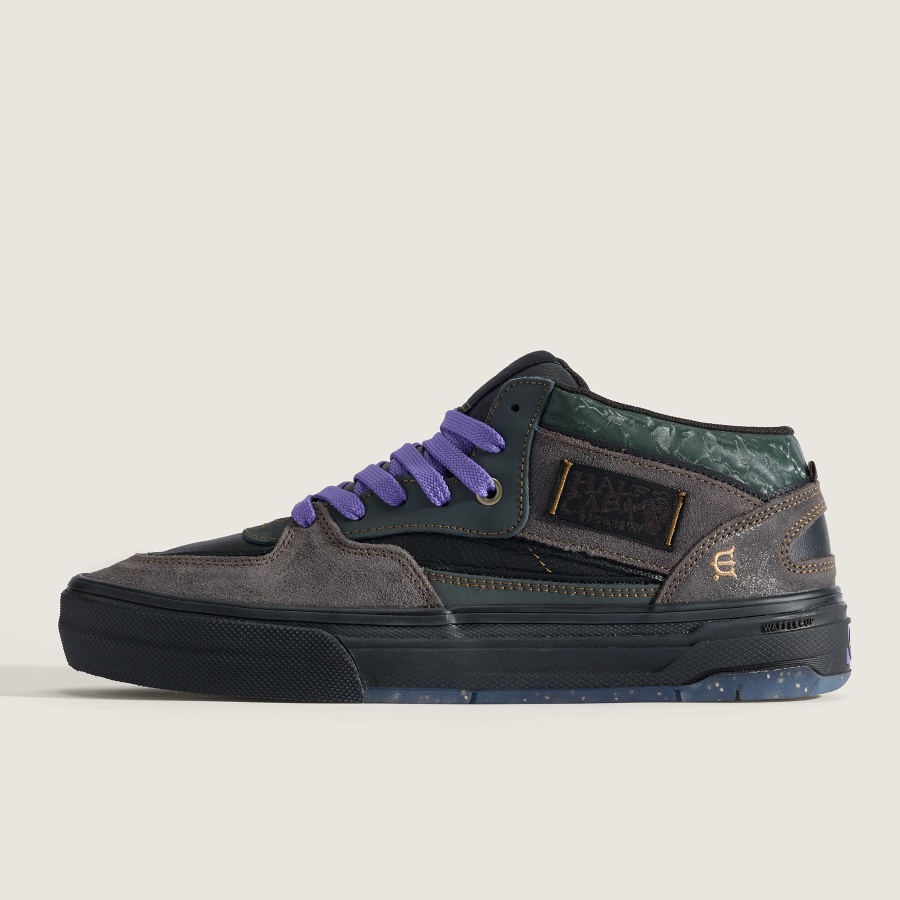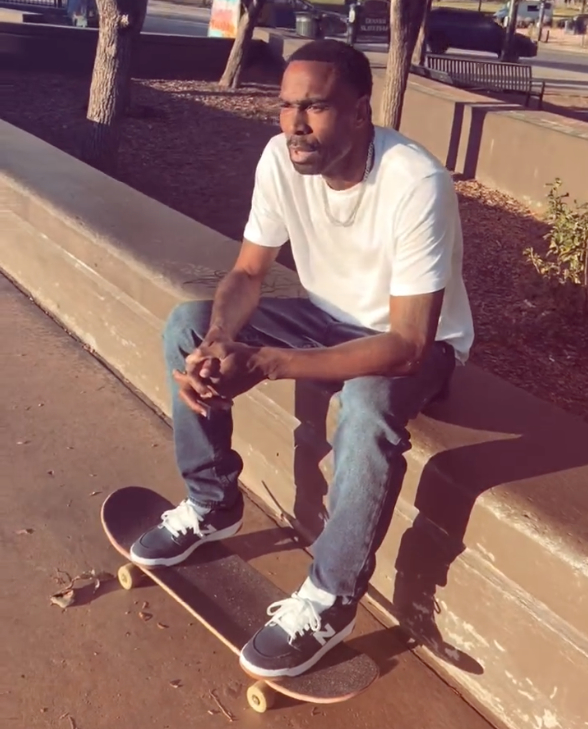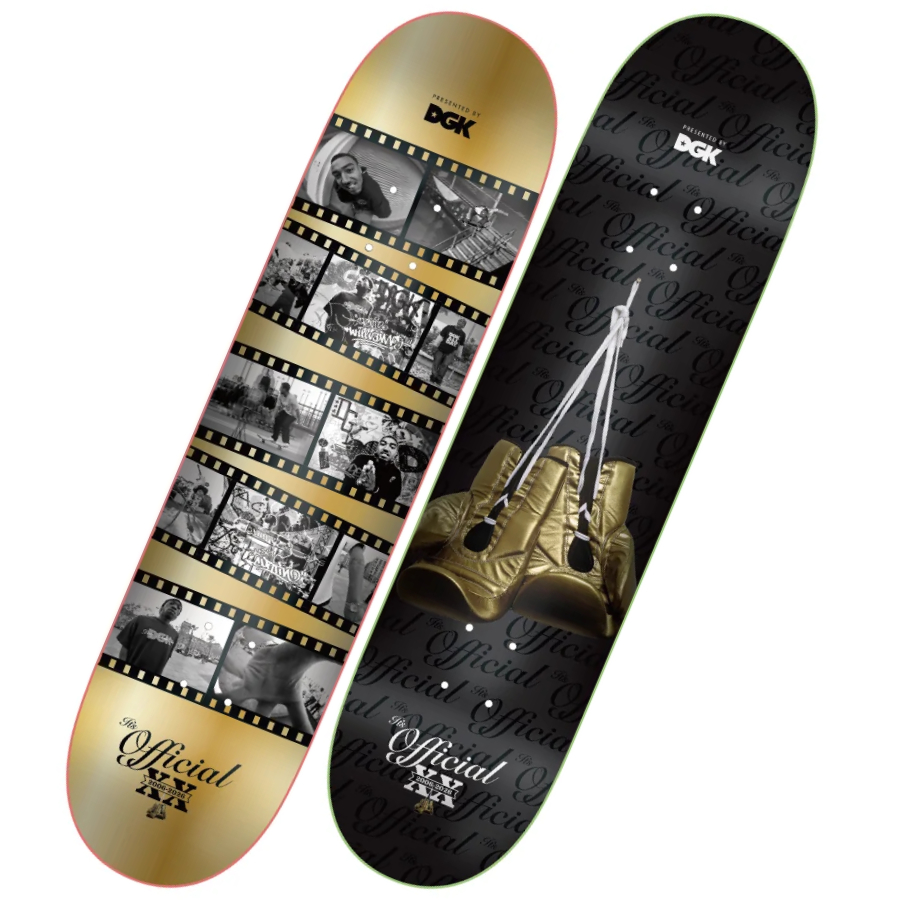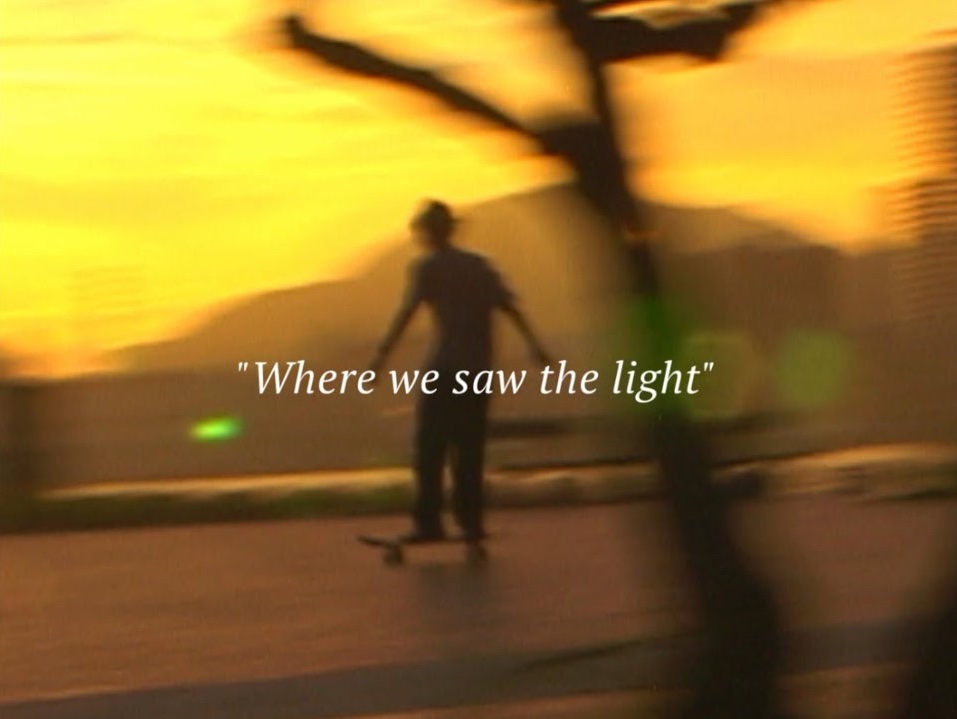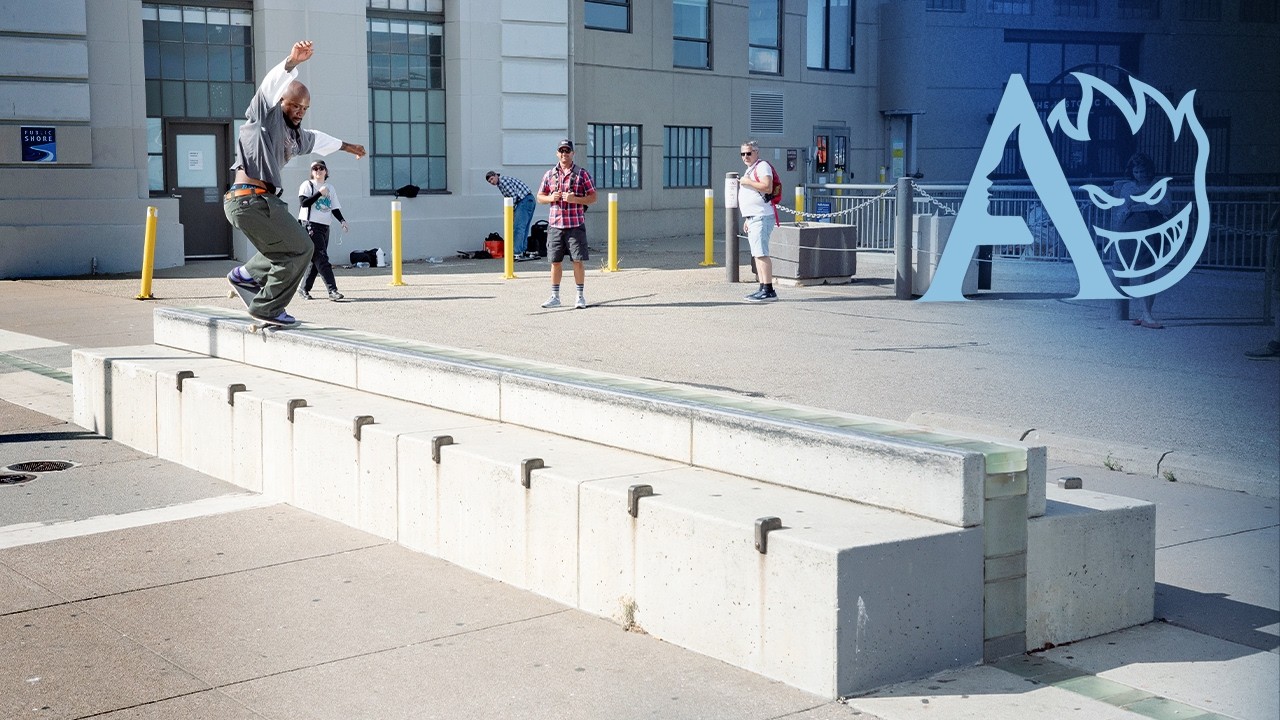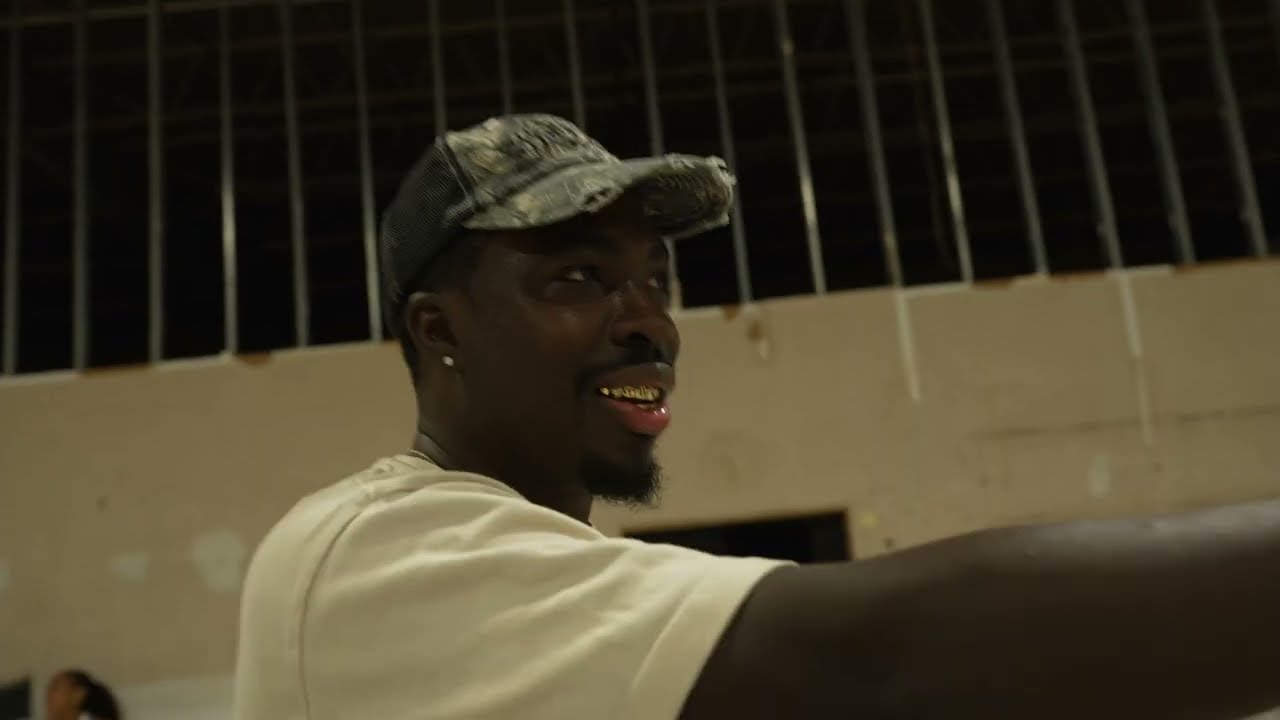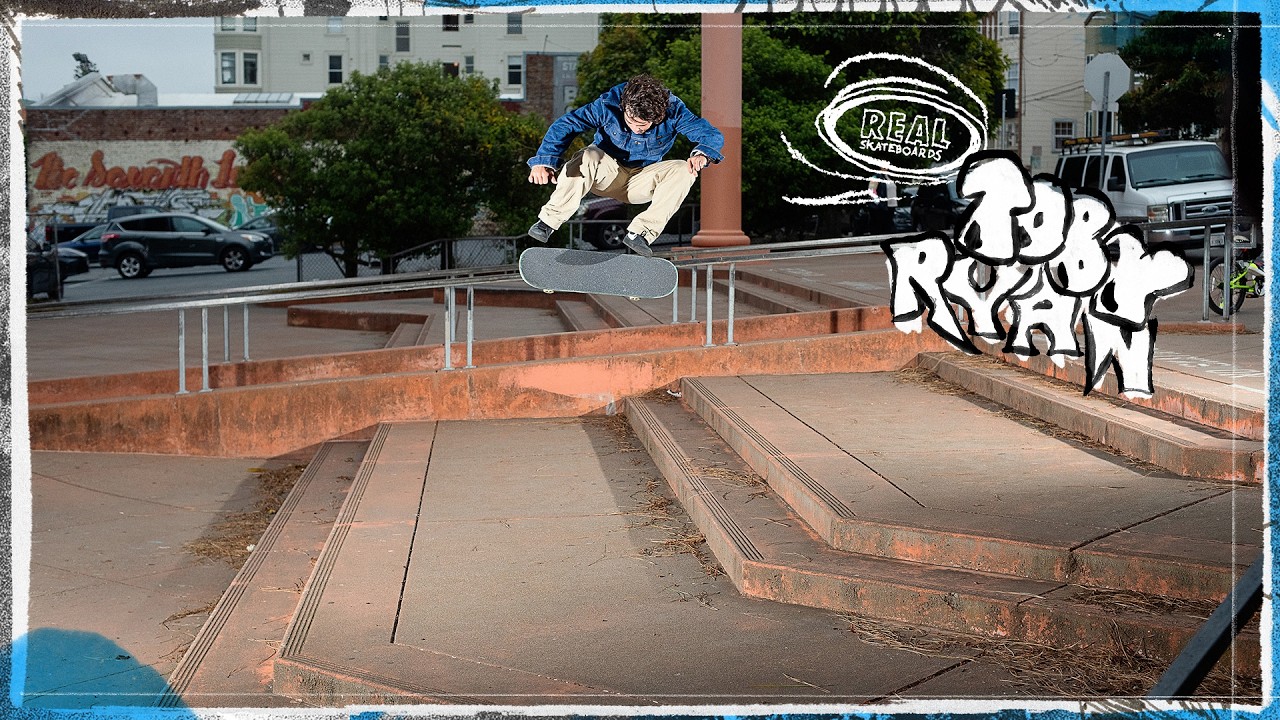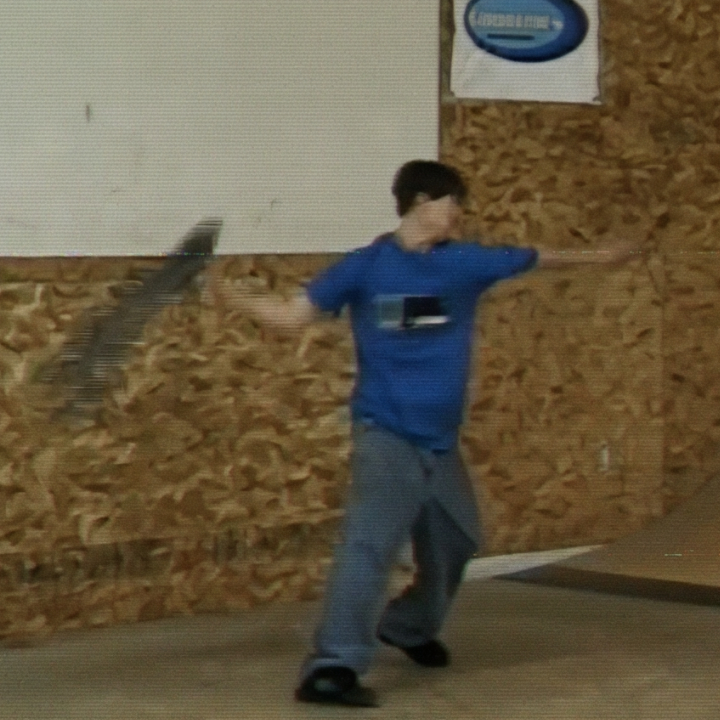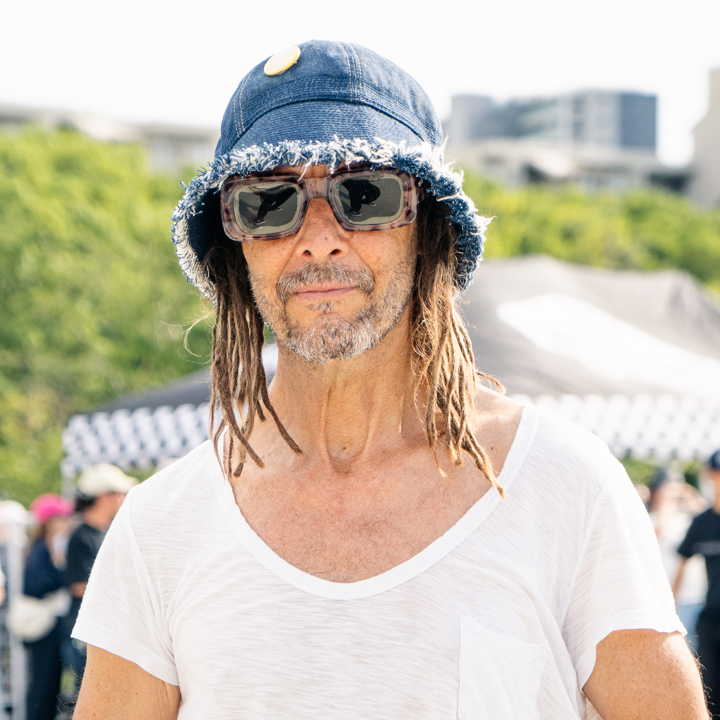


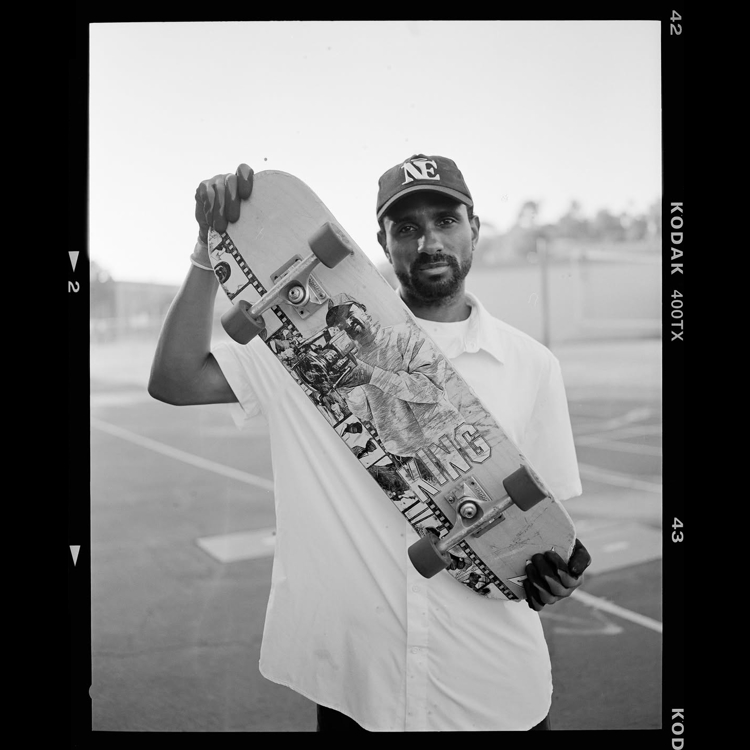
Davonte Jolly has spent years documenting some of skateboarding's most influential moments from behind the camera. Now, the lens turns toward him. With King Skateboards awarding him a rare pro guest board, Jolly joins a remarkably small group of filmers to receive one of skateboarding's highest honors. In this interview, he reflects on the emotional significance of the project, the making of Godspeed, the importance of representation, and why recognizing filmers could change the future of skateboarding.
──DAVONTE JOLLY (ENGLISH)
[ JAPANESE / ENGLISH ]
Special thanks_Norm Skate Distribution
VHSMAG (V): So, how did you find out you were getting a pro board from King?
Davonte Jolly (D): One of my friends asked me, "Do filmers ever go pro?" I told him it's a very rare occasion. It almost never happens. That conversation eventually led to one with Tyshawn Jones. He said it would make perfect sense to tie everything together with me, him, and Na-kel Smith, and have King be the first company I did a pro guest board with. So, shout out to TJ and Nak.
V: What went through your mind when they told you they were giving you a board?
D: The first thing TJ said was, "I'm going to need a clip." That immediately became my focus. I had to find the right spot and think about who I'd want filming it, which I'd never had to consider before. It also felt surreal that it was happening with King Skateboards because my middle name is King, after my grandfather. My dad gave me that name, so it felt like a really meaningful connection. It was honestly a dream come true. I was excited, grateful, and determined at the same time. I wanted to earn that moment and make it feel deserved.
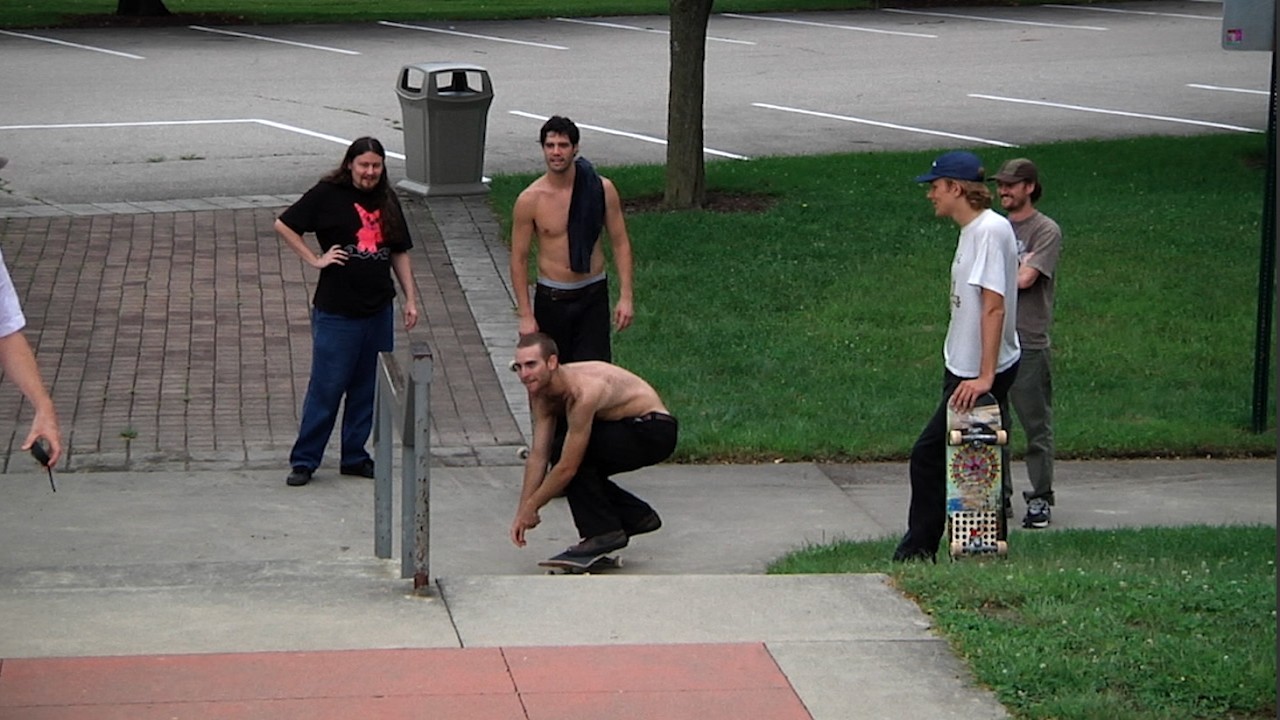
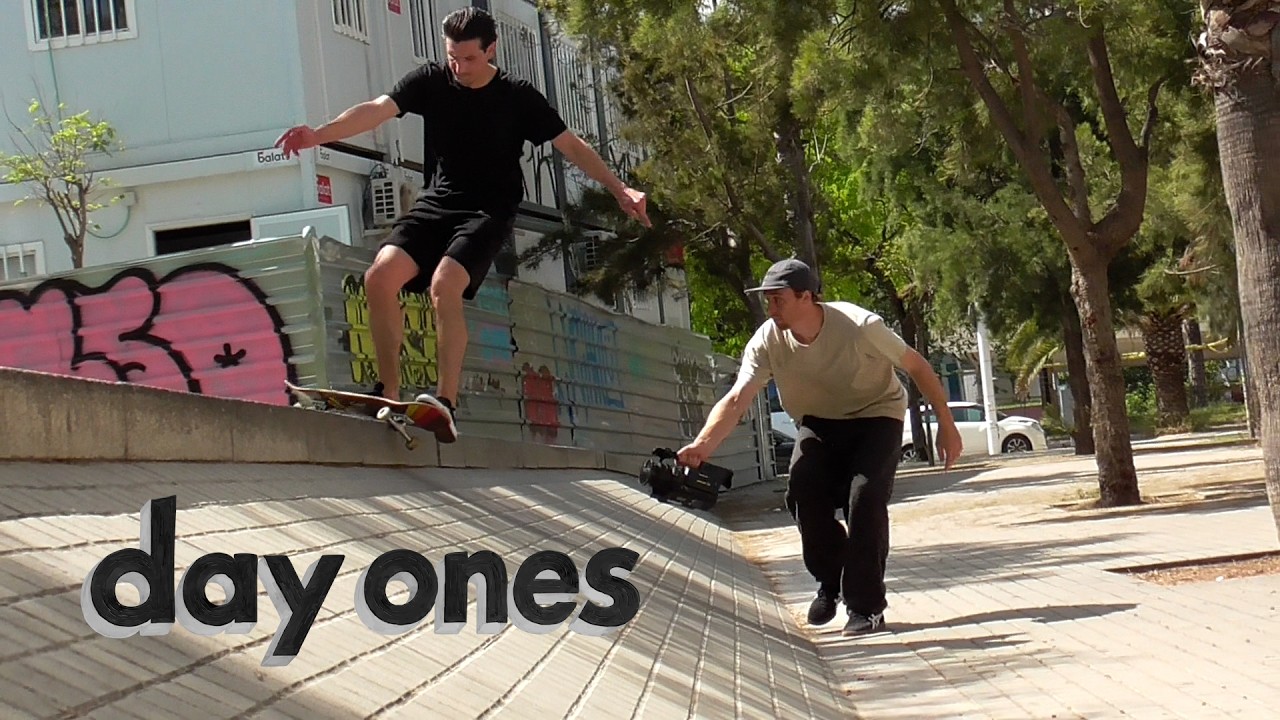
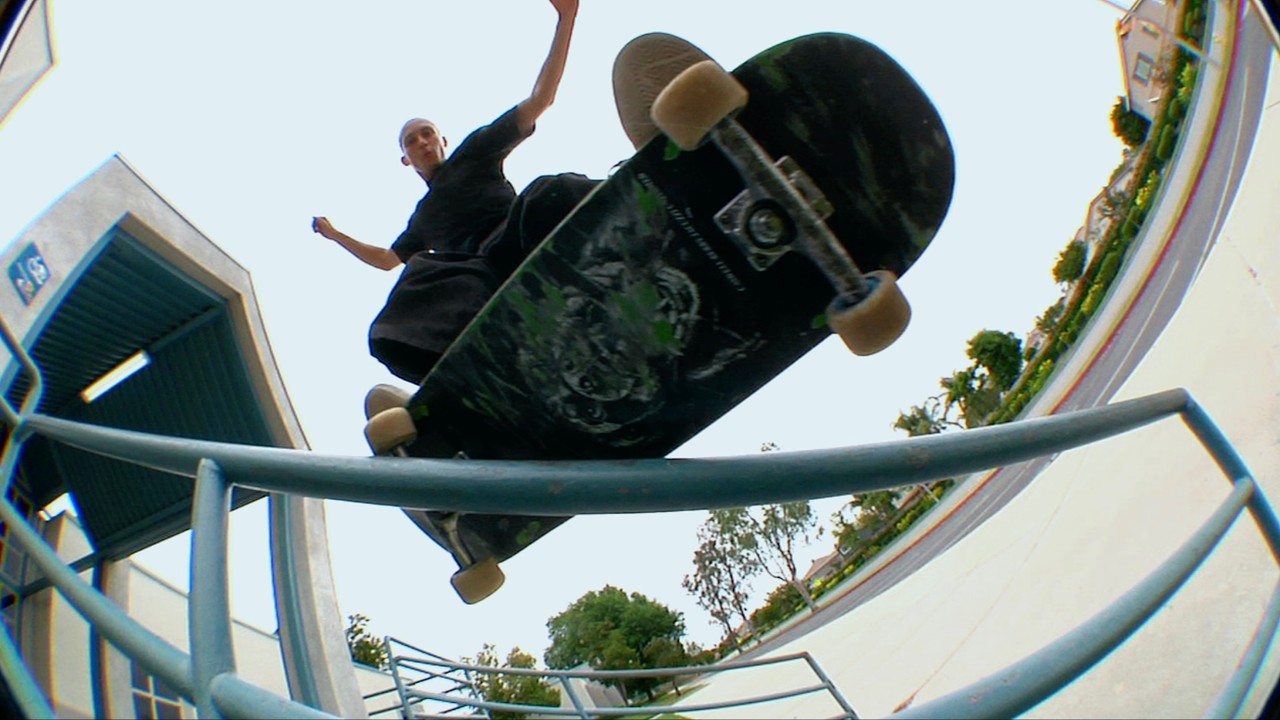
V: That became the promo clip of you doing the nollie shuv. Can you talk about that? Filming it with Na-kel was personal, right?
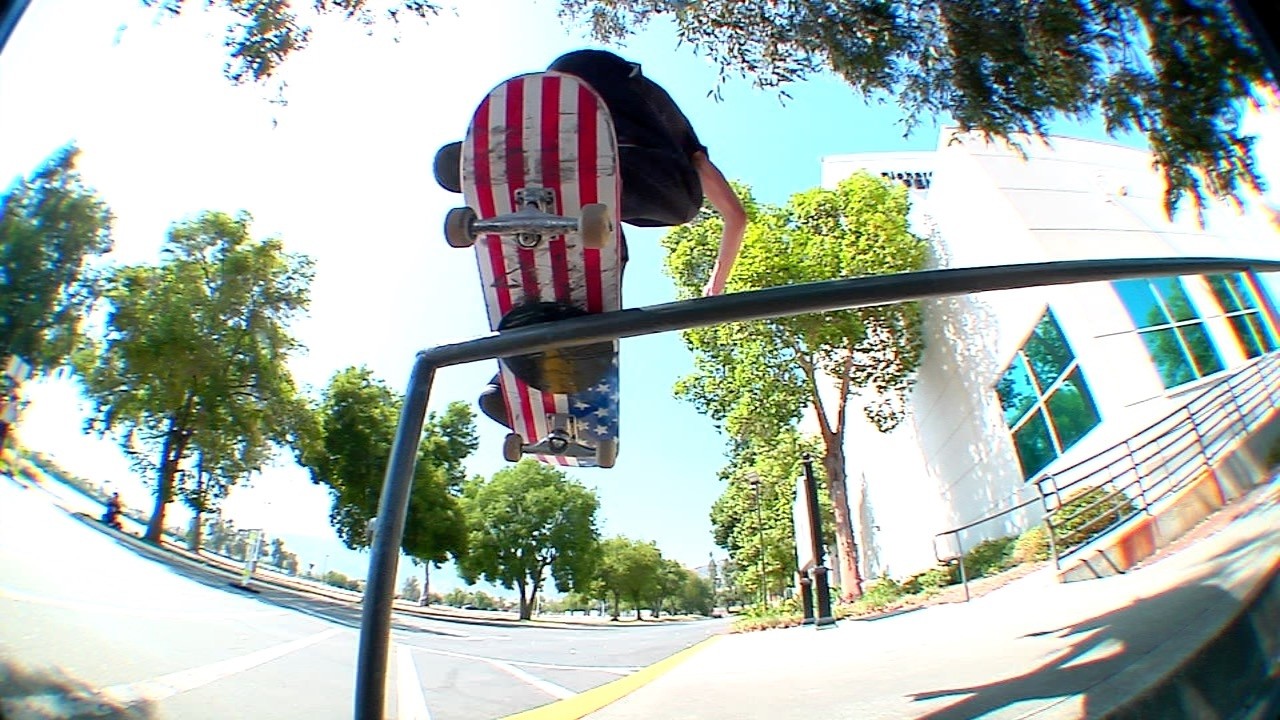
D: Yeah, it was really personal. We originally had another spot in mind, but it got torn down. The one thing we always knew was that we wanted Nak filming me. That was the full-circle moment. The spot we ended up choosing was Burbank Middle School, the 10-stair. It was actually the first spot where I filmed Nak that ever went public. It was him and Ishod Wair. Nak did a treflip and Ishod did a varial heel there, and I remember posting the footage. People were commenting, "Wait, what? You're skating with Nak?" So it felt really special to come back years later and have him filming me at that same spot.
V: How long did it take?
D: Probably seven different days. I'd been out of the rhythm of skating because I'd been so focused on filming, editing, and everything else. I had what people call "computer legs." My confidence wasn't where it needed to be to do a trick like that. But the moment I told myself, "Just put it down. You're going to do it," it suddenly felt easy.
V: Pro models are usually reserved for pro skaters. What does it mean to be recognized as a filmer in that way?
D: It means a lot. I hope this starts a chain reaction where more companies recognize the entire team it takes to make skateboarding what it is. A skater lands the trick and they're done, but the filmer takes that work home. I think it's important to set a new standard for how filmmakers are valued as part of a team. Filmers show up every day alongside the skater. It takes the same dedication, love, and patience. Right now it's basically me and Beagle who have been recognized this way, and that's kind of crazy considering how many filmers have shaped the identity of board companies over the years.
V: What do you hope this pro model says about the role of filmers in skateboarding?
D: I hope it shows kids that being a filmer is just as important as being a pro skater. When I chose this path, getting a pro board was never something I expected. I just stayed committed to the role I chose, and this happened naturally. I think that's an important lesson, that there isn't just one path in skateboarding.
V: How did your career begin?
D: It started by filming my friends. As that evolved, my career evolved with it. I was only brought into the Illegal Civilization world because of the work I was already doing with my own crew, Cavi Club. Everything came from the same question. "Who do I want to skate with?" I was always drawn to people who were interesting beyond the tricks. The moments before the trick, the moments after it, all the everyday stuff. That was always my compass.
V: What would you say was the turning point in your career? Was it Godspeed?
D: Godspeed was definitely one of them. But I think the first real turning point was the series I started with my friends called A Day with the Homies. Once that started catching on, more people began recognizing my name. Being consistent with that series let people into my world, and it also showed kids who looked like me that we belonged in skateboarding too. Godspeed was like the rocket ship that expanded that awareness because it focused on people and relationships as the story.
V: You just said it showed "people like me" that they belonged in skateboarding. What did you mean by that?
D: People of color. Black kids, Hispanic kids, Asian kids. Anyone who didn't see themselves represented in skate videos at the time. Watching Antwuan Dixon in Baker 3 made me think, "Wait... this is possible." Representation is incredibly important if we want skateboarding to continue growing.
V: Looking back at Godspeed, how do you see that video today?
D: Looking back on Godspeed, I feel incredibly grateful to have made that film exactly when I did. In hindsight, I can see how all the pieces were perfectly in place for it to become what it was, but I’m most appreciative that I was very present while making it. I was acutely aware that I was capturing a specific moment in time that wouldn't last forever, and that’s really what the name Godspeed speaks to. From conversations with everyone I was hanging out with, I knew things were changing; one person wanted to act, another wanted to model, and another was thinking about starting a family. It’s a natural part of growth and life, and I’m just thankful I caught that era of our brotherhood on film. I can see now just how hyper-focused I was during that production. It would look completely different today because I have a family and a three-year-old to worry about, but back then, I was able to just put my head down and go. During those last three months, my schedule was intense. I’d wake up at 4:00 or 5:00 in the morning and edit until the first person called me to go film. I’d be out all day, come back, edit until 10:00 or 11:00pm, and then repeat the whole thing the next day. The crazy thing is, I didn't feel any friction. I loved the process so much that I never felt like those early mornings were a struggle. I wasn't dragging myself out of bed. I was jumping out of bed thinking, "I’ve got to try this edit" or "Let’s see if this works." I think that feeling, being truly in love with the process rather than just the end result, is what allows amazing things to happen. If I had been focused on the numbers or the potential success, it wouldn't have been the same. I promise you, I didn't have a specific number of views in mind as a compass for success. For me, the moment I felt Godspeed was a success was when a kid hit me up and said, "This video inspired me to make a video with my friends." That was the sole purpose of the project, to inspire more of that creativity. Once that happened, I knew I’d done my job. Everything else since then has just been a bonus.
V: You mentioned OKAY BET 5HUNNID would be the last project you shot on the Panasonic HPX. Can you talk about that transition?
D: Yeah, absolutely. A lot of skateboarding has a deep attachment to that camera, and honestly I fought making the switch for years. The replacement is the Sony FX6, and I've had it for almost two years now. Eventually I realized the change was inevitable. You have to run toward discomfort, otherwise you stay stuck. I also wanted my skateboarding work to exist alongside my work in fashion and music instead of treating them as completely separate worlds.
V: You started Necessary Evil as a video series, but it seems like it's become something much bigger.
D: It actually started before I finished Godspeed. Thrasher asked if I'd be interested in doing a series. There's a scene in Godspeed where Ishod and Na-kel are talking to a woman who's trying to kick them out, and Na-kel describes skateboarders as the "necessary evil." Today, Necessary Evil has become something much bigger. It's about using the opportunities I've been given to create opportunities for younger creatives. Designers, photographers, videographers... people who might not otherwise get that chance. It's really about opening doors for the next generation.
V: What's your relationship with King Skateboards today?
D: It's not an employee relationship. I'm a King Skateboards filmer because of my relationships with Nak, Tyshawn, Zach, and everyone there. More than anything, I value that brotherhood with Tyshawn and Nak. That's worth more to me than any paycheck or job title.
V: What's your next dream?
D: The next dream... Something I'm actively working toward is making a feature film. At the same time, I want to build something within skateboarding that will outlive me. Those are the two things driving me right now.
Davonte Jolly
@davontejolly @necessaryevil_
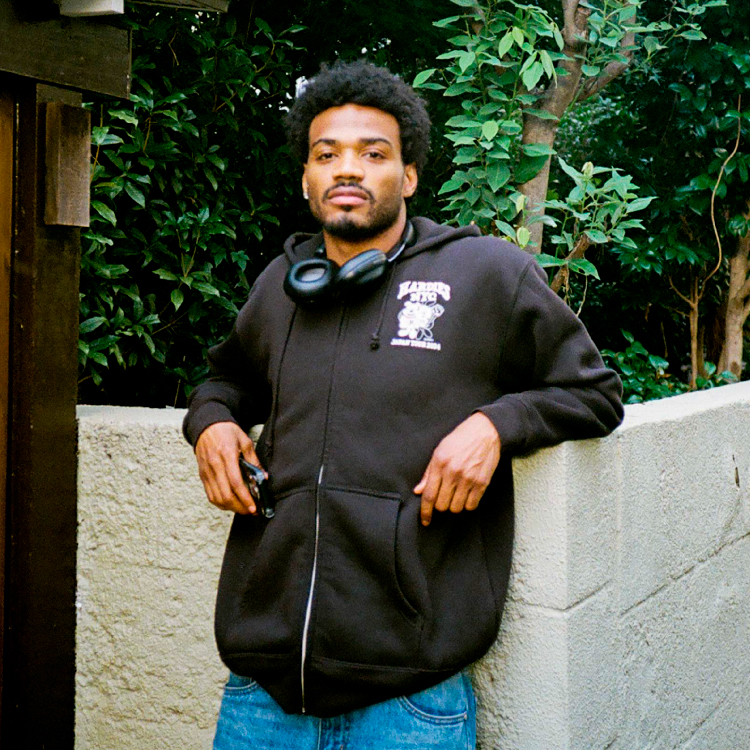
Davonte Jolly is a LA–based filmmaker and director whose work has shaped a generation of modern skate videos. Best known for Godspeed and A Day with the Homies, he has also directed projects in fashion and music. In 2026, King Skateboards awarded him a rare pro guest board, recognizing his impact as a filmer.