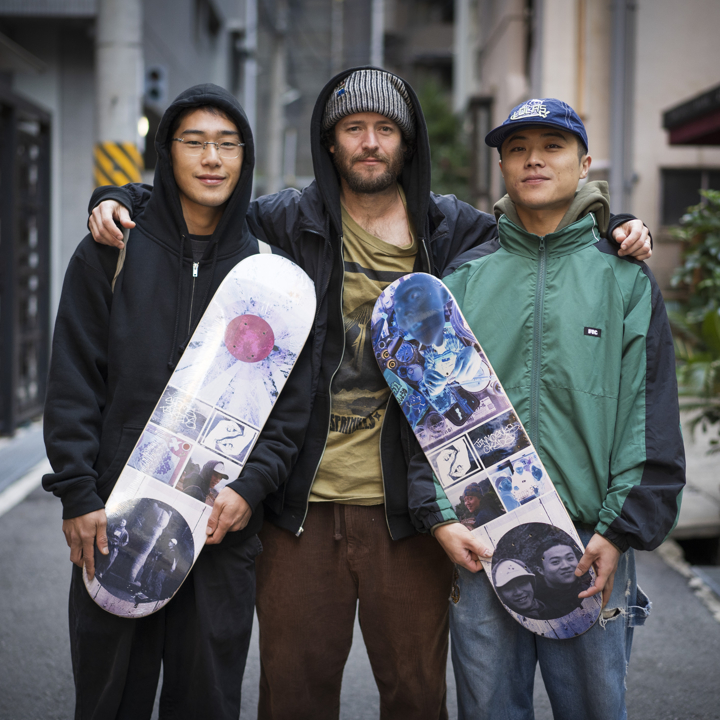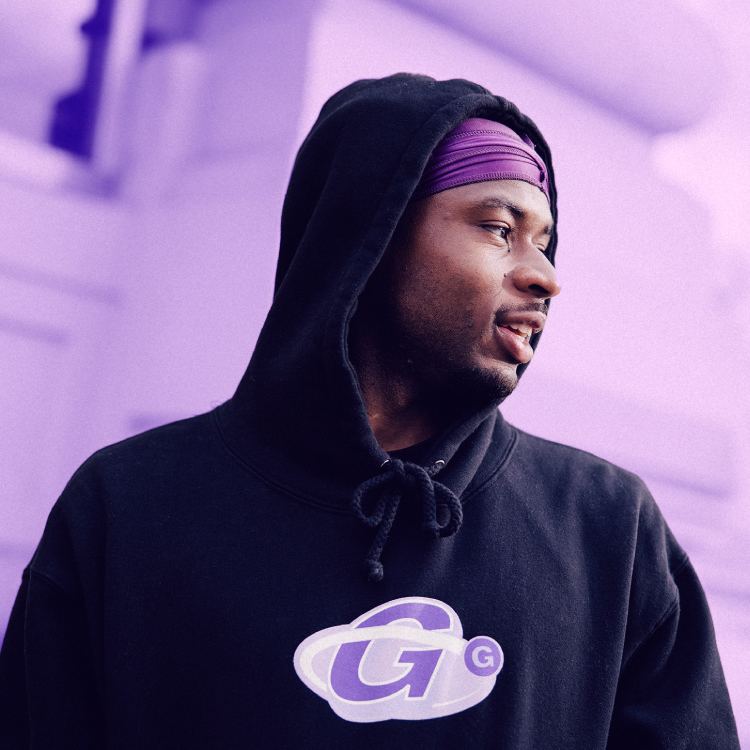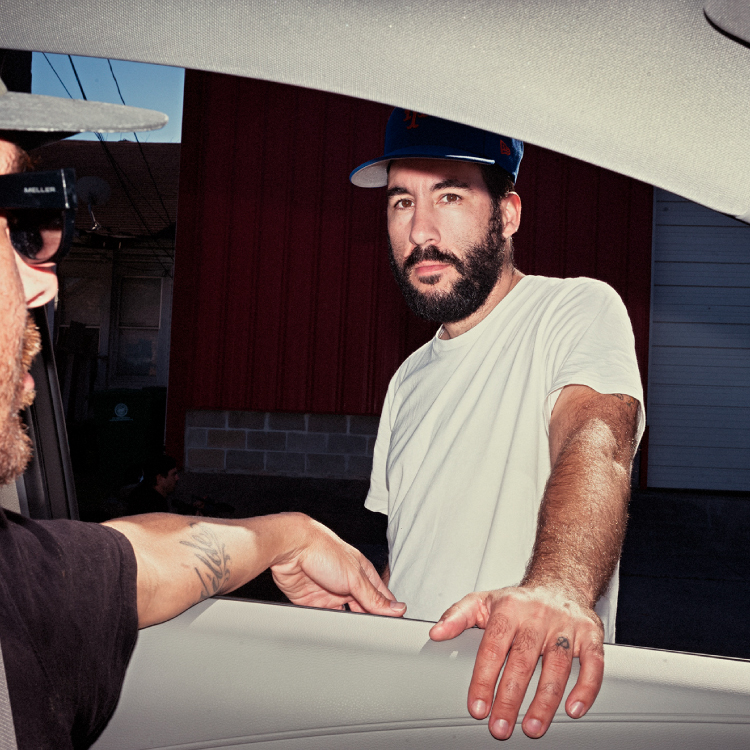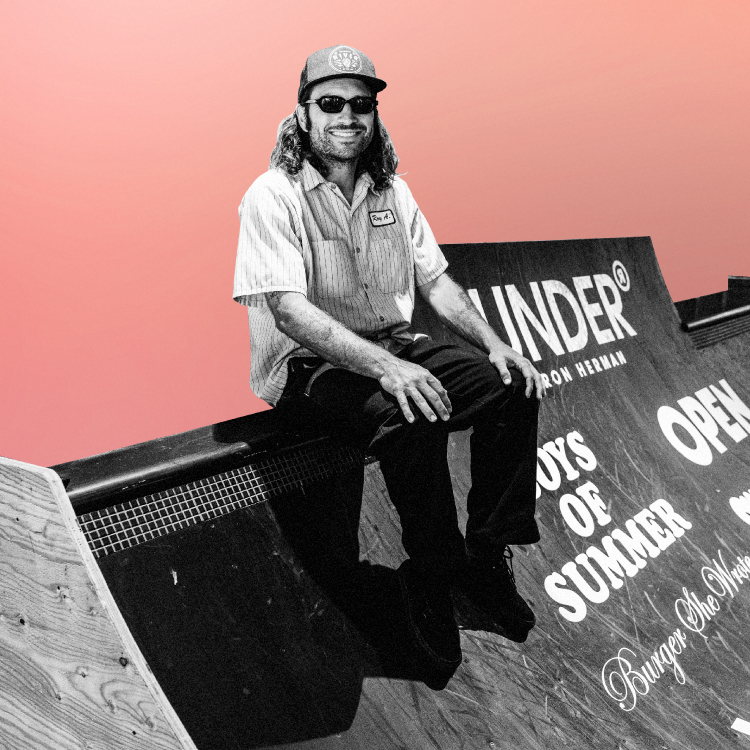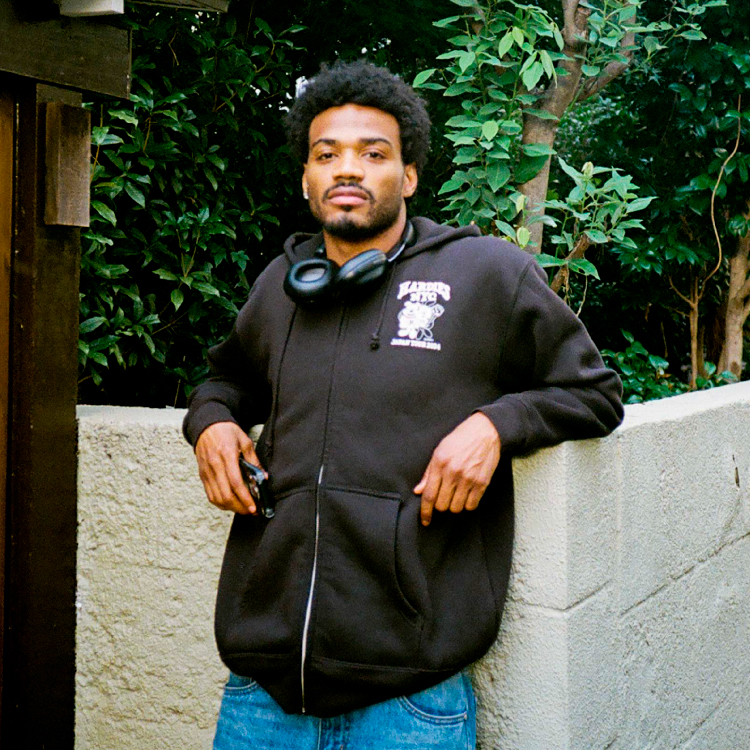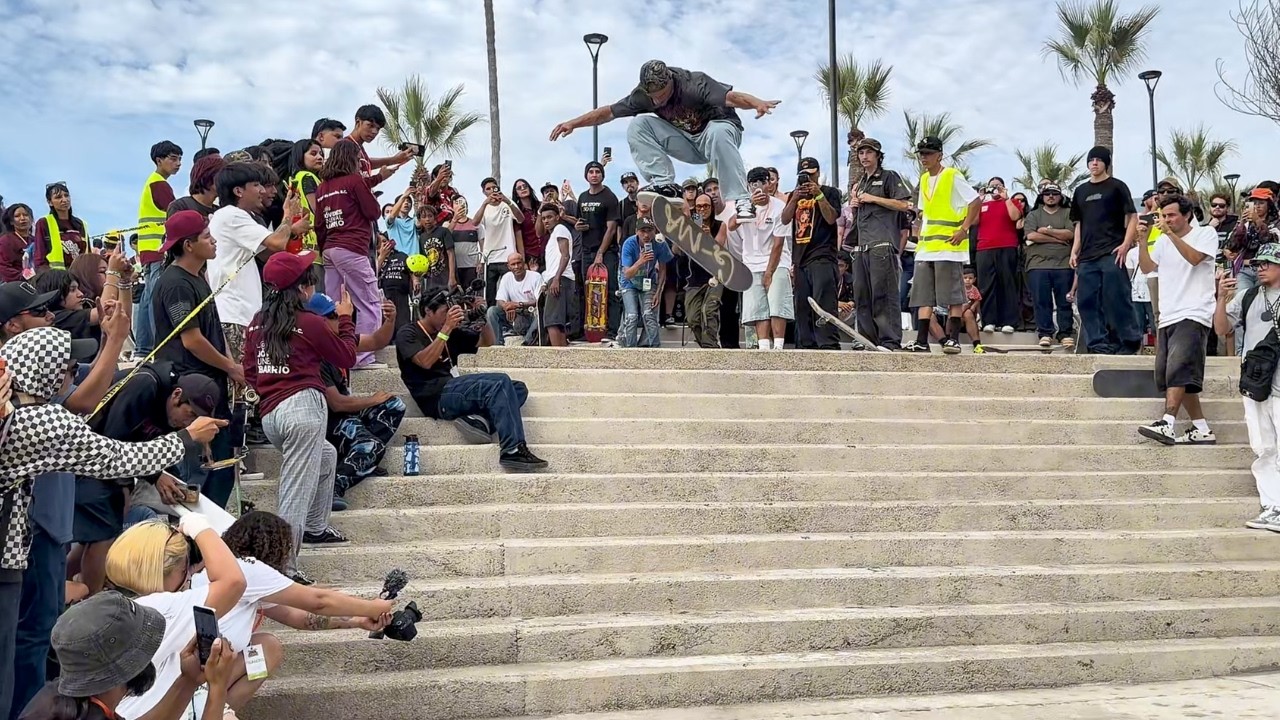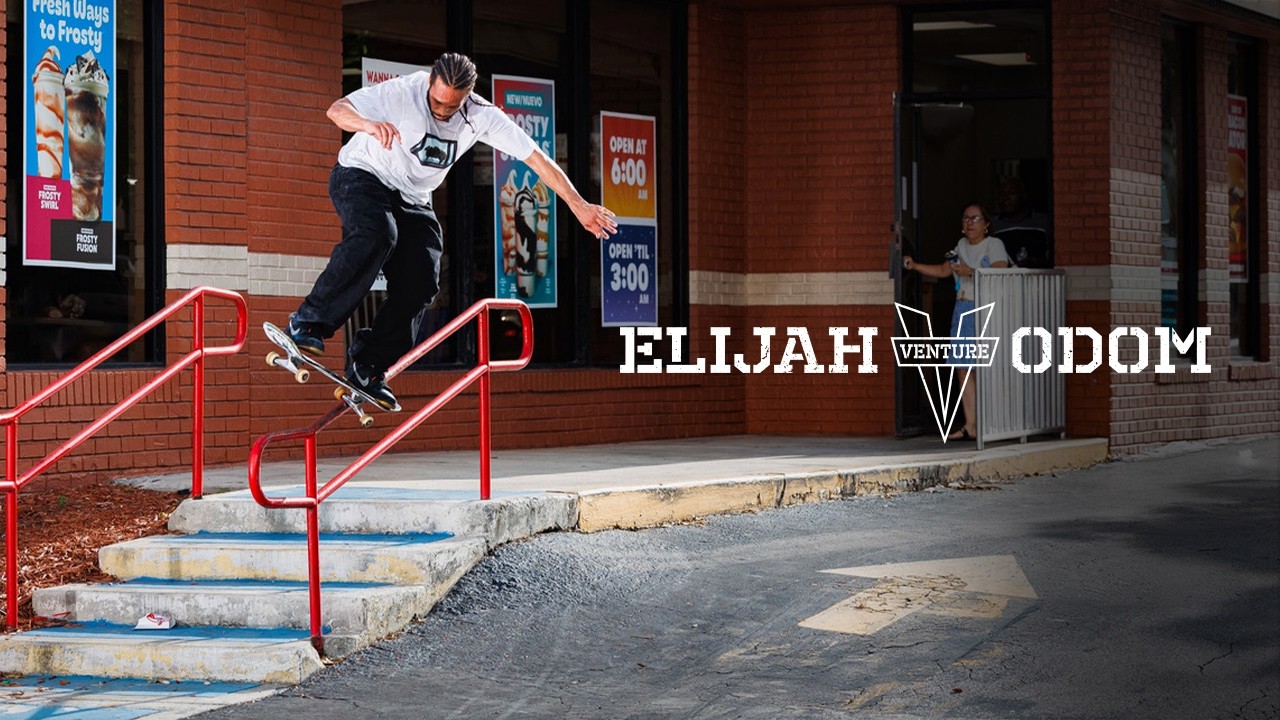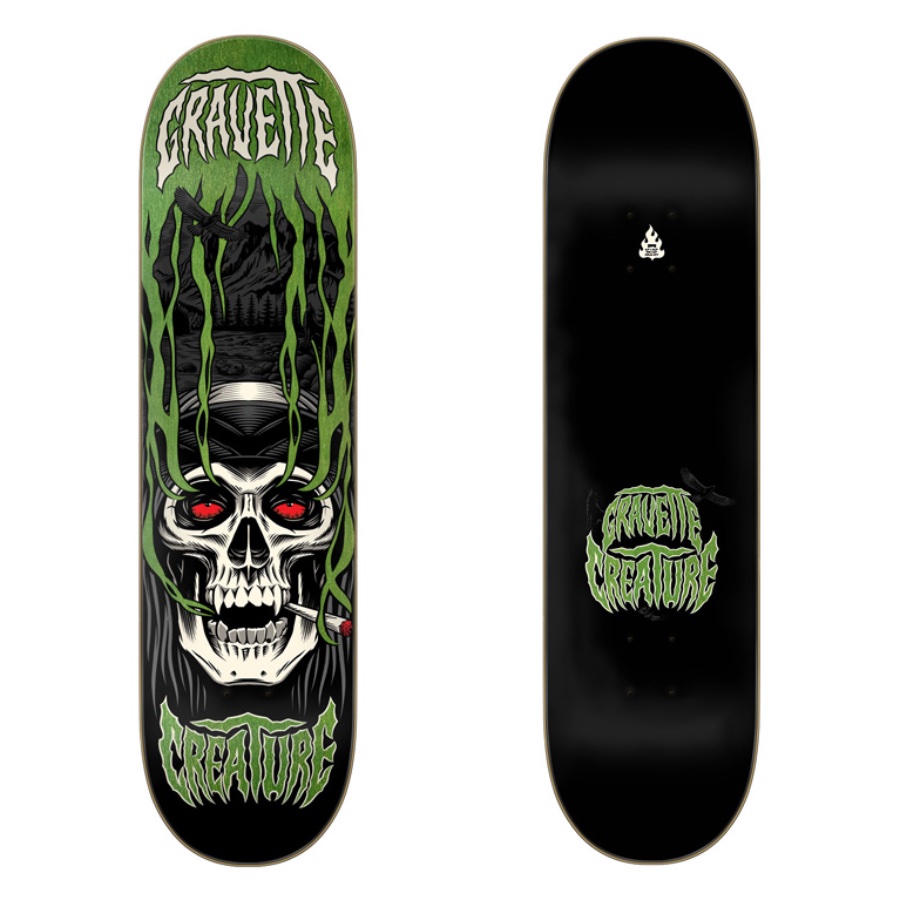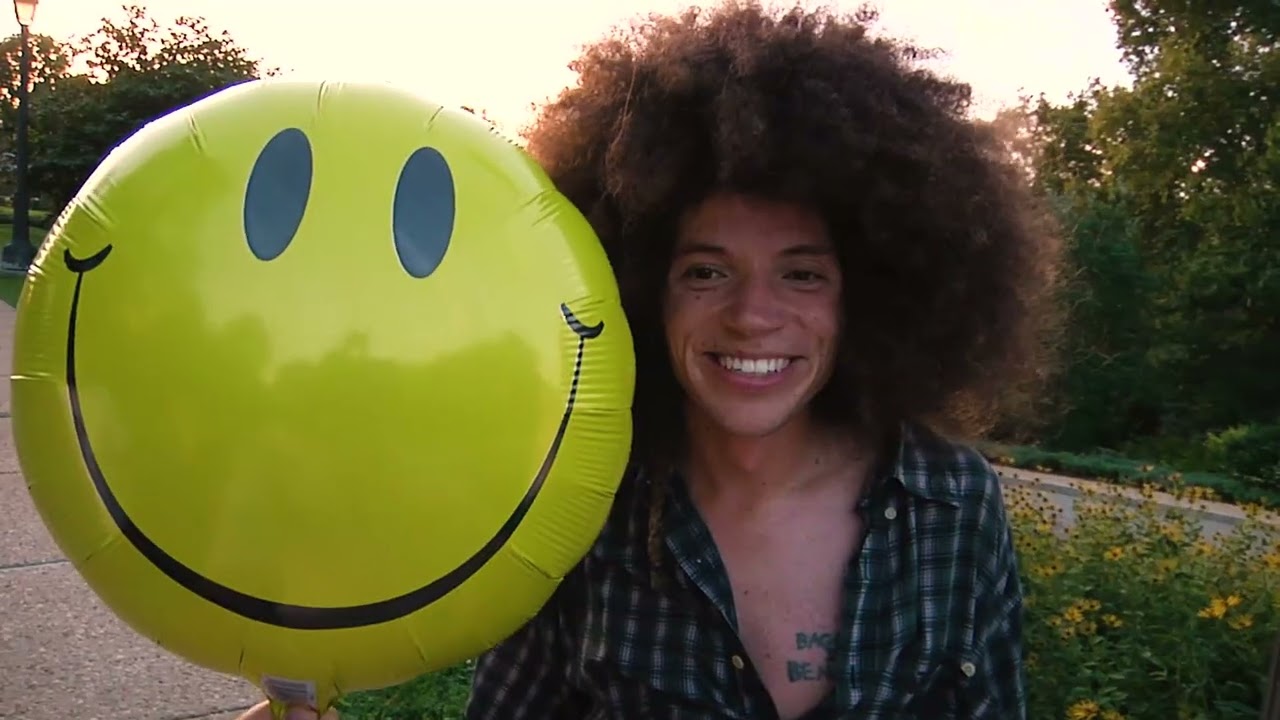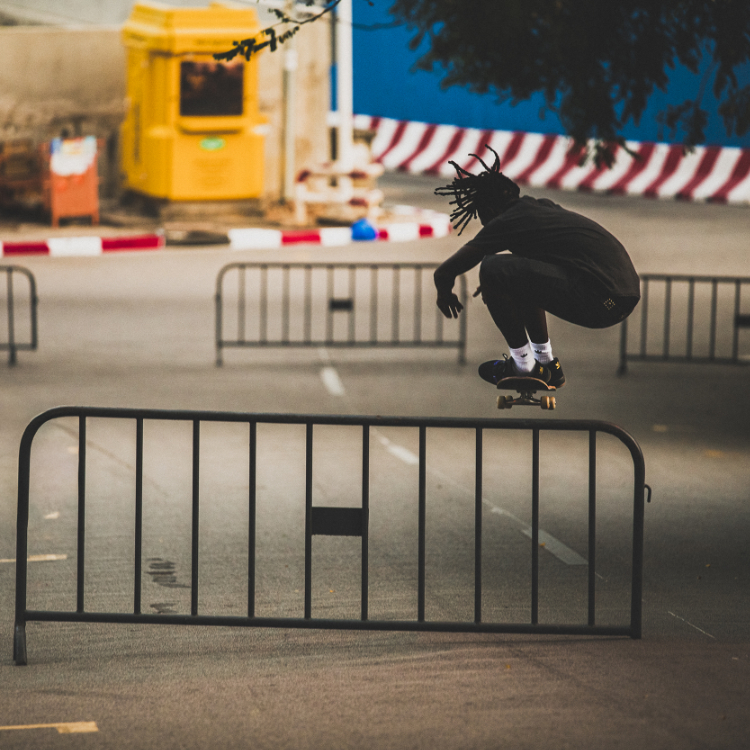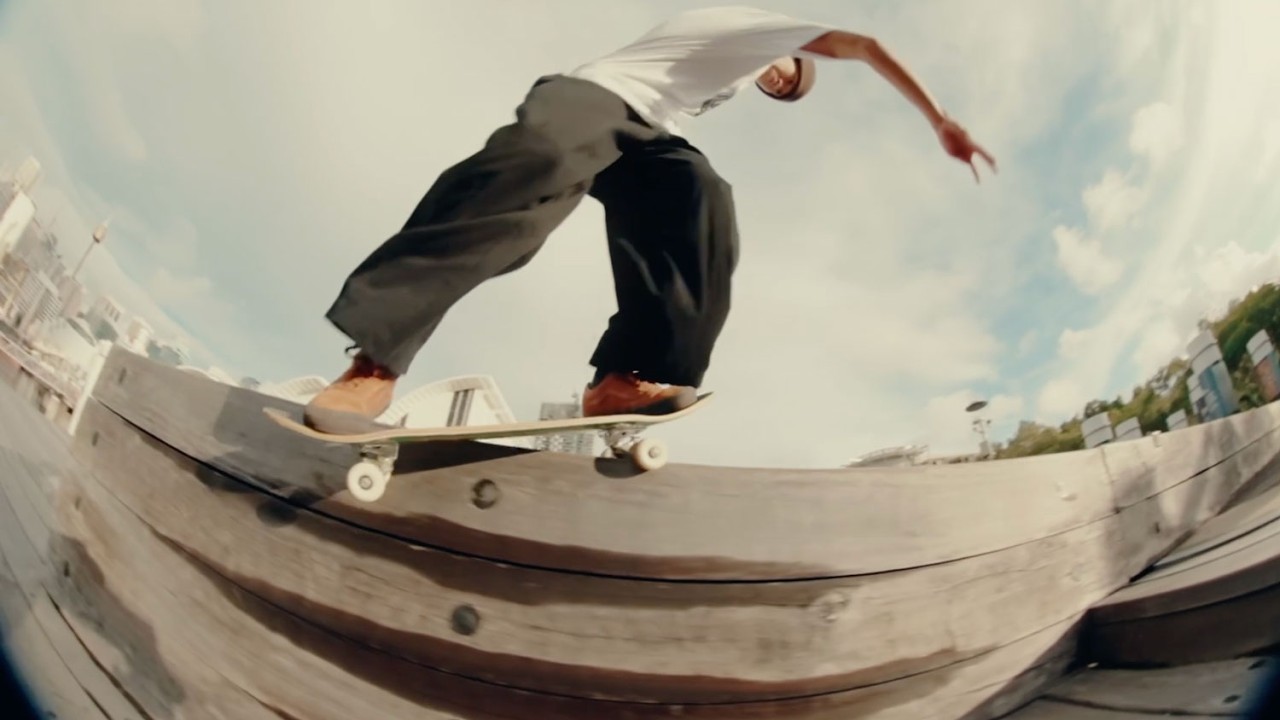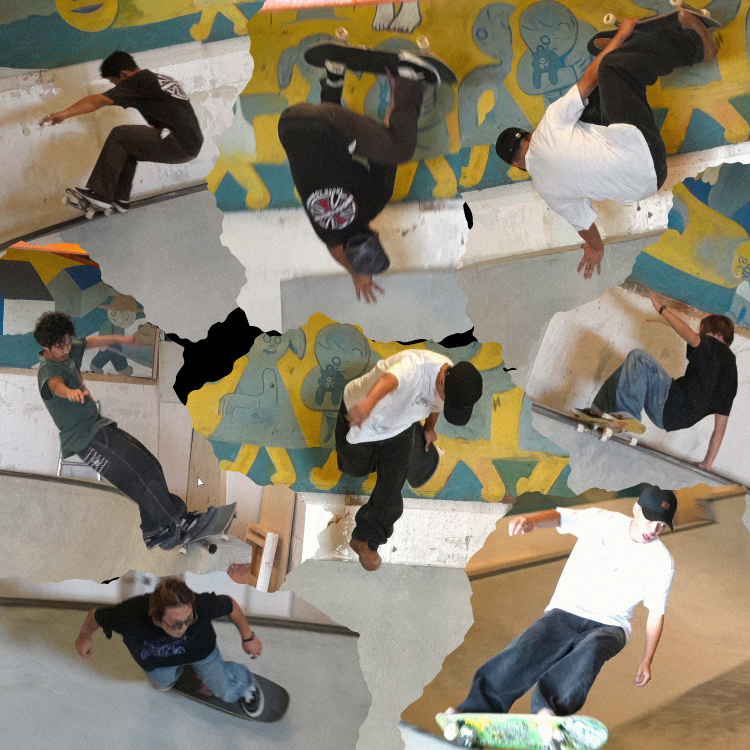





Originating as a raw video project among a tight-knit group of friends in Seattle, Genesis has grown into one of the most exciting emerging skate brands today. From early backyard screen-printing to an epic 18-hour road trip to retrieve blank decks, the journey of Genesis is fueled by authentic friendship, pure skateboarding, and a dedicated DIY ethos. We sat down with Ian Ostrowski to talk about the roots of Genesis, transitioning from a video project to a board company, their move to Los Angeles, and what to expect from their highly anticipated upcoming full-length video, Genesis 4.
──IAN OSTROWSKI (ENGLISH)
[ JAPANESE / ENGLISH ]
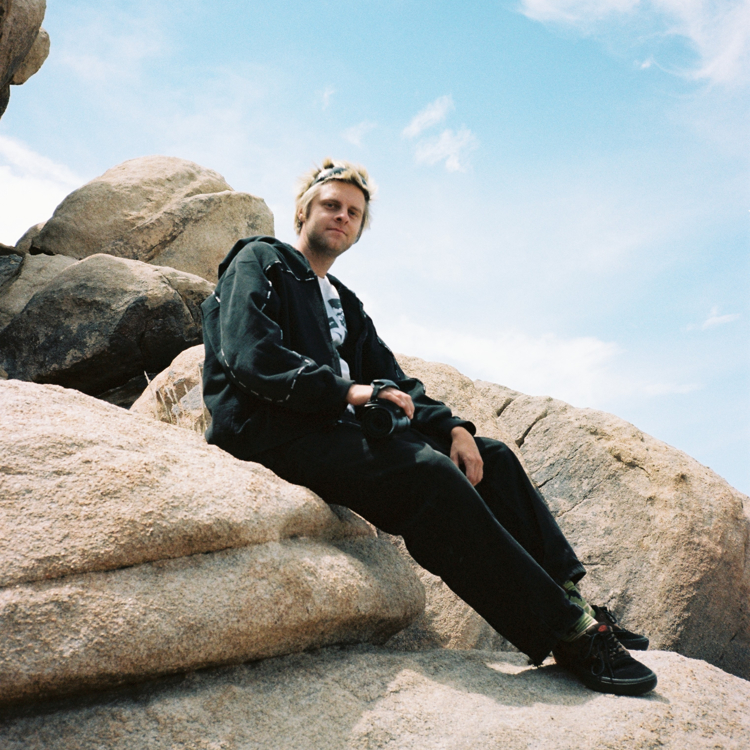
Photo_Ian Michna
VHSMAG (VM): Let’s start from the beginning. Genesis started as a video project before morphing into a board company. What was the original idea behind it?
Ian Ostrowski (IO): Honestly, it just stemmed from having a group of friends at the skate park. We are all from Seattle, and we just wanted to hang out and make videos together. That was the root of it. We made a few t-shirts, but the main goal was just to keep skating and filming together.
VM: You’ve been making skate videos for a long time, even before Genesis officially started, right?
IO: Yeah. Back in middle school and high school, we made these skate park montages called BEACONTAGE. Some of those are still on the internet. It’s funny because you can see a super young, like 12-year-old Troy Gipson, and a bunch of other homies who are in the Genesis videos today, but back when they were just kids. Genesis really started when we decided, "Okay, we're only skating street now, and we're going to take filming in the streets seriously". Another major turning point was when I finally got an Xtreme lens for my HMC camera. Before that, I only had a DSLR without a fisheye. Once I got that lens, it felt like, "Alright, this is more serious now. We're taking this seriously".
VM: You went on to release three full-length videos. How did the crew and the project evolve across those videos?
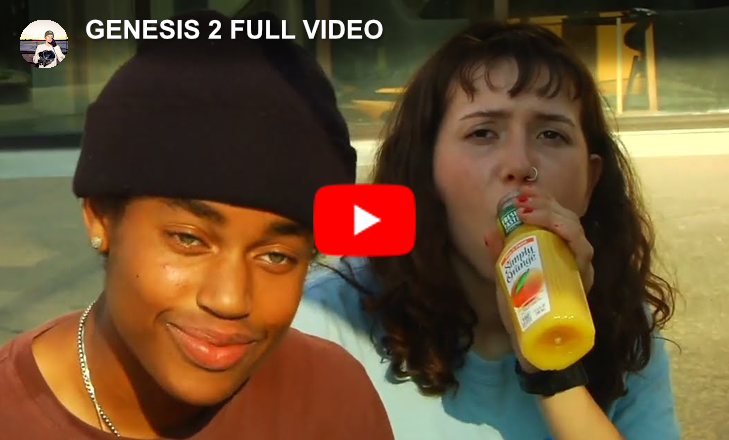
IO: The first video was a very small, intimate group of childhood friends and random people I hung out with at the skate park. Over time, the group naturally evolved. From one video to the next, about half the group stays, and the other half goes off to do their own thing, and new people naturally fill in the gaps. After the first video, I really started focusing on a core crew. Troy Gipson, Xavier Halte, Jasper Lavine, and Bao Nguyen. They were teenagers, about 16 or 17 during the first video, and they shared a montage, while Troy had a full part. By the time Genesis 2 came around, that core squad carried the weight of the video.
VM: You’re a bit older than those guys. Do you see yourself as a big brother figure to them?
IO: Oh, totally. Very big bro vibes. I'm 28 now, and most of those guys are in their early 20s. Jasper is 23 and Bao is 24. But because the first Genesis video was nine years ago, I've been skating, filming, and hanging out with them for over a decade. It’s been amazing to watch them grow up. They are all doing their own things now. Everyone has jobs, and Troy is traveling the world with Supreme, which is so cool to watch. But they are all still in the mix and still with Genesis.
VM: At what point did Genesis transition from a video project to making boards and becoming an actual brand?
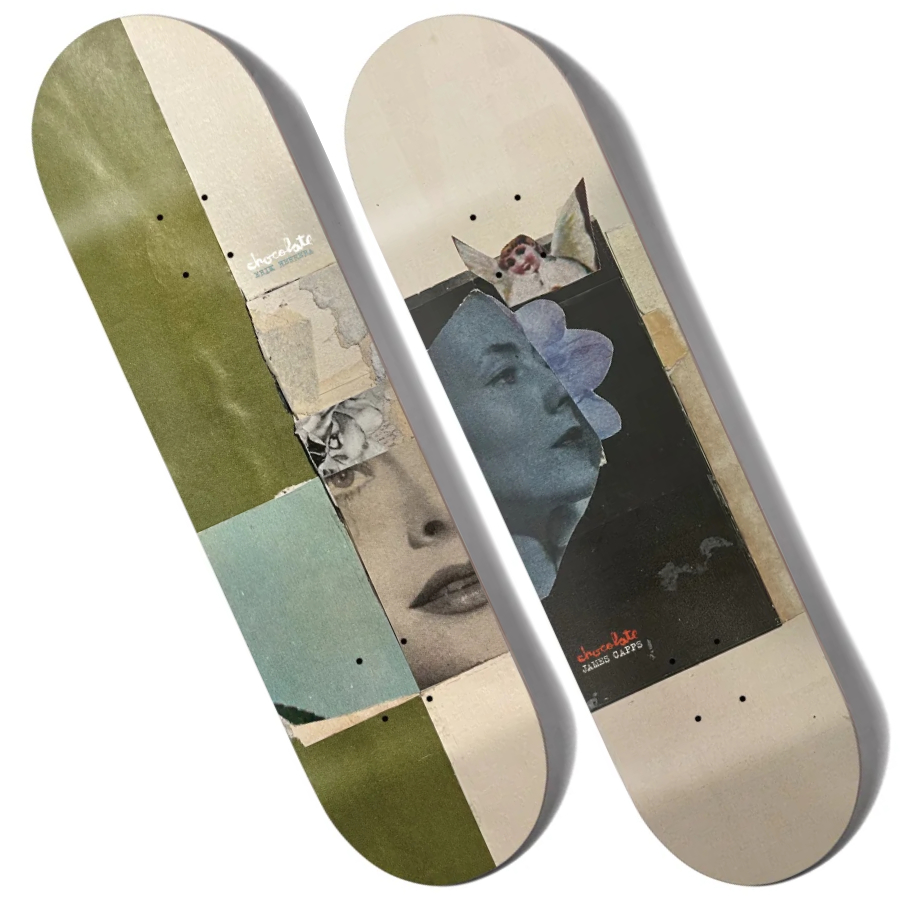
IO: We had dabbled with the idea for a while. When the first video came out, we did t-shirts that I screen-printed in my backyard. But it was very limited and random, maybe one or two tees a year. The actual shift to making boards and doing seasonal drops happened around late 2022 or mid-2023. And the story of how it started is pretty crazy. A couple of the homies were riding for a company called Monarch under Dwindle Distribution. Around 2021 or 2022, Dwindle went down, and several brands under them went under too. I had filmed a bunch of clips for a Monarch project and even tour-managed a trip for them, driving the team van around for a week. It was over $2,000 worth of footage and labor, but because they went under, they couldn't pay me. However, a guy who worked at Dwindle reached out. He told me he had access to a warehouse with a bunch of blank Dwindle boards and offered me 180 blanks to settle things. The only catch was that they couldn't pay for shipping, so we had to pick them up in Temecula, California. At the time, we were living in Seattle. So, we packed into two cars and drove from Seattle to Temecula, which is almost all the way to Mexico. It was about a 17 or 18-hour drive. We brought all 180 boards back to Seattle and got them printed locally, which is hilarious looking back because now I would have just dropped them off to get printed in California. But that’s how we got our first 200 boards for free, and it grew from there.
VM: Was that massive drive worth it?
IO: Definitely. It was awesome because we stopped and filmed along the way... SF, LA, Portland. I even made a little video about it. It was technically a business trip to pick up the boards, but it felt like a fun skate trip with friends.
VM: You've been making boards for about four years now. How do you view Genesis today? Is it still a video project, or is it a skate company?
IO: At its core, it will always be a video project. We’ve actually started working on Genesis 4, which will be our next full-length video. I always want the brand to be centered around the videos. However, I want Genesis 4 to be the video that truly cements Genesis as a brand. We’ve never had a full-length video where the riders are actually riding our boards and wearing our clothing. This time, it’s going to feel different and special. The team has grown organically, too. It’s no longer just my hometown friends, we have kids from all over skating the boards and filming for this video.
VM: When watching your videos, the feeling of genuine friendship and homie vibes really resonates. How important is friendship to the identity of the brand?
IO: It is the most important thing. But it’s also a hard balance when you're trying to grow it into a business. There's a line you have to draw. "Are we friends, or are we business partners?" We started as a group of friends, and I think we will always keep that spirit. We also have a unique outlook. In skateboarding, usually, if you ride for a brand and quit, you’re off the team. But the way I see it, if you’ve ever had a part in a Genesis video, you are on Genesis forever. Even if you aren't riding the boards or wearing the clothes anymore... like Dylan Clark, who is on Enjoi now, you are still part of the squad for life. You will always be the homie and part of the group.
VM: Troy and Elise Hedge moved to New York. Troy is now pro for Violet, and Elise had a Venture truck release featuring her own artwork. What are some of your favorite memories from filming and hanging out with them?
IO: Oh, there are so many. We filmed the majority of Genesis 2 during COVID. It was a very strange, special time because downtown Seattle was completely empty. We could do whatever we wanted with zero repercussions, just kicking a soccer ball around in the middle of downtown. There was one hilarious incident they didn't tell me about until a year later. I was working, so I loaned them my camera for the day so they could go film. They went to a schoolyard, got hungry, and went to get lunch. But they completely left my camera behind. It sat there in the schoolyard for an hour or two before they realized it and ran back to get it. Luckily, since it was COVID, nobody was outside, and the camera was still there. A year later they confessed. "By the way, we left your camera alone at a spot for an hour." I was just like, "Dude, what?!" But it all worked out (laughs).
VM: Genesis 2 was such an amazing video, and Troy's part was incredible. You grew up in Seattle but you're currently based in LA. What prompted the move?
IO: Seattle is a beautiful place to grow up, but the hardest part about skateboarding there is the weather. It rains so much that you can only skate for about half the year. Even when it's not raining, the ground is damp and it gets dark incredibly early in the fall and winter. I knew I wanted to film skating every single day if possible, but the opportunities just weren’t there in Seattle. You aren't getting paid, and it's raining constantly. I was itching for a change. In 2020, Troy and Elise moved to New York, and I went to visit them for three weeks to help them move in. By the end of those three weeks, I realized New York wasn't for me. I couldn't handle carrying all my heavy camera gear and sweating on the subway every day. So, I went back to Seattle, stayed for another year or two, and finished Genesis 3, which was mostly filmed in Seattle and Portland, though we traveled all over the US for it. After that, I was talking to Ian from Jenkem, who had recently moved to LA. He mentioned he might need some help and could get me some video work if I moved down. That got me super excited. Dylan, Jasper, and I looked on Craigslist and found this old three-bedroom Victorian house. It was the first place we applied to, and a month later, we got approved. We packed up, drove down, and never looked back. That was early 2024, so we’ve been here about two and a half years now. I still go back to Seattle a lot to visit and film, but LA has been great.
VM: Do you think growing up in Seattle shaped your perspective on skating and filmmaking?
IO: Absolutely. Since moving to California, I've noticed people here rarely skate at night. They don't feel the pressure because they know it’s going to be sunny tomorrow, or the day after. But in Seattle, you know it might rain tomorrow or for the next week straight. That created this intense pressure. It was always like, "We need to get this trick right now. Throw the light on the camera, let's keep going" If you wanted a video to come out, you had to seize every single dry day because you might only get one or two in a month. That hustle really shaped my work ethic.
VM: In an era where everything moves so fast on social media, do you still believe in the traditional full-length format? Do kids today still care about video parts?
IO: Things have definitely changed with Instagram. Some skaters don't even care about having a full part anymore, they just want to post their highlights on social media or share their three best clips. But that’s exactly why I’m so excited about Genesis 4. I’m making full parts for three or four skaters who have never had their own dedicated part before. This will be their breakout moment, where they are introduced to an audience for three, four, or five minutes straight. A video part is like a musician's album. You should be able to type your name into YouTube and have a full video part that is just you. It’s a very special milestone. They might not fully realize how important it is yet, but I really hope they feel that significance once it comes out.
VM: How did Ginpei Saito first get involved with Genesis?
IO: It started right when we began making boards. My friend who runs Beacon Distribution in Japan hit us up about wanting to carry our stuff. For a year straight, he would DM me every month sending footage of Ginpei when he was a little kid wearing a bucket hat and Pumas, saying, "Check this kid out, he's so sick." At first, I was hesitant. Genesis started as a tight group of friends, and it felt inauthentic to just send boards to a kid in Japan I didn't actually know. I wanted to meet him in person first. Coincidentally, Ginpei planned a trip to the US for a Damn Am contest and came to LA afterward. He asked if he and his brother Joe could crash on our couch. They stayed with us for a week, skated in LA with us, and hung out with the whole squad. By the end of that week, we just knew. This kid is one of us. He completely matched our vibe, and it felt 100% authentic to put him on.
VM: You recently released an edit called Rokunana (67 in Japanese), which features Ginpei. What's the story behind that title?
IO: (Laughs). When Ginpei was visiting LA, Bao would literally ask him random questions every five minutes about how to say things in Japanese, like "How do you say good morning?" or random curse words. At one point, Bao asked, "How do you say 67 in Japanese?" and Ginpei taught us "Rokunana". We asked him, "Do kids in Japan say 'Rokuana' as a meme or just 67?" and he was like, "Yeah, we just say 67, the kids say the same thing." It was just a stupid, funny moment realizing that skate culture, memes, and jokes are kind of universal. The title Rokunana was our little inside joke and a nod to that connection.
VM: You also visited Japan recently for the first time, right? How was that experience?
IO: Yeah, it was my first time. I was doing social media filming work for X Games Chiba. After the event, I extended my trip for four days in Tokyo. I met up with Ginpei, and he and his crew showed me around. I was the only American in the group, which was awesome because they knew all the spots, how to get around, and what times were best to skate without getting kicked out. We skated neighborhood spots, alleys, and parks. It was an incredible trip.
VM: Nice. I also noticed an Instagram account @reviewingnachos. Is that you?
IO: (Laughs). Yeah, that is actually all me! I’ve been doing it for about five years. I go to different places, try their nachos, and leave detailed reviews of what I liked and didn’t like. I really wanted to do a nacho review while I was in Japan, but I didn't get a chance to find any. When I go back, trying Japanese nachos is definitely at the top of my list!
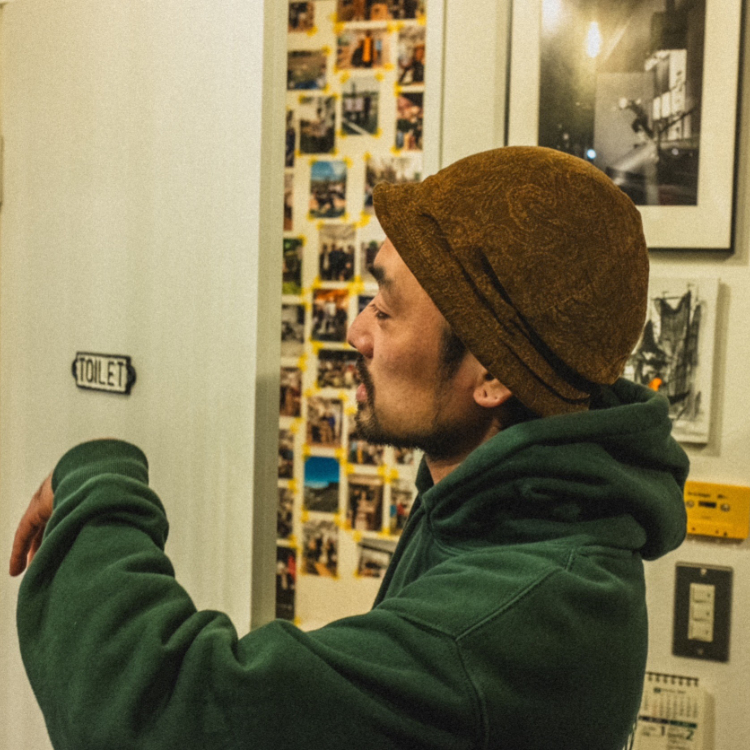
Ian Ostrowski
@ianostrowski_ @genesis_video
Seattle-born filmer and filmmaker currently based in Los Angeles. He is the founder of Genesis, a video project turned independent skateboard brand built around the friends he has filmed and skated with over the years. He also works on video projects for Jenkem while continuing to film the next chapter of Genesis.