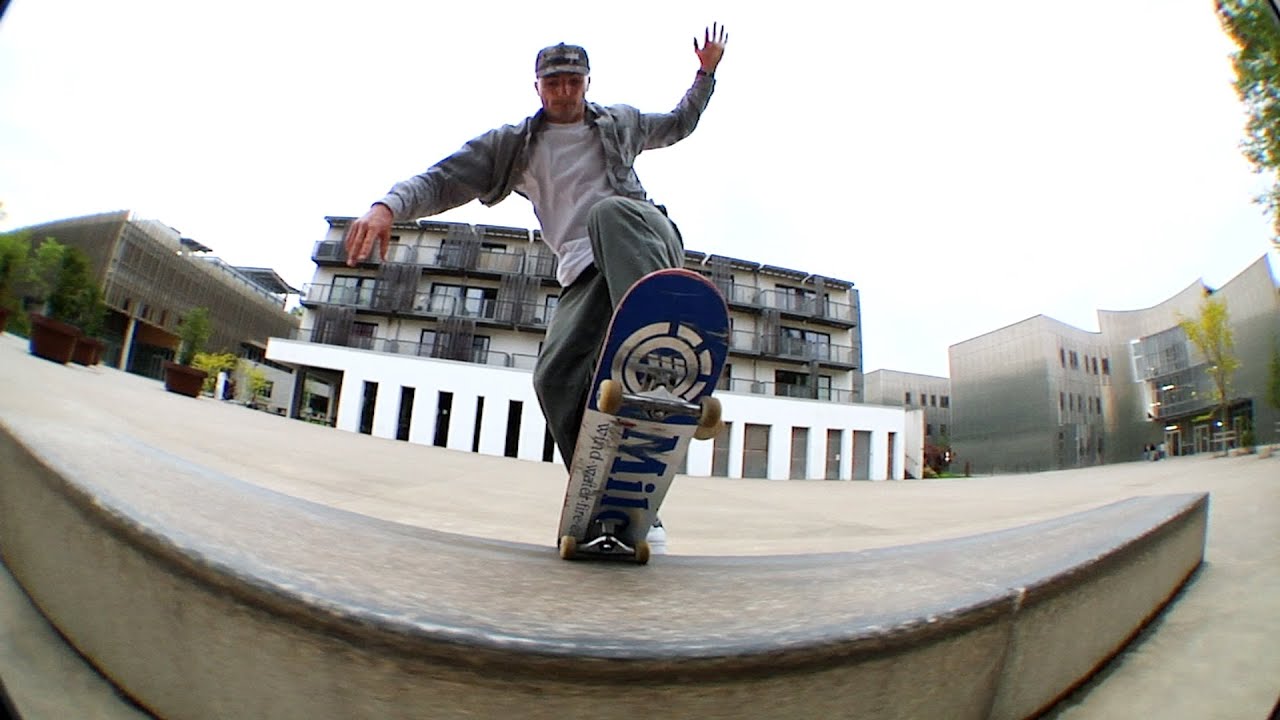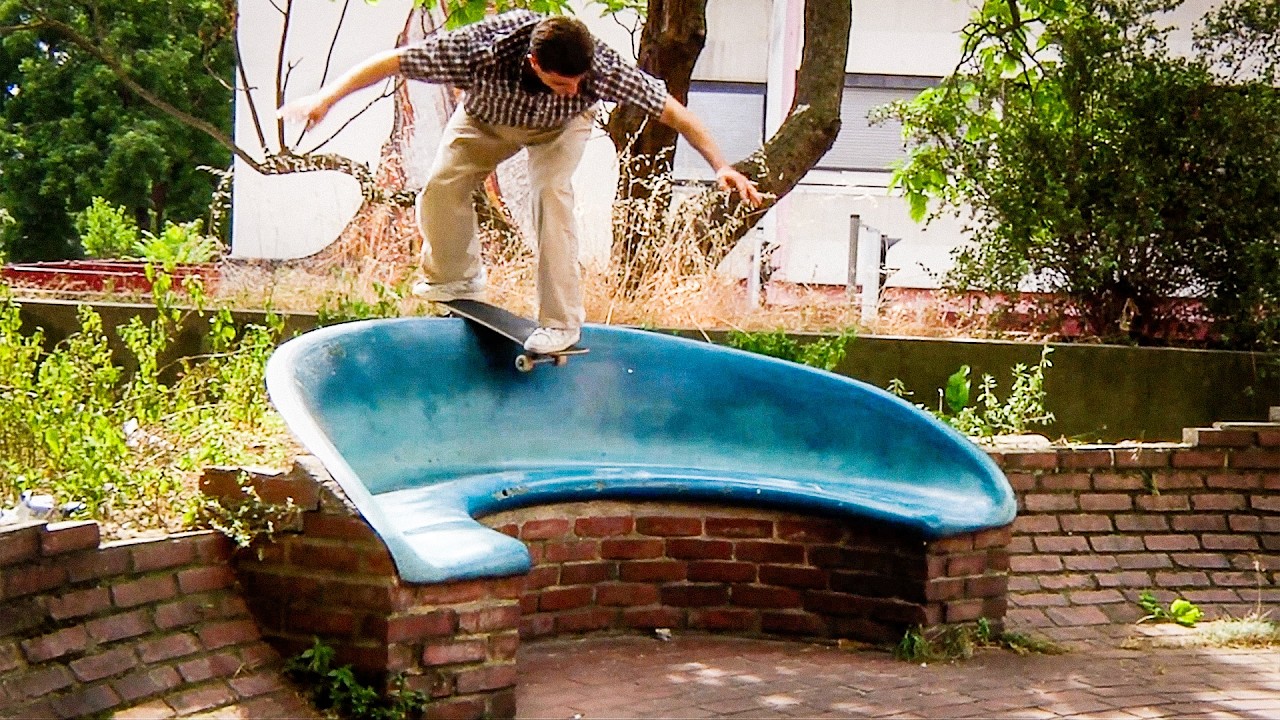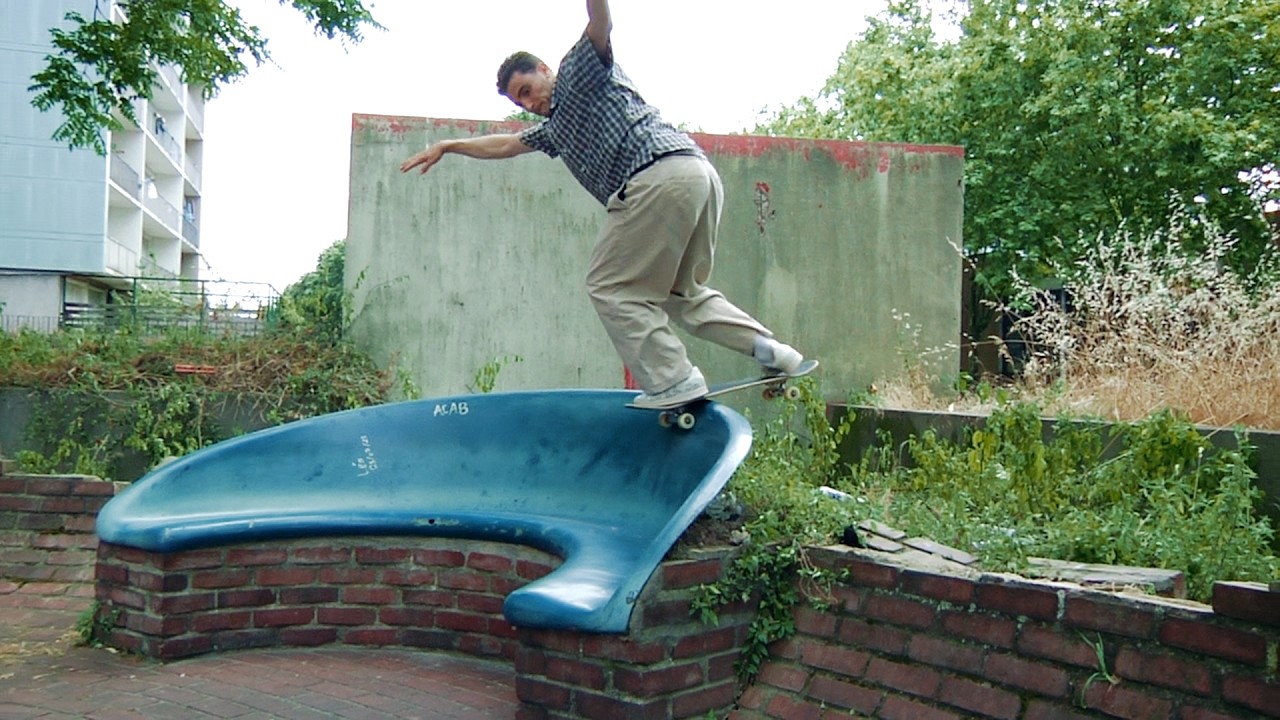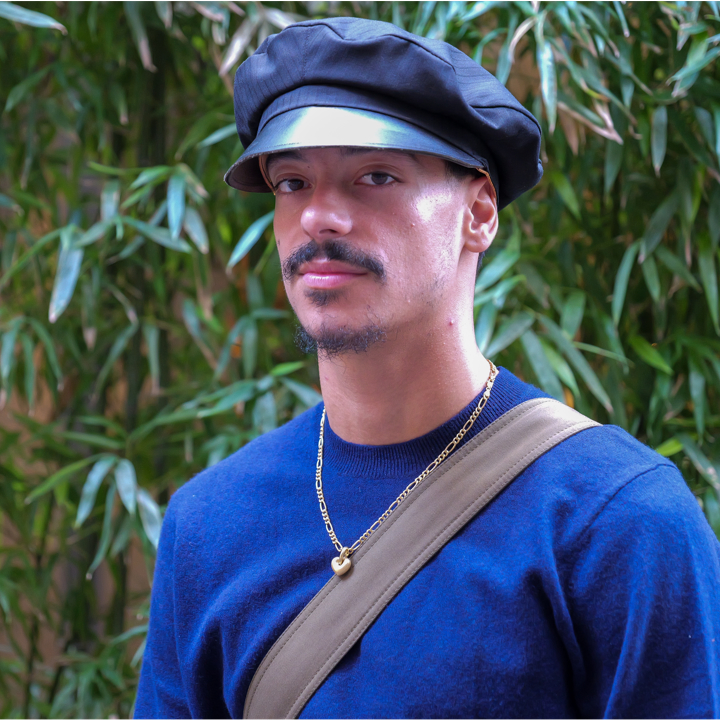










French powerhouse Vincent Milou has made his mark on skateboarding through his powerful street skating, video parts, and major contest wins. Now, he adds another milestone to his career with his own colorway of the iconic adidas Stan Smith. Inspired by his SLS victory at Roland-Garros, the shoe blends classic tennis heritage with skate functionality. We caught up with Vincent to talk about the design process, meeting Stan Smith himself, and his journey back from a life-threatening head injury.
──VINCENT MILOU

[ JAPANESE / ENGLISH ]
Special thanks_adidas Skateboarding
VHSMAG (VM): First off, congratulations on your Stan Smith colorway. How did the collaboration come about?
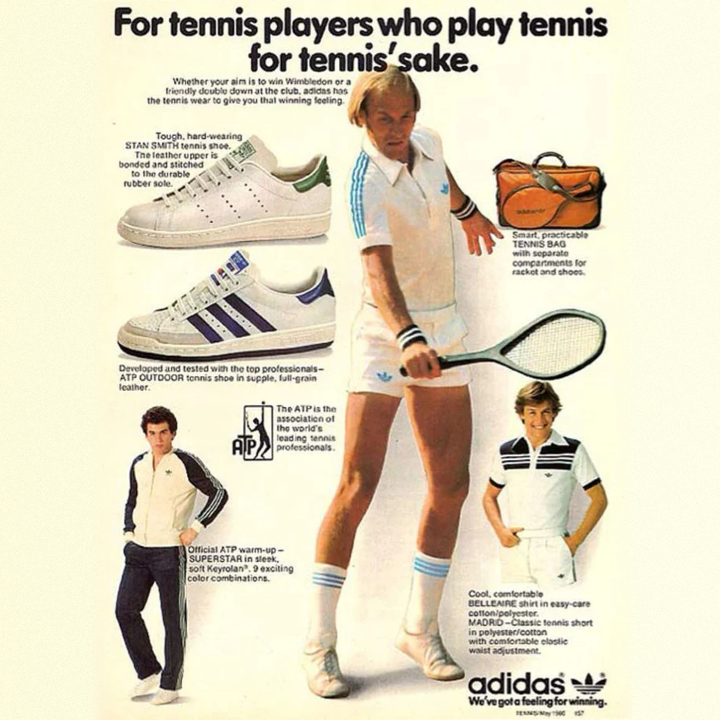
Vincent Milou (Vincent): I think adidas Originals wants to push the Stan Smith in 2027 and 2028. Since skateboarding is kind of an incubator for fashion worldwide, they wanted to start by pushing it through skating. And because the history of the Stan Smith is closely connected to France, they wanted me to represent it. I also skate the shoe myself. My very first magazine cover was for Solo Skate Mag, and I was wearing Stan Smiths. So it felt like everything had come full circle. When they offered me the opportunity to do a colorway, of course I said yes.
VM: So you've always been a fan of the Stan Smith?
Vincent: Yeah, I really like the shoe because it's so simple. One of my other favorite shoes is the Superstar, but it really depends on what I feel like skating at the moment. The thing with the original Stan Smith ADV is that the white sole can be pretty slippery. It has those little dots underneath, so there isn't much grip. And the upper is very basic. As a skater, you're always looking down at your feet, and sometimes it can get a little boring. I think that's why some people skate Stan Smiths for a while, switch to another shoe, and eventually come back to them. So I wanted to add a toe cap. First, it helps with grip. When you do a kickflip, the extra layers create a bit more friction and slow your foot down on the board. But it also changes the way the shoe looks when you're looking down. The stitching and different materials give you something more interesting to look at, and that can actually make you want to skate more. That was one of the things I was most excited about with this project. At first, adidas wasn't completely sure about it because there are very specific rules when it comes to designing a Stan Smith. It's such an iconic shoe that you're only allowed to change certain things. Adding a toe cap became a pretty big conversation, but in the end, we made it happen.
VM: Stan Smith is one of the most iconic sneakers of all time. How does it feel to become part of that history?
Vincent: Honored. That's really the only word for it. Having my face on the shoe is already a huge deal, but getting to meet Stan himself was something else. I got to explain why we changed his shoe, why we added the toe cap, and why we used a different rubber compound for the sole. The outsole has this orange color, and the rubber is a little softer than the original white sole, which gives you better grip. I explained the whole process of modifying the shoe for skateboarding, and he told me he really loved it. He thought it was a very smart idea, and he said that if it made the shoe better for skating, he was really happy about it. Hearing that from Stan himself made me incredibly happy. It was a real honor.
VM: Other than talking about the shoe, was there anything memorable about meeting him?
Vincent: We talked a lot about his career and everything he's accomplished. He's 80 years old, but honestly, he doesn't look 80 at all. He looks like he's 50 and has so much energy. I actually skated in front of him and did a treflip. He was really impressed (Laughs). What surprised me most was how interested he was in skateboarding. He wanted to understand how it works, what we do in contests, and how we film video parts. He's met so many people around the world, and he already knows a little about skating, but he was genuinely curious. He kept asking questions about the toe cap and why we needed certain changes. I really enjoyed that. It was a super interesting conversation.
VM: Did you find any similarities between skateboarding and tennis while talking to him?
Vincent: Yeah, definitely. We talked a lot about movement. In tennis, it's about how you move to get to the ball. In skating, it's about how you move on your board and approach a spot. The biggest difference is that tennis has a court with specific boundaries, while street skating has no rules or lines on the ground. But once you choose a line at a street spot, that little space becomes your own court. How you move within that space makes all the difference. It's similar to tennis, where the way you move from one side of the court to the other defines your style. We talked about that connection for quite a while. But the main difference is still freedom. In skateboarding, there are no boundaries telling you where to go.
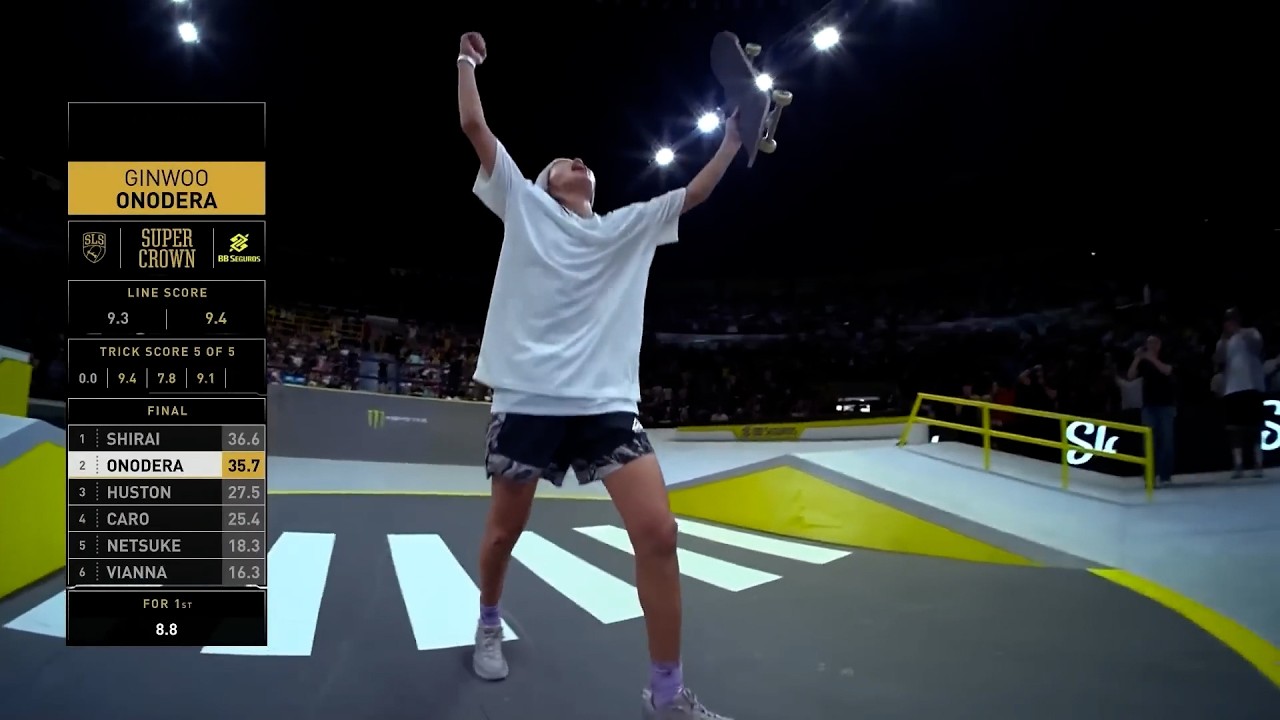
VM: Speaking of tennis, you won SLS Paris last year at Roland-Garros, one of the most famous tennis venues in the world. Did that victory make this collaboration even more special?
Vincent: For sure. Winning that contest actually played a part in me getting the Stan Smith colorway. When we started discussing the design, I remember bringing up the idea of using the color of a clay court. Stan was a tennis player, obviously, but the funny thing is that he didn't really like playing on clay courts. We talked about that too. He was a very aggressive player who liked getting close to the net. He was really good at predicting where the ball was going. I'm kind of the same way with skating. I like to go straight at things and go a little bigger. We had a good laugh about that. He didn't like clay courts because the surface can change during a match, especially when it rains. That makes the bounce of the ball harder to predict. So we had this whole conversation about the stadium, the contest, and how we approach our sports.
VM: And that's where the orange outsole came from?
Vincent: Exactly. We wanted it to look like you had just walked off a clay court, with that orange color underneath your shoes. The color also works with the softer rubber compound, so it serves a functional purpose as well. Originally, we even experimented with an orange layer underneath the white upper. The idea was that as you skated the shoe and wore through the material, the orange would start to show. But when I got the first sample and tried it, I didn't really like how it looked. The orange was too strong against the white, and it almost looked like the shoe was dirty. To me, the Stan Smith should always look clean. Even when you skate it, it still has that classic, clean appearance. So we decided to keep things more subtle. But the whole clay-court concept came directly from winning at Roland-Garros.
VM: I read that the metallic Trefoil logo on the heel was inspired by one of your favorite board graphics. What's the story behind that?
Vincent: When I was between board sponsors for about two years, I started spray-painting all my boards silver. Part of it was because I didn't want to show any brand logos, but I also just loved how it looked. The silver reflected light like a mirror, and it was really simple and clean, just like the Stan Smith. People started noticing it and calling me the Silver Surfer (Laughs). When I got on Element, one of the first things they said was, "We should make a silver board with your name on it, because that's basically your signature now." Most brands use graphics to represent something, but I liked having just one solid color. It reminded me of when I first started skating and would buy blank decks without any graphics. It brings me back to learning my first kickflip. So we took that silver idea and incorporated it into the metallic Trefoil on the back of the shoe. I was also inspired by some Y-3 shoes from Yohji Yamamoto that had metallic silver details. I really liked the combination of white and silver.
VM: I saw a photo of you meeting Zinedine Zidane on Instagram. Was that connected to Y-3?
Vincent: That was actually a separate thing. It happened in 2024, right before the Olympics. adidas invited a few athletes to a surprise meet-and-greet with Zidane. We didn't really know what was happening, and then he walked in. We all sat down and started talking about our sports. I ended up talking to him about skateboarding for quite a while because he told me he used to skate when he was younger in Marseille.
VM: Zidane used to skate?
Vincent: Yeah (Laughs). Where he grew up, and where I grew up, football was the easiest way to get out of the house and hang with your friends. But he was also skating on the side. He told me he can still get on a board, tic-tac, turn around, and cruise a little. We talked about the similarities between football and skateboarding, especially the way you use your feet and body to control something. What I found interesting was how a single object can connect people. In a football match or a skate contest, you have rules. But when you're just hanging out with friends, you can pass a ball around or share a skateboard and do whatever you want. There's no structure. You're just having fun together. We talked about how sports bring people together in that way.
VM: It's pretty amazing how all these different experiences ended up influencing the shoe.
Vincent: Yeah, all those little things became part of the design. But the most important thing was keeping the Stan Smith classic. It's such a timeless shoe, and I didn't want to lose that. I also wanted something people could wear to work or school, not just for skating. When I was a kid, I didn't really want people at school asking me questions about being a skater. So I'd wear regular clothes and carry my board and skate shoes in a long backpack. After school, I'd go out on the street, change into my skate shoes, and go skating. I always liked the idea of having a shoe that doesn't necessarily look like a skate shoe but still works perfectly for skating. That's what I wanted with this Stan Smith. Something you can wear anywhere, but with the grip, impact protection, and functionality you need when you're on your board.
VM: You've won SLS, competed in the Olympics, had pro boards, and put out video parts. Where does having your own Stan Smith colorway rank among everything you've accomplished?
Vincent: Top shelf. Definitely. Having my face and name on the tongue of a Stan Smith is such a huge thing. It's one of those shoes that everybody knows, whether they skate or not. So being part of that history means a lot to me.
VM: That's incredible. Are there any other projects lined up around the release?
Vincent: Yeah, quite a few actually. If you look inside the shoe, there are two white lines representing a tennis court. We also made a cruiser board with Element using those same lines, so it matches the shoe. I've got a cruiser part coming out with that board. Originally, when adidas asked me to do the colorway, they wanted me to film a really big part entirely in Stan Smiths. But on the second day of our first filming trip, I had a bad slam and hit my head really hard. I ended up in the hospital for several days and couldn't skate for months. I almost died. It was a really serious injury.
VM: Wow, I didn't realize it was that bad.
Vincent: Yeah, it was pretty scary. I passed out, and when I woke up, I felt okay at first, but everything was moving really slowly. It took months to recover. Luckily, I didn't have any permanent brain damage or problems with my speech, but I did lose some of my memory. Looking back and talking to the doctors afterward, I realized just how serious it had been. It was a really heavy experience, but I'm grateful to be back skating.
VM: I saw a few clips of you during the commercial breaks at Street League. Were those from the upcoming projects?
Vincent: Yeah, those were clips from the cruiser part. I also have another part coming out on Thrasher, and they're making a documentary about the head injury, the recovery process, and how I got back into skating. There's also a segment with Stan Smith himself that's coming out around the shoe release. So there are projects connected to this whole clay-court concept. Obviously, things didn't go exactly as planned because of the injury, but I'm really happy that we're able to put all these projects together.
VM: You're also coming to Japan soon, right?
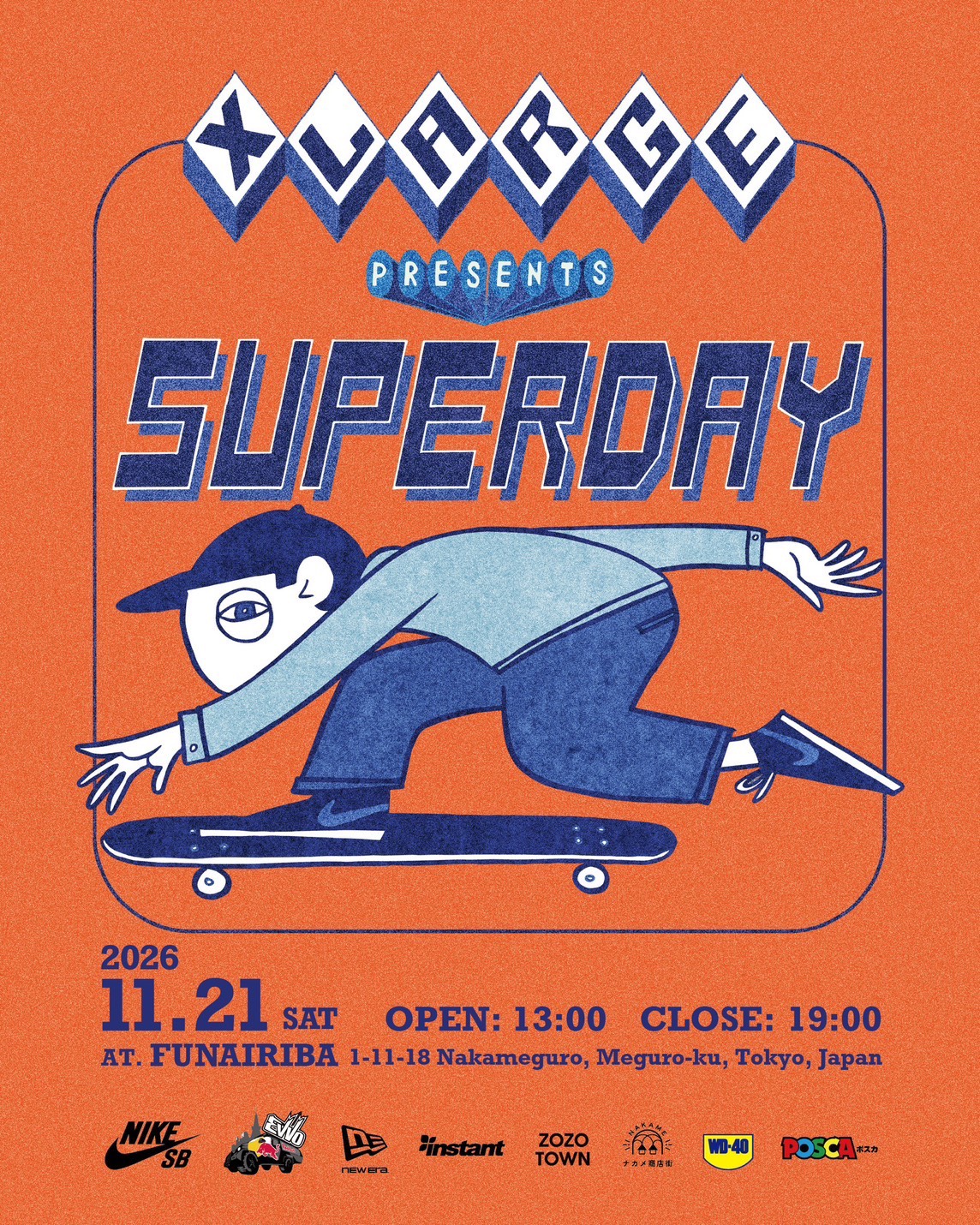
Vincent: Yeah! I'm arriving in Tokyo on November 11, which is actually my 30th birthday (Laughs). So I'll be celebrating my birthday in Tokyo, then competing in World Skate. I'm also coming for Street League. After that, I'm planning to stay in Japan for another two or three weeks to skate, film, and hang out with friends.
VM: Nice. One last question. Who has a better chance of succeeding: Stan Smith landing an ollie, or you winning a point against Stan Smith in tennis?
Vincent: Hmm... I think Stan could definitely learn an ollie because he understands movement so well. But if he serves against me in tennis, he's beating me 100% (Laughs).
Vincent Milou
@vincentmilou
French professional skateboarder known for his powerful, fearless approach to street skating. An adidas Skateboarding and Element rider, he has competed in the Olympics, won SLS Paris at Roland-Garros, and released numerous video parts. His latest milestone is a personal colorway of the iconic adidas Stan Smith, inspired by his victory on the clay courts of Paris.