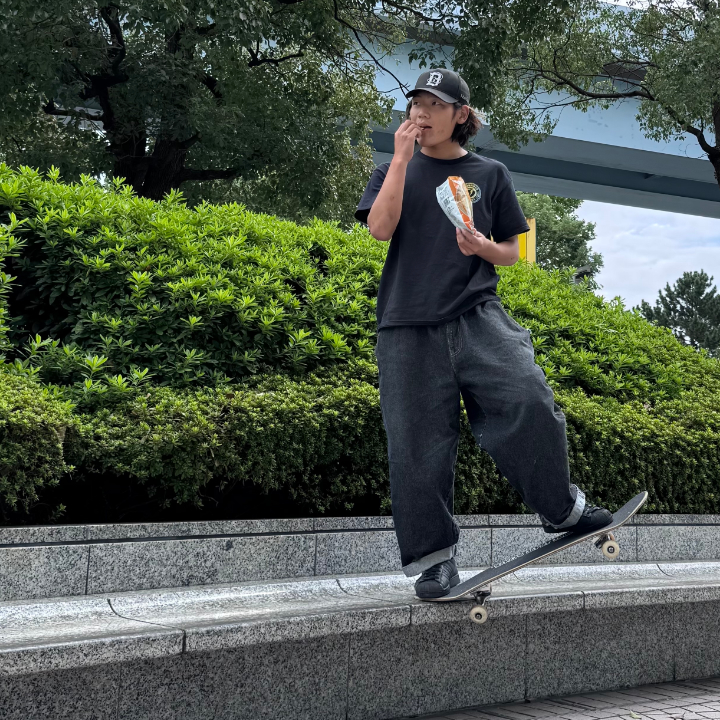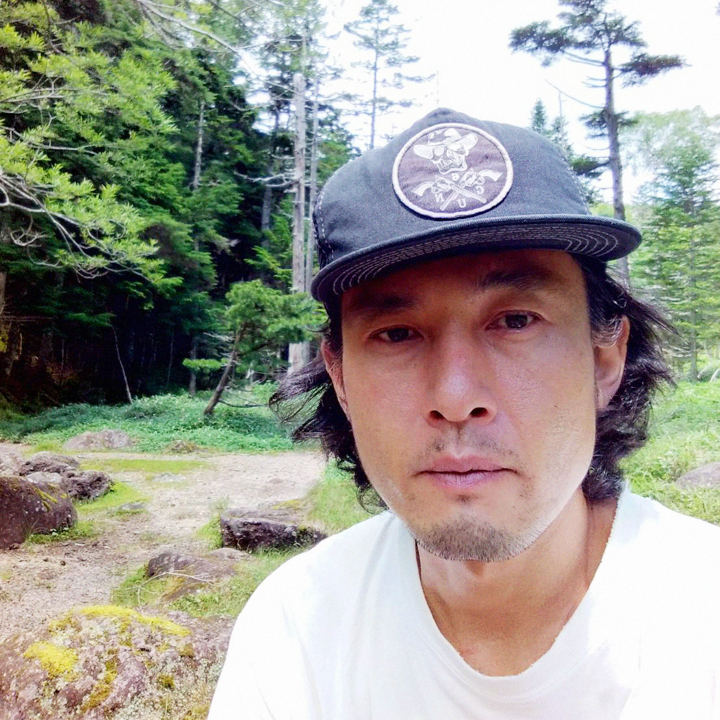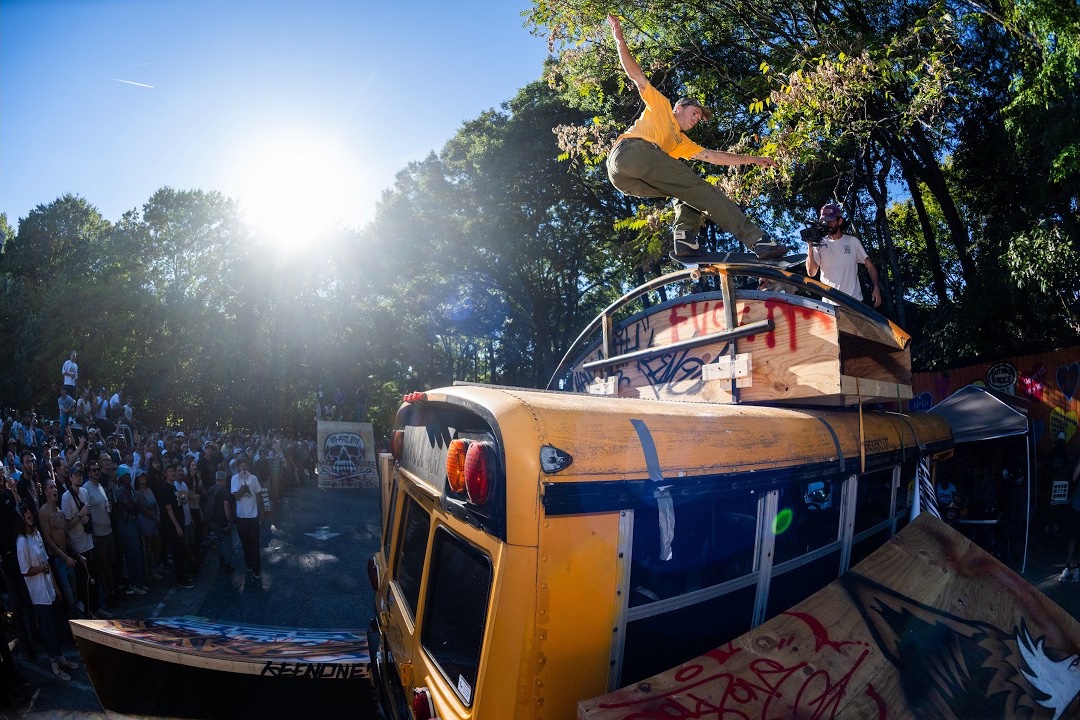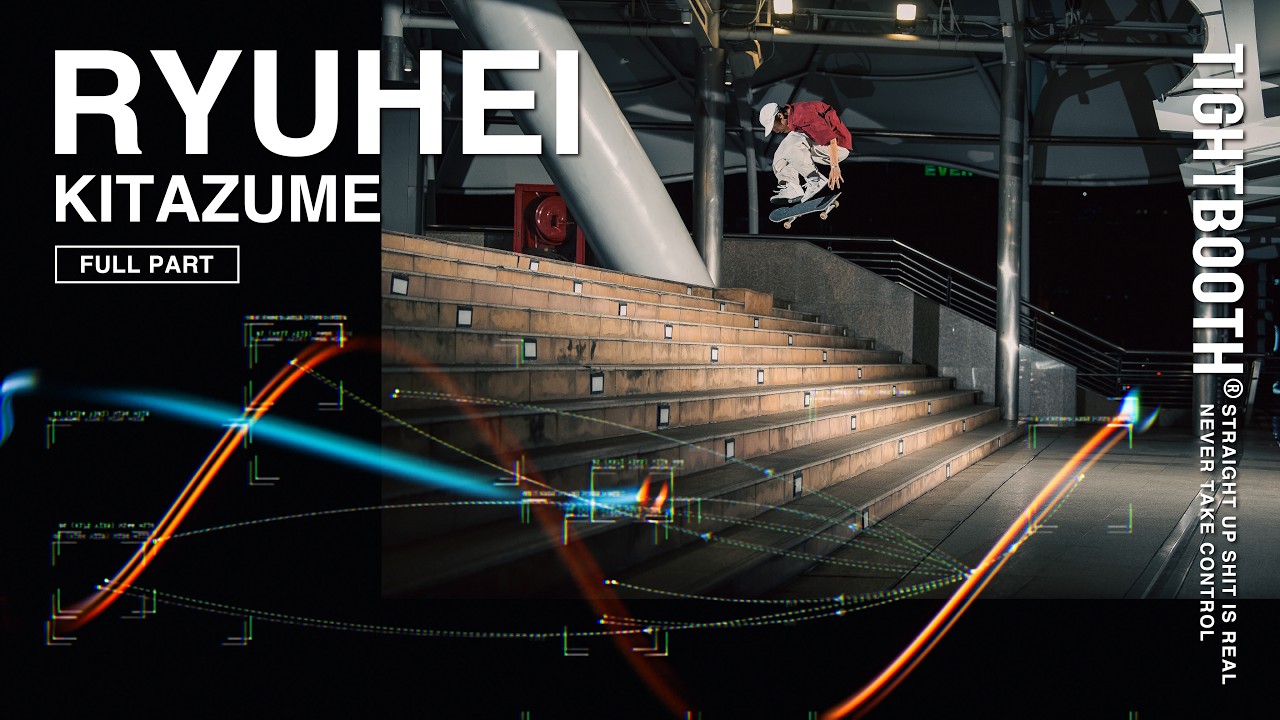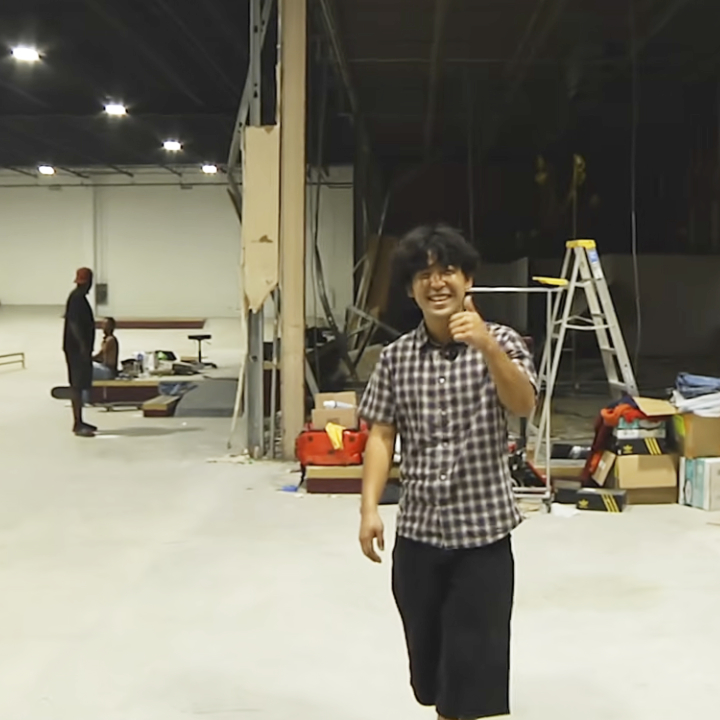
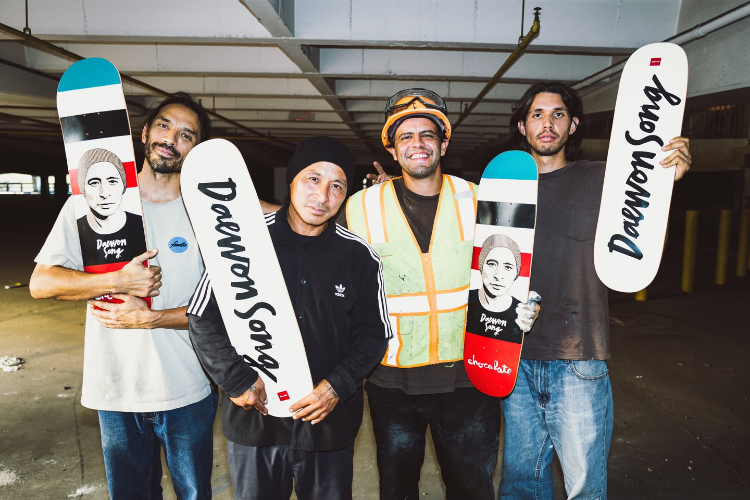
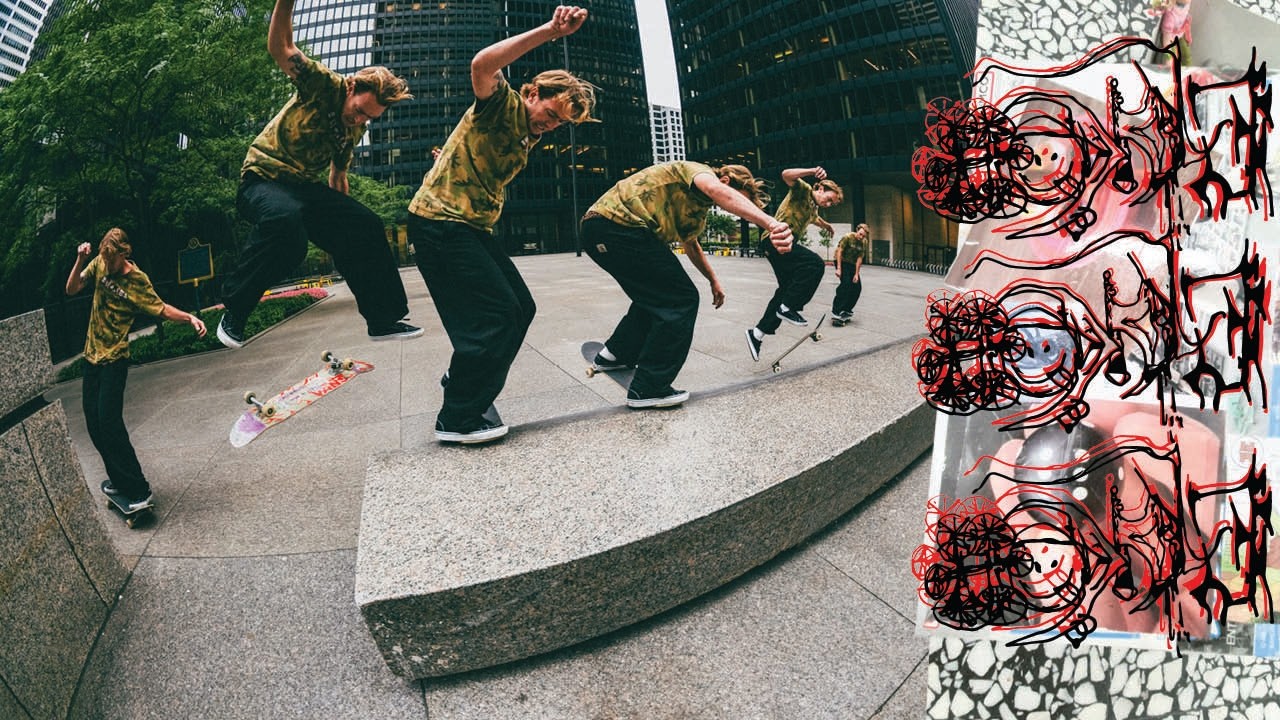

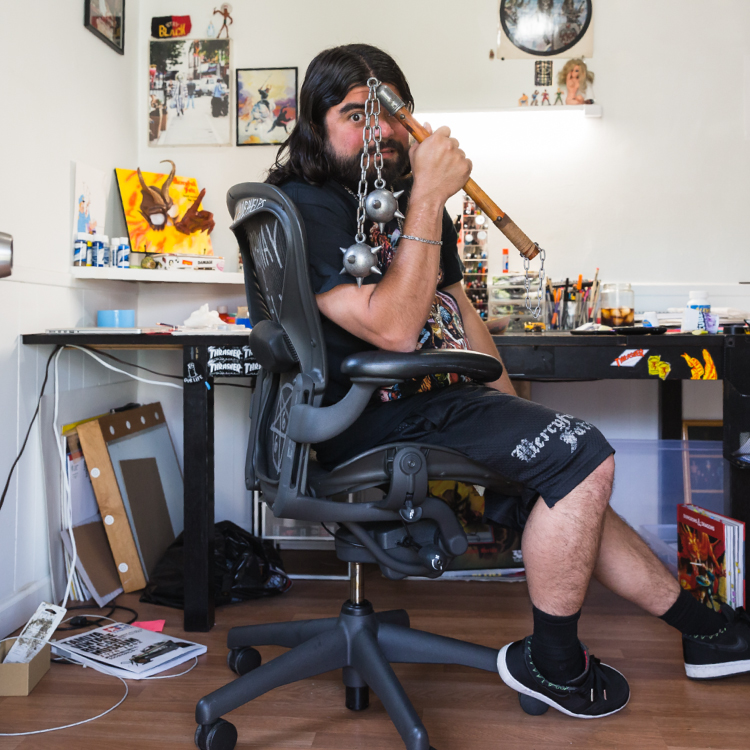


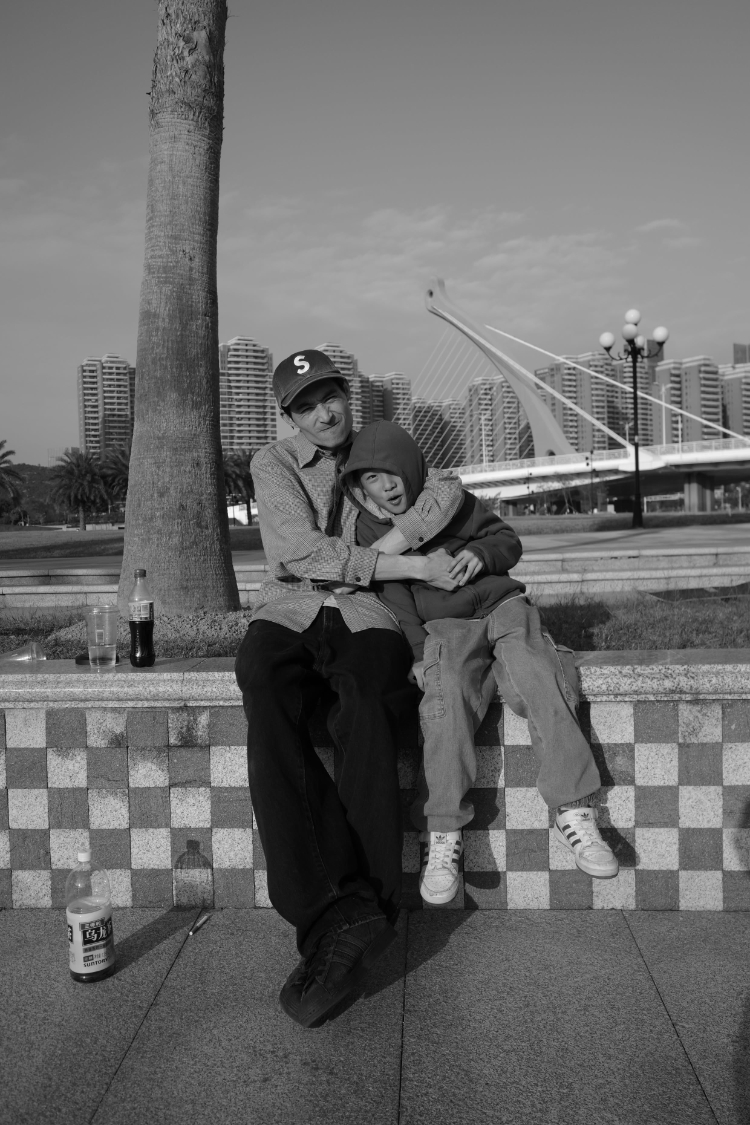
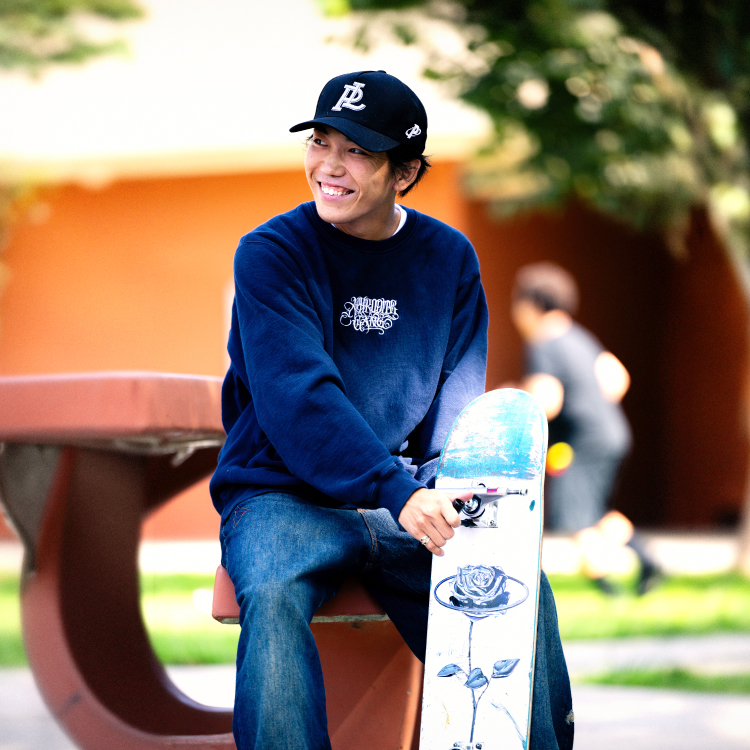
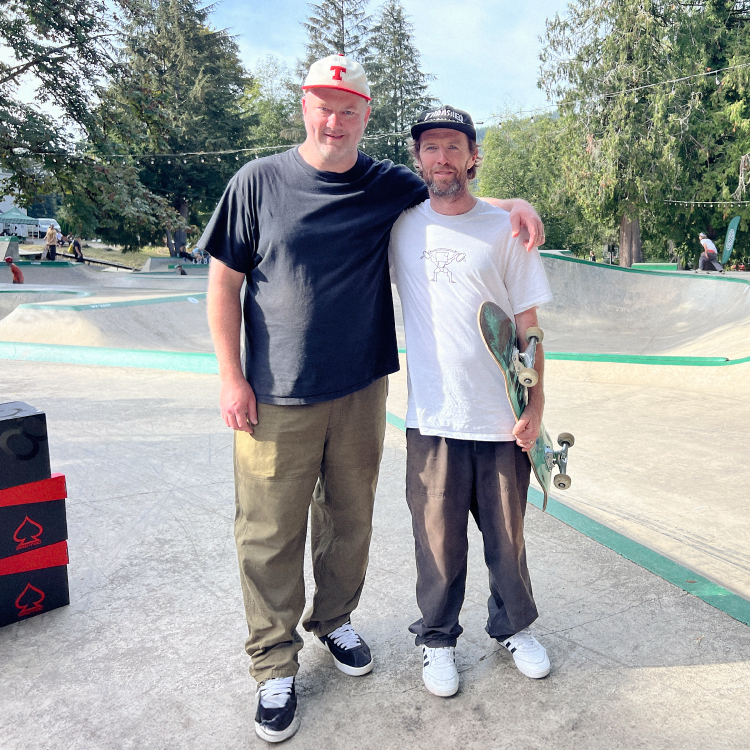
Born and raised in Toronto, Johnny Tang moved to Shanghai in the early 2000s with nothing more than a suitcase and a skateboard. Stepping into a city filled with untouched marble ledges and endless granite spots, he helped lay the foundation for China’s emerging skate scene. Over the years, Johnny served as an essential spot guide and cultural bridge for international teams like Nike SB, Primitive, and Red Bull. Today, as the team manager and creative leads for adidas Skateboarding China, he is dedicated to preserving authentic street culture, empowering local crews through projects like ADI-MISSION, and bridging the gap between China and the global skateboarding community.
──JOHNNY TANG
[ JAPANESE / ENGLISH ]
Special thanks_adidas Skateboarding
VHSMAG (VM): First off, can you tell us about your background and how you ended up moving from Canada to Shanghai?
Johnny Tang (JT): I was born in Toronto and started skateboarding when I was 12 years old. Skateboarding introduced me to an amazing community of people who gave me a great perspective on life. When I was 17, my family went on a vacation to China because my mother is originally from there. Before we left, my mom told me not to bring my board because she thought China only had dirt roads, and I didn't want to get my brand-new setup dirty. But when we landed in Hong Kong and went into mainland China, I was blown away. I saw endless granite, marble ledges, stairs, banks, and rails everywhere. It looked like one giant skate park. After returning to Canada, I had an opportunity at age 20 to go back to China for what was supposed to be a two-month filming trip to get footage for my flow sponsors. Having worked in a skate shop and been sponsored, I felt I had a decent grasp of skateboarding. Well, those two months turned into six months, and six months ended up turning into 20 years!
VM: What was the Chinese skate scene like when you relocated?
JT: There was no established scene or structure like what I knew in Canada. Everything was brand new. I moved over with no money, just a suitcase and a skateboard. What shocked me most was that nobody kicked you out, and every ledge was untouched, crisp marble or granite. I used to tell my friends back home in Canada on Facebook that they could film an entire video part in a day if they came out, but everyone was still choosing to go to Barcelona. Once Instagram came out, a few skaters and I started posting spots. I realized hashtags worked like bookmarks, so I started hashtagging spots by city so I wouldn't forget where they were. Because I was bilingual in English and Chinese, international skaters and team managers started sending me DMs asking if I could guide them.
VM: Which teams did you guide during those early years, and what did you learn from them?
JT: I guided crews from Primitive, Nike SB, 411, Red Bull, and adidas. I just wanted to hang out, watch them skate, and learn what it takes to be a pro. One of the most memorable trips was around 2005 for Nike SB’s Nothing But The Truth video. Heroes of mine like Stefan Janoski, Brian Anderson, and Omar Salazar came out. They were staying in nice hotels and ordering room service, while I was sleeping on couches! I asked the team why they were spending so much budget, and they explained that these skaters were putting their bodies on the line, trying tricks 50 times and taking heavy slams. They taught me that if skaters are comfortable and taken care of, they perform better and earn bigger budgets for future projects. That corporate lesson really shaped how I manage trips and care for riders today.
VM: How did having overseas pro teams visit impact the local Chinese scene?
JT: Demos and autograph sessions are huge. When I was a kid, standing next to Chris Cole in his prime made a lasting memory that hyped me up to keep skating forever. Having international pros roll through gives local kids that same inspiration and connects Chinese skaters directly with the global community.
VM: How do you view the current state of the Chinese skate scene?
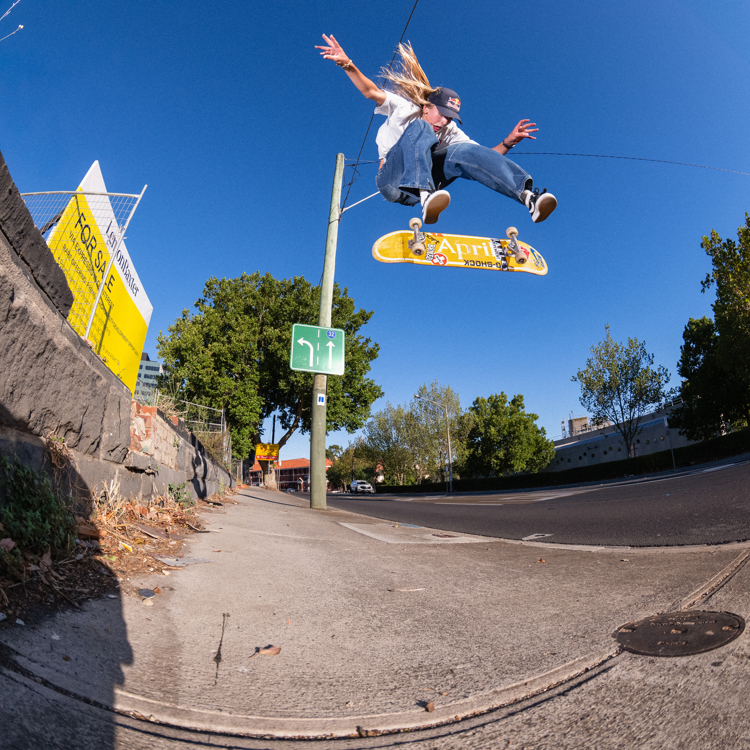
JT: Right now, the scene feels very divided. On one side, there is massive government and corporate funding poured into contest skating. On the other side, there is authentic street skateboarding culture. The contest side produces insane athletic progress. Kids who have skated for only four years can switch back 50-50 an 11-stair rail. But my question is... was it fun to learn? What happens when you stop winning first place? Contest skaters are trained like machines, but if they don't know how to film a video part, don't have a crew of street homies, and haven't connected with art, music, or community, they are left with nothing when their contest career ends. People rarely rewatch old contest runs, but a tasteful, artistic street part stays online and inspires people forever.
VM: Is that critique what led to your current role with adidas Skateboarding China?
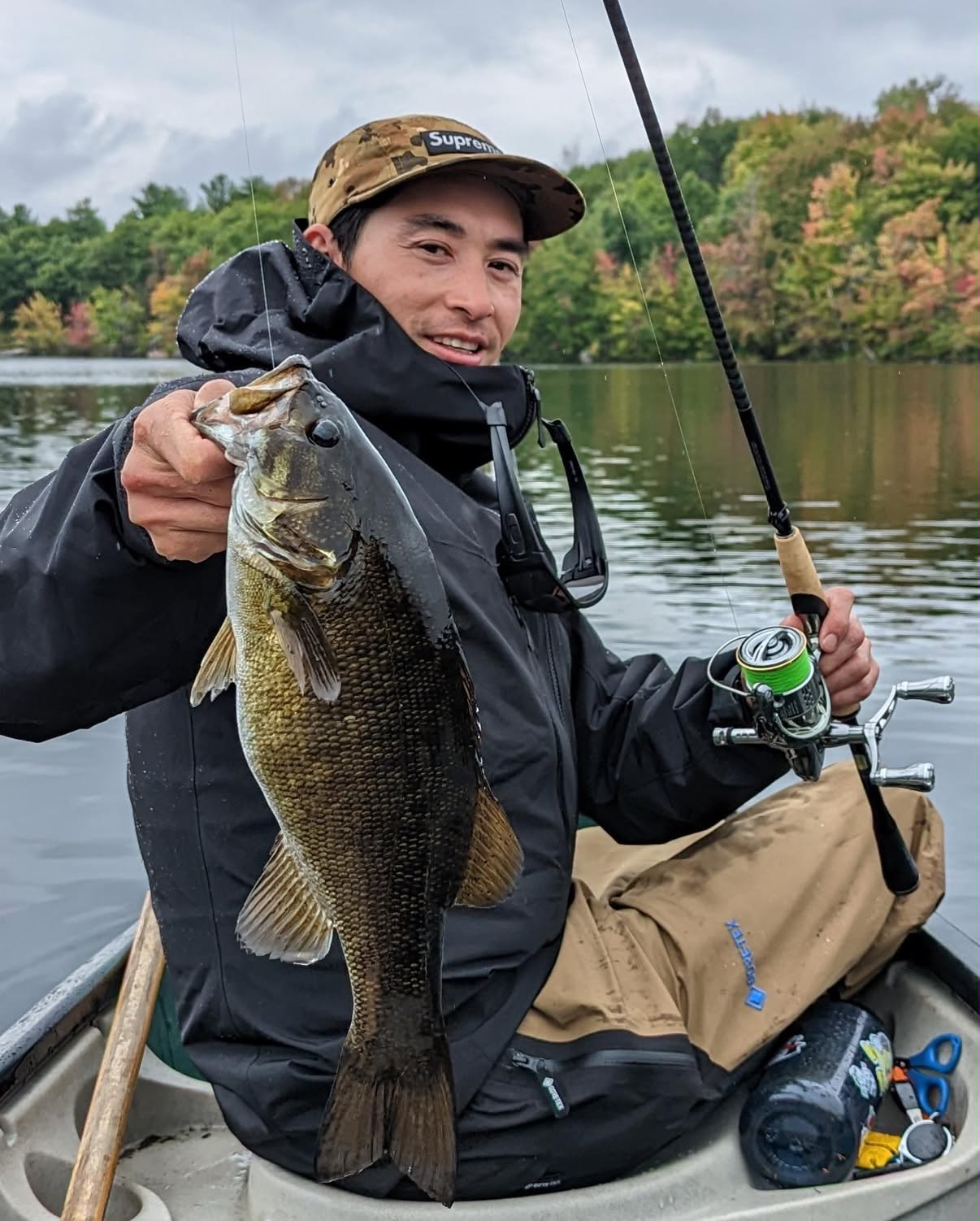
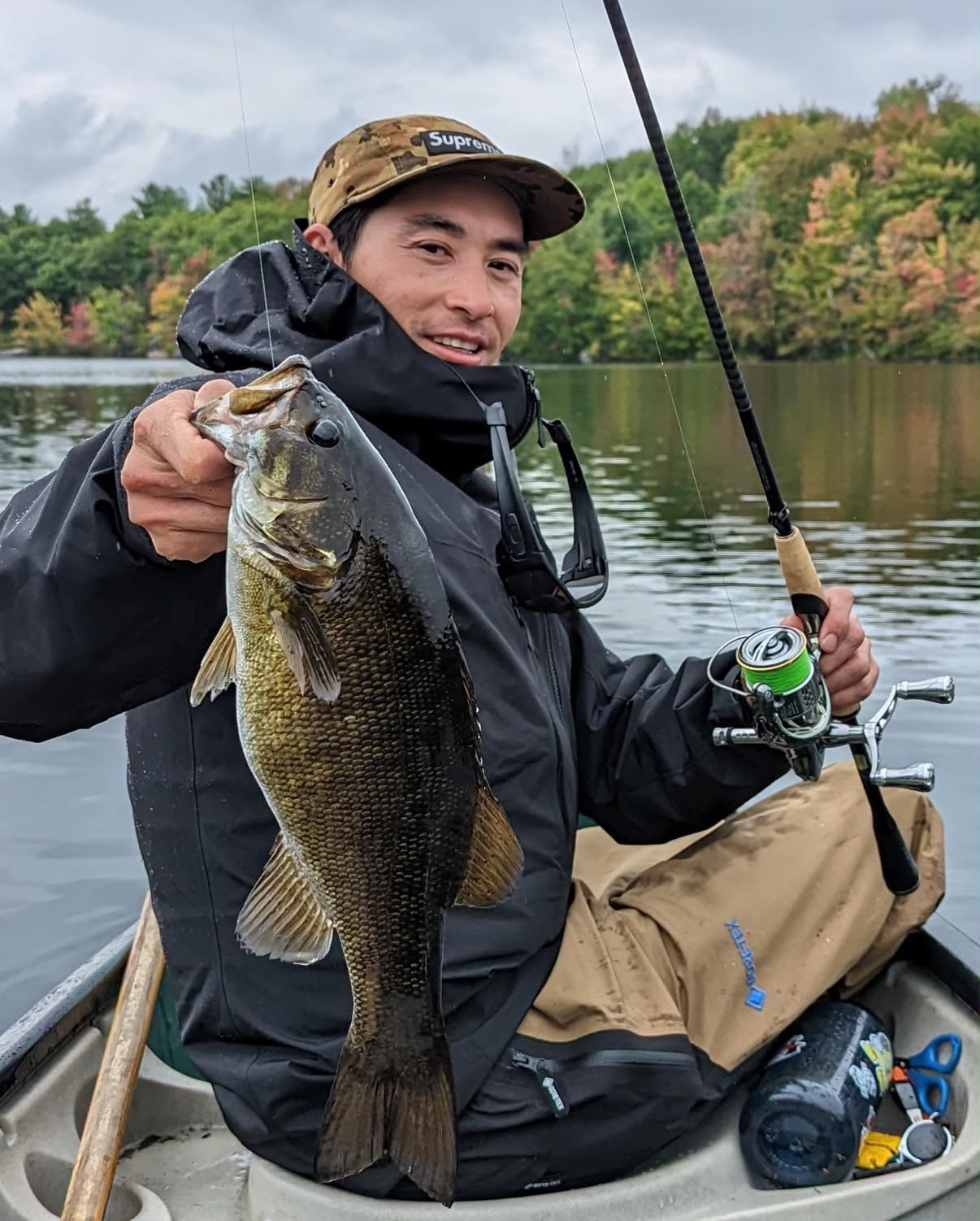
JT: I used to work for another major brand for years, but after moving back to Canada for a bit, I actually got heavily into fishing. I even got sponsored in fishing! But when I opened Chinese TikTok, I saw skateboarding being portrayed in a really corny way. People falling, crying, and doing silly gimmicks for quick likes, with brands encouraging it. I realized I needed to step back in and give local skaters real opportunities. At adidas China, I handle TM work and creative direction. Working with adidas is amazing because they trust my vision. We don't waste budget on influencers or product photo shoots. Instead, we take the team on street filming trips, create authentic video pieces, and highlight real street skaters. My boss at adidas, Pan, actually used to be my subordinate when we worked at a different brand, so we have a great history and mutual respect.
VM: Could you tell us about adidas rider Jayden Zhang and why he’s so important to the team?
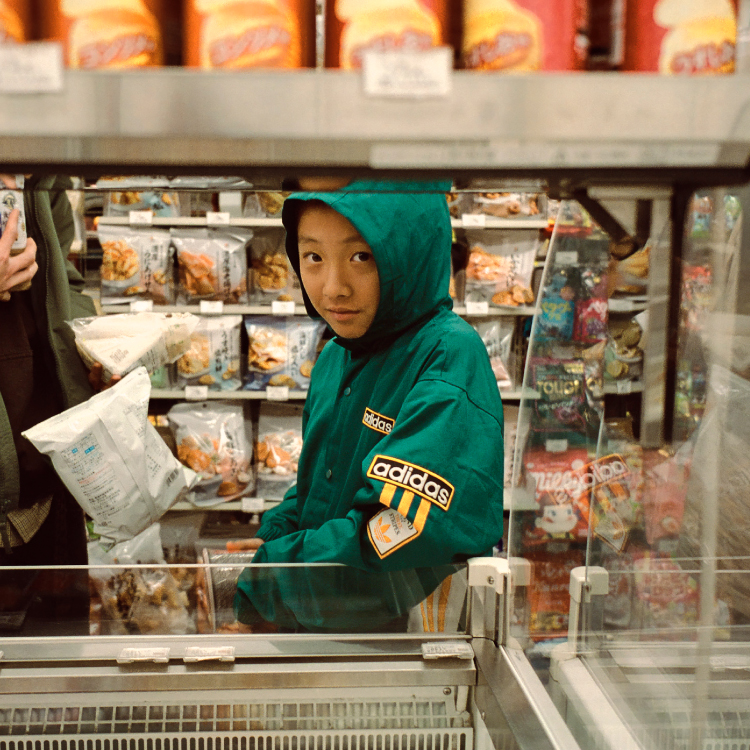
JT: I met Jayden when he was 9 years old. His board control and foot connection are insane, and he has a mature style beyond his years. I don't sponsor Jayden just because he's good. He is an essential bridge to show parents and society that street skating is artistic, cool, and important. Contest politics don't really suit him, so we focus on filming in the streets and letting his natural talent shine.
VM: Tell us about the ADI-MISSION project. What is the concept behind it?
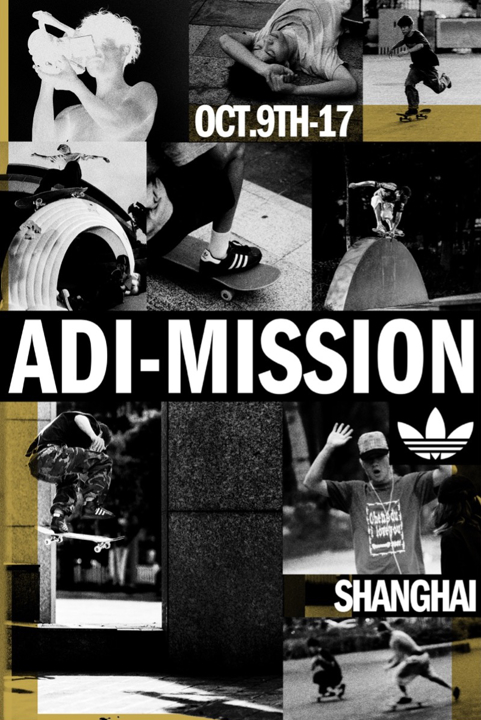
JT: ADI-MISSION is an annual scavenger-hunt event under adidas's Three Stripe Skate Hype platform, now in its third year. Year 1 was in Shanghai, we invited small, indie Chinese skate brands and gave them a "mission book" filled with city exploration, creative video editing challenges, and specific trick missions. It pushes skaters out of their comfort zones to learn new tricks and build meaningful video projects together rather than chasing instant social media likes. Year 2 was in Chengdu, we expanded the event to include regional Asian crews from Thailand, Korea, and beyond. And this year, we are bringing over European pros and media outlets. Our long-term goal is to bridge China with US media and the global community, proving that Chinese skateboarding isn't just about gold medals.
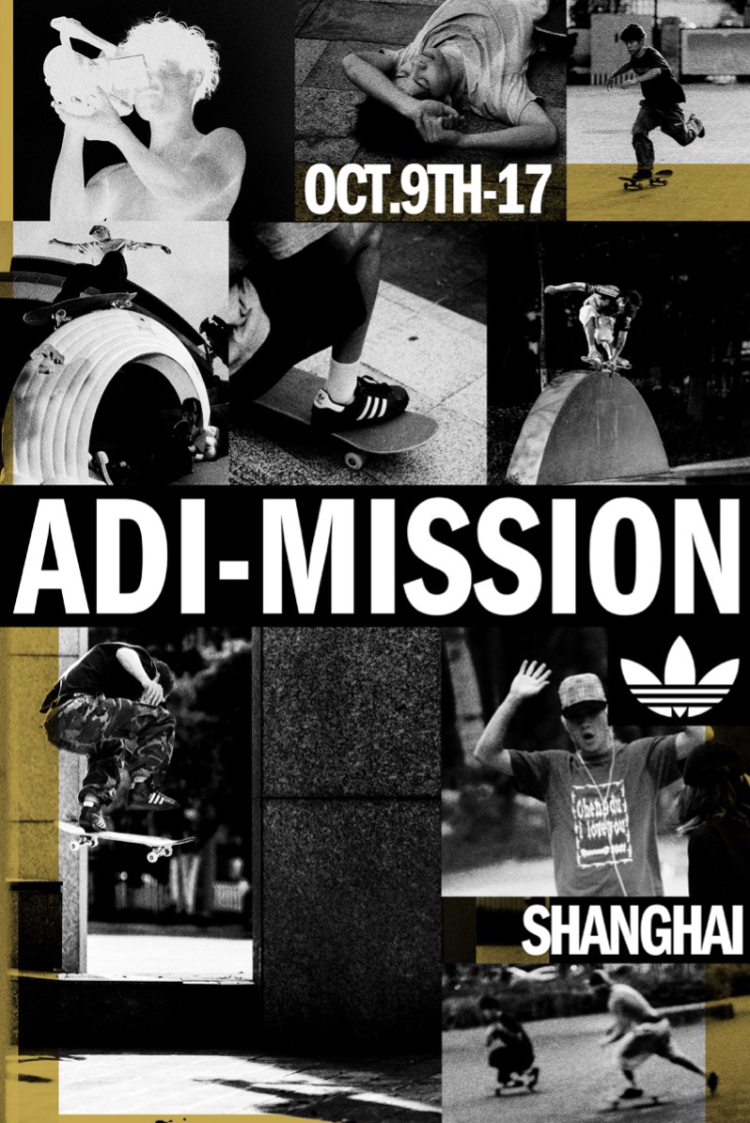
VM: We heard you also managed to build a permanent skate park in Shanghai for this year’s event?
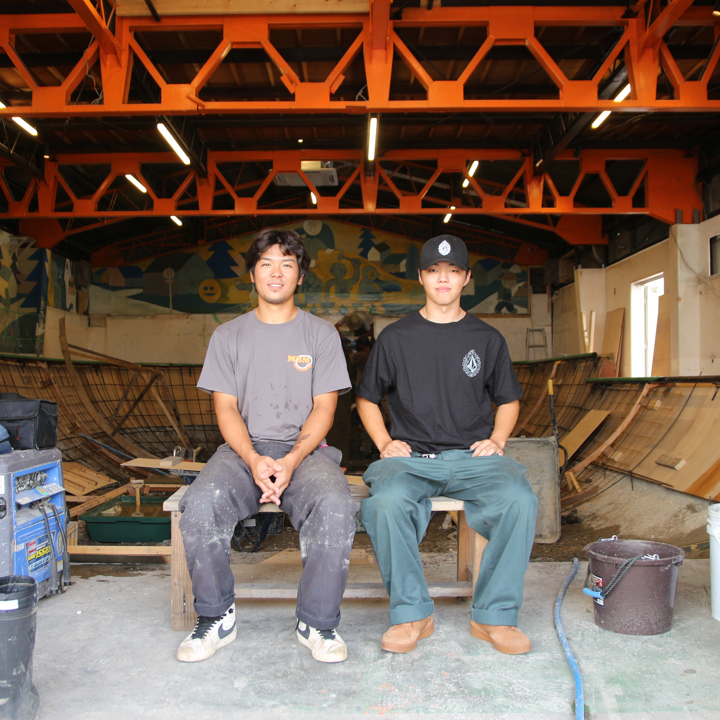
JT: Yes! We secured approval to build a permanent, massive skate park at an iconic spot in the busiest part of Shanghai. Something other brands tried and failed to do for years. When I saw the completed park for the first time, a tear literally came to my eye. It was a dream come true for the local community.
VM: What do you ultimately hope skaters take away from ADI-MISSION and your work?
JT: I just want people to have fun, experience genuine emotion, and form international friendships. Connecting skaters from around the world and sharing that raw, authentic feeling is far more valuable than any contest score or medal.
Johnny Tang
@johnny_tang
Toronto-born skateboarder and key figure of the Chinese skate scene. After serving as a legendary spot guide for top international pro teams, Johnny currently works as team manager and creative lead for adidas Skateboarding China. Through initiatives like ADI-MISSION, he continues to nurture authentic street culture across Asia.









.png)